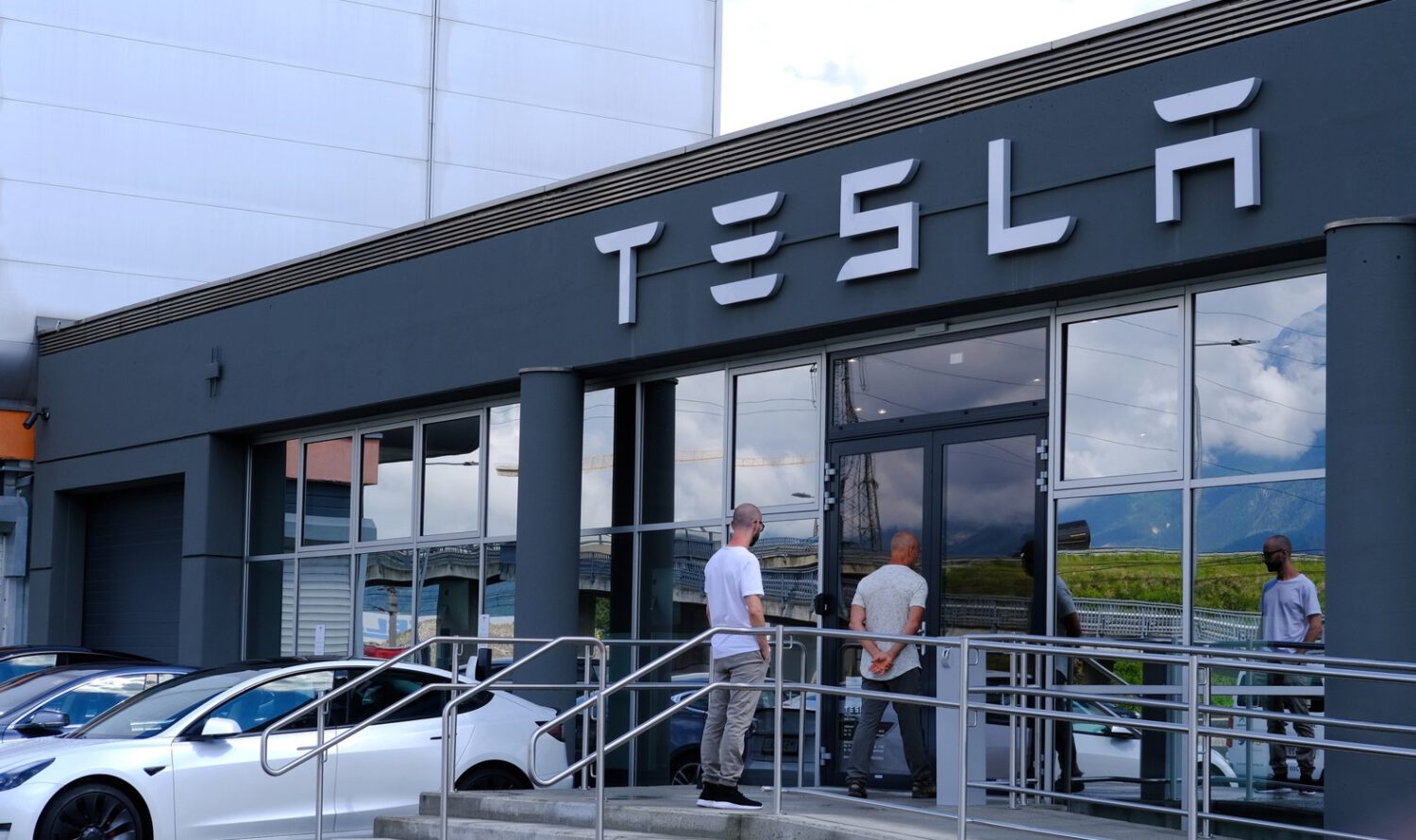
Tesla reported that more than 75% of new vehicle deliveries in North America included Full Self-Driving during Q3 2026, up from 55% the quarter before. That is a nearly 20-percentage-point sequential increase, and it marks a measurable shift in how Tesla is bundling software with vehicle sales.
The figures matter because Tesla is no longer just selling cars. It is attaching a subscription to the car, and customers are increasingly accepting it at delivery.
What Tesla Is Reporting
Tesla’s active FSD customer count combines monthly subscribers and buyers who purchased the software outright before Tesla discontinued that one-time option in February 2026.
The global active count reached 1.74 million, up 67% year over year from 1.04 million. Free trials are excluded from the figure, but the figure combines two distinct payment models. It does not represent 1.74 million people currently paying $99 per month.
For new customers, the monthly subscription is now the only available option. Tesla stopped selling FSD as a one-time purchase in February 2026.
Close to a Billion-Dollar Revenue Stream, on Paper
Tesla reports that roughly half its paid FSD customers are on monthly subscriptions, pointing to an annualized gross subscription value approaching $1 billion, though that number is an extrapolation rather than a Tesla-reported figure.
Tesla says approximately 50% of its paid FSD customers are on monthly subscriptions, which implies roughly 875,000 active monthly subscribers. That estimate depends on the exact percentage Tesla reported, which has not been confirmed in detail. At $99 per month, the annualized gross value of those subscriptions approaches approximately $1.04 billion.
That figure is an extrapolation, not Tesla-reported revenue. It shifts with cancellations, regional pricing differences, promotional periods, and billing cycles. Every delivered vehicle in North America also receives one free month of FSD access, yet Tesla reports that customers continue subscribing after that period ends. Tesla cites this behavior as evidence of genuine product demand rather than passive acceptance.
Tesla’s Framing vs. What the Data Confirms
High attachment at delivery does not establish that FSD is the primary reason a customer chose Tesla.
Tesla is positioning FSD as a demand driver for the vehicle itself, according to the company’s Q3 2026 reporting. The data shows customers are adding FSD at the time of delivery. It does not identify FSD as the reason those customers selected Tesla in the first place.
Tesla has not disclosed post-trial cancellation or churn rates. The 1.74 million count also includes lifetime purchasers whose vehicles remain active. The recurring-revenue picture is therefore murkier than the headline figure suggests.
High Adoption Numbers Do Not Mean Autonomous Driving Is Here
FSD (Supervised) still requires the driver to remain attentive and in control, regardless of how many customers subscribe.
Tesla is pursuing regulatory approval for FSD in additional international markets, including Europe and China. Expansion depends on local authorization, not just software readiness. Competing automakers are paying close attention. If Tesla sustains this level of adoption, software subscriptions could shift from an optional revenue line to a core factor in how the industry values vehicles, though that outcome depends on retention rates that Tesla has not yet disclosed.
What This Means for Your Next Car Purchase
The software attached to your next car may matter as much as the hardware under the hood.
The car you buy may increasingly come with a software payment built in, much the way a new electric vehicle arrives with a streaming trial included. Whether the broader industry follows driverless Tesla lead depends on whether Tesla can retain those subscribers after the first month, once the novelty fades and the charge appears on your statement.