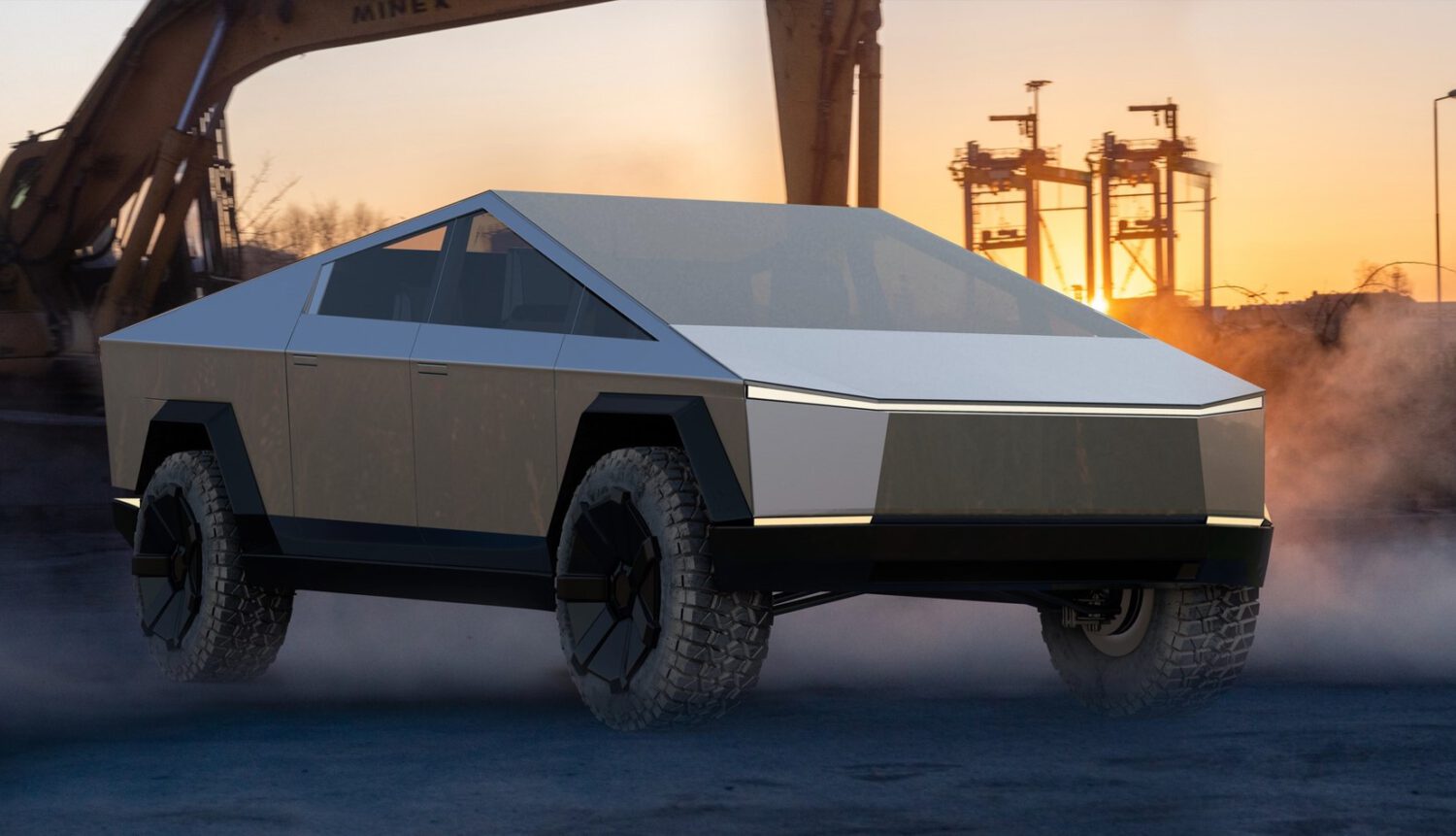
Seven separate declarations that the truck was ready. Five months at a Tesla collision center. A computer-related fault that reportedly knocked out high beams, door locks, cameras, and GPS after the vehicle was supposedly fixed. That is the account Matt, a Florida owner of a 2024 Cybertruck Performance Foundation Series, shared in a post on the Cybertruck Owners Club forum, and it raises a pointed question: when does “repaired” actually mean fixed?
His experience illustrates what can happen when a heavily damaged EV moves through a repair process that catches problems one at a time. Tesla’s own documentation makes clear that driverless Tesla collision work is genuinely complex.
A Crash That Shouldn’t Have Been Survivable
Matt’s forum account describes a two-impact highway collision that he credits the Cybertruck with surviving.
According to Matt’s forum post, another vehicle traveling approximately 115 mph rear-ended his Cybertruck while he was moving at around 78 mph. Those speed figures come from his account and have not been independently verified.
The impact sent the truck spinning roughly 270 degrees across five lanes before a second vehicle struck it. Matt says the truck did not roll over, and he credits it with helping him survive. The accident sequence has not been independently confirmed.
Seven Times Declared Ready. Seven Times Wrong.
Matt reports that each time technicians cleared the vehicle, another fault appeared before he could drive it home.
Matt reports the truck spent five months at a Tesla collision center, where technicians declared it ready on seven separate occasions. Each time, according to his account, another fault emerged during a test drive or shortly after he began driving home.
The most recent failure was a computer-related issue. Matt reported that high beams, locks, cameras, and GPS stopped working in connection with that fault. He says the problem was being addressed under warranty at the collision center at the time of his post.
Whether warranty coverage applies depends on Tesla’s determination of the fault’s cause. Tesla’s warranty terms distinguish between manufacturing defects and collision-related damage.
Why Cybertruck Repairs Are Genuinely Complicated
Tesla’s own body repair documentation imposes strict requirements that limit which facilities, parts, and methods can be used on a damaged Cybertruck.
Tesla’s Cybertruck Body Repair Procedures documentation requires approved parts, specified welders, particular welding wire, structural adhesives, and fasteners for applicable repairs. The documentation explicitly prohibits frame-straightening equipment on structural components. Pulling or pushing those parts risks damaging the components or their joints.
Damaged structural parts near airbags, seat belts, impact sensors, and intrusion beams generally require full replacement rather than repair, according to Tesla’s guidance. Tesla also states that non-original or salvaged parts, and any failures they cause, may not be covered under warranty.
Tesla’s procedures document those specialized requirements and warn that improper methods can compromise structural integrity and safety. They do not establish that Matt’s reported sequence of failures is typical of Cybertruck repairs generally. Owners evaluating the broader costs of EV ownership may also find it useful to compare gas vs diesel versus electric running costs.
Before Signing Off on Any Major Repair
Requesting complete documentation and an independent inspection are reasonable steps before accepting a heavily repaired vehicle.
Before accepting a vehicle back after a serious collision, request complete documentation of every replaced, repaired, recalibrated, or deferred component. Also request a final diagnostic scan confirming no active fault codes. An independent inspection by a qualified specialist is a reasonable step, not an excessive one , the same consumer skepticism that applies when a dealer recommends an unnecessary fuel filter replacement applies here too.
Matt’s account does not establish that Cybertrucks are broadly unreliable after crashes. What it does illustrate is something more precise: marking a physical repair complete and confirming a vehicle is fully functional are two very different things.