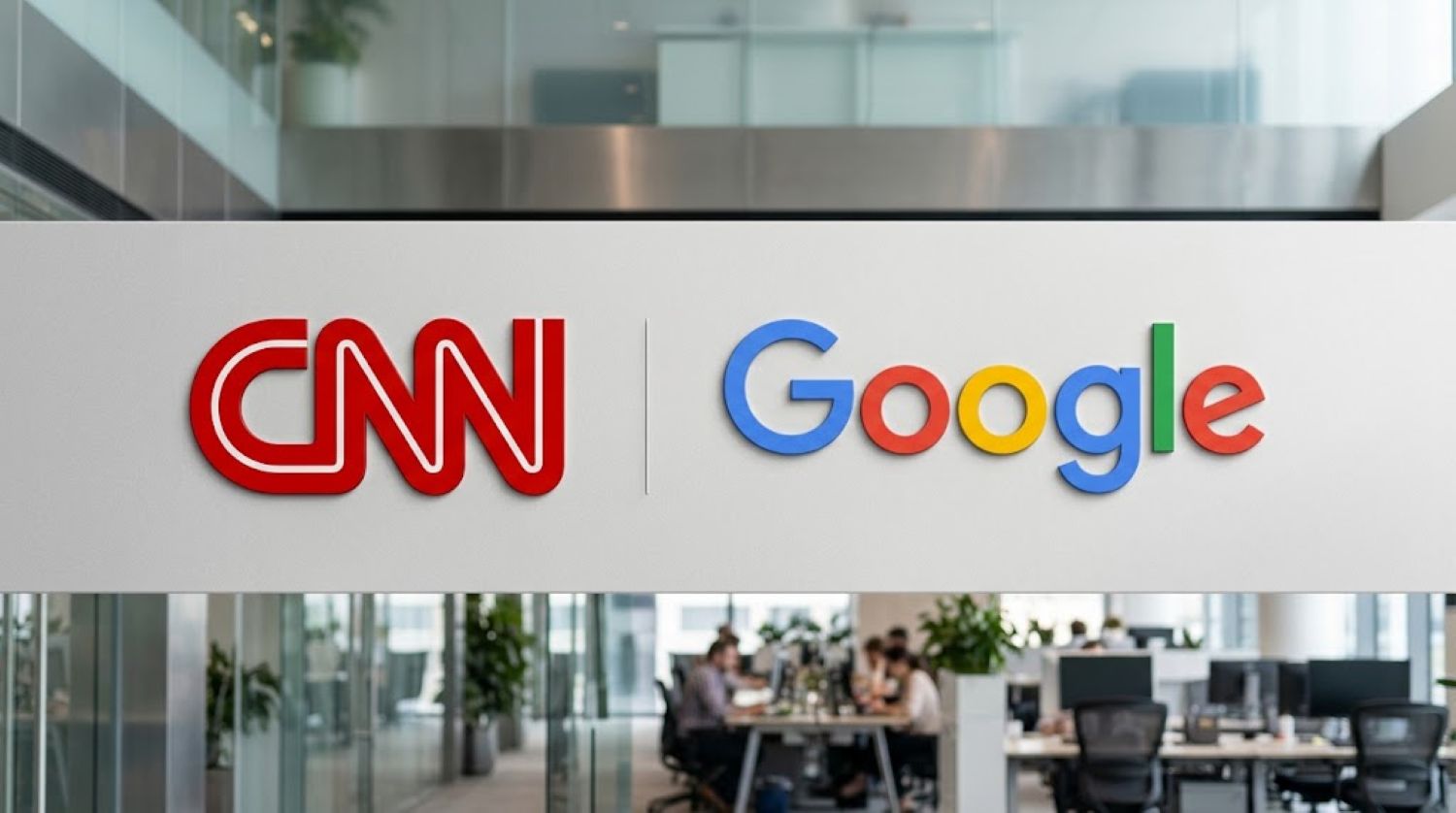
CNN announced the multiyear partnership on October 15, agreeing to provide Google’s Nebraska data center infrastructure aside, enhanced content rights for experimental product features. Financial terms, the specific Google products involved, and whether the agreement covers model training or only retrieval and display have not been disclosed by either company.
Sam Felix, CNN’s senior vice president of strategic partnerships and business development, framed the arrangement in terms of access and compensation: “With this partnership we’re unlocking new pathways for audiences to access CNN’s unparalleled journalism while being compensated for the delivery and use of our unique intellectual property in connection with AI products.”
The Publisher Dilemma This Deal Exposes
AI-generated search summaries can answer a reader’s question without sending them to the original news site, and that traffic risk is what the entire news industry is negotiating around.
The core tension is structural. When an AI summary answers a reader’s question inside a search result, the original publisher can lose the visit, the ad impression, and the direct audience relationship.
Google’s AI news pilot already includes Der Spiegel, El País, The Guardian, The Times of India, The Washington Examiner, and The Washington Post, according to Variety, which suggests CNN is joining an experiment already in motion. Legal challenges to this model have not fared well: Penske Media Corporation, Variety’s parent company, sued Google from handling traffic disputes without consequence, and a federal judge dismissed the case without prejudice, according to Variety.
CNN’s approach sits between collaboration and confrontation. The network is pursuing structured access with Google while simultaneously litigating against Perplexity AI, which CNN sued after licensing talks failed over allegations of unauthorized use of its journalism.
What This Means for You
The terms neither company has disclosed will determine whether AI-driven news discovery sends readers to CNN’s platforms or quietly replaces the visit entirely.
Your experience of CNN journalism could shift in ways that are not yet fully defined. AI-driven features may surface reporting faster, but they can also compress context and add an interpretive layer between you and the original work.
The questions that will determine whether this deal helps readers or diminishes them remain unanswered. Whether AI experiences drive visits to CNN’s platforms or replace them, how prominently attribution and links will appear, and how errors or outdated summaries will be corrected have not been addressed publicly by either company.
The CNN-Google agreement may become the model other publishers reach for as generative AI reshapes search. Whether it sustains journalism or weakens it depends on terms neither company has shared. That answer will arrive in audience data, not press releases.