Carl Pei, co-founder and CEO of Nothing, has reportedly called the iPhone Duo a “waste of money”, arguing that its $1,999 starting price does not hold up against what buyers actually get. His remarks, attributed to MacObserver reporting, focus on two specific omissions: the absence of Face ID and a camera system that falls short of Apple’s own Pro line. His complaints point at real trade-offs Apple made to achieve its first foldable, and those trade-offs are worth examining on their own terms. Buyers considering the broader ecosystem may also want to explore iPhone accessories before committing to a purchase.
The Case Against $1,999
Pei’s sharpest complaint targets two features that define Apple’s premium lineup: biometric security and camera capability.
Pei’s most direct criticism concerns biometrics. Face ID has anchored Apple’s premium iPhone lineup since 2017, and the Duo reportedly ships without it, relying instead on Touch ID integrated into the side button. According to MacObserver, Pei’s position is straightforward: a phone at this price should not ask buyers to accept that substitution.
There is a plausible engineering explanation, though Apple has not confirmed it. The Duo’s reported 5.2mm unfolded profile leaves significantly less internal space than a conventional iPhone chassis, and the TrueDepth sensor array that Face ID requires is not compact. That context helps explain the decision; it does not necessarily justify it at $1,999.
For buyers accustomed to glancing at their phone to unlock it, the omission is a meaningful step backward.
Camera Compromises and the Pro Comparison
The camera system draws Pei’s second line of criticism, centering on the absence of a dedicated rear telephoto lens.
The Duo reportedly uses a 48-megapixel main sensor with an integrated optical-quality 2x zoom rather than a dedicated rear telephoto camera. A physical telephoto lens performs differently, particularly at longer focal lengths and in low-light conditions, so the distinction is meaningful for photography-focused buyers. Readers weighing these trade-offs may find additional context in a guide to the best cameras available across budgets. These camera specifications should be confirmed against Apple’s official product page before drawing firm conclusions.
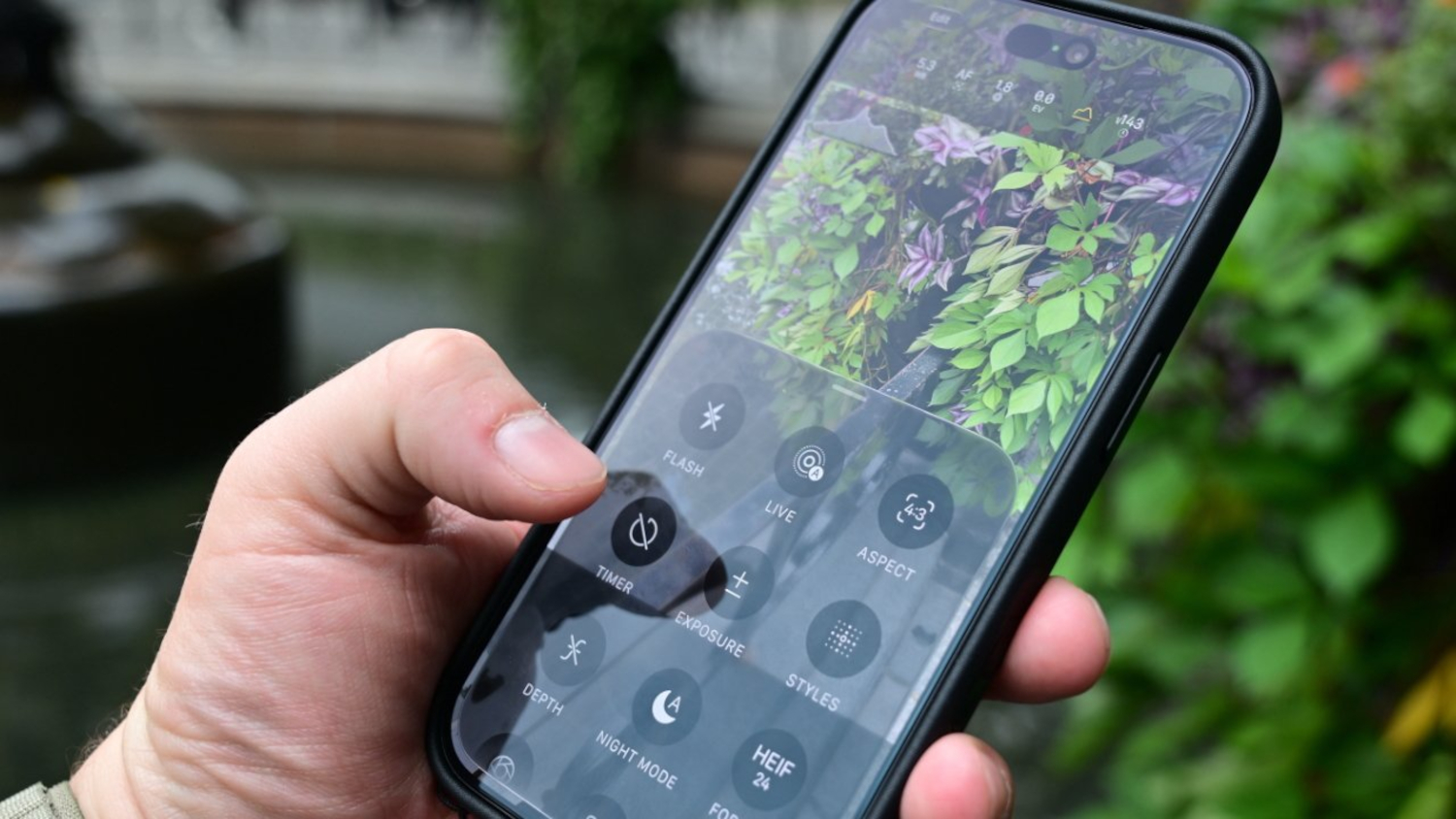
Apple’s published specifications do not list a LiDAR scanner for the Duo, and reports describe the absence of several manual camera controls associated with the Pro line, including shutter speed and aperture adjustments. Those omissions, if confirmed, support Pei’s broader argument: the foldable trades imaging capability for form factor. MacObserver’s reporting characterizes his conclusion as paying a premium price for a feature set that does not match that tier.
What the $1,999 Actually Buys
Pei measures the Duo against conventional flagship standards, but the device is also selling something no standard iPhone can offer.
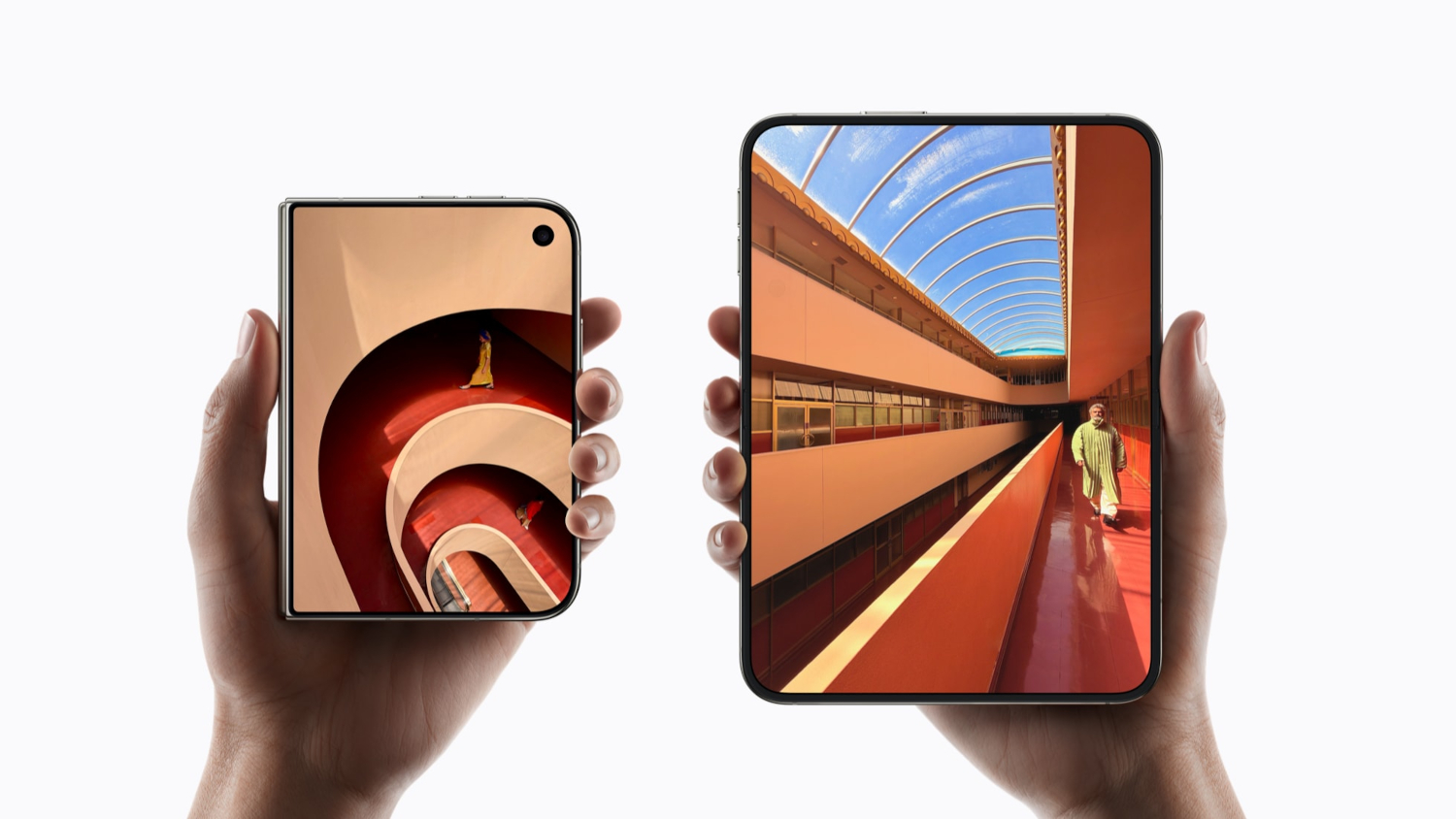
The $1,999 price covers a reported 7.6-inch inner display, a near-invisible crease, reported Apple Pencil support, a ProMotion screen, and entry into Apple’s first foldable lineup. Those are real differentiators, even if they do not satisfy every expectation set by the iPhone Pro line. Whether they justify the price depends on which buyer is making the calculation.
Touch ID is not a universal downgrade. Buyers who prefer fingerprint authentication, or who found Face ID less reliable in certain conditions, may regard the side-button sensor as adequate. The significance of the omission depends entirely on which authentication method fits a buyer’s daily habits.
Looking ahead, Bloomberg’s Mark Gurman has reportedly indicated that Apple is prioritizing Face ID and a dedicated telephoto camera for future foldable generations. Those reports do not represent Apple’s confirmed roadmap and should be treated as unverified. Understanding Apple’s hardware trajectory provides useful context for evaluating where the foldable lineup may head next. Pei is judging the Duo as a conventional flagship that happens to fold; Apple is positioning it as a first-generation foldable. Those are different products operating under different standards, and the right verdict depends on which one a buyer is actually purchasing. Preorders are reportedly scheduled to open October 16, with general availability on October 23; confirm both dates against Apple’s official communications before ordering.