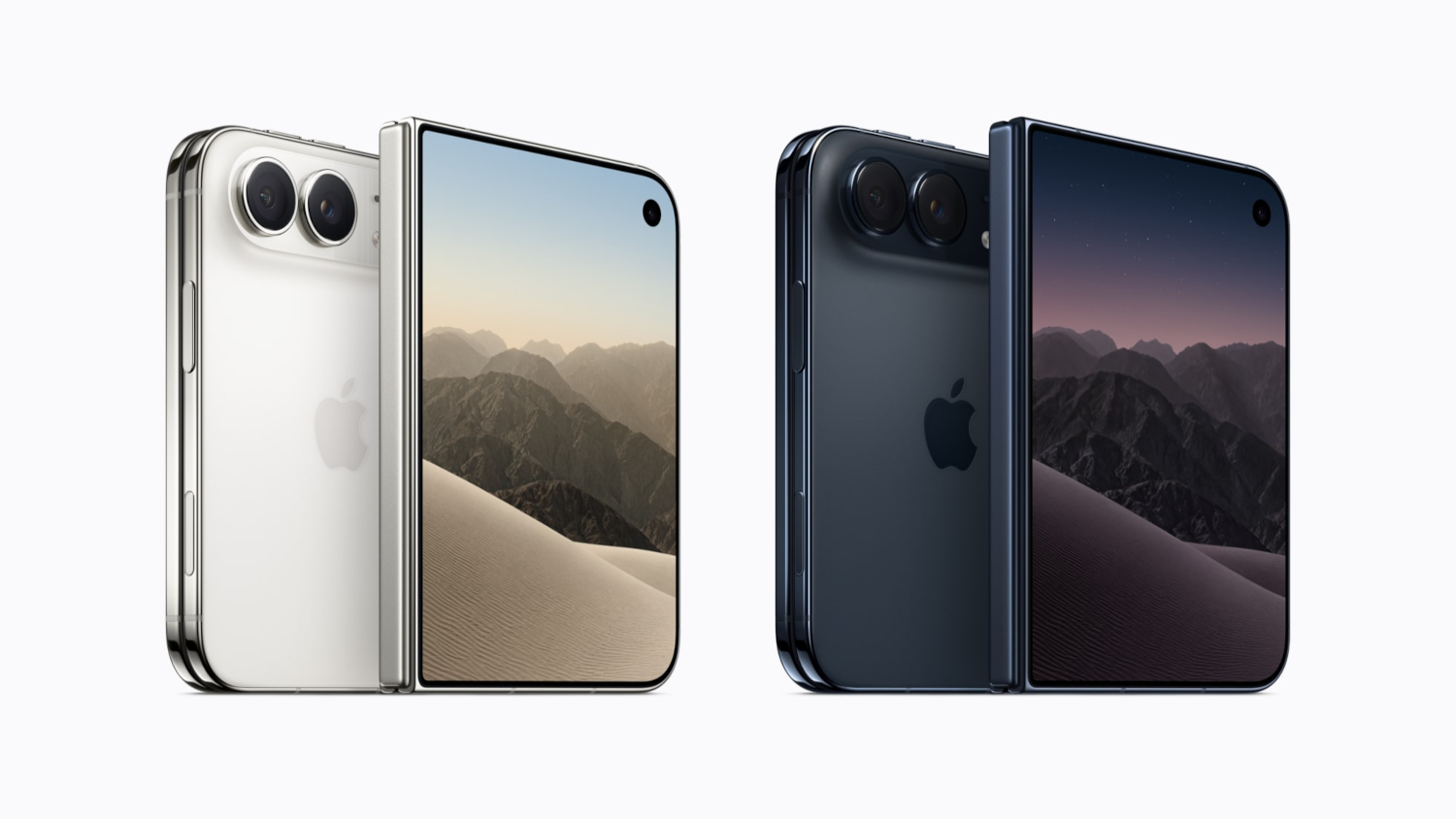
Apple’s first foldable iPhone arrives in less than two weeks, and supply-chain signals suggest the company is preparing for stronger initial demand than originally planned. China’s Securities Times, citing supply-chain sources, reports that Apple increased iPhone Duo orders by roughly 30% shortly before pre-orders open on October 16. That figure is not confirmed by Apple and should be read as a supply-chain estimate, not a sales guarantee. For context on how major smartphone launches compare, Samsung’s Galaxy S25 also broke pre-order records earlier this year.
What the Report Actually Says
The Securities Times report points to a meaningful order adjustment, but the total volume still sits below 10 million units.
According to Securities Times, total iPhone Duo orders remain below 10 million units despite the reported increase. Availability begins October 23 in more than 70 countries and regions, with expansion to 28 additional countries and regions on October 30; both dates are confirmed by Apple’s official newsroom.
The device carries a reported starting price of $1,999 in the United States. That figure comes from secondary reports rather than a direct Apple confirmation.
What the Numbers Mean, and What They Don’t
The order increase predates any confirmed customer purchases, which limits how much it can tell you about actual demand.
The adjustment happened before a single pre-order was placed, narrowing what you can reasonably conclude from it. Apple may be responding to internal demand signals, supply planning priorities, or concerns about launch-day shortages rather than verified sales data.
Counterpoint Research, cited by Reuters, projected Apple could ship approximately 6 million foldable iPhones in 2026, capturing roughly 25% of the global foldable market. Omdia placed total global foldable shipments for 2026 at 22.3 million units. That figure frames Apple’s reported first-year volume as significant, even in a market that remains relatively small.
Counterpoint also noted that pent-up demand from existing iPhone users could sustain sales at the $1,999 price point. The price, however, narrows the realistic buyer pool to Apple’s most affluent customers and committed early adopters, and that constraint is worth keeping in mind alongside the optimistic projections.
The iPhone 18 Pro Mix Shift
The same supply-chain report complicates the picture for Apple’s broader fall lineup, and it conflicts with at least one earlier account.
According to Securities Times, iPhone 18 Pro orders declined by 10% to 15%, while iPhone 18 Pro Max orders rose by a comparable 10% to 15%. Combined Pro-series volume reportedly held steady, pointing to a product-mix shift rather than an overall production cut.
That reading conflicts with an earlier report, attributed to Nikkei Asia, indicating Apple had reduced component orders for its Pro models because of weaker-than-expected demand. The two accounts cannot both be fully accurate, and the production picture for the iPhone 18 Pro line remains uncertain.
What to Watch Next
Pre-order data arriving after October 16 will offer the first real test of whether Apple’s order increase reflects genuine demand or careful inventory planning.
Pre-order volumes and delivery estimates, once available, will provide the clearest signal yet on whether the reported increase reflects genuine consumer demand or cautious inventory positioning. If you’re planning to buy, browsing iPhone accessories ahead of time is worth considering. Any subsequent supply-chain revision will confirm which direction the data ultimately pointed.