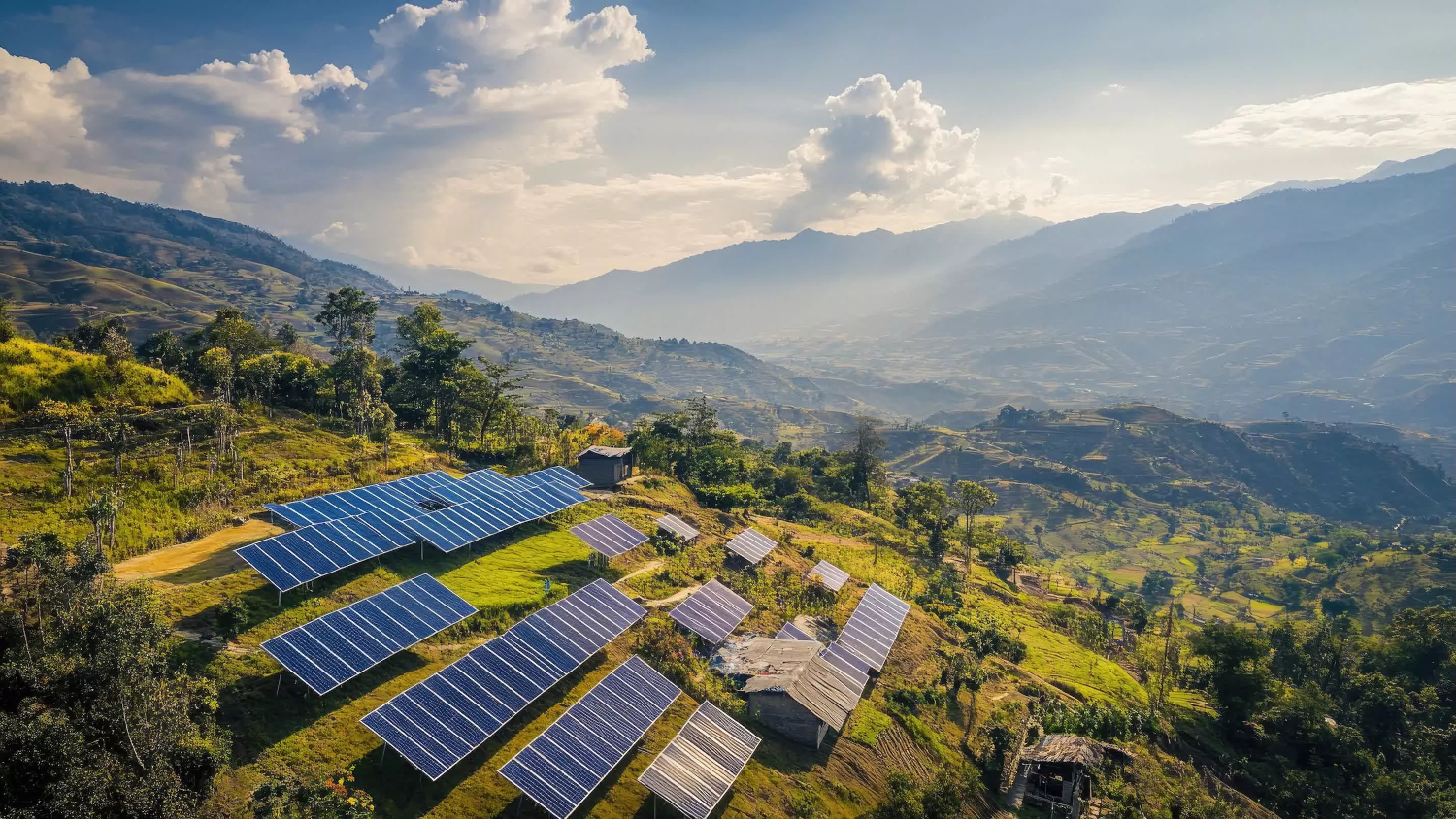
At the turn of the millennium, a single watt of solar generation capacity cost $5 to $6. Today, Chinese-manufactured TOPCon panels sell for around $0.12 per watt, a roughly 50-fold price drop that Ember co-founder Dave Jones has described, according to the Financial Times, as “offensively cheap.”
Hardware is no longer the barrier. The barriers that remain are harder to solve.
Global solar PV capacity reached approximately 1,865 GW by the end of 2024, according to the Energy Institute’s 2025 Statistical Review of World Energy. Nearly 1.2 TW of that total comes from small-scale and rooftop systems, roughly three times the nameplate capacity of the entire global nuclear fleet.
The Manufacturing Machine Behind the Price
China’s production dominance has created persistent global oversupply, pushing module prices to levels that reshape where new solar gets built.
China’s annual solar manufacturing capacity sits at approximately 1.36 TW per year, according to Wood Mackenzie estimates, enough to supply nearly the entire current global installed base in a single year. That level of output keeps module prices pressed toward the floor.
American-made panels still cost above $0.37 per watt before subsidies, more than three times the Chinese spot price. That gap raises pointed questions about supply chain concentration that no tariff schedule has fully resolved.
A Grid Built for One Direction
Ultra-cheap solar has moved from rooftops to factory floors, and the sheer scale of adoption is testing infrastructure designed for a simpler era.
The economics have already reached the factory floor. Bestway Cement’s Chakwal plant in Pakistan runs 26 MW of on-site solar, supplying more than a quarter of the facility’s electricity and cutting power costs by up to 40 percent. General manager Abdul Waheed put it plainly, according to the Financial Times: “It’s the only way we can compete. Our rivals have already gone in this direction.”
Another 6.34 MW is planned before year-end.
Australia shows what happens when adoption scales across millions of households rather than a single industrial site. Rooftop solar now covers 28.3 GW across more than 4.3 million properties, exceeding the country’s remaining coal fleet in nameplate capacity.
Pierluigi Mancarella, chair professor of electrical power systems at the University of Melbourne, warns that cloud formations passing over solar-dense suburbs can cause output to drop at alarming speed. The effect, he told the Financial Times, looks like losing almost a nuclear station.
Grid operators accustomed to managing a handful of large generators now contend with millions of unpredictable micro-sources.
India’s national rooftop subsidy program, launched in February 2024, has already reached more than 5 million homes and is adding roughly 500,000 per month, according to the Financial Times. Tata Power CEO Praveer Sinha calls it “a democratization of the use of electricity.”
South Africa’s Eskom reports that rooftop solar and batteries together accounted for about 7 percent of an 11.7 TWh decline in electricity sales over the year to March.
Who Pays When the Bills Don’t Add Up
As wealthier customers reduce their grid purchases, the fixed costs of running the network increasingly fall on those who cannot afford panels.
Karachi’s K-Electric reports losing Rs30 to Rs40 for every Rs100 spent serving poorer districts like Lyari, where residents reportedly spend more than half their income on electricity. Wealthier customers are cutting grid purchases with rooftop panels, shifting fixed network costs onto a shrinking, poorer customer base.
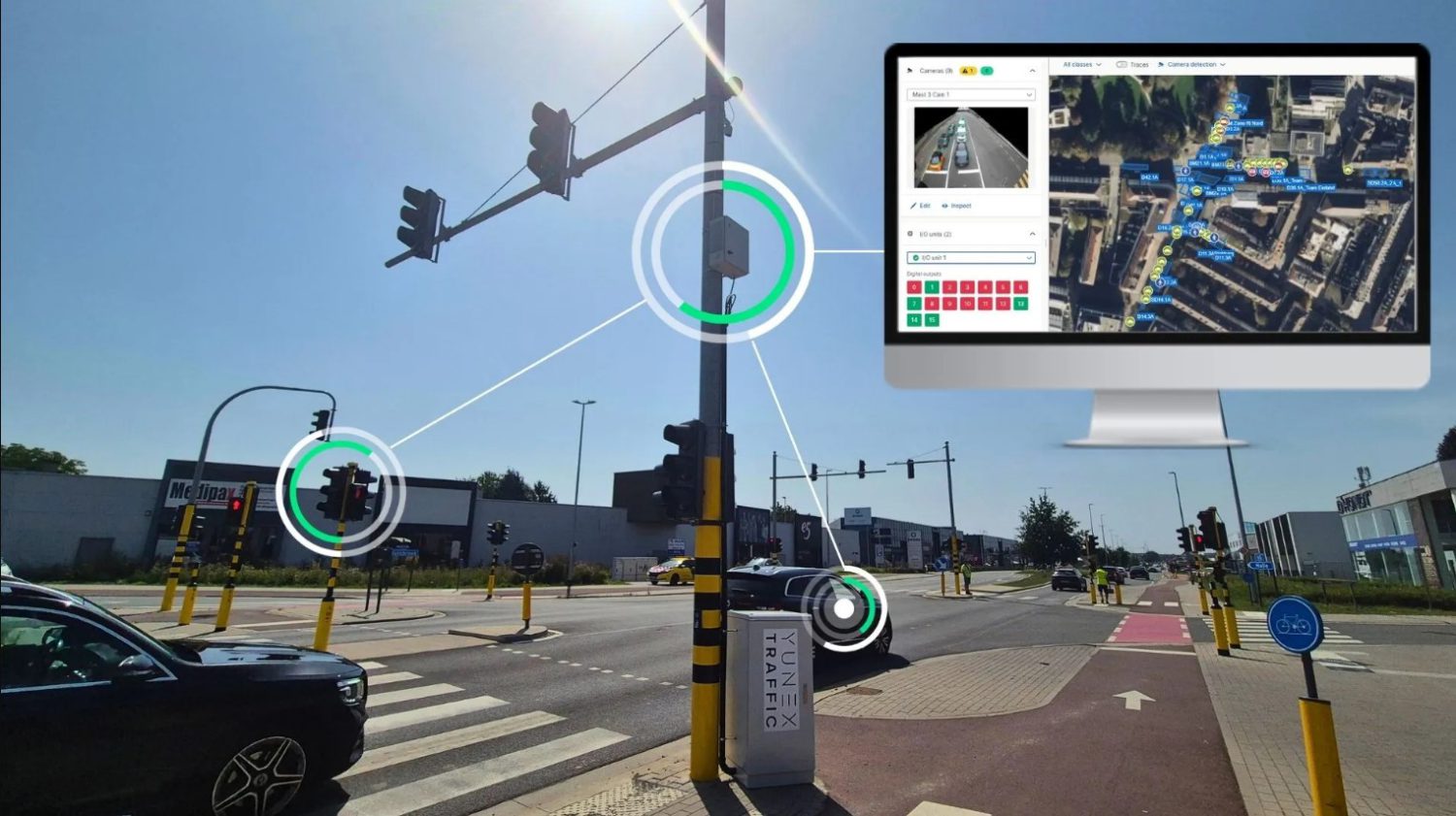
Utilities are responding with data and new pricing tools. Amperon retrains its solar output forecasting models every hour, while UK Power Networks completed a £389,000 machine-learning study to estimate how much rooftop capacity is connected to its network. Time-of-use pricing and dynamic export limits are under active consideration in multiple markets as regulators work to align incentives with system needs.
The panel price problem is solved. What remains is a grid designed for power flowing in one direction, utility business models built on volume, and equity questions that 12-cent silicon cannot answer on its own.