A smartphone from 10 years ago now feels like a museum piece. The rapid churn of innovation ensures that today’s essential tech often becomes tomorrow’s forgotten gadget, usually faster than you can keep up with software updates. Understanding this cycle of obsolescence offers a clearer view of technology’s real value, preventing you from chasing every shiny new upgrade that hits the market. You will learn to spot truly lasting innovations versus fleeting fads. This list unearths those everyday objects, once indispensable, that simply vanished as progress marched on.
15. Videocassette recorder (VCR)
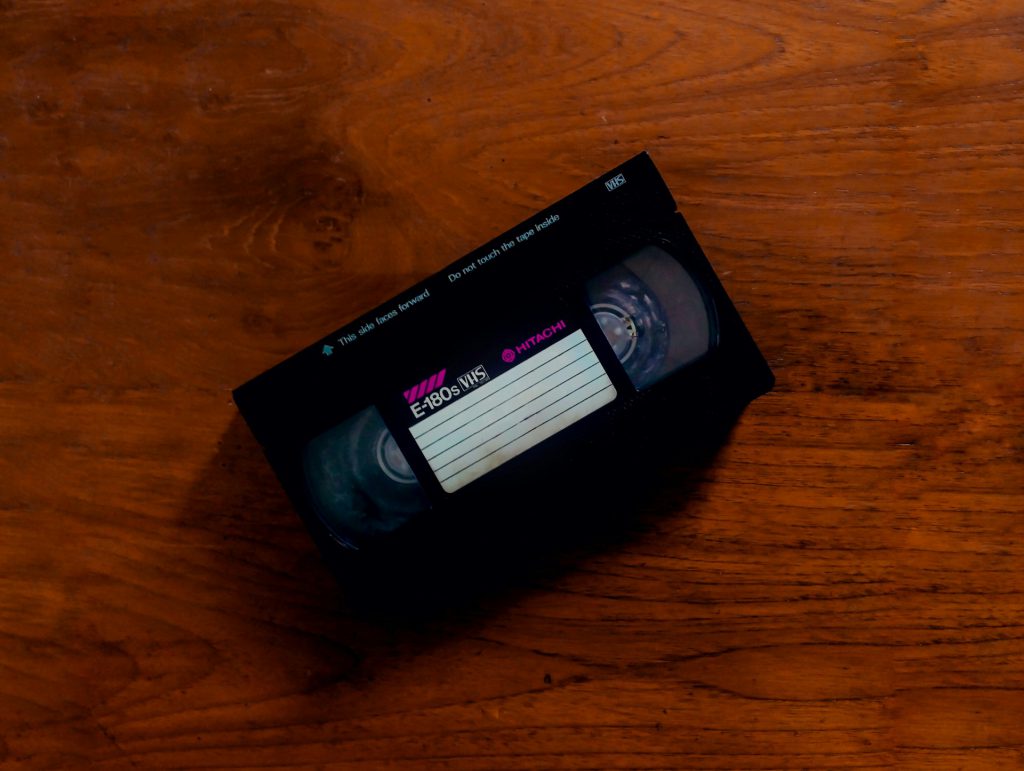
The last manufacturer stopped production in 2016, ending an era of magnetic tape home entertainment.
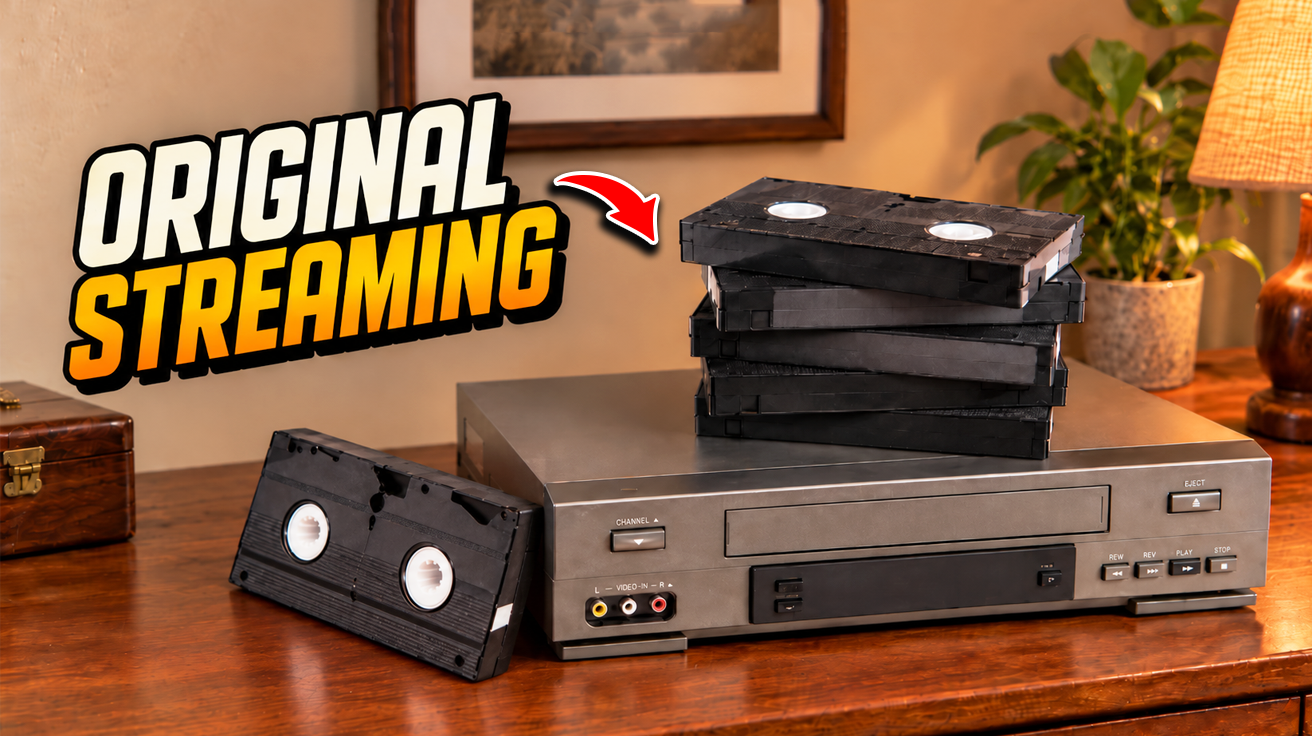
The last major manufacturer, Funai, stopped producing videocassette recorders (VCRs) in 2016, signaling the end for a once-dominant home entertainment staple. These analog devices recorded TV onto magnetic tape, popularizing “time-shifting” by letting you watch programs on your own schedule. The VHS format ruled the 1980s and 1990s, fueling a booming market for pre-recorded tapes and family movie nights.
This clunky, rewind-required tech felt like magic upon arrival. It essentially served as the original streaming service, just with physical media. The VCR’s demise illustrates how fast technology can render established norms obsolete. What was once essential quickly becomes a dusty attic relic.
14. Stainless steel ice cube trays
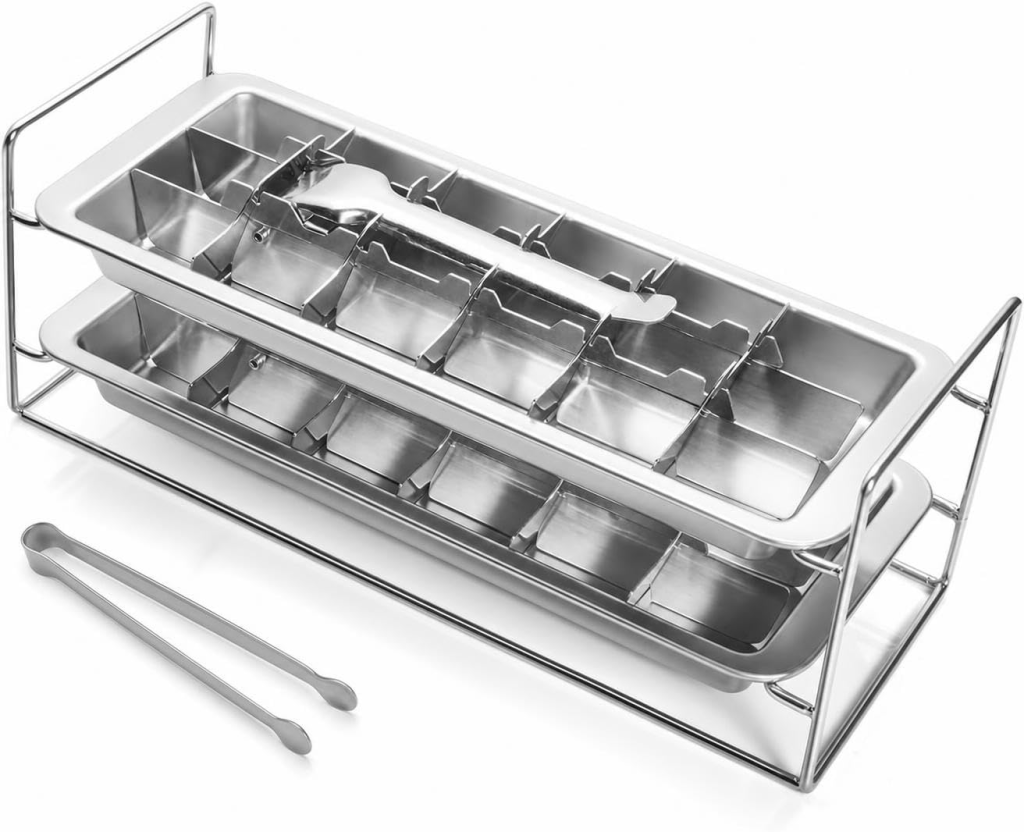
These durable metal trays with lever-release mechanisms outlasted decades of daily kitchen use.
Stainless steel ice cube trays represented a commitment to lasting design, a stark contrast to today’s disposable culture. Crafted from heavy, durable stainless steel, these trays were built to outlast decades of daily use, offering a non-plastic, high-quality, reusable solution long before “eco-friendly” entered everyday vocabulary. Their defining characteristic was the lever mechanism; with a satisfying snap, you could release a tray of perfectly formed cubes.
Sure, they required manual effort, unlike the ice machines that fill every modern fridge. This slight trade-off in convenience, however, cemented their value as truly dependable kitchen workhorses. These robust relics are now often sought after as nostalgic collectibles, a testament to an era where kitchenware meant business and lasted a lifetime.
13. Adding machines
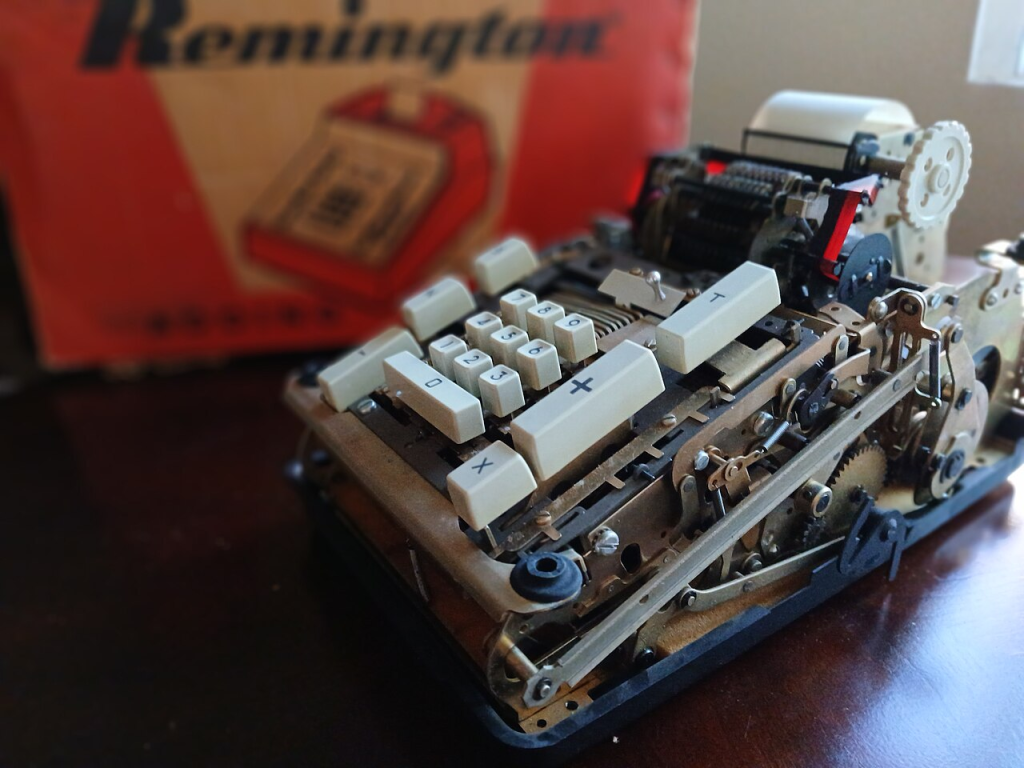
William Burroughs popularized these mechanical calculators in the late 1800s, transforming office efficiency.
William Burroughs was instrumental in popularizing adding machines in the late 1800s, dramatically reshaping office efficiency. These devices served as essential mechanical and electromechanical calculators for all manner of arithmetic and bookkeeping. Banks and accounting departments quickly adopted them, drastically reducing the manual calculation errors that plagued financial records.
Operating one involved a keyed input system, where you pressed numbers before pulling a satisfying mechanical crank. The characteristic clicking keypad and crank sounds filled offices, becoming the soundtrack of productivity. Their reliability transformed business operations, making complex financial tasks manageable.
12. Yellow Pages

The first official classified business directory appeared in Chicago in 1886, organizing services by category.
The concept of the Yellow Pages first appeared in 1883, when a printer in Cheyenne, Wyoming, ran out of white paper and used yellow for a telephone directory. Before smartphones, finding a local plumber or locksmith meant physically opening these thick, classified books. The first official directory debuted in Chicago in 1886, organizing local services by category.
This system was a practical solution for locating any business, requiring you to trace a finger down lists of entries. The Yellow Pages connected people to dentists, dry cleaners, and mechanics. However, the rise of internet search engines and online mapping services sharply reduced their necessity. What was once a household staple is now largely a nostalgic artifact.
11. Flash bulbs
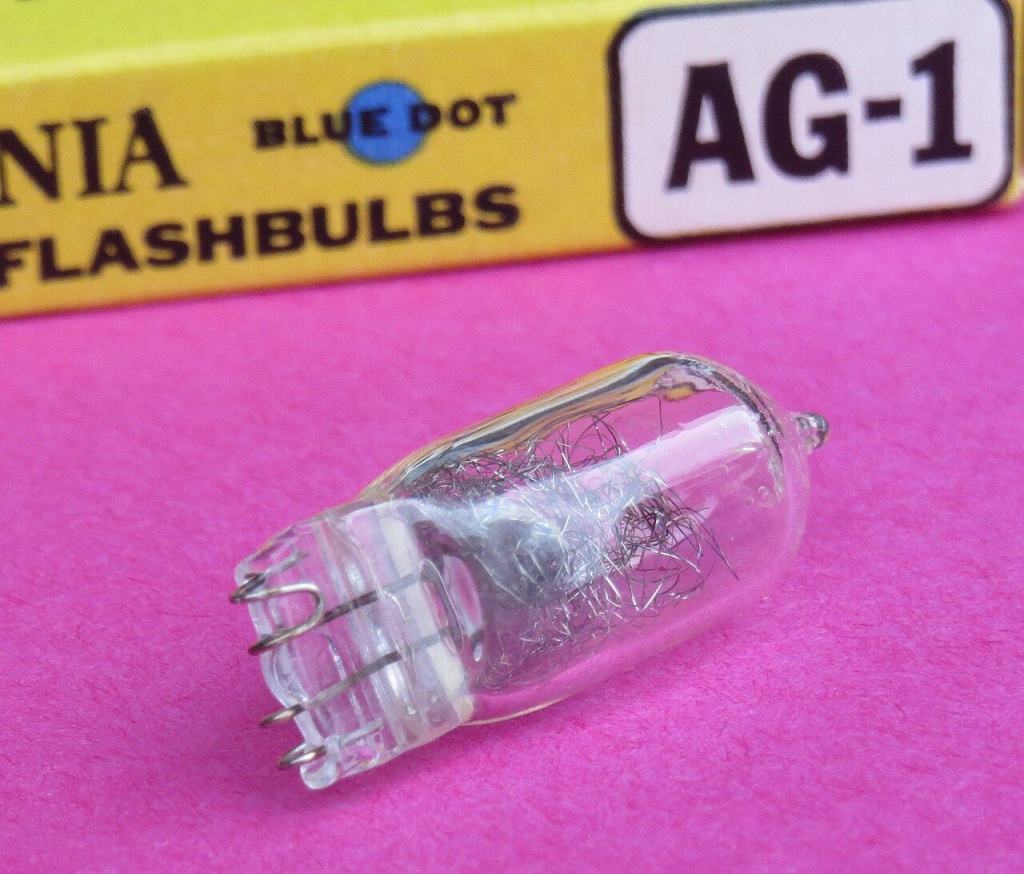
General Electric launched the first successful commercial flash bulb in 1927, enabling practical indoor photography.
Capturing indoor moments or nighttime scenes was once a frustrating gamble for amateur photographers. These single-use light sources, however, completely revolutionized casual picture-taking. General Electric launched the first flash bulb in 1927, turning dimly lit family gatherings into crisp, memorable photos. This made indoor and nighttime photography genuinely practical for families in the 1950s.
The flash bulb’s tenure was bright but brief. You would pop one in, get your shot, then discard the spent bulb. Families would gather, a click, a flash, then the faint smell of burnt magnesium. This single-shot approach gave way to reusable electronic flash units, delivering faster and safer alternatives.
10. Slide rules
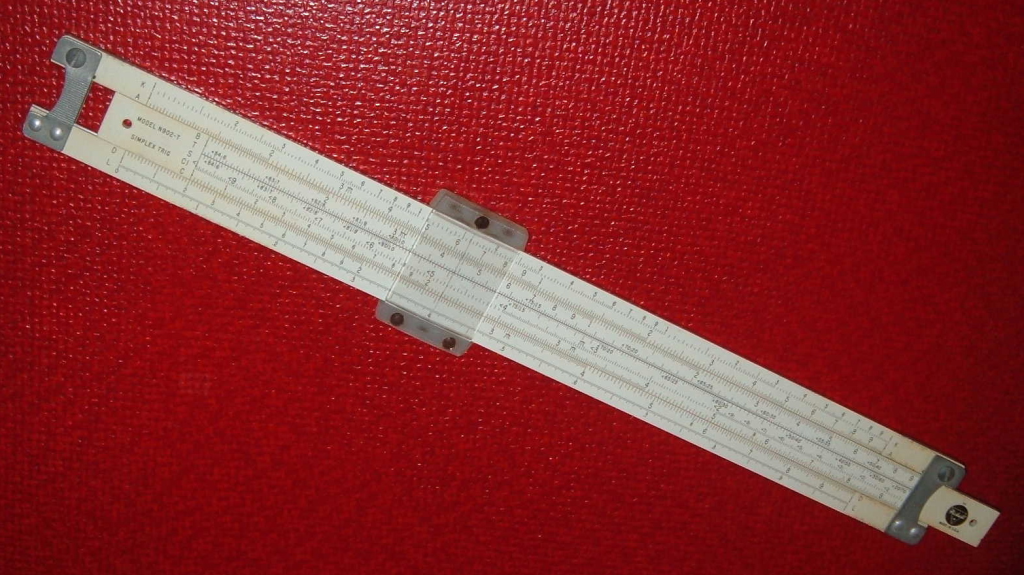
These mechanical analog calculators relied on logarithmic scales to perform complex mathematical operations.
For centuries, before pocket calculators, the slide rule served as the indispensable mechanical analog calculating tool. This device handled multiplication, division, roots, and trigonometry, becoming a vital companion for engineers, scientists, and students throughout the 1960s. Its operation relied on John Napier’s groundbreaking work on logarithms, established in the early 1600s, allowing complex computations with significant speed and accuracy.
Adjusting one required precision; a millimeter off, and your solution was useless. The golden age of these precise instruments ended swiftly in the 1970s, when affordable electronic calculators entered the market. While impressive, you recognize their inherent precision limitations compared to modern digital tools.
9. Personal digital assistant (PDA)
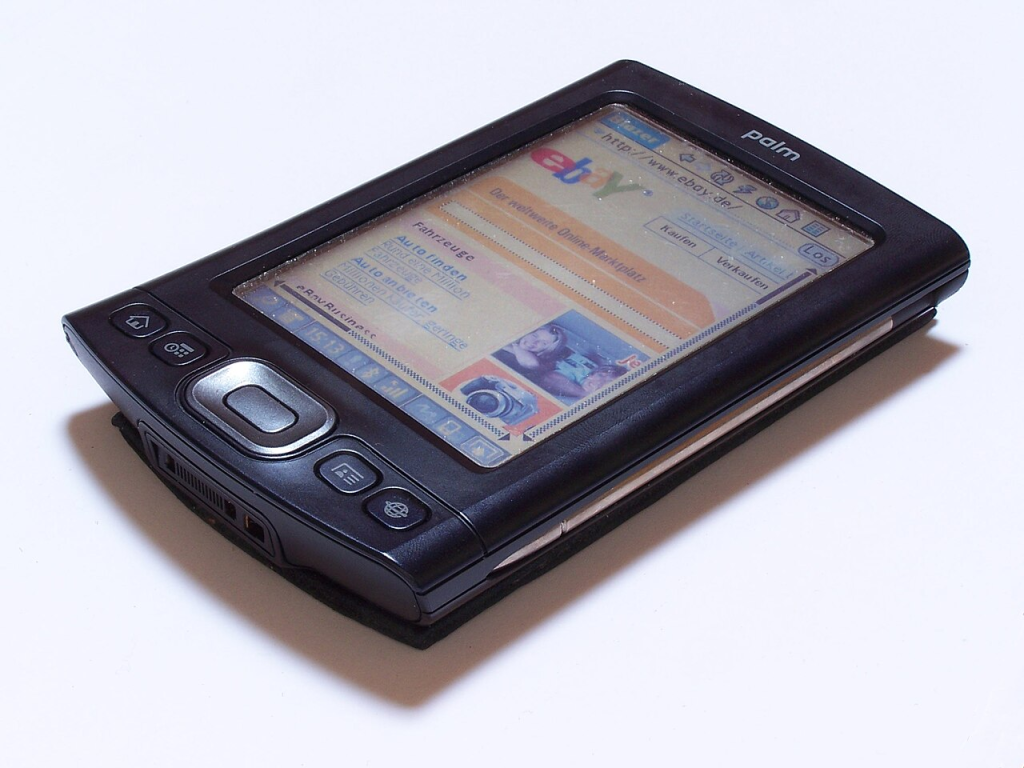
Apple CEO John Sculley popularized the term “Personal Digital Assistant” in 1992 with the Newton.
1992 marked a pivotal moment in mobile computing when Apple CEO John Sculley popularized the “Personal Digital Assistant” term for the Apple Newton, defining a new category of handhelds. These devices offered a digital lifeline, managing calendars, contacts, notes, and crucial to-do lists. Early models empowered professionals to stay organized on the move, a stark contrast to bulky paper planners.
By the early 2000s, PDAs evolved significantly, boasting internet connectivity and responsive touchscreens. They became more than organizers; they were compact portals to a nascent mobile web. This feature set directly paved the way for modern smartphones. Eventually, the full integration of calling, texting, and robust app ecosystems into smartphones rendered the standalone PDA obsolete.
8. Manual lawnmowers

Edwin Beard Budding patented the reel mower in England in 1830, creating a human-powered cutting tool.
Edwin Beard Budding patented the reel mower in England in 1830, introducing a tool of quiet simplicity. This human-powered marvel, with its rotating blades driven by wheel motion, offered a serene alternative to today’s noisy gas engines. You simply pushed it, performing a low-impact workout while providing a satisfying, even cut. It was the original “green” tech, long before environmental concerns were mainstream.
These mowers flourished in 1950s American suburbs, prized for their zero fuel costs and minimal upkeep. They demanded no gas or electricity, just your effort. While modern convenience shifted favor to gas models, these silent workhorses still appeal for small lawns, providing a precise trim.
7. CRT television
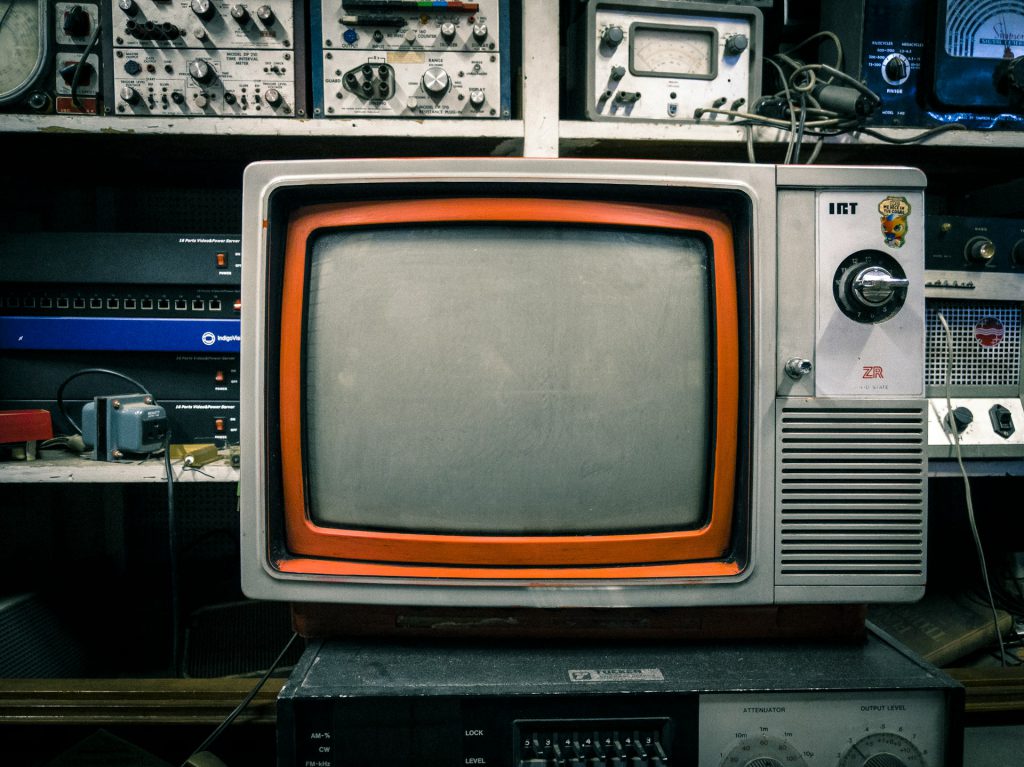
Karl Ferdinand Braun’s invention of the cathode ray tube in 1897 defined visual media for much of the 20th century.
Karl Ferdinand Braun’s invention of the cathode ray tube in 1897 defined visual media for much of the 20th century. This core technology directed electron beams onto a phosphor-coated screen, forming images. CRTs dominated television and computer displays, but their notorious bulk came from the heavy, thick glass containing the vacuum.
Post-World War II, CRTs became household staples. The 1950s brought color TV, though black and white sets were cheaper, often creating a collective viewing experience. Their reign concluded in the mid-2000s. Flat-panel LCD, plasma, and OLED displays quickly arrived, making CRTs as obsolete as rotary phones.
6. Automobile window wing vents
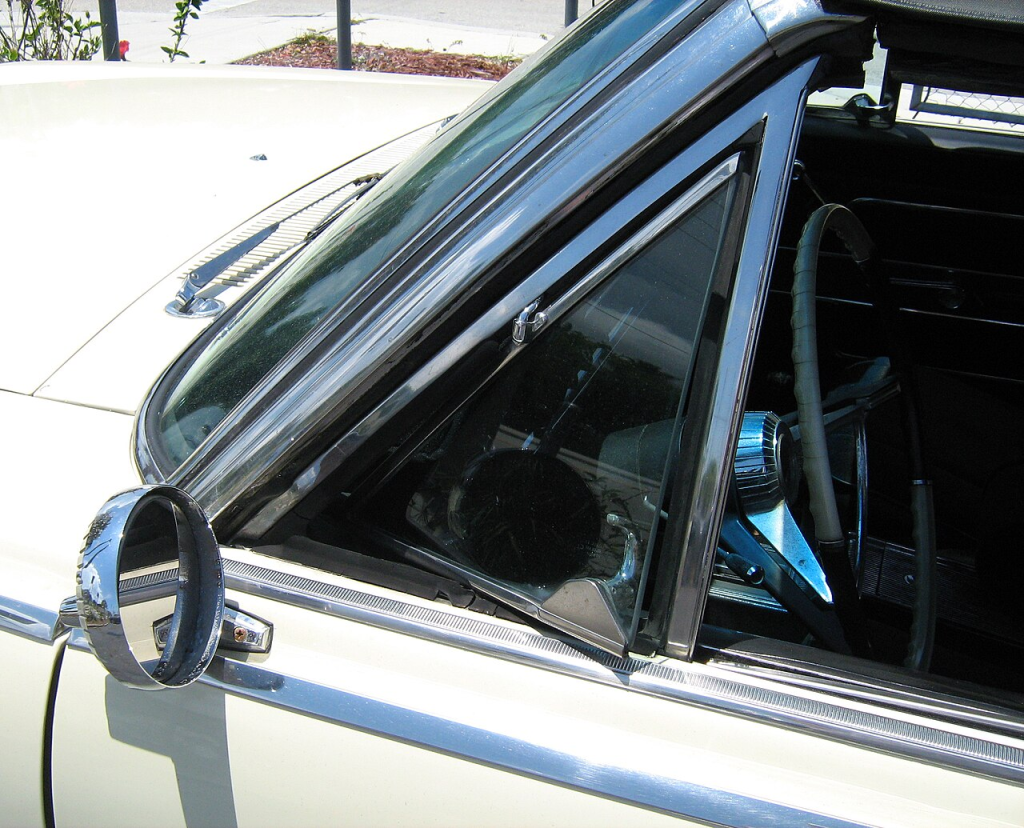
Small triangular front-door windows provided crucial passive ventilation from the 1930s through the 1950s.
The summer heat in pre-air-conditioned cars was a brutal reality from the 1930s through the 1950s. Commutes often felt like a slow bake. Vehicle manufacturers offered a pragmatic solution: small, triangular front-door windows, known as wing vents. These manually adjusted vents provided crucial passive ventilation. Drivers angled them to catch the breeze, directing a cooling airflow into the cabin for relief.
Anyone who has ever tried to cool a car with all windows down knows that particular struggle. The wing vent offered controlled airflow, an elegant piece of engineering. You adjusted it with a flick of the wrist for the perfect breeze. However, as factory air conditioning became standard in vehicles by the late 1960s, these adjustable windows disappeared.
5. Pagers / beepers
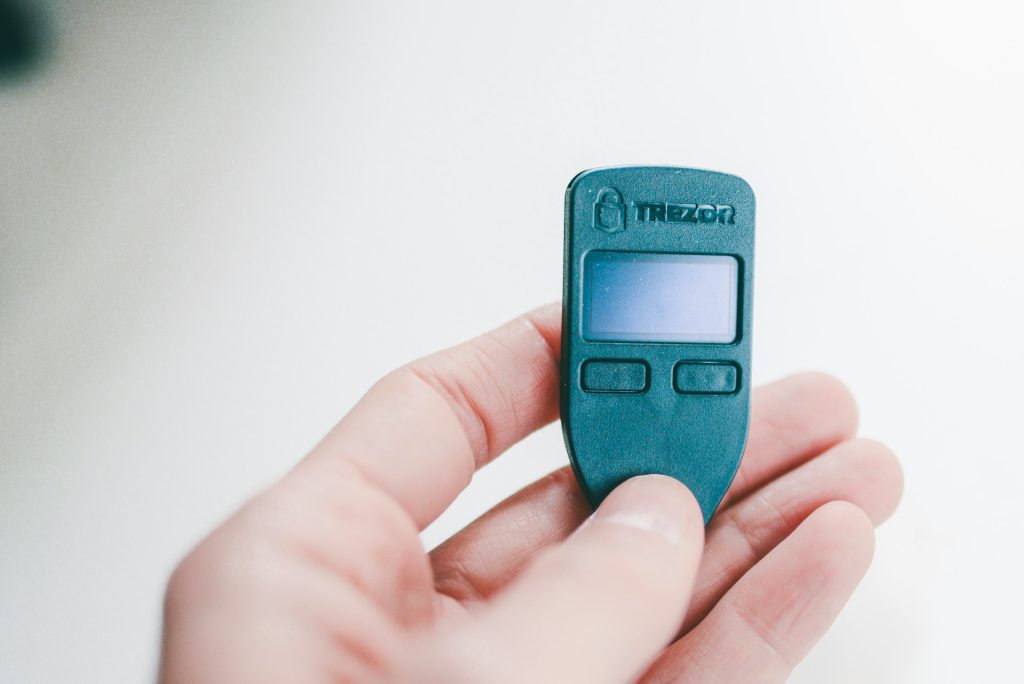
Small wireless communication devices were critical for doctors and emergency workers in the 1980s and 1990s.
In the 1980s and 1990s, these small wireless communication devices, often no larger than a deck of cards, were critical for anyone needing instant, urgent contact. Doctors, emergency workers, and other on-call professionals relied on them for essential numeric or brief text alerts, serving as the original urgent notification system before smartphones.
When a critical alert came in, you heard a sharp beep or felt a distinct vibration, demanding immediate attention. For a doctor leaving a restaurant, that meant ditching dinner to find a nearby telephone and call back, every single time. By the mid-2000s, cell phones and texting largely rendered pagers obsolete, yet these dependable communicators still hold their ground in specialized settings, like certain hospital environments.
4. Punch cards and key punch machines
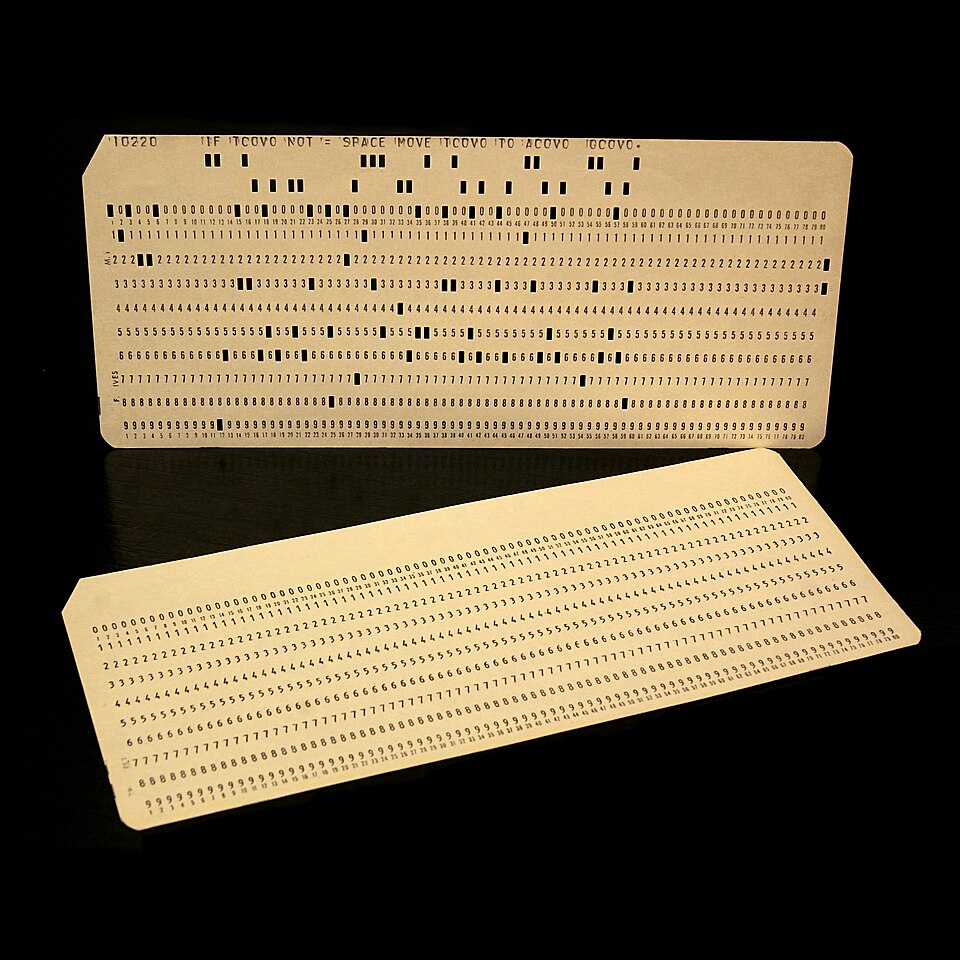
Stiff paper cards with punched holes stored data and program instructions for mid-20th-century computing.
Punch cards once served as the backbone of early computing, storing data and program instructions through a precise pattern of punched holes on stiff paper. These physical artifacts were central to data processing, especially in government, business, and scientific work during the mid-20th century. Operators used key punch machines, notably produced by IBM and popular throughout the 1950s, to meticulously translate typed data into these specific hole configurations.
Each card typically followed an 80-column standard, where each column encoded information. The process was exacting; a single dropped stack of cards could instantly transform a carefully assembled program into an unusable mess. This labor-intensive method quickly became a relic. Magnetic storage and digital files offered vastly more robust and efficient ways to handle data.
3. Portable phonographs
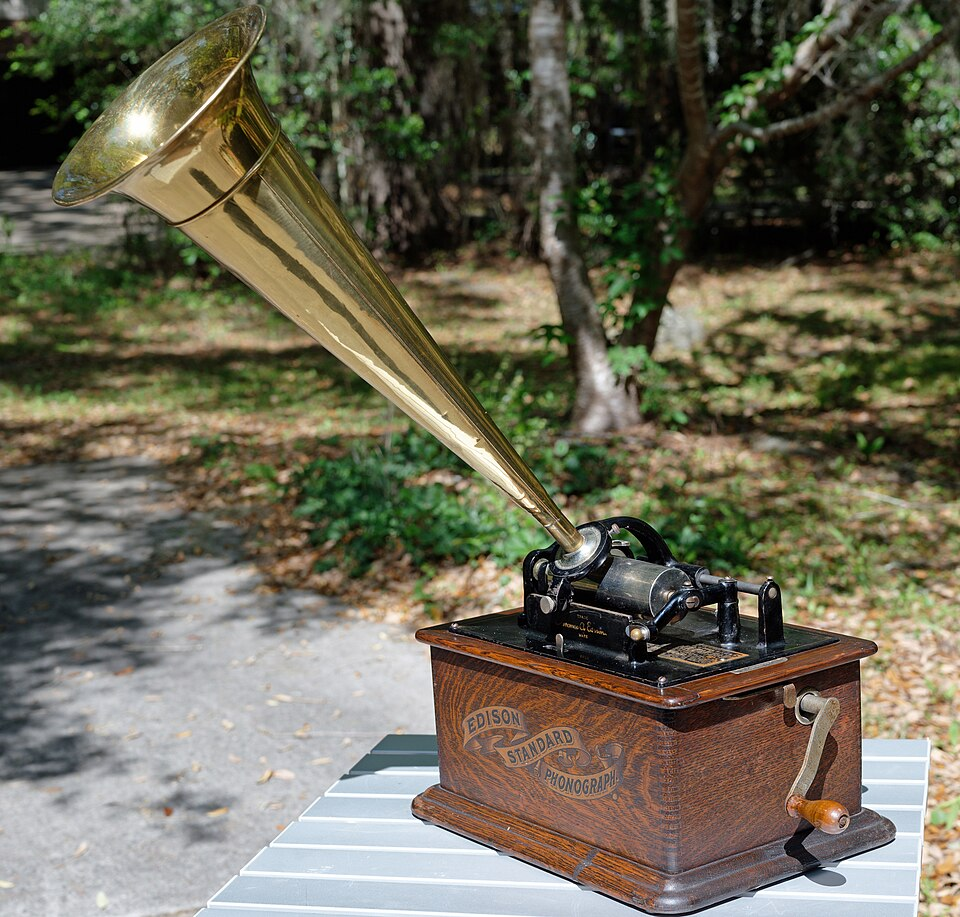
Hand-cranked record players popular from the 1930s brought music beyond the living room.
The distinct crackle of a stylus hitting vinyl once signaled the start of any outdoor party, a soundtrack as essential as sunshine. These early portable phonographs, popular from the 1930s, were the original boomboxes, designed to bring music beyond the living room. You had to hand-crank them to power the turntable and fill the air with tunes amplified by a built-in horn speaker.
Before streaming playlists or even cassette players, these devices created communal musical experiences, demanding shared effort and attention. Friends would gather around, taking turns winding the spring, a ritual almost as important as the music itself. While eventually superseded by the convenience of radios and then digital audio, the portable phonograph offered a tangible form of mobile entertainment.
2. Coal furnaces

These hulking systems burned coal to warm houses through ducts or radiators before oil and gas heating.
Coal furnaces served as a major home heating method in the early 20th century, requiring constant human interaction. These hulking systems, often dubbed “octopus furnaces” due to their sprawling ductwork, warmed houses by burning coal. You spent cold winter nights tending the fire, shoveling coal, and wrestling with ash removal. Maintaining consistent heat meant homeowners routinely descended into the cellar.
Coal furnaces heated homes into the first decades of the 20th century before being replaced during the pre–World War II period by oil or electricity for heating. This rendered coal furnaces obsolete, offering cleaner and easier alternatives.
1. Dial-up internet access
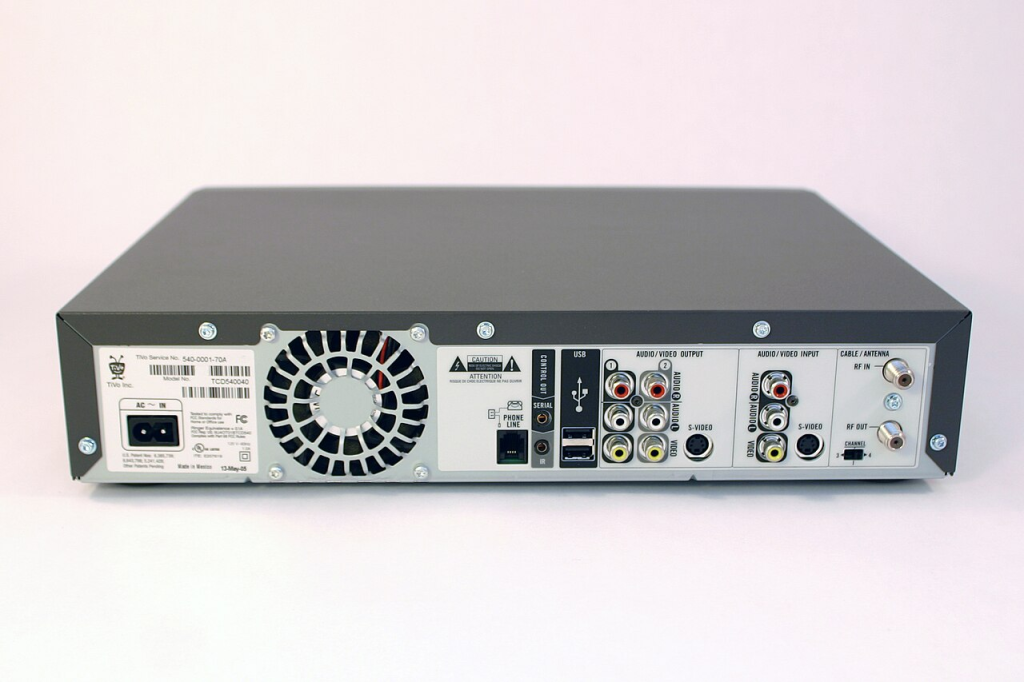
Modems connecting over telephone networks topped out at 56 kilobits per second in the 1990s.
Internet access in the 1990s was a test of patience, often topping out at 56 kilobits per second. Connecting via dial-up through the Public Switched Telephone Network, or PSTN, meant enduring the modem’s characteristic screeching handshake, a symphony of whirs and static as digital data converted to audio signals. This was the soundtrack to logging on, and it invariably tied up your home phone line.
Anyone waiting for a single webpage image to slowly pixelate understood true digital purgatory. Broadband connections like DSL and cable eventually offered speeds that felt like lightspeed by comparison, rendering dial-up an almost immediate relic of a bygone era.