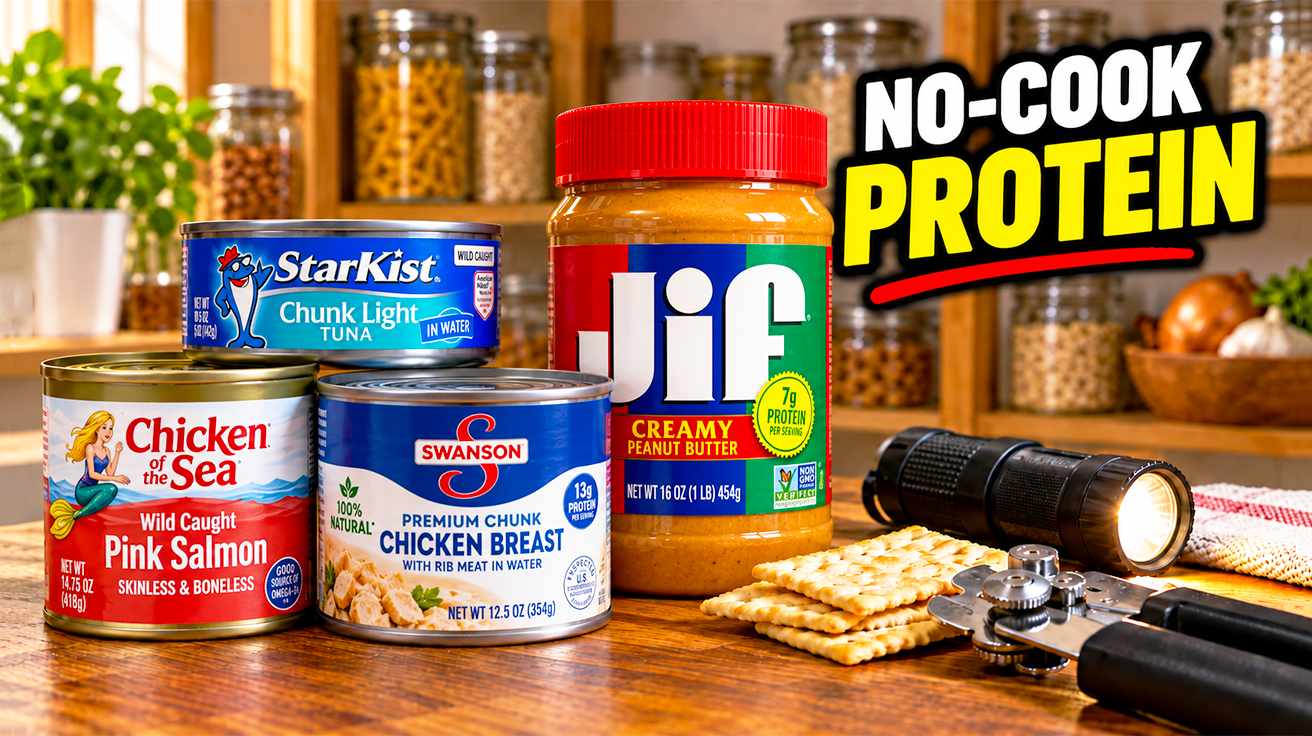
Supply chain experts note that regional conflicts or natural disasters can disrupt food distribution rapidly, often leaving shelves empty within days. Building a resilient food supply isn’t just for doomsday preppers; it’s smart planning for any unexpected hiccup. This list highlights items that deliver maximum nutritional density and surprising versatility, chosen for their strategic value when normal grocery runs become impossible. These staples won’t just keep you fed—they’ll keep you fed well.
15. Cooking Oil
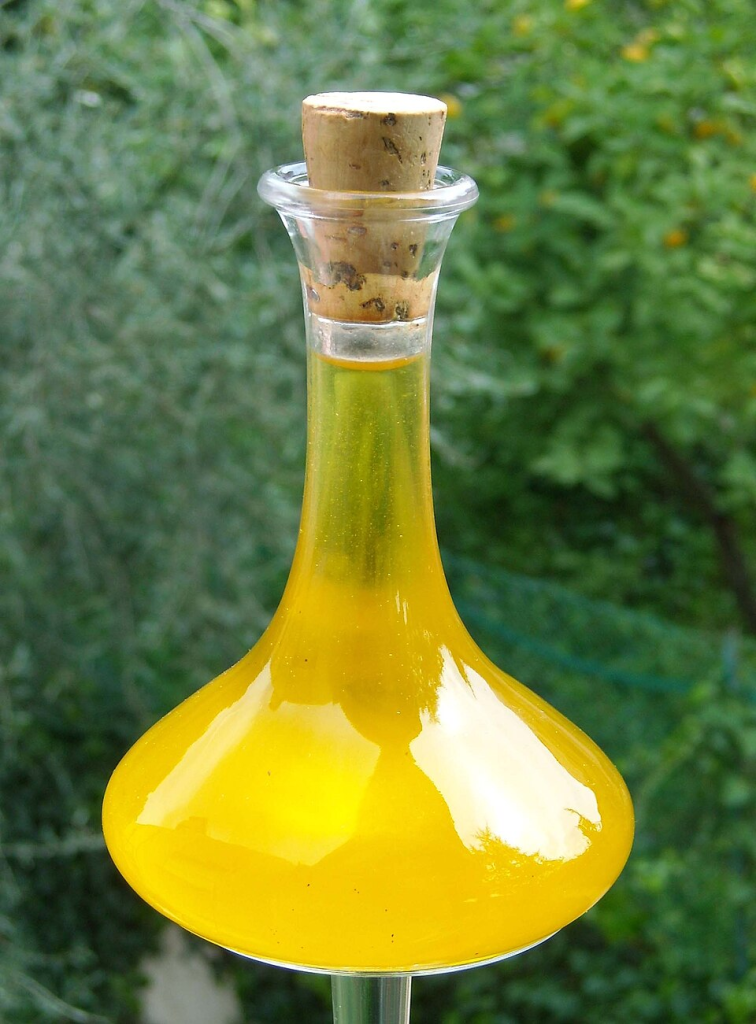
Essential fat that unlocks vitamin absorption and powers your body through lean times.
Fat delivers 9 calories per gram, more than double carbohydrates or protein, which each provide 4 calories per gram. This energy density makes it essential for survival situations where calorie intake becomes limited. Your body relies on dietary fat to absorb crucial fat-soluble vitamins A, D, E, and K, effectively unlocking key metabolic processes that keep you functioning.
Beyond nutrients, oil transforms dry, otherwise bland foods into something palatable. Global supply chains make oil volatile; Ukrainian sunflower oil exports face constant disruption, and Canadian canola crops grapple with unpredictable weather that impacts prices. Rotation matters because oil goes rancid over time, turning nutritional benefits into bitter regret.
Aim for 4-6 bottles in your pantry. Store them cool and dark to maximize shelf life, which typically runs 6-12 months at room temperature for best quality. Without adequate dietary fat, a food supply is nutritionally incomplete.
14. Dried Pasta
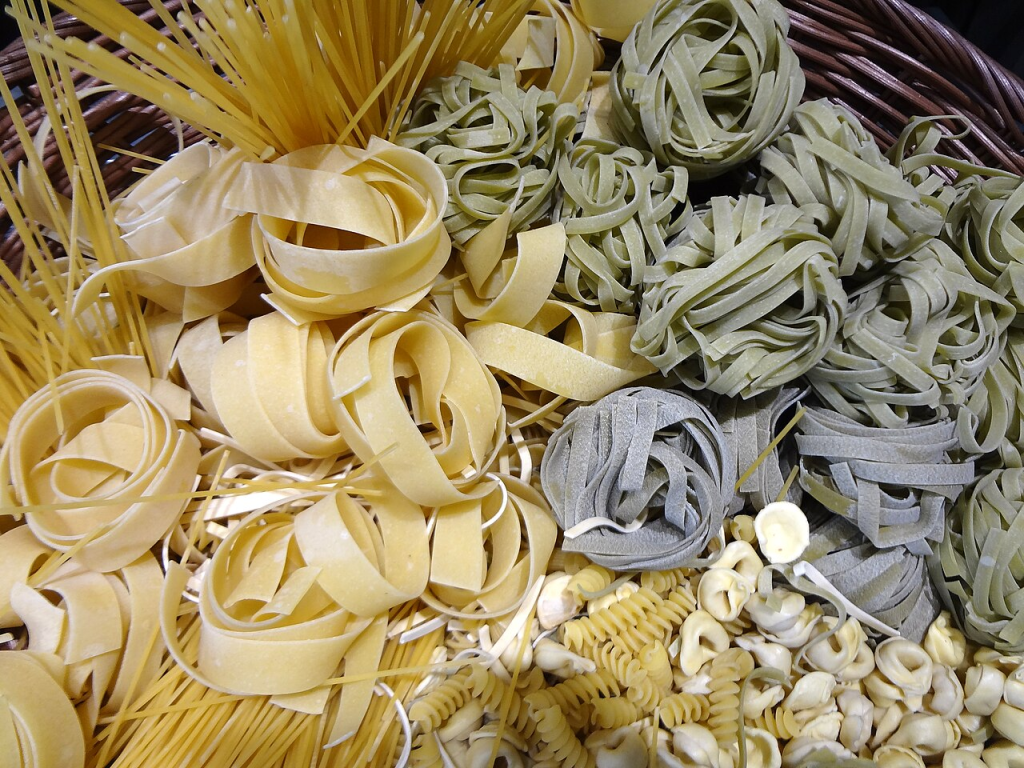
A pound of pasta packs 1,600+ calories and requires nothing more than boiling water.
A single pound of dried pasta delivers around 1,683 calories, making it an undisputed energy powerhouse for any emergency stash. Priced at just $1-2 per pound, it requires almost no skill or equipment—just a pot and heat. Durum wheat for pasta is heavily grown in drought-sensitive North Dakota and Montana, where one bad harvest directly impacts your grocery bill.
Shelf life runs 2-3 years in original packaging at good quality. Sealed in Mylar bags with oxygen absorbers, pasta can last decades when stored properly. Finding low-cost options now takes effort; they vanish from shelves during any hint of shortage.
Aim for 15-20 lbs minimum; spaghetti and penne are space-saving winners. This familiar food offers crucial psychological comfort, a culinary constant in unpredictable times that feels like home even when nothing else does.
13. Powdered Milk
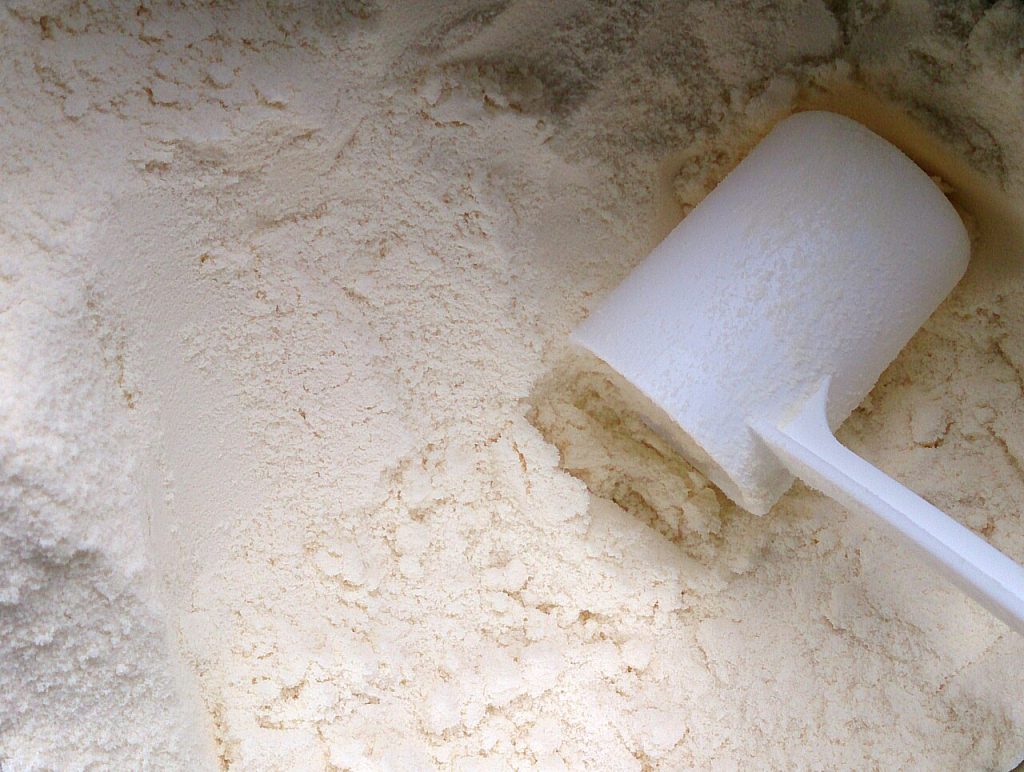
Decades-long shelf life meets complete nutrition in a single reconstituted cup.
Fresh milk’s shelf life is measured in days, making it one of the first items to disappear during disruptions. Nonfat dry milk in nitrogen-sealed #10 cans solves this problem with a 20-25 year unopened shelf life. A single cup reconstituted delivers roughly 80 calories and 8 g of protein, crucial for maintaining energy when fresh options vanish.
Beyond basic hydration, nonfat dry milk provides close to 30% of your daily recommended calcium intake per cup when reconstituted. Children’s bone development depends on this mineral, and adults need it for muscle function and nerve signaling.
Powdered milk also expands your cooking range significantly, becoming essential for everything from bread dough and pancake batter to creamy soups. Store 2-3 large containers sealed and away from moisture, turning a perishable necessity into an indispensable pantry staple.
12. All-Purpose Flour
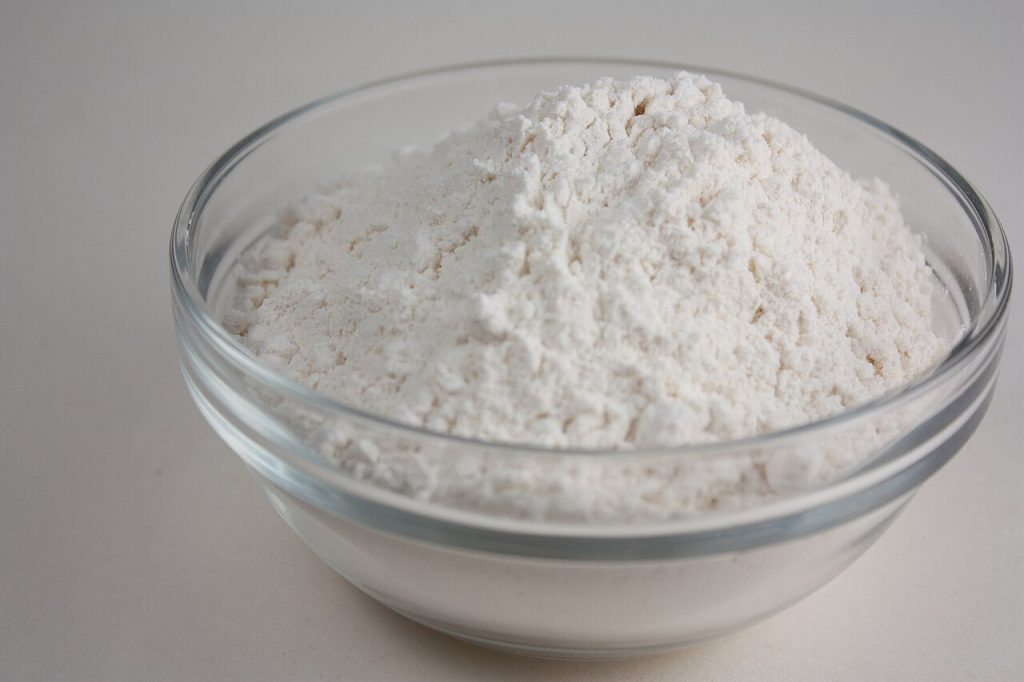
The Black Sea supplies 25-30% of global wheat exports, making your flour bag a geopolitical chess piece.
The Black Sea region supplies roughly 25-30% of global wheat exports, making all-purpose flour a geopolitical linchpin rather than a simple ingredient. With just flour, water, salt, and heat, you can create basic sustenance like bread, flatbreads, and tortillas—a fundamental shift in self-reliance during challenging times.
Standard all-purpose flour lasts about 6-8 months in its paper bag at room temperature. Sealed properly in Mylar with oxygen absorbers, shelf life extends to 5-10+ years, with some long-term storage guides claiming up to 20-30 years under ideal conditions. A 5 lb bag often costs $3-4, providing cheap calories and versatility.
Store 20-30 lbs in sealed containers. White flour outlasts whole wheat because the bran and germ oils that go rancid have been removed. Learning a few simple no-yeast recipes empowers you to bake from scratch, which changes the entire perception of a difficult situation.
11. Canned Chicken
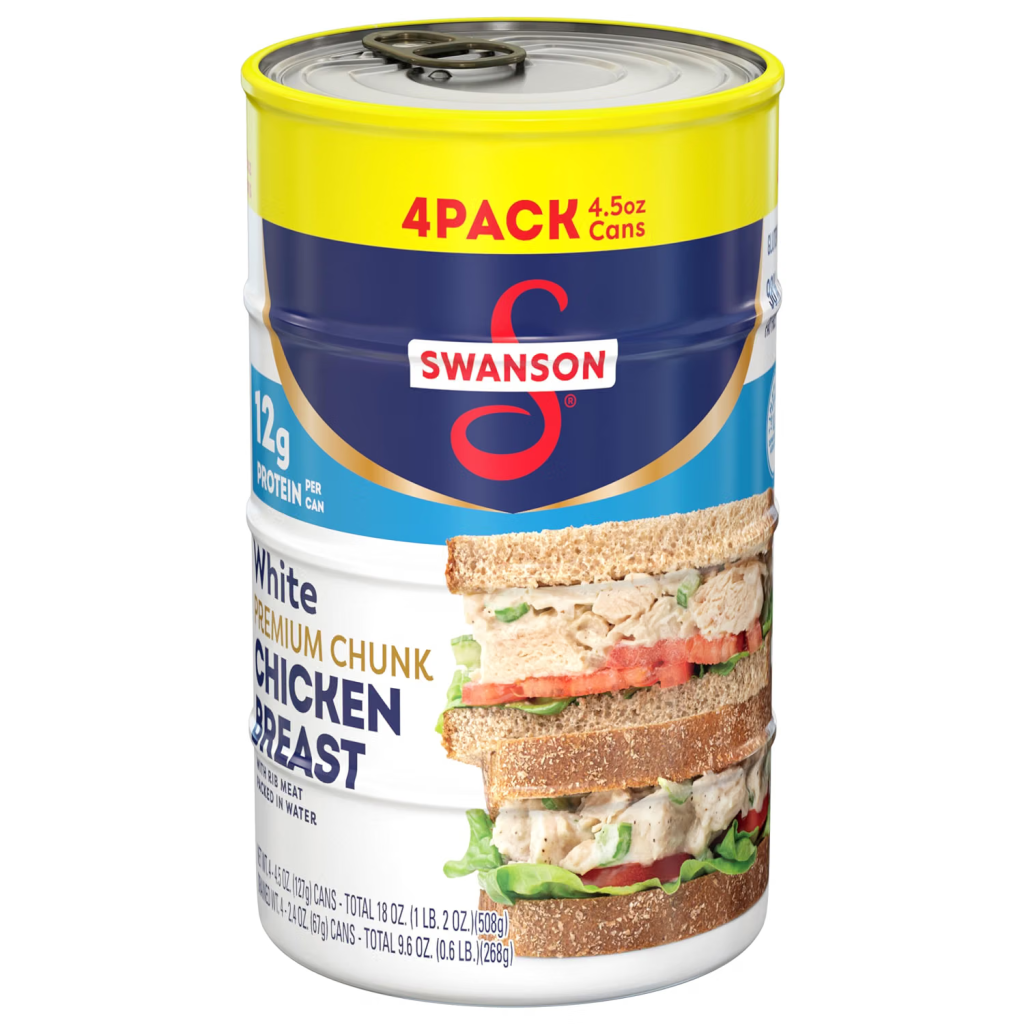
Fully cooked protein you can eat straight from the can when the power goes out.
When the grid goes sideways, canned chicken becomes a quick, no-fuss protein source requiring nothing more than a can opener. Fully cooked commercial canned chicken offers approximately 25 g of protein per 100 g (roughly 20-26 g per half-cup serving), ready for immediate consumption. Shelf life extends to about 5 years unopened in a cool, dry pantry.
Recent avian influenza outbreaks active since 2023 have thinned commercial flock sizes, reducing buffer production and potentially impacting future availability. Typically costing around $3-4 per can, or less in bulk, it’s an economical way to secure vital nutrients without refrigeration.
Aim for 12-20 cans in your stores and rotate them regularly by using oldest first. Under sustained stress, robust protein intake is indispensable for maintaining both cognitive function and physical capacity, preventing the brain fog that makes tough situations worse.
10. Canned Tomatoes
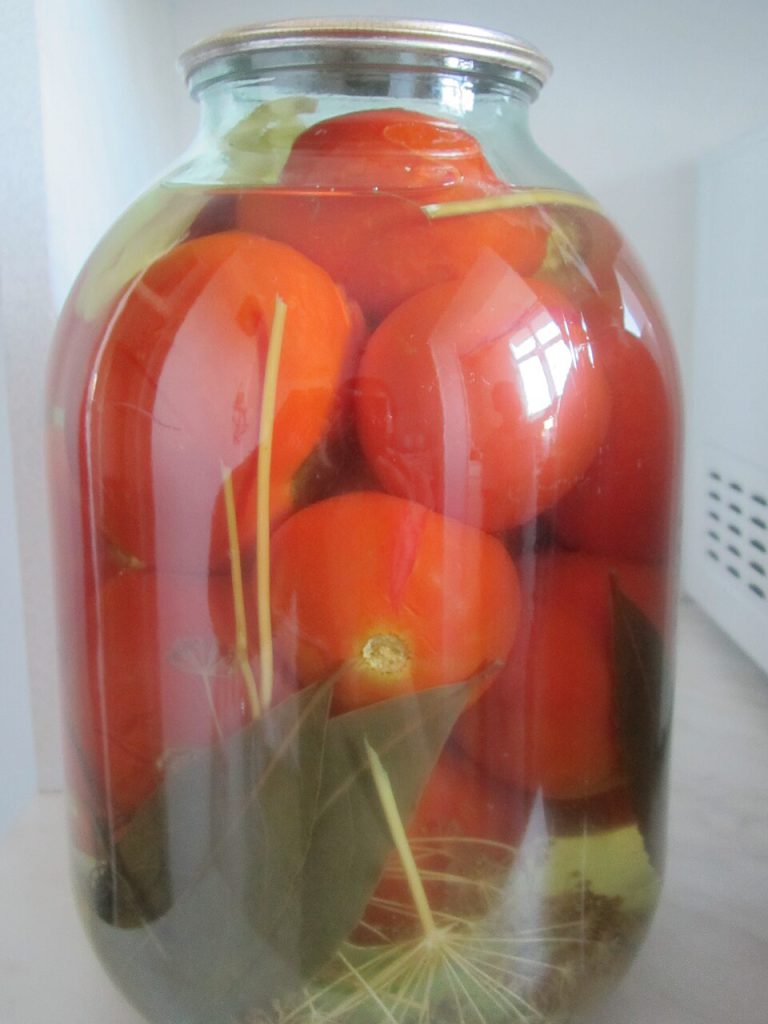
Lycopene-rich staples that transform bland survival rations into actual meals.
Canned tomatoes transcend mere nutrition; they serve a crucial psychological role in making repetitive emergency meals bearable. These versatile staples transform simple ingredients into recognizable comfort food, forming the base for soups, stews, and pasta sauces. They deliver acidity, depth, and flavor complexity that turns bland into palatable.
Canned tomatoes are rich in lycopene, providing thousands of micrograms per serving—over 7,000 mcg per cup of canned tomatoes. They also supply vitamin C, vitamin A, potassium, and fiber. A typical half-cup serving of crushed canned tomatoes has about 39 calories, 2 g protein, and significant lycopene and vitamin C.
The domestic supply is heavily concentrated in California’s Central Valley, a region that regularly faces water availability challenges impacting yields. Plan to stock 20-30 cans in diced, crushed, and paste formats. Tomato paste concentrates enormous flavor into minimal volume, and variety helps combat menu fatigue during extended shortages.
9. Peanut Butter
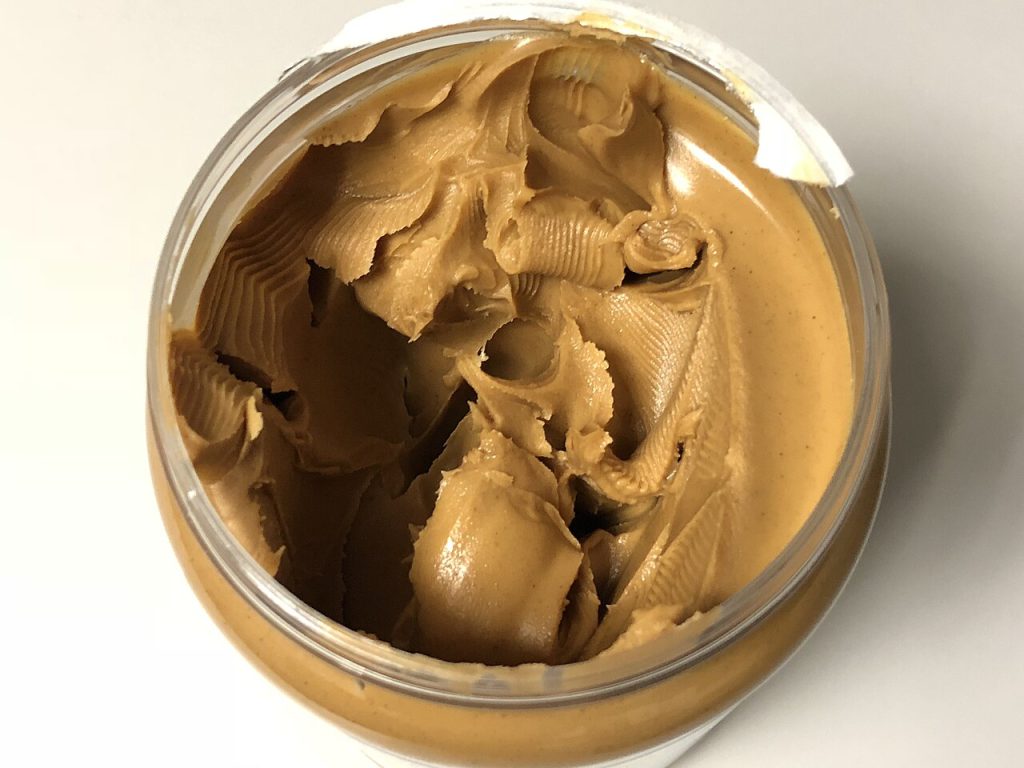
Energy-dense protein you can eat straight from the jar when cooking isn’t an option.
This pantry staple is a formidable emergency food, offering calorie-dense, protein-rich nutrition with zero preparation required. You can eat it straight from the jar, making it ideal when power is out or cooking isn’t an option. Just 2 tablespoons deliver approximately 188-200 calories and 7-8 g of protein, providing substantial energy when it matters most.
Peanut butter boasts a remarkable shelf life, lasting 6-24 months unopened in a cool pantry depending on type. Once opened, it remains good for 2-3 months at room temperature or up to 6-12 months when refrigerated. Peanut crops grown largely in the southern U.S. are notoriously sensitive to drought, which directly impacts yields and retail costs.
Store brands often perform just as well as premium options while saving money. Stock 5-8 jars sealed in a cool, dark spot to ensure you have both essential calories and comforting familiarity during difficult times. Drought and erratic weather in key growing regions have contributed to price volatility since the early 2020s.
8. Salt
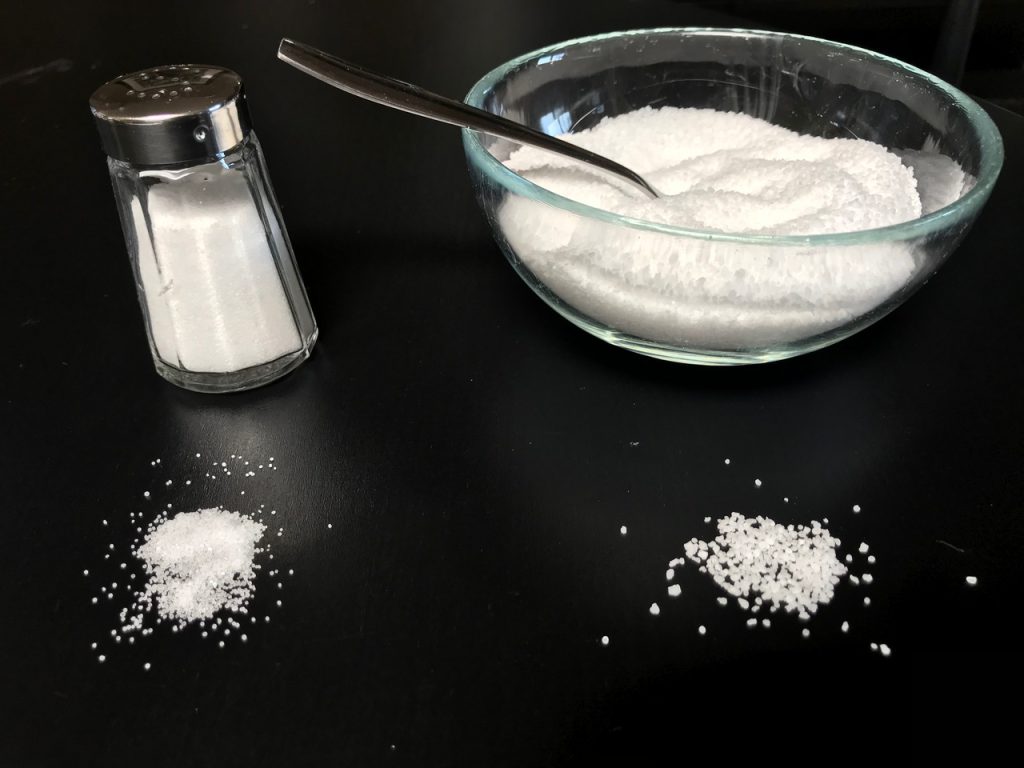
The mineral that preserved civilizations before refrigeration existed.
Plain table salt is a mineral that does not expire. Sodium facilitates fluid regulation, nerve signal transmission, and muscle function within your body; medical references note that sodium in blood and extracellular fluid is critical for normal hydration, blood volume, blood pressure, and proper nerve and muscle performance. Taking it for granted is easy until scarcity makes you realize your cells demand it.
Historically, salt served as a primary preservation technology for curing, brining, and pickling, extending food shelf life for weeks or months through osmosis that dehydrates bacteria and fungi. Pure sodium chloride is chemically stable and microbiologically inert; as long as it remains dry and uncontaminated, it stays safe indefinitely.
Iodized salt has added iodine to prevent deficiency. Iodine content gradually degrades over years with exposure to moisture and light, so manufacturers usually print a best-by date of about 5 years. Even after that date, the salt itself is still safe to eat—only its iodine potency declines. Storing 10-15 lbs dry ensures you are fundamentally better positioned than those without during any shortage.
7. Rolled Oats
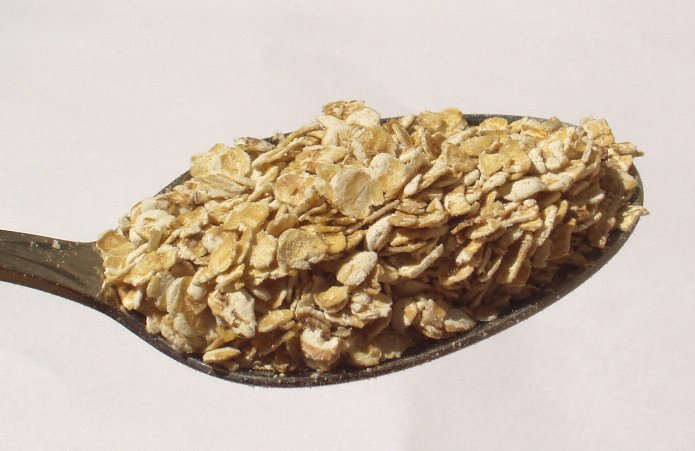
Beta-glucan fiber and complete nutrition for roughly 20 cents per meal.
One cup (approximately 80-81 g) of dry rolled oats delivers about 266-307 calories, 10-11 g of protein, and 8-10 g of dietary fiber. Their familiarity and low cost mask immense value. Packed with beta-glucan soluble fiber, oats have an FDA-recognized role in lowering LDL cholesterol and supporting heart health; typical half-cup dry rolled oats provide roughly 4 g fiber and 2.6 g beta-glucan.
A large canister costs $4-6, providing around 30 servings at roughly 20 cents per meal. Beyond their low price, rolled oats offer incredible longevity. Stored in sealed containers with oxygen absorbers, guidance commonly states 8-12 years of quality retention, with some preparedness sources claiming 20-25 years for properly sealed oats at cool temperatures.
Oats are typically grown in Canada and northern U.S. plains, making yields sensitive to harsh winters and growing-season weather. They’re also versatile; grind them into flour, use as a thickener, or soak them cold overnight. This ensures exceptional nutritional value and cost-effectiveness that stretches for months.
6. Apple Cider Vinegar
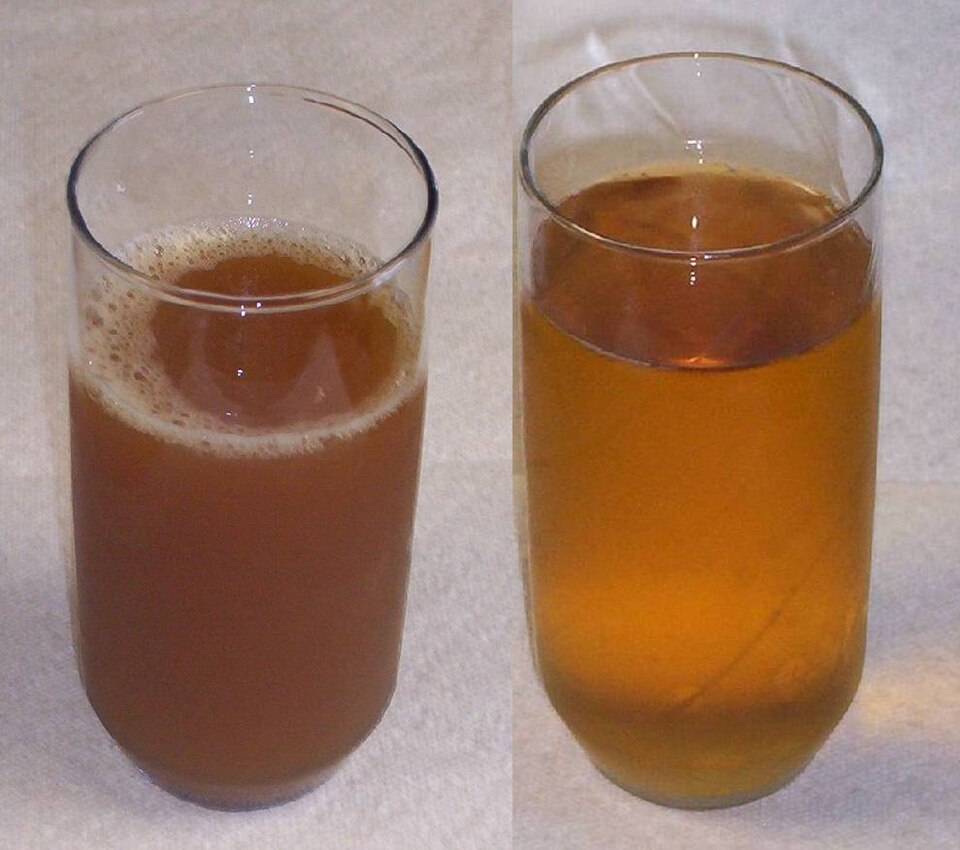
The indefinitely stable preservative that also cleans, heals, and brightens bland beans.
Apple cider vinegar’s inherent acidity—roughly 4% acetic acid—gives it antimicrobial properties and makes it effectively self-preserving. Food and health references state that properly stored vinegar generally never sours or expires and remains safe to use well beyond labeled dates. Many manufacturers include best-by dates of 2-5 years mainly as quality indicators; unopened ACV can last indefinitely, and opened ACV is best within about 2 years for peak flavor but stays safe longer if stored cool and dark.
ACV acts as a powerful preservative for pickling, extending fresh vegetable life from days to weeks, and serves as an effective household cleaning agent due to its acidity and antimicrobial effects. Beyond utility, it’s widely used as a flavor additive to brighten dishes like beans and grains—a role that becomes more important in low-variety emergency diets.
Raw varieties contain the “mother,” a colony of beneficial bacteria and yeast formed during fermentation that appears as cloudy strands or sediment. This marks raw, unfiltered vinegar, not spoilage. Store at least one gallon in a cool, dark place; this versatile staple echoes historical household provisioning with modern practicality.
5. Canned Tuna and Canned Salmon
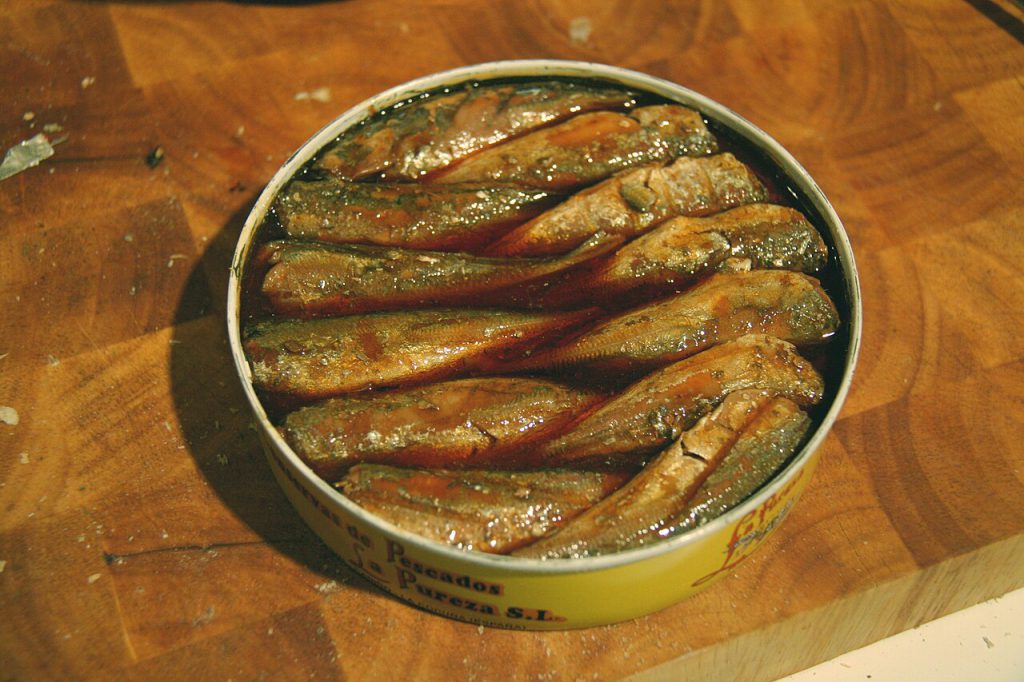
Shelf-stable animal protein with heart-healthy omega-3s that lasts years beyond its date.
A typical can of tuna in water provides about 140-220 calories and 32-41 g protein when drained, with virtually no carbohydrates. This convenient packaging requires no refrigeration, cooking, or elaborate preparation beyond a can opener. Manufacturers often suggest 3-5 years for best quality, but USDA notes that properly stored, undamaged canned foods remain safe indefinitely.
Both canned tuna and salmon supply omega-3 fatty acids (EPA and DHA), supporting cardiovascular and cognitive health. Nutrient tables show canned tuna and salmon contributing DHA and EPA in amounts that matter for long-term wellness. Canned salmon has similar longevity with added advantages of higher omega-3 content and, in bone-in varieties, extra calcium.
The supply chain operates on thin margins, leading to low backstock and slow restocking during demand spikes. Aim for 20-30 cans split between tuna and salmon. Their inherent simplicity becomes a critical advantage when power grids fail or fuel sources are limited—open, eat, done.
4. Dried Pinto Beans
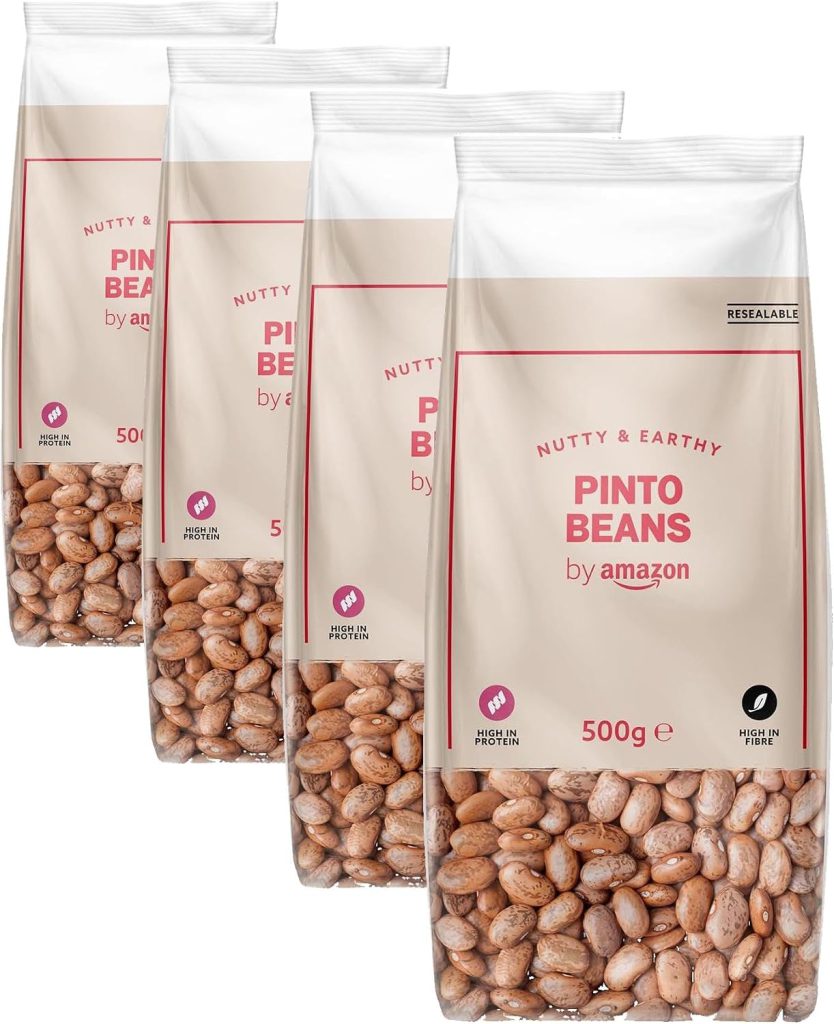
Complete protein when paired with rice, and a 25-year shelf life properly stored.
Pinto beans offer crucial nutritional synergy when paired with rice, together supplying all nine essential amino acids your body cannot produce itself. Beans are rich in lysine but low in methionine, while rice is comparatively richer in methionine; combined, they provide all essential amino acids in adequate amounts. A single 1 cup serving of cooked pinto beans delivers roughly 200-245 calories, 12-15 g protein, and about 15 g dietary fiber, plus significant potassium, iron, magnesium, and folate.
These legumes boast an impressive shelf life, remaining viable for 25-30 years in Mylar bags with oxygen absorbers when kept cool, dry, and dark. Economically, you can acquire them for approximately $1.50 per pound, with one pound expanding to roughly 2.5-3 cups cooked (dried beans roughly triple in volume), making them economical in both calories and protein per dollar.
During supply chain disruptions, dried bean sales commonly spike dramatically, clearing shelves in hours. Consider adding black beans or faster-cooking red lentils for variety. This cost-effective, durable combination is the nutritional backbone of any resilient food supply.
3. Long-Grain White Rice
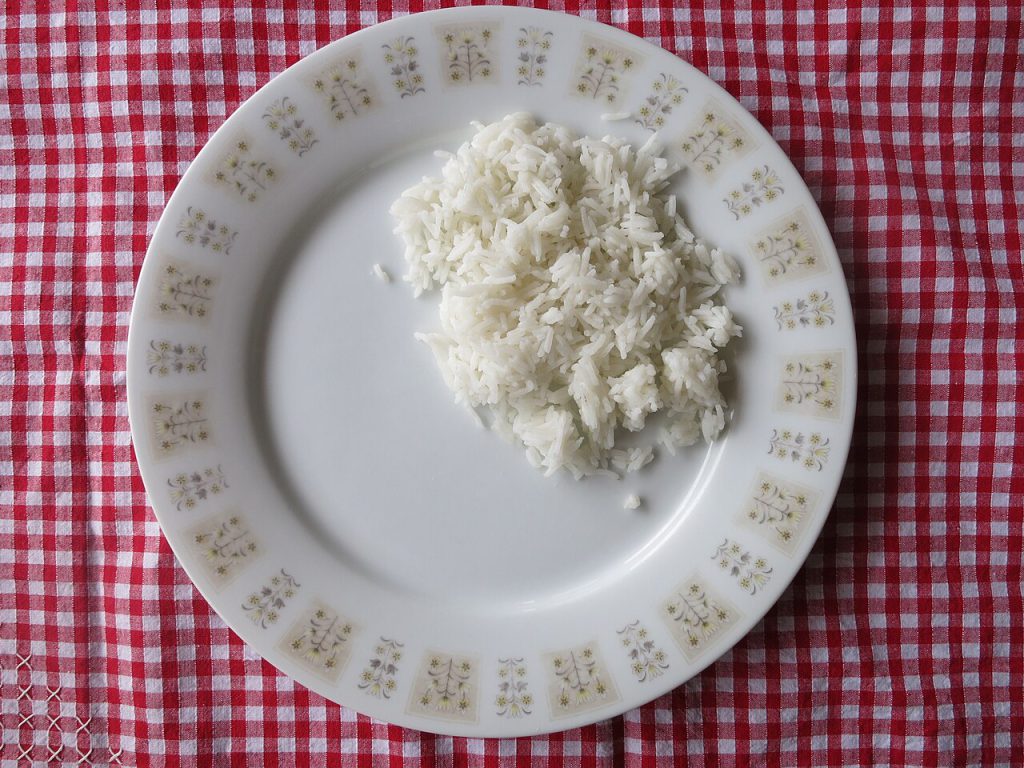
1,650+ calories per pound and a 25-30 year shelf life when oxygen-sealed.
1 pound of long-grain white rice provides about 1,650-1,700 calories, making it one of the most energy-dense common staples. Because the fatty bran and germ are removed, polished white rice is exceptionally stable. USDA Extension work shows properly sealed white rice (oxygen-free container, cool storage) can retain quality and nutrients for 25-30 years.
Long-term storage recommendations call for Mylar bags with 300-500 cc oxygen absorbers per gallon, placed inside food-grade buckets for protection against oxygen, light, moisture, and pests. India is currently the world’s largest rice exporter, accounting for approximately 40% of global rice exports in recent years; changes in India’s export policy (such as bans or restrictions) have immediate impacts on global rice prices and availability.
During public disruptions, a 25 lb bag vanishes from store shelves within hours, often before bottled water. Aim for at least two 25 lb bags sealed properly to secure your caloric foundation. Rice plus beans equals complete protein and carbohydrate coverage for months.
2. Freeze-Dried Vegetables
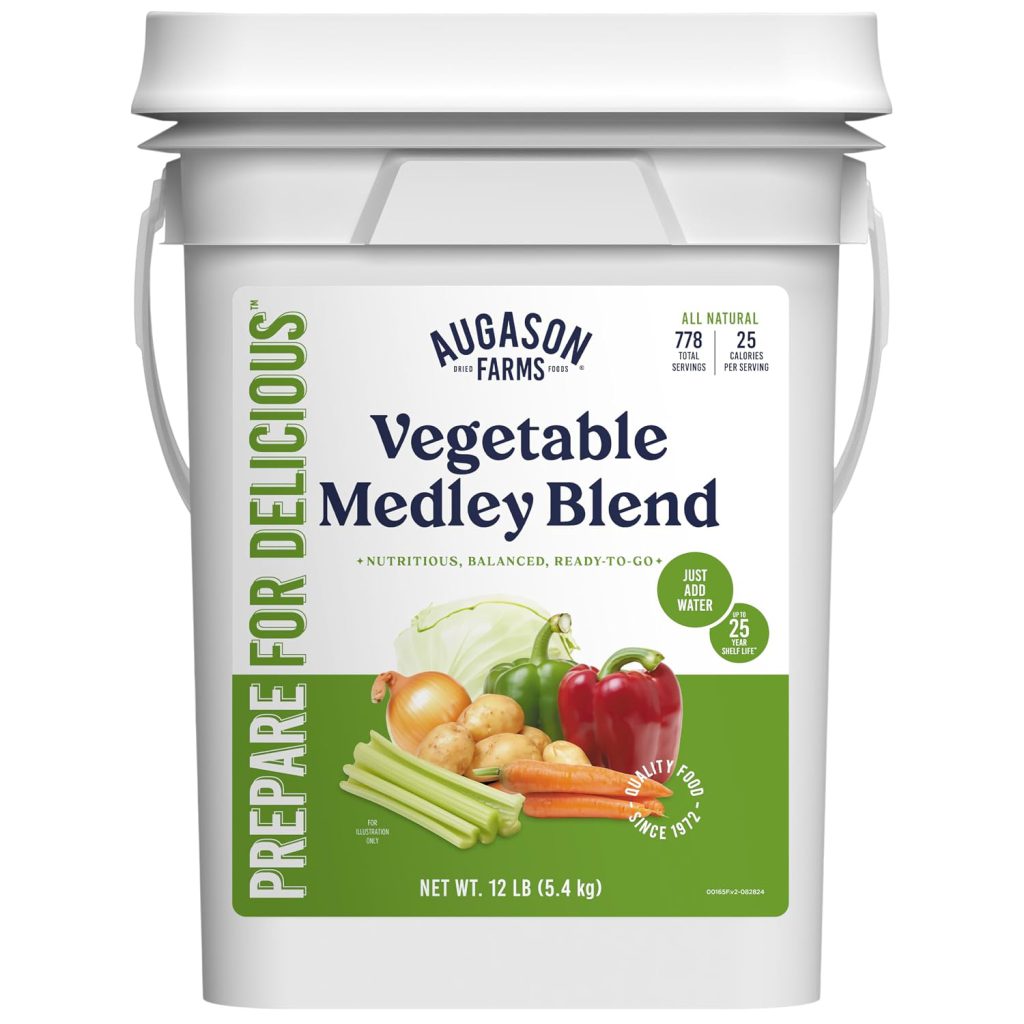
97% nutrient retention and a 20-25 year shelf life beat every other preservation method.
Without vegetables, the human body can develop vitamin C deficiency in as little as 4-6 weeks, leading to scurvy. Freeze-dried options bridge this dangerous nutritional gap during emergencies. Unlike traditional canning or dehydration, freeze-drying removes water under low temperature and pressure, preserving structure and nutrients. Multiple technical sources report freeze-dried foods retain about 90-97% of original nutrients, far more than canning or conventional dehydration.
Preparedness and packaging guides state that freeze-dried vegetables stored in airtight Mylar bags or #10 cans with oxygen absorbers and kept cool, dry, and dark can have a shelf life of 20-25 years, or up to 25-30 years under manufacturer-specified ideal conditions. Compared with dehydrated vegetables, freeze-dried options have longer shelf life and rehydrate faster—often in just 3-5 minutes.
Canned vegetables lose more vitamin C and some B-vitamins during heat treatment; freeze-dried vegetables maintain far higher retention of vitamins and antioxidants, making them uniquely suited to long-term micronutrient coverage. A #10 can, priced between $25-35, offers the nutritional equivalent of many pounds of fresh produce. Aim for 3-5 cans of varied options like broccoli, peas, corn, green beans, and bell peppers. This transforms your emergency pantry from one that merely sustains life into one that actively preserves health.
1. Raw Honey
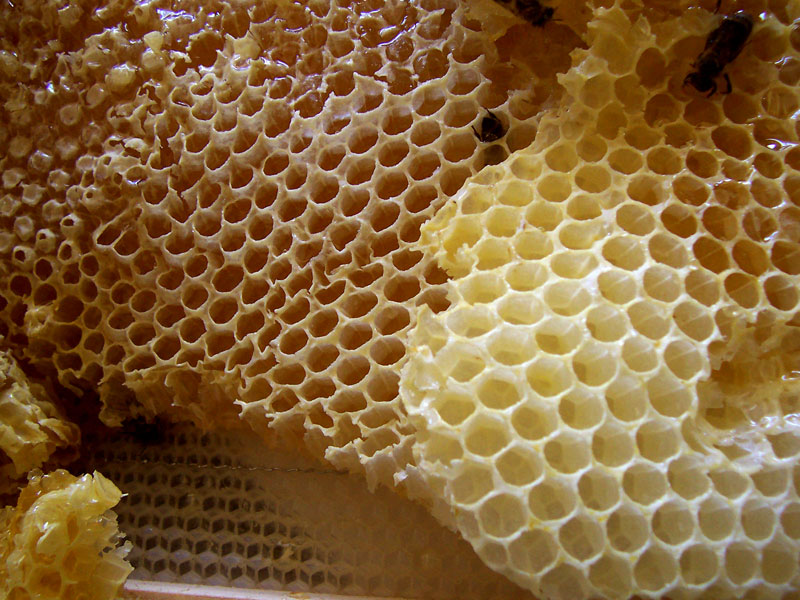
Edible after 3,000 years in Egyptian tombs, and doubles as wound medicine.
Archaeologists have found honey in ancient Egyptian tombs (approximately 3,000 years old) that remained chemically edible, illustrating honey’s unique stability over millennia when stored sealed and dry. This unparalleled longevity stems from honey’s extremely low water activity, high sugar concentration, acidic pH, and low-level hydrogen peroxide generation; together these properties prevent microbial growth, so sealed honey does not spoil under normal conditions.
Honey has well-documented antibacterial and wound-healing properties. Numerous reviews and clinical studies report honey as effective in treating burns, ulcers, and various acute and chronic wounds due to its acidity, osmotic effects, hydrogen peroxide, and other bioactive compounds. Medical literature supports honey as a cough suppressant, and it is incorporated into FDA-approved medical dressings for wound care; honey is recognized for broad-spectrum activity including against antibiotic-resistant organisms such as MRSA.
This natural sweetener delivers immediate energy, with roughly 64 calories per tablespoon. However, functional honey faces modern threats from colony collapse disorder reducing bee populations and honey adulteration with corn syrup, which generally lacks the full antimicrobial profile of genuine raw honey. For full benefits, secure raw, unfiltered honey from verifiable beekeepers. Store 3-5 lbs in glass jars at room temperature; crystallization is natural, not spoilage. This single jar uniquely combines medicine, energy, and indefinite preservation.