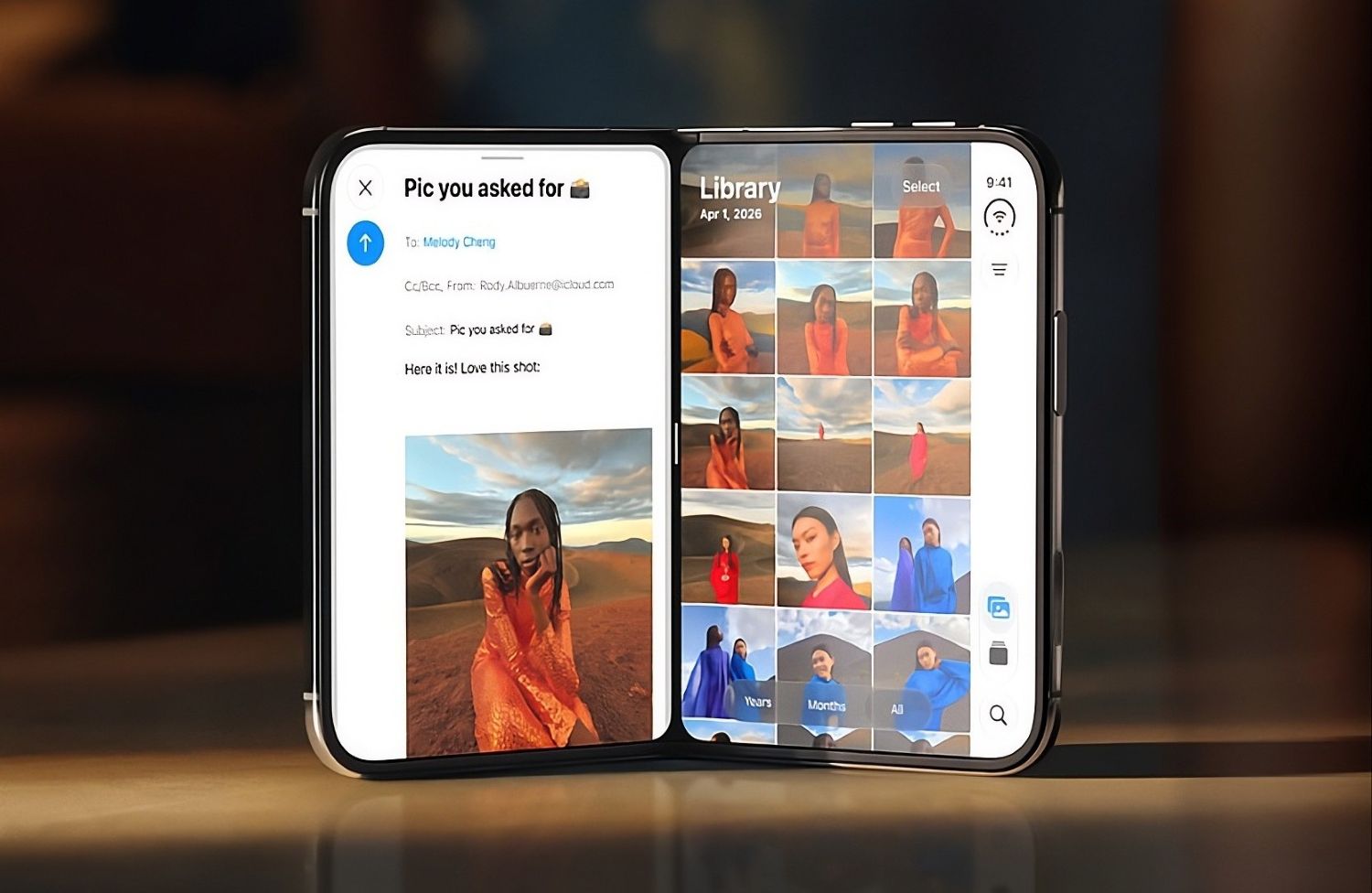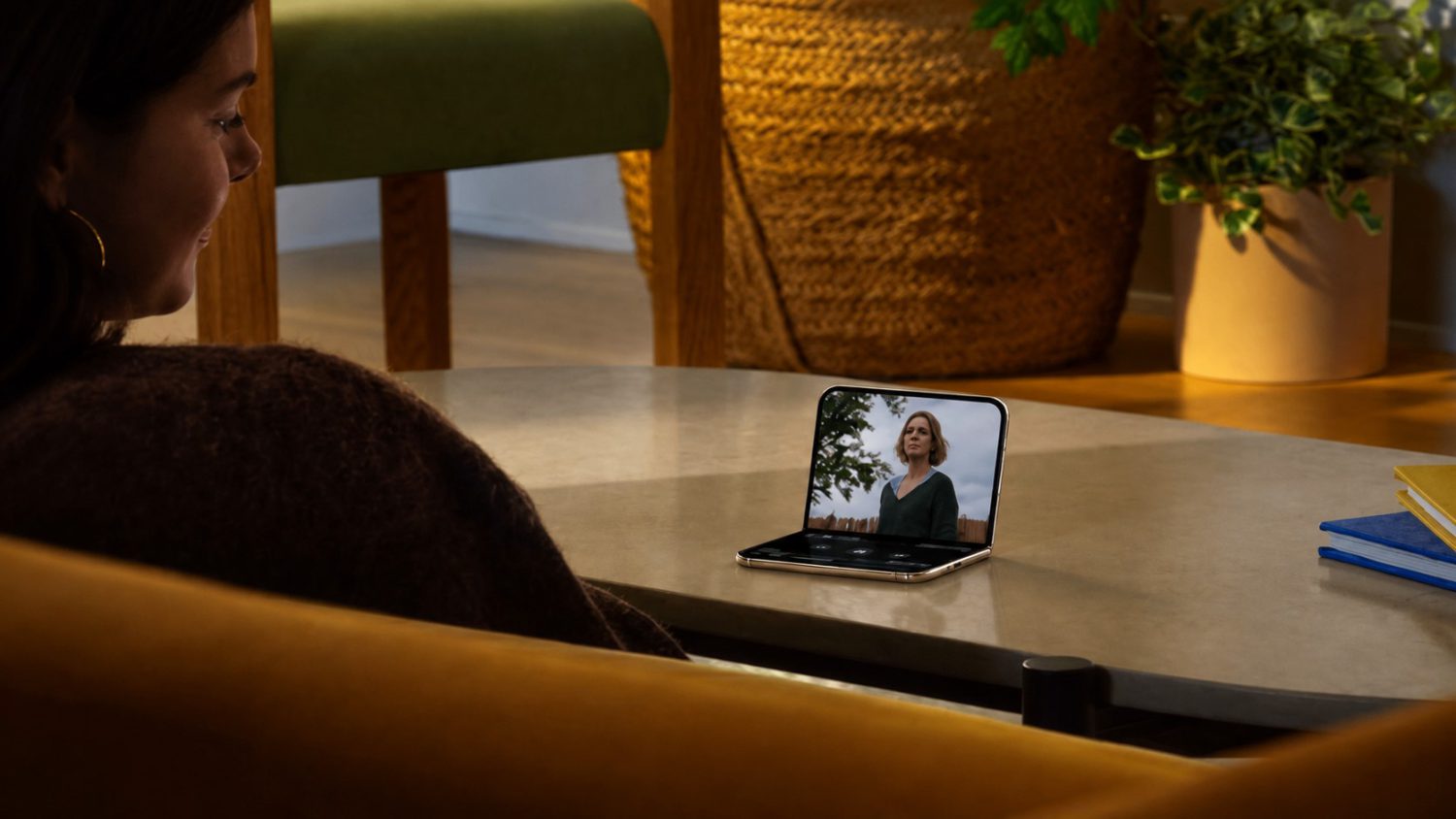
At $250 per panel, the screen inside Apple’s first foldable iPhone is reportedly one of the priciest single components the company has ever sourced. According to a Weibo post by supply-chain leaker Instant Digital, as reported by Times of India, Samsung Display has locked in a three-year exclusive agreement to supply foldable OLED panels for the iPhone Duo and future foldable models. Apple has not confirmed any of these figures.
The deal reportedly covers the Duo and subsequent foldable iPhones. Apple’s initial order is estimated at roughly 3 million displays for 2026, according to OLED-Info.
That $250 figure applies only to the inner folding screen. Tweaktown and Wccftech, both citing Instant Digital, report Apple pays an additional $80 for the outer cover panel, putting the total display stack at roughly $330 per unit before assembly.
For context, the $250 inner panel is reportedly nearly four times the approximately $70 Apple spends on an OLED panel for the iPhone 18 Pro Max, per VnExpress. By Asumetech’s calculation, the inner display alone accounts for roughly 12.5 percent of the iPhone Duo’s reported $1,999 retail price.
That premium reflects genuine structural complexity. MacRumors and Times of India report that the iPhone Duo is the first device to use Samsung’s M16 OLED material set, a newer generation of panel materials said to improve brightness, color accuracy, lifespan, and power efficiency over earlier OLED builds.
The inner display uses a reported 10-layer stack including a nano-texture layer, contributing to both cost and durability under repeated folding. Both the 7.6-inch inner display and the 5.4-inch outer cover use LTPO technology, which allows the screens to adjust their refresh rate dynamically between low and high settings, helping preserve battery life without sacrificing smoothness.
Samsung’s display division collects a reported high-value payment on every iPhone Duo sold while its mobile division competes directly against the Duo with the Galaxy Z Fold series on store shelves. Rivals LG Display and BOE reportedly could not meet Apple’s requirements for brightness, durability, or production scale, per Cryptonomist and Cryptopolitan, leaving Samsung as the only viable supplier.
That position gives Samsung Display a reported revenue stream tied directly to Apple’s foldable shipments, regardless of how the two brands perform at retail.
If you are tracking where foldable pricing goes from here, the three-year exclusivity window is worth watching. After that period ends, Apple may seek alternative suppliers to reduce dependence on a direct competitor, according to analyst expectations reported by Cryptonomist.
Whether M16 panels deliver on their reported quality improvements will shape how much leverage Apple carries into those future negotiations. How the broader foldable industry responds to the pricing standard the iPhone Duo sets may determine whether high display costs remain a barrier to mainstream adoption.