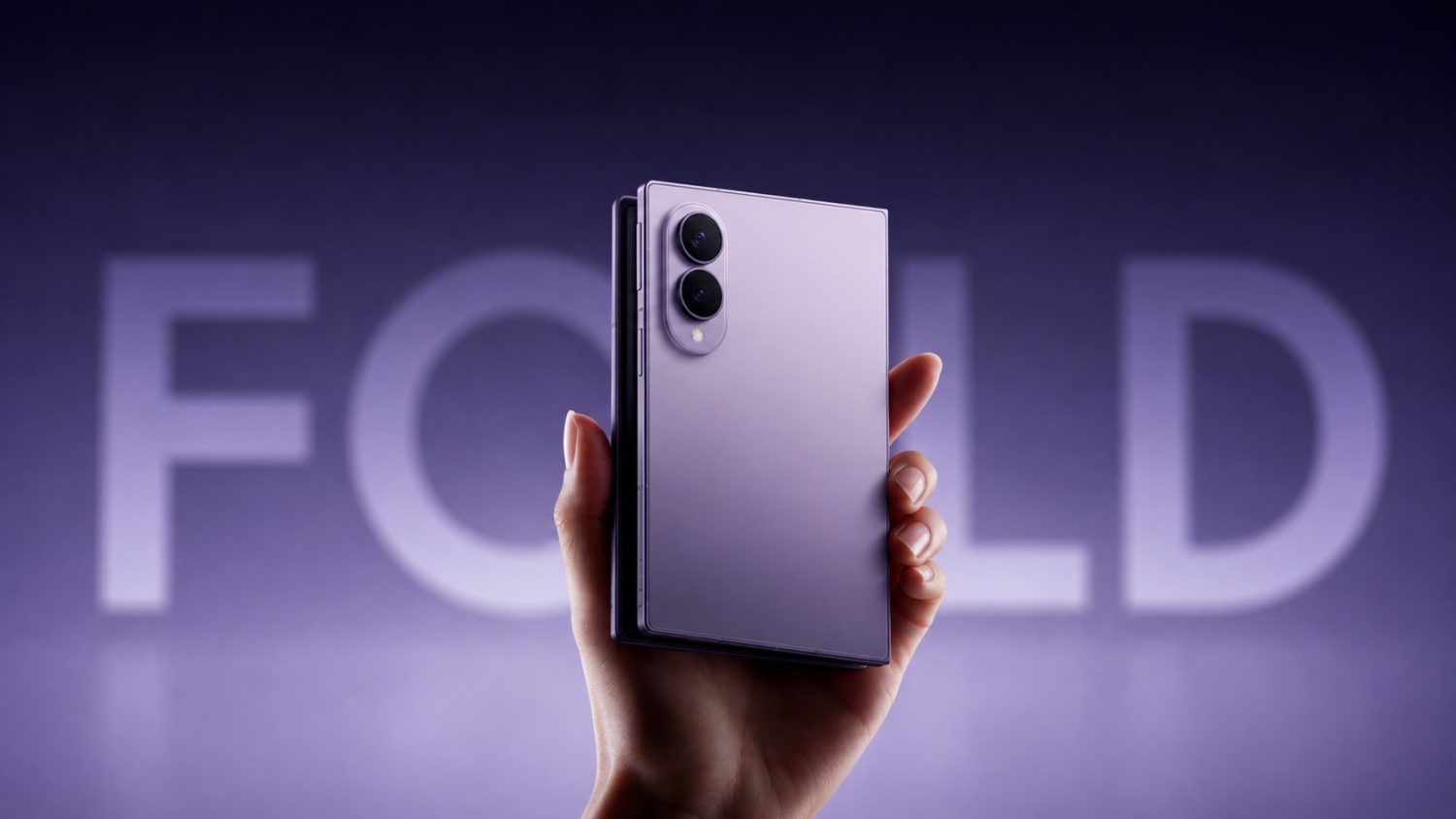
Two phones. One familiar. One genuinely strange. Both priced above $1,900. Samsung’s Galaxy 2026 foldable lineup splits into the standard Galaxy Z Fold 8 — with a squat, wide “passport” form factor that looks like your phone hit the gym and got shorter — and the Galaxy Z Fold 8 Ultra, which keeps the tall, narrow silhouette Fold owners already know. Whether either is worth buying depends almost entirely on what’s currently in your pocket.
The Passport Phone: Bold Shape, Real Compromises
The standard Fold 8 rethinks the foldable as a mini-tablet first and a phone second — a trade-off that cuts both ways.
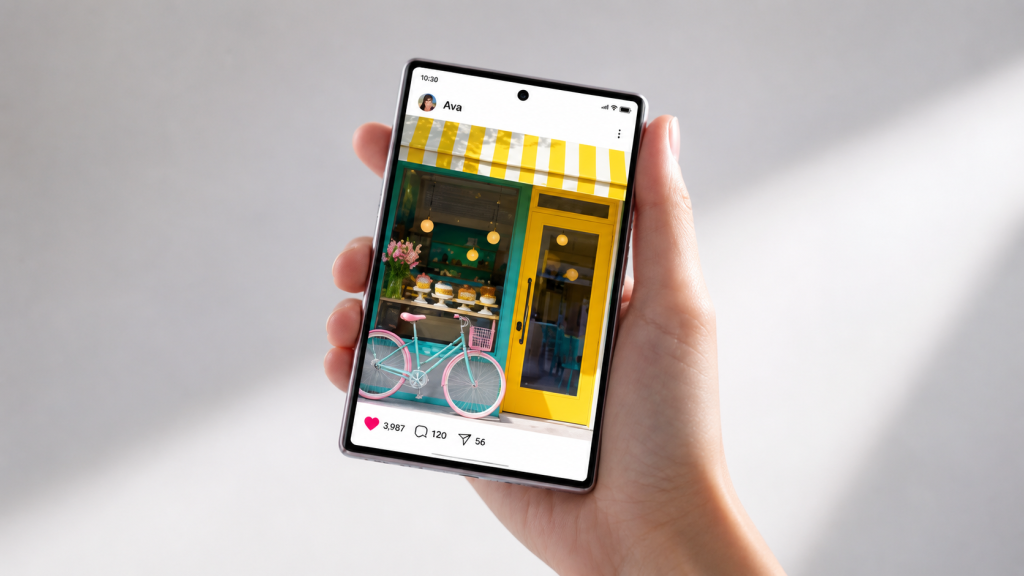
Where previous Folds tried to be a phone first and tablet second, the standard Fold 8 flips that priority. The 5.5-inch cover display is short and wide — closer to a TV remote than a phone — while the 7.6-inch inner AMOLED opens into a near 4:3 ratio that excels for video and reading. At 201g and just 4.5mm thin when open, it’s the lightest Fold yet. Battery life climbs to 4,800mAh, delivering roughly 40 hours of mixed use according to The Guardian. The crease, long the foldable’s original sin, is noticeably reduced via Samsung’s Flex Titanium display. CNET rates it 8.6/10 as a “passport-size shape-shifter.”
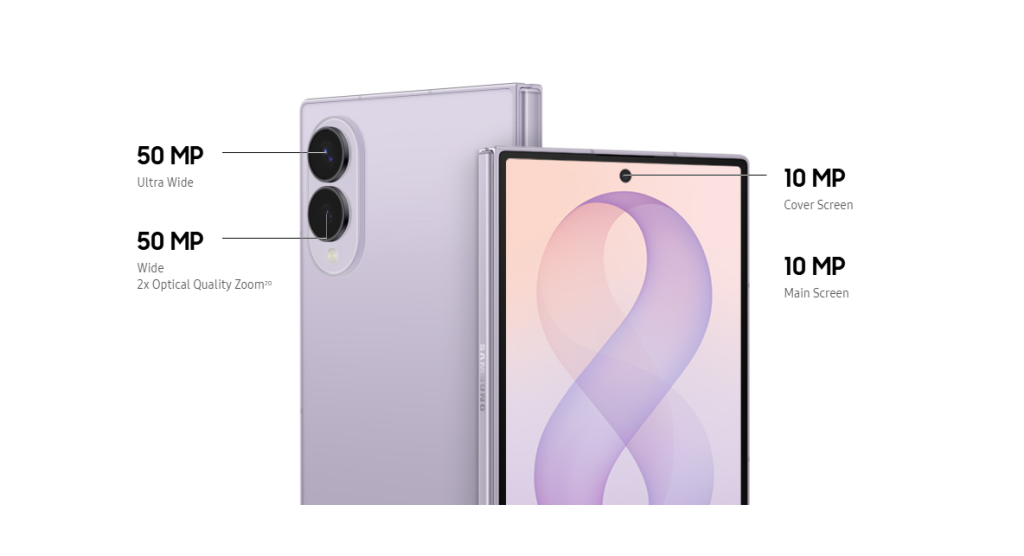
One detail warrants close attention before moving on: there’s no telephoto lens. Just two 50MP cameras — wide and ultrawide — with digital zoom doing the heavy lifting. For a $1,999 flagship, that’s a real trade-off, not a footnote. Readers weighing this omission may find our guide to best cameras useful for comparison.
- Battery: 4,800mAh (standard) / 5,000mAh (Ultra) — both up from the Fold 7’s 4,400mAh
- Chipset: Snapdragon 8 Elite Gen 5 — roughly 17% faster than Fold 7, ~48% over Fold 6, per CNN Underscored
- Camera split: Fold 8 drops the telephoto entirely; Fold 8 Ultra adds a 200MP main sensor plus 3x optical zoom
- Durability: IP48 on both — water resistant to 1.5m, resistant to solid objects larger than 1mm, but not dust-tight; sandy environments are a genuine concern
The Ultra Plays It Safe – and That’s Not a Complaint
Refinement over reinvention, the Fold 8 Ultra delivers a meaningfully better version of the Fold experience without reinventing it.
Where the standard Fold 8 experiments with identity, the Ultra refines everything that already worked. A 6.5-inch cover screen preserves the familiar phone-in-hand feel. Open it and an 8-inch inner AMOLED greets you, now equipped with an anti-reflective coating that finally makes outdoor use tolerable — a long-overdue fix that earlier Fold owners will appreciate immediately. Weighing 215g at 8.9mm folded, it sits close to the Fold 7 in hand. A 5,000mAh battery delivers genuine two-day life, according to GSMArena. A 200MP main sensor paired with 3x optical telephoto provides the full flagship camera setup the standard model omits.
The Guardian called it “the top dog of folding Androids.” The Verge described it as “more of the same, but better than ever.” Both descriptions are accurate, and neither is a criticism. Both models run Android 17 with One UI 9 and carry seven years of OS updates — arguably the most underrated spec on the sheet.
The Verdict, by Generation
Your current phone determines whether this upgrade is obvious, optional, or simply unnecessary.
Fold 5 owners or older will find either model a decisive leap forward: better battery, lighter frame, reduced crease, and a chip that benchmarks roughly 48% faster than the Fold 6’s silicon — making the gap to a Fold 5 even wider. Choose based on shape preference. Fold 6 owners should lean toward the Ultra — familiar form factor, meaningfully better camera, bigger battery. Fold 7 owners, though? Mostly sit tight. Spending $2,099 on what The Verge describes as a refined version of what you already own is a hard sell. And if the standard Fold 8’s missing telephoto bothers you even slightly, it will bother you every time you try to zoom.
The shape you prefer is a personality test. Everything else is math.