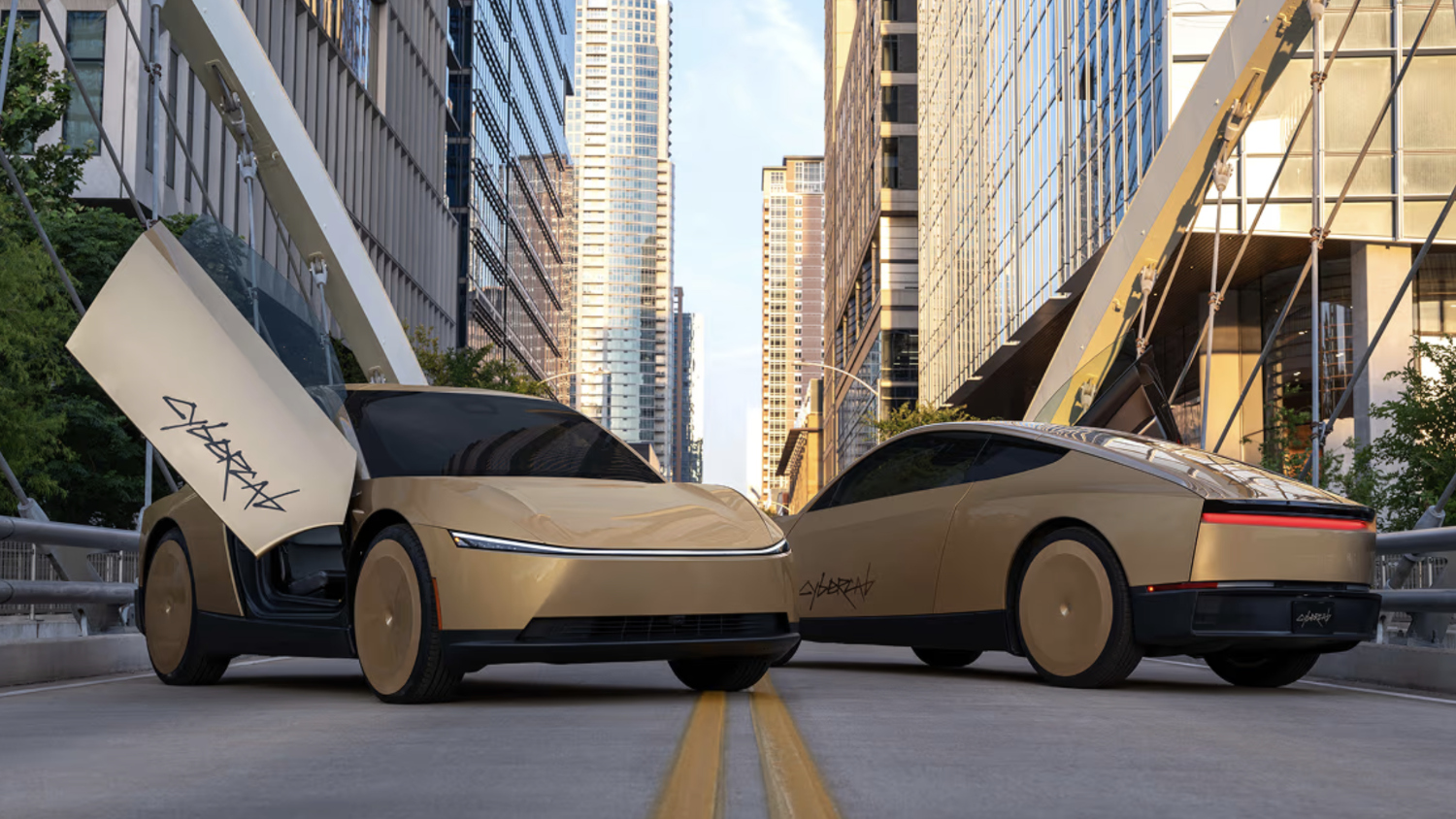
The original pitch was seductive: park your Tesla, let it drive strangers around while you sleep, collect the earnings like a vending machine with wheels. That vision — Musk’s circa-2019 promise of privately-owned Teslas moonlighting as robotaxis — never materialized as described. What Tesla posted on September 3, 2026, ahead of its Cybercab event in Austin, is something more cautious and more interesting. A form. A very strategic form.
What the Form Actually Says
Tesla’s new Robotaxi interest page invites businesses to signal what role they might play in the network — but stops well short of a sales announcement.
Tesla’s interest page asks businesses to choose among specific categories: fleet vehicle purchasing, mobility hubs and infrastructure, event collaboration, and “other.” Tesla’s own language frames participation as helping “build its robotaxi network,” which suggests the company is at least considering a model where it doesn’t have to do everything itself.
Here’s what the evidence confirms:
- Tesla posted the form Thursday, September 3, ahead of its Cybercab event in Austin
- Interested parties can select fleet purchasing, mobility hubs and infrastructure, event collaboration, or “other”
- Tesla’s framing positions responses as helping “build its robotaxi network”
- According to TechCrunch, the form is “not definitive proof” Tesla will sell autonomous vehicles to third-party operators
- No pricing, ownership terms, or named partners have been disclosed
Picture yourself as a fleet operator — maybe you run airport transfers or corporate shuttles — and this form lands in your inbox. The robotaxi management layer is quietly becoming its own industry. Companies like Moove already operate in this ecosystem, handling the logistics of maintaining and deploying vehicle fleets at scale. If Tesla opens the Cybercab model to outside operators, it could reportedly scale coverage faster than a fully in-house operation allows. That’s the opportunity buried in the form’s dropdown menus. Whether Tesla acts on it remains entirely unclear.
The Distance Between Then and Now
Musk’s original robotaxi pitch centered on private owners earning passive income — a vision Tesla has since replaced with a centrally managed fleet model.
Musk’s earlier concept put private owners at the center. Your car, your passive income. Tesla instead moved toward a centrally managed fleet operation — think less “Airbnb for cars,” more “Netflix owns the content.” The interest form now hints at a third path: outside operators participating in infrastructure Tesla controls. It’s like Spotify opening its platform to independent podcast networks while keeping the algorithm locked down.
For anyone tracking Tesla’s AV commercialization strategy, treat this form as market research wearing a press release costume. Until Tesla names partners, sets pricing, or defines ownership terms, the Cybercab ecosystem remains undefined. What Tesla learns from the responses may ultimately determine how open — or closed — that ecosystem actually becomes.