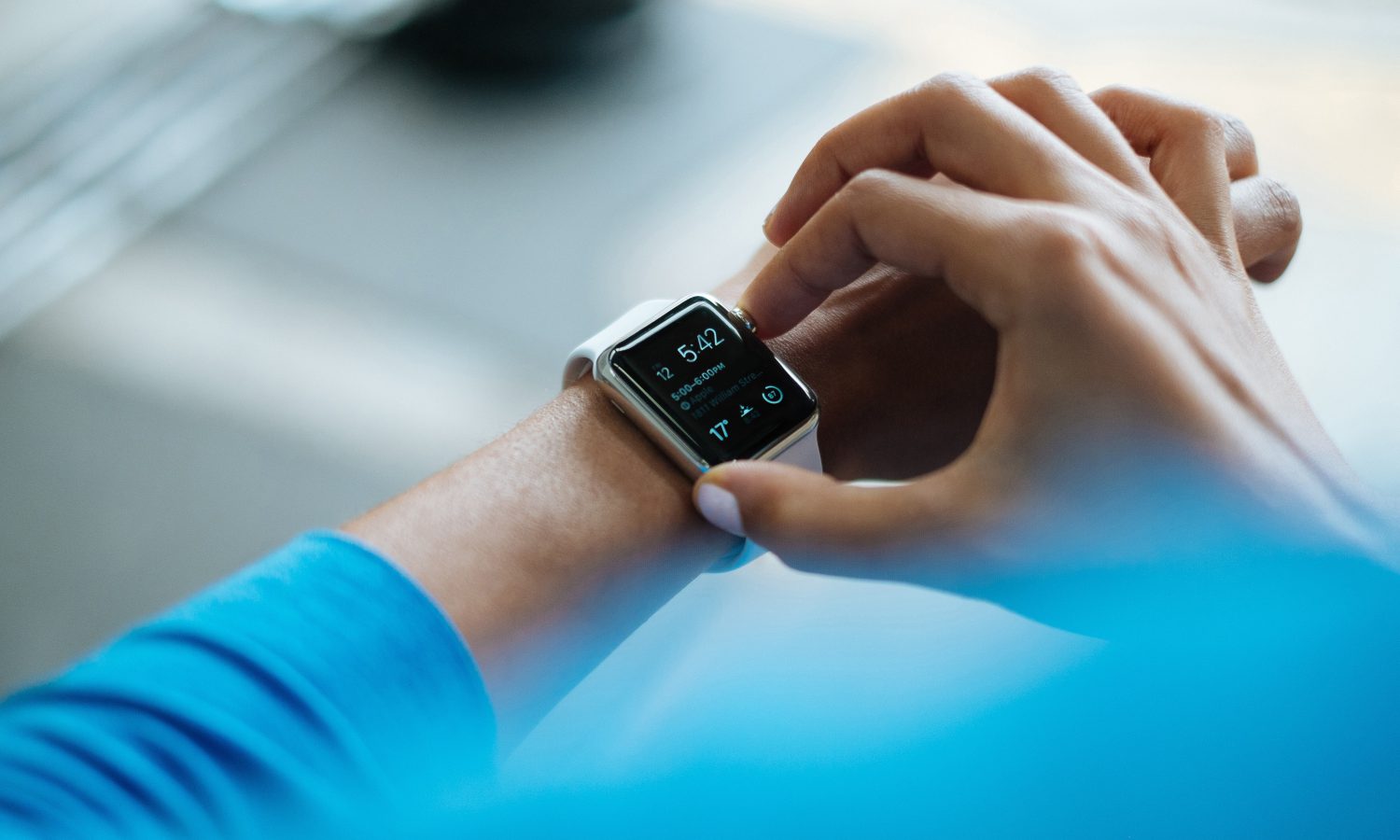
After a hard workout, checking your calorie burn and mentally budgeting dinner around it feels like reasonable math. It isn’t. A Florida International University study published in PLOS One in July 2026 tested four popular smartwatches against a COSMED K5 — a lab-grade metabolic analyzer that measures actual oxygen consumed and CO₂ exhaled — and found every device substantially misestimated calories burned during cycling. Error margins ran roughly 15–25%, with some devices averaging much higher. “You can’t treat the calories burned number it gives you as an accurate number, because it’s not,” said lead researcher Jason Kostrna.
The setup involved 58 adults riding exercise bikes while wearing four devices simultaneously:
| Device | Avg. Overestimation |
|---|---|
| Apple Watch Series 8 | ~21.6 kcal |
| Samsung Galaxy Watch 5 | ~56.8 kcal |
| Garmin Forerunner 955 | ~68.6 kcal |
| Fitbit Sense 2 | excluded* |
*Fitbit Sense 2 was a different problem entirely — it sometimes logged a single calorie for an entire workout, forcing researchers to exclude most of its data from the primary analysis due to reliability concerns.
“You could be off hundreds of calories each week and easily end up in a calorie surplus when you think you’re in a calorie deficit.” — Jason Kostrna, FIU
The Problem Gets Worse Depending on Who’s Wearing It
The people most likely to track calories for weight management are, somewhat cruelly, getting the least accurate numbers.
Error magnitude increased as body fat percentage rose, according to the PLOS One paper. That means higher-BF users — often those most motivated to track calories for weight management — are working with some of the shakiest estimates the watch produces. The algorithms powering these devices are proprietary, trained on datasets the companies won’t disclose publicly, and apparently not built to handle diverse body compositions consistently. Nobody outside the manufacturer knows exactly what assumptions are baked in.
This isn’t a new problem. Think of it like Waze confidently rerouting you — heart rate data arrives reliably, like accurate turn-by-turn directions, but the calorie estimate is the ETA that keeps lying. Prior research fits the same pattern:
- A 2016 PLOS One study found heart rate errors within 1–9% across devices while calorie errors ranged 9–43%.
- A 2022 study found Apple Watch and Garmin overestimated walking energy burn by 20–32%.
The FIU findings fit a decade-long pattern the industry has yet to meaningfully solve.
Stop Trusting the Number. Start Using the Trend.
Your watch is a useful compass — treat it like one, not like a laboratory instrument.
Kostrna’s team recommends shifting focus to heart rate zones and long-term patterns rather than single-workout calorie counts. If you’re planning food intake around your burn number, round it down and avoid aggressively cutting meals based on one session’s readout. Your body still needs adequate fuel for recovery and consistent training.
Kostrna’s next research phase targets strength training calorie accuracy, where short, intense bursts make algorithmic estimation even harder. Expect the numbers to get messier before they get honest.