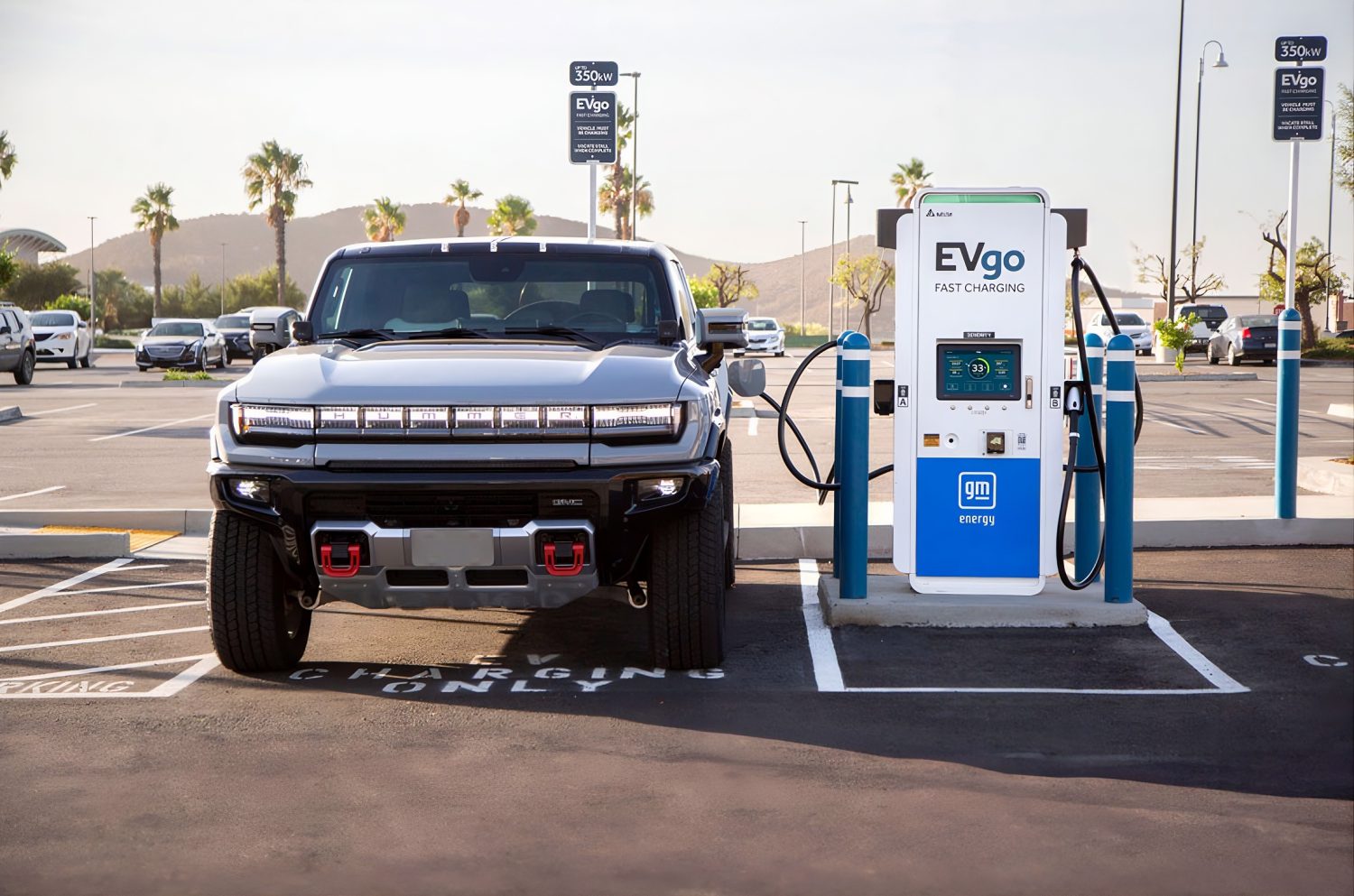
You’re on the road in Michigan, battery dropping, EVgo app open. You find a nearby charger, plug in, and go about your business for 44 minutes. Then the bill arrives.
$418.
That’s what happened to Stanley Kpenkann of Michigan, according to WXYZ. The charger sat at a Hyundai dealership in Macomb Township. It showed up as accessible through the EVgo app. What it didn’t advertise loudly enough: the posted rate was $5 per kilowatt-hour plus $5 per minute — pricing set deliberately to keep strangers out.
How a Private Charger Ended Up on a Public App
A roaming agreement between EVgo and ChargePoint made a dealer-only station visible to any EVgo user — but the site owner still controlled every dollar of the price.
- The national average for DC fast-charging runs about $0.53 per kWh, according to Qmerit. This dealership charged nearly ten times that.
- At $5/kWh plus $5/minute, a 44-minute session produced a $418 bill.
- The charger appeared in the EVgo ecosystem because EVgo and ChargePoint maintain a roaming agreement — ChargePoint-listed stations become visible to EVgo users.
- The dealer told WXYZ the charger was reserved for its own customers, and the high pricing existed specifically to deter public use.
- EVgo issued Kpenkann a $405 goodwill refund. He kept $13.27 in charges tied to his subscription plan.
App visibility does not equal standard public pricing. That’s the whole story, right there.
The Per-Minute Fee Is What Made This a Catastrophe
Stacking a $5-per-minute timer on top of an already punishing per-kWh rate is what turned a routine charge into a four-figure shock.
Showing up at a restaurant that appears on Google Maps, ordering a full meal, then discovering the menu was priced specifically to make sure you never came back — that’s roughly the dynamic here. The charger was technically accessible through roaming. The site owner still controlled what you paid.
The per-kWh rate alone would have stung. Add a $5-per-minute timer on top, and a slower or interrupted charge becomes a hotel bill. According to EVgo’s published roaming materials, its customers can use ChargePoint stations through partner roaming. What those materials don’t guarantee is what those stations charge — and that distinction is doing a lot of work in this story.
A Refund Fixes One Bill, Not the System
EVgo’s goodwill gesture closes Kpenkann’s tab, but the structural gap that sent him to that charger in the first place is still wide open.
EVgo’s $405 goodwill credit resolves Kpenkann’s immediate situation, according to WXYZ. It doesn’t, however, close the roaming-visibility gap that created it. The broader roaming agreement that can surface a deterrent-priced, dealer-only charger as a routine public stop remains in place — and any driver relying solely on a map pin could find themselves in the same position.
Before starting any session at an unfamiliar charger, check the station screen — not just the map pin. The charging network is expanding faster than the transparency rules governing it. Drivers who feel they may be paying too much for EV charging should compare rates before plugging in at any unfamiliar location.