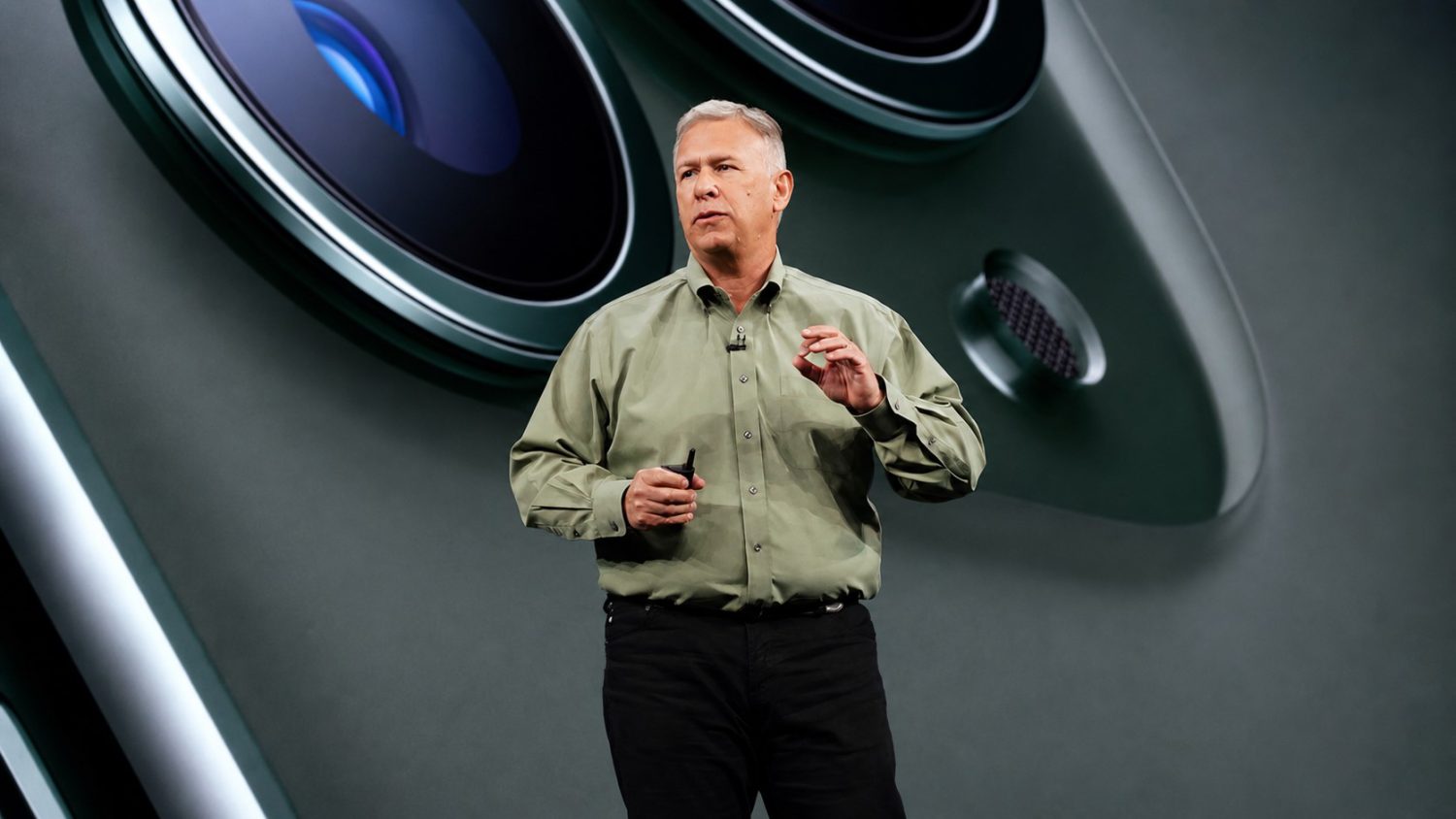
Two days before John Ternus officially became Apple’s CEO, the company quietly reshuffled two of its most visible roles. No press release. No keynote slide. Just Bloomberg sources confirming what insiders had reportedly sensed: Phil Schiller, the man who helped Steve Jobs build the App Store and spent decades commanding Apple’s biggest stages, has stepped back from both jobs.
The stakes aren’t ceremonial. The App Store generates more than $30 billion annually, and its leadership has changed hands for the first time in roughly a decade. A September 9 product event — featuring Apple’s first foldable iPhone — becomes the first real test of whoever’s actually running things now.
The New Chain of Command
Apple’s org chart just got a significant rewrite — here’s who owns what.
The restructure, reported by Bloomberg, moves fast and covers a lot of ground:
- App Store returns to Eddy Cue’s services division — where it lived until 2015
- Carson Oliver now leads day-to-day App Store operations, reporting directly to Cue
- Ann Thai handles app distribution tools and third-party marketplaces under Oliver
- Apple Arcade head Alex Rofman also reports to Oliver
- Nola Weinstein, Schiller’s deputy, now leads product events under communications VP Kristin Huguet Quayle
This is a completed handoff, not a transition plan — and it reshapes two of Apple’s most consequential functions in one move.
End of an Era, Start of Another
Schiller co-built the App Store with Jobs; now he holds a title with no operational weight behind it.
Schiller, 66, has been at Apple since the late 1980s — through the Jobs comeback, the iPod, the iPhone, the App Store’s creation, and the Epic Games legal war. Since 2020, he’s held the Apple Fellow title while retaining real operational control over the App Store and events. That arrangement is now finished.
According to Bloomberg, Apple insiders view this transition as a “big step” toward his eventual retirement. His current portfolio consists of unspecified initiatives — a title with no operational anchor.
Think of it like a veteran showrunner passing a long-running series to a new creative team: the audience stays, the sets remain, but the instincts shaping the room have quietly changed. Tim Cook‘s final internal memo acknowledged he would “miss this work” as CEO but expressed “enormous comfort” in Ternus’s leadership. Schiller’s step back from day-to-day duties carries that same understated finality.
September 9 is Weinstein’s first show to run: iPhone 18 Pro models, new Apple Watch variants, and Apple’s first foldable. The Ternus era’s opening act — and whether the new team can match the energy of the old one is a question only the next few product cycles will answer.