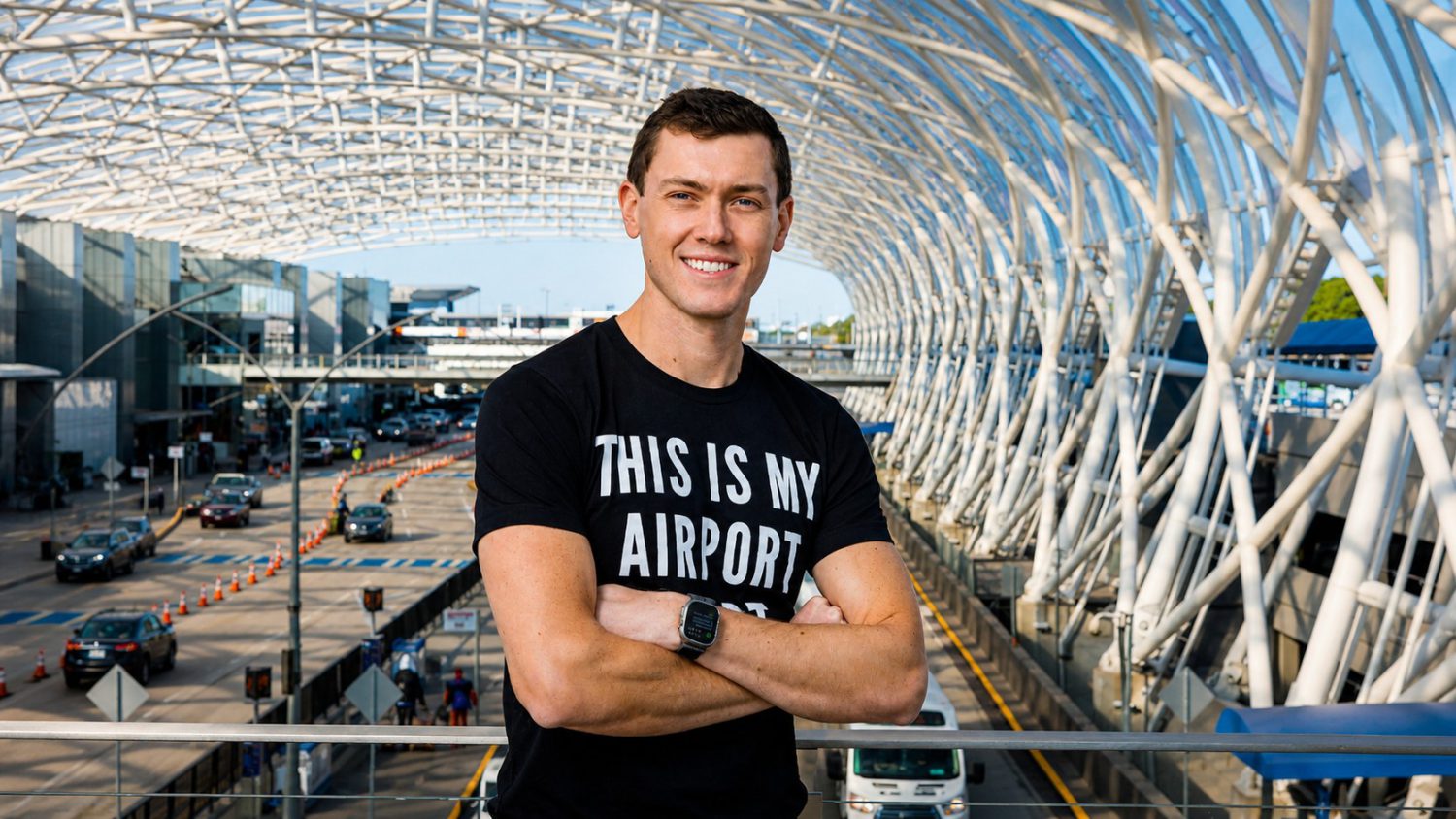
Garrett Langley went on Fox News’ Saturday in America in mid-August 2026 and told America that obsessing over privacy alone “prioritizes the wrong thing.” His company, Flock Safety, sells automated license plate reader cameras to police departments nationwide. The clip hit X and went viral. Then the internet did what the internet does: users began posting what they claim is Langley’s private home address. X’s moderation team has been deleting posts. Users keep re-uploading them — altering wording and images to slip past filters. It’s a whack-a-mole problem, except the mole sells surveillance infrastructure.
Flock’s cameras capture vehicle movements at scale, logging plate data for law enforcement queries. Customs and Border Protection reportedly had access to tens of thousands of Flock units — a scale that has digital rights advocates describing the network less as a neighborhood safety tool and more as a national vehicle-movement database.
When the Watcher Gets Watched
The backlash Langley is facing isn’t just online noise — it’s backed by congressional action and some pointed quotes from the 18th century.
- Langley’s exact framing: focusing only on privacy or safety “prioritizes the wrong thing” — the fix, he argued, is “compromise”
- EFF’s Cooper Quintin described Flock’s recent privacy updates as “piecemeal, voluntary, and reversible” — a Flock problem that extends well beyond one city
- Rep. Keith Self quoted Benjamin Franklin in response and introduced the PRIVACY Act, which would require federal agencies to obtain warrants before querying ALPR data
- Sen. Josh Hawley opened a formal congressional investigation into Flock’s data practices
- X prohibits doxxing and is removing posts, but volume is outpacing moderation as users tweak wording and swap images to evade automated filters
“The Fourth Amendment is not up for ‘compromise,’” according to a statement from Rep. Keith Self.
The doxxing wave on X is less a coordinated campaign than a sprawling pile-on — thousands of users wanting to make a point, few stopping to ask whether the tactic is sound. The alleged address remains unverified; outlets covering this aren’t reproducing it, and that’s the right call. Doxxing carries real risk: harassment, swatting, physical danger. The anger driving it is understandable. The tactic itself isn’t defensible.
Reports suggest Langley’s own neighborhood benefits from blurred imagery on mapping platforms — a layer of location privacy his cameras don’t extend to the millions of ordinary drivers his network logs daily. Under public pressure, Flock cut its default data retention window from 30 days to 7, echoing concerns raised by cases of apps secretly tracking users without meaningful oversight. Local agencies can still override that setting, which is precisely what critics mean when they call the guardrails voluntary and reversible.
Langley built a company on the premise that your movements through public space are fair game for capture and query — and now a corner of the internet is stress-testing that premise on him directly.
Congressional pressure is building on two fronts: the PRIVACY Act could force ALPR vendors to redesign systems around warrant requirements rather than configurable defaults, while Hawley’s investigation demands detailed answers on data safeguards. X, meanwhile, faces its own reckoning over whether platform moderation can actually contain coordinated doxxing at scale. The debate over who gets watched — and who gets to decide — is only getting louder.