A Georgia motorcyclist received a citation with no traffic stop, no officer, and no warning — just a mailed envelope with a photo and the words “CAPTURED ON FLOCK CAMERA … HOLDING PHONE IN LEFT HAND.” Flock Safety had spent years telling cities, explicitly and in writing, that its automated license plate reader (ALPR) cameras were not traffic enforcement tools. In late 2025, according to Streetsblog’s archival analysis, that language quietly disappeared from company materials. What replaced it looks a lot like automated fine infrastructure.
From Crime Scenes to Citation Notices
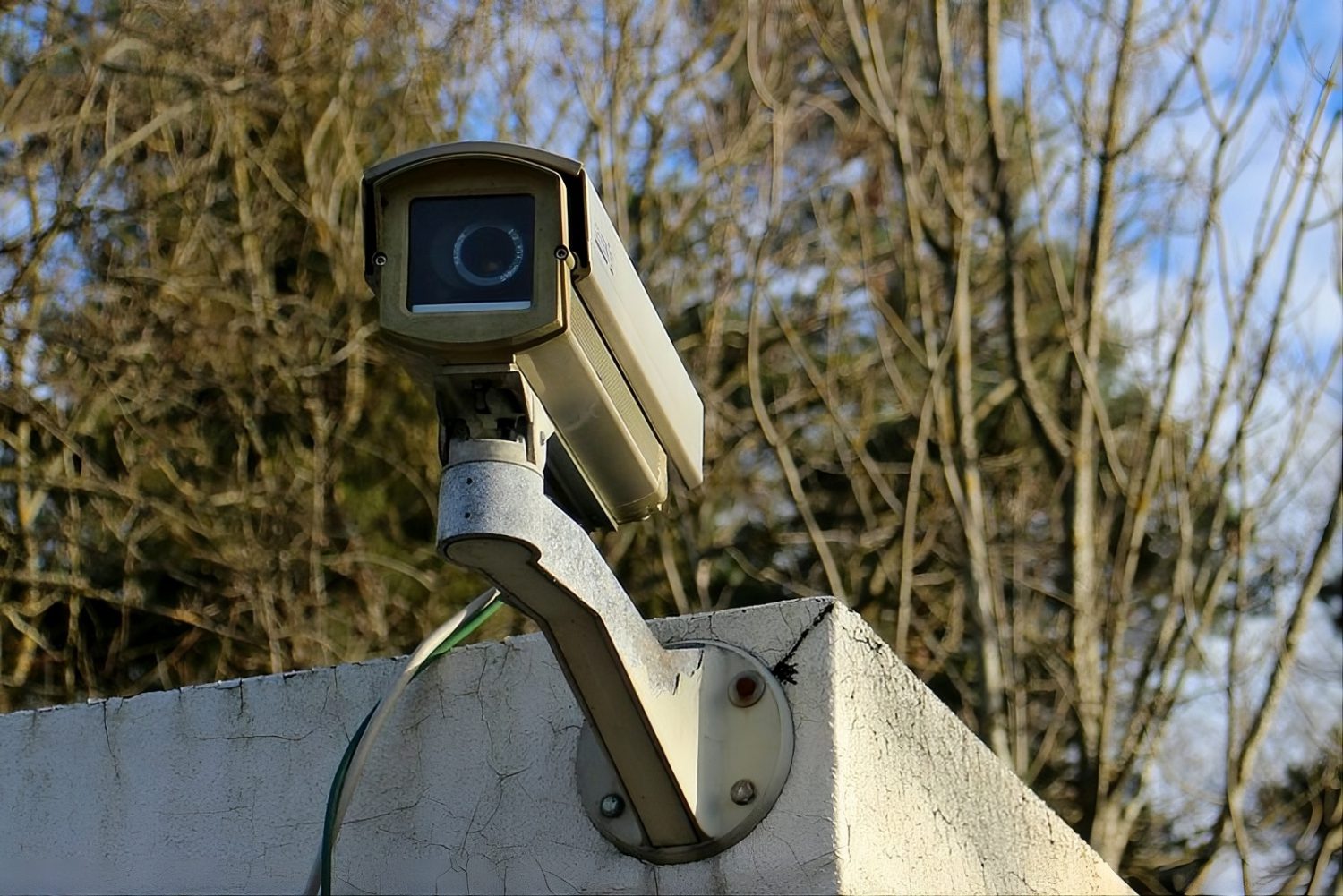
Flock’s cameras scan plates, log timestamps, and pipe everything into a searchable cloud database — a system more than 5,000 law-enforcement agencies subscribed to by 2025, up from roughly 1,000 in 2022.
City contracts reflected the original promise. Monroe, Washington’s program documentation stated plainly: “no revenue generated from this program.” That was the deal cities signed. Then Flock removed its “not used to enforce traffic violations” disclaimer entirely, per Streetsblog’s comparative review of archived company pages.
What filled the gap is worth noting: speed-camera vendors feeding footage into Flock’s cloud under “Flock Wing License” arrangements, a Speed Feedback Trailer pairing plate recognition with speed data, and analysts confirming that sequential Flock timestamps between camera locations can retroactively estimate speed. Think of it as a privacy toggle buried three menus deep — most people never noticed it moved, much like the pattern of secretly tracking users that has emerged across other platforms.
Flock data is now documented supporting enforcement for:
- Phone-use citations mailed with no officer present, based on camera-only evidence
- Speed enforcement via third-party camera feeds integrated into Flock’s network
- Log-falsification citations when Flock timestamps contradict ELD entries
- Restricted-route violations for semis flagged on residential streets (Robinson, Texas)
- Retroactive speed estimates calculated from camera-to-camera distance and time
Truckers Have Nowhere to Hide
For freight operators crossing state lines, Flock’s network functions as a permanent, searchable travel history — and officers at inspections are already using it.
Cross-referencing Flock timestamps against electronic logging device (ELD) records, inspectors can flag a truck logged as “Off Duty / Personal Conveyance” that a Flock camera placed moving under load in another state. That discrepancy becomes a log-falsification citation. Robinson, Texas deployed Flock specifically to catch semis entering restricted residential roads, tying ALPR data directly to fine-generating violations. No federal FMCSA rule currently bars using privately collected ALPR data as enforcement evidence, according to reporting by GadgetReview — a gap that echoes concerns raised about a covert surveillance app built to track political dissidents without legal guardrails.
The accuracy problem makes all of this significantly worse. Independent testing by IPVM found Flock misidentified the state on license plates in roughly one in ten reads, and frequently misclassified vehicle type and make. Stack automated ticketing on top of a 10% error rate and wrongful citations become a real possibility — especially when the only evidence is a mailed photo and a timestamp, with limited opportunity to contest either.
Flock now reports approximately $300 million in annual recurring revenue, growing 70% year over year. The cameras are installed. The data is flowing. The question isn’t whether Flock will be used for enforcement. It’s whether anyone writes the rules before the tickets do.