In December 2025, a Georgia motorcyclist received a citation with an unusual detail buried in the ticket text: “CAPTURED ON FLOCK CAMERA 31 MM 1 HOLDING PHONE IN LEFT HAND.” No traffic stop. No officer. Just a plate-reader image and an envelope in the mail. Flock Safety spent years telling cities, cops, and the public that its cameras “are not used to enforce traffic violations such as speeding, running red lights, or other moving violations.” That language is now gone.
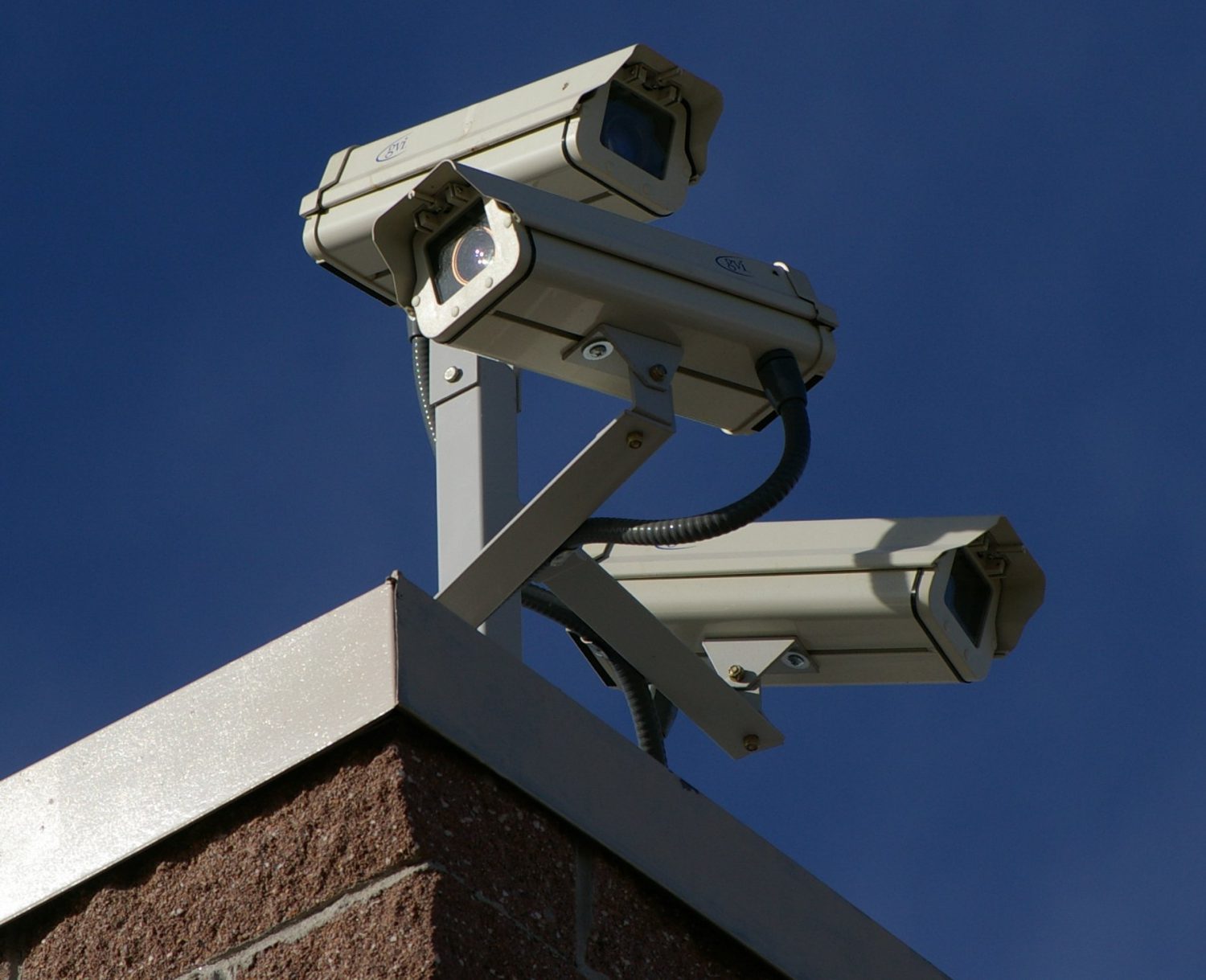
Flock’s automated license plate readers — ALPRs — capture plates, vehicle make and model, and pipe everything into a searchable cloud network used by thousands of law enforcement agencies nationwide. The pitch was always crime: stolen cars, missing persons, wanted suspects. Traffic tickets were explicitly off the menu. Past tense matters here.
Here’s what has actually changed:
- Flock quietly removed the “not used to enforce traffic violations” language from its materials after December 2, 2025, according to Streetsblog analysis.
- Speed-camera vendors are now feeding footage directly into Flock’s cloud via Flock Wing License arrangements, per haveibeenflocked.com reporting.
- Flock’s own Speed Feedback Trailer combines plate recognition with speed data, feeding back into its network.
- Georgia’s OCGA 17-4-23 requires traffic offenses to occur in the presence of an officer — camera-only citations may be legally contestable.
- Sequential Flock images can be used to estimate speed after the fact by calculating distance traveled between frames, according to Jalopnik’s analysis.
The Fine Print Nobody Read Until Now
The EFF gave this pattern a name in March 2026, and it fits uncomfortably well.
The Electronic Frontier Foundation called this “license plate reader mission creep” — the clearest public statement that Flock’s infrastructure is doing what it promised it wouldn’t. It tracks like a surveillance app that launched ad-free, built a subscriber base on that promise, then quietly rolled out ads while updating the terms of service in the middle of the night.
One viral story complicated the picture: a driver received a $1,251 phone-use ticket based solely on camera footage, with no officer stop. Flock confirmed to a tech outlet that its cameras were not involved in that specific case. That distinction matters. But the underlying dynamic — camera evidence, no officer, mailed ticket — is exactly what the confirmed Georgia citation already demonstrates.
What Happens the Next Time You Drive Past One
The practical stakes are concrete, and they land in your mailbox.
Tickets go to registered owners. No stop, no officer discretion, no immediate opportunity to contest on the spot. Some cities explicitly prohibit speed detection as a permitted Flock use — while neighboring jurisdictions pipe speed-camera feeds directly into Flock’s network.
That contradiction is the whole story: the same company, two different rules, depending on which side of a municipal boundary your car happens to be on.