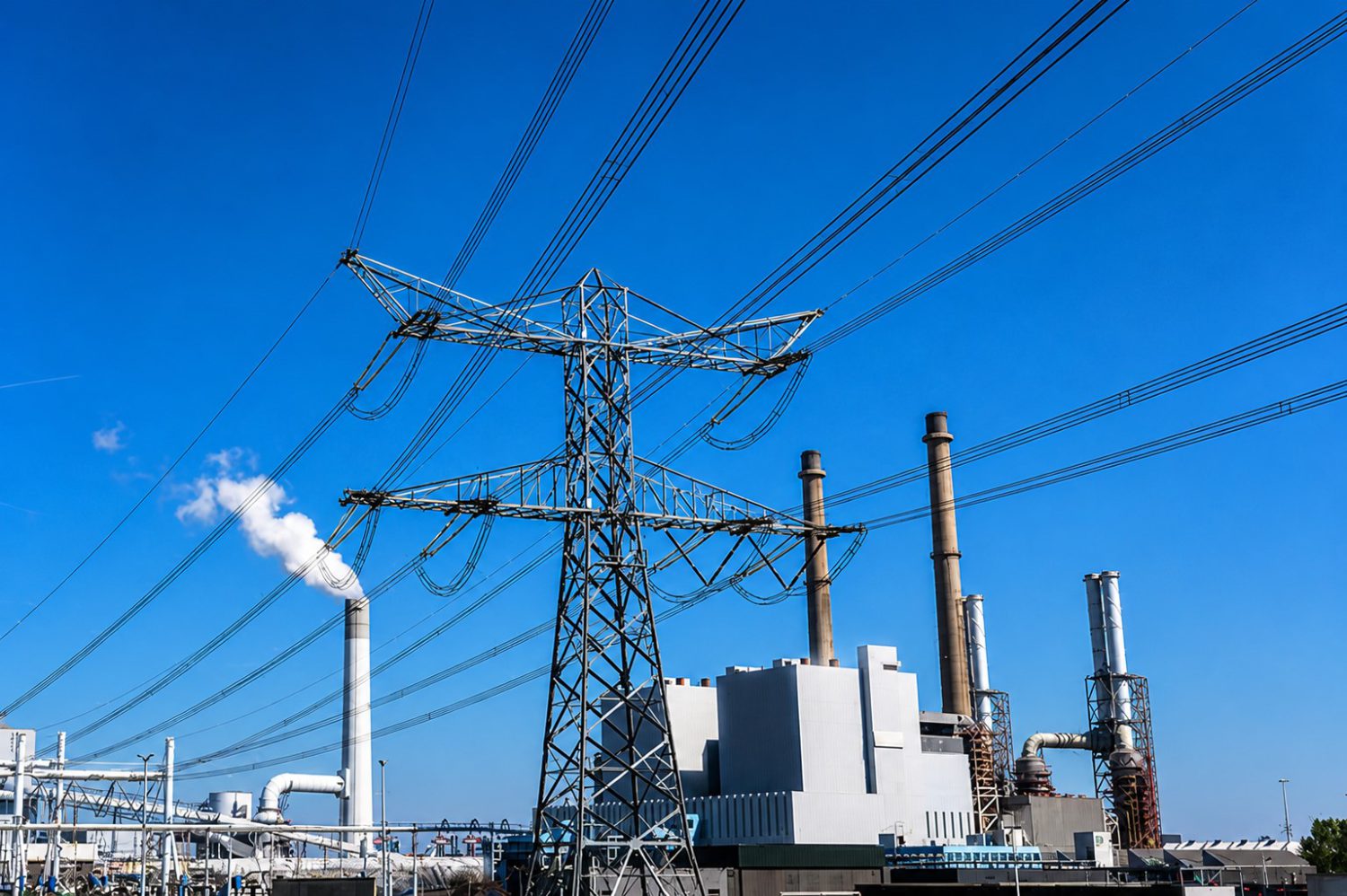
Virginia scores a perfect 100 despite having fewer facilities than Texas. The South and Midwest are quietly winning a race most people haven’t noticed — and the grid is about to feel it. AI data center infrastructure is concentrating in states with clean grids, available land, and water security — not just where tech companies already cluster.
The Scoreboard Nobody Expected
Readiness and scale are not the same thing — and the rankings prove it.
More than $600 billion is projected to flow into AI infrastructure in 2026, according to research cited by GovTech. That money isn’t landing where you’d expect.
TRG Datacenters ranked 24 states on power capacity, share of statewide electricity use, estimated CO2 emissions, and the percentage of facilities in water-constrained areas. Virginia scores a perfect 100 despite hosting just seven AI data centers. Texas — with 13 facilities — sits fifth at 80.8. More data centers doesn’t mean better positioned. It means you got there first, not that you’re winning.
The full top 10:
| State | Score | Facilities |
|---|---|---|
| Virginia | 100 | 7 |
| Ohio | 88.2 | 5 |
| Tennessee | 83.7 | 3 |
| Georgia | 81.8 | 2 |
| Texas | 80.8 | 13 |
| South Carolina | 80.5 | 1 |
| Mississippi | 76.7 | 2 |
| New York | 76.6 | 1 |
| Oregon | 73.4 | 1 |
| Indiana | 72.4 | 3 |
The Grid Is Going to Feel This
The electricity numbers buried in this ranking are the ones your utility company is already watching.
Tennessee’s AI facilities already consume 9.9% of the entire state’s electricity. Indiana sits at 8.1%. Mississippi at 7.9%. These aren’t rounding errors — they’re the kind of load figures that show up in utility commission filings before they show up in headlines.
TRG Datacenters frames it plainly: siting determines impact. A facility on a clean grid in a water-secure basin carries a fundamentally different environmental cost than the same building dropped into a drought-stressed region running on coal. The rankings reward that distinction. Virginia’s top score reflects a cleaner grid profile and lower water exposure — not just square footage.
The South and Midwest aren’t winning this race on charm.
Land availability, established power infrastructure, and state-level industrial policy are pulling investment away from coastal hubs. Think of it like the streaming wars — by the time everyone noticed Netflix had won, the infrastructure was already built and the content deals were signed.
The Question Nobody Wants to Answer
Where these facilities land matters as much as that they land at all.
The states absorbing this buildout aren’t just gaining jobs and tax revenue. They’re absorbing load — on grids, on watersheds, on utility rate structures that everyday residents pay every month. That tradeoff doesn’t disappear because the investment looks good on a press release.
Watch the electricity percentages, not the facility counts. That’s where the real story lives — and where your next power bill may quietly reflect it.