Hire a human, pay payroll taxes. Buy a humanoid robot, write it off as a business expense. That gap isn’t an accident — it’s a structural incentive to replace workers with machines, baked directly into the tax code. In a nearly 6,000-word essay published August 26 on Gates Notes, Bill Gates decided to say it plainly and propose two specific fixes.
The first is a robot tax. Gates argues for levying fees on both AI-powered tokens — the computational units AI models consume to process requests, essentially the billable unit of machine thinking — and on physical robots. The revenue would fund worker retraining programs and safety nets for displaced communities. Gates wants to rebalance that math, while carving out exemptions for AI uses that reduce healthcare or education costs without directly eliminating jobs.
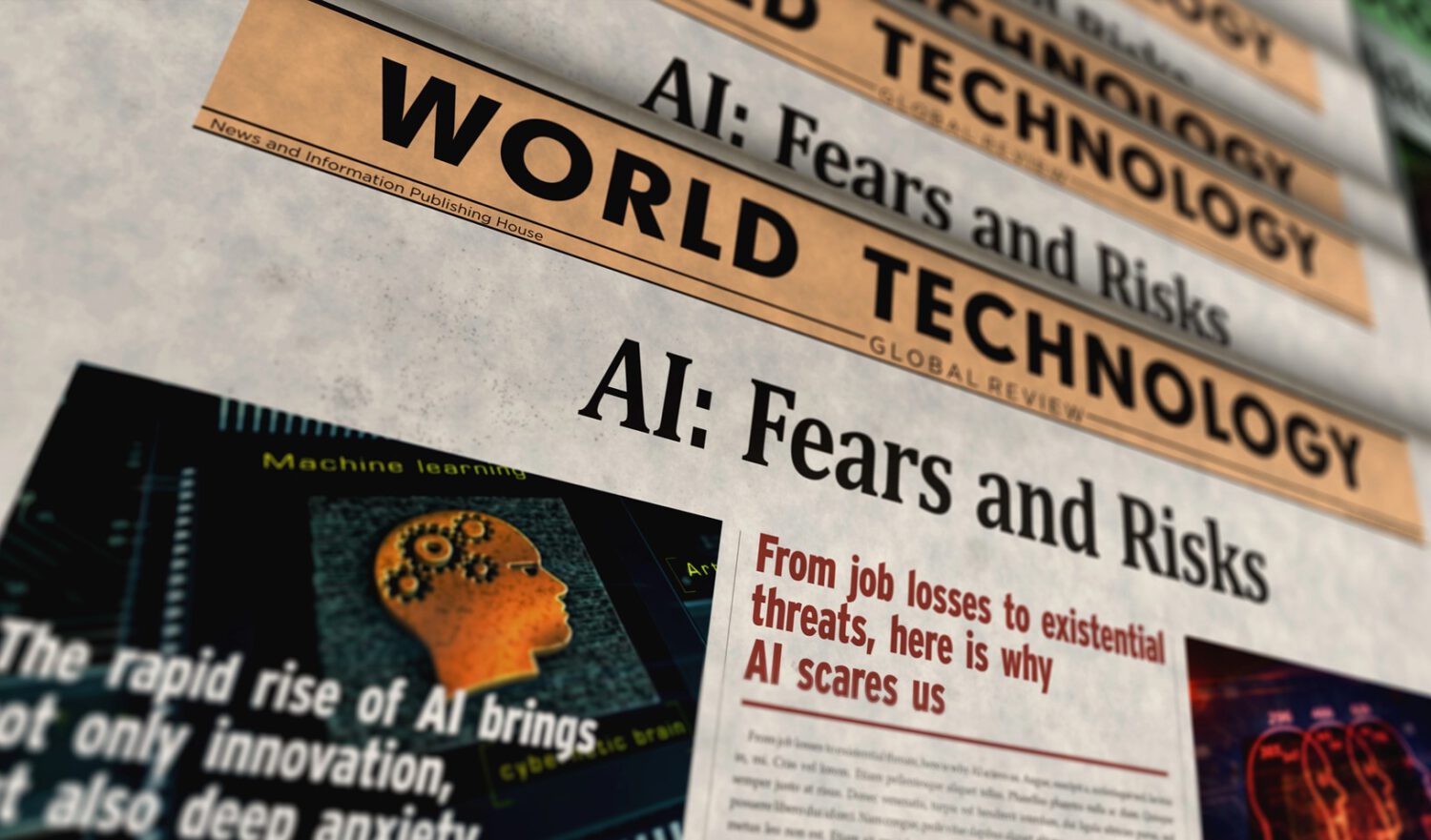
Roles Gates identifies as already under pressure or imminently at risk include:
- White-collar functions like customer service, sales, software engineering, and paralegal work
- Blue-collar sectors such as construction and hospitality, which Gates predicts will face robot competition by the end of the decade
- Entry-level positions young workers depend on to start careers
“AI will either be the greatest equalizer ever invented, or the worst source of injustice.” — Bill Gates, Gates Notes, August 26, 2026
Human Reserved: The Jobs AI Isn’t Allowed to Take
Gates introduces a framework for deliberately keeping certain roles in human hands — modeled, unusually, on the logic of nature reserves.
Gates calls the second proposal “Human Reserved” — a category of jobs society deliberately keeps in human hands, even when AI could perform them. He compares it to nature reserves: territory humanity chooses not to exploit because the loss would be irreversible. Some protections are permanent. A doctor delivering a terminal diagnosis shouldn’t be replaced by a chatbot, regardless of accuracy rates. Others are temporary buffers — a 55-year-old who has spent a career in construction can’t simply pivot to elder care overnight. Who decides which jobs qualify, and how those rules hold up across borders, remains unresolved.
The essay’s central charge cuts deeper than either proposal: there is currently no plan. Gates calls for new national institutions and a global oversight body modeled on nuclear inspection regimes and aviation regulation, warning that “even under the best circumstances, the transition to this new AI era will be one of the most turbulent times in human history.” Efforts like retraining programs backed by major tech players illustrate the scale of investment advocates say is needed.
Both proposals would directly compress margins for major AI labs and enterprises built on automation — which may explain why similar ideas tend to surface in policy conversations and then quietly stall. What gets decided, or doesn’t, in the next few years will define how much of Gates’ alarm turns out to be prophecy rather than warning.