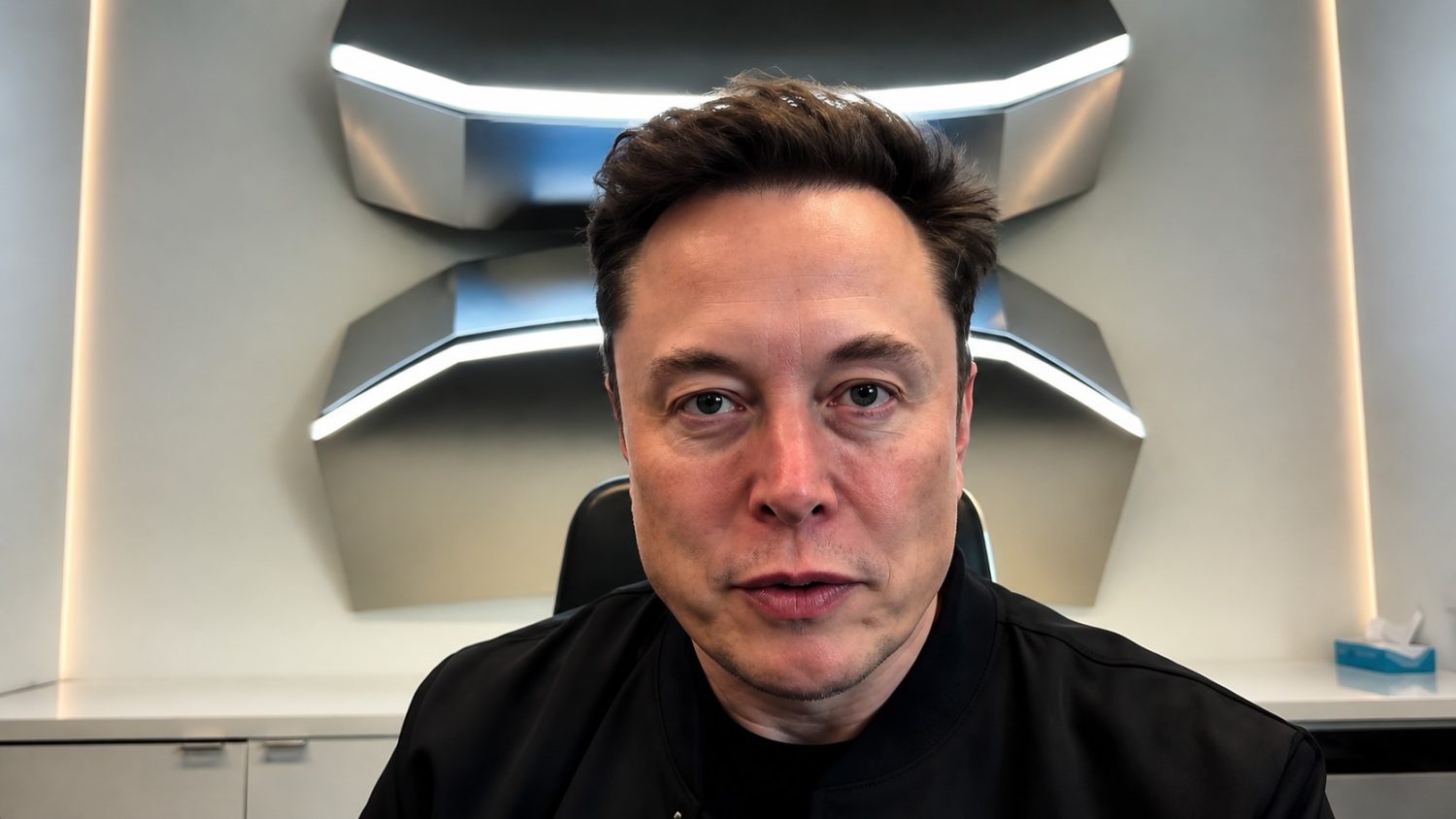
Two bills. Two customer service hold queues. Two passwords you’ve definitely saved in the wrong app. Elon Musk reportedly wants to collapse all of that into a single Starlink subscription covering your home internet and your phone. To be clear: this comes from secondary reporting, not an official Starlink product announcement. But it’s not coming from nowhere. Starlink’s Direct to Cell service is already live commercially with T-Mobile in the U.S. and One NZ in New Zealand — which means this isn’t someone sketching on a whiteboard. The infrastructure exists, and carrier partnerships are signed.
What Starlink Has Actually Built
Direct to Cell is a functioning commercial product, not a concept — but its current scope is narrower than the headlines suggest.
Dead zones have a confirmed enemy. Direct to Cell connects standard LTE phones to satellites without special hardware — Starlink’s own language promises coverage “wherever you can see the sky.” That’s a real product with real carrier partnerships, not a concept render. A few caveats worth knowing upfront:
- Direct to Cell is commercially available with T-Mobile (U.S.) and One NZ (New Zealand)
- Works with standard LTE phones; no special handset required
- Currently aimed at eliminating dead zones, not replacing your full mobile data plan
- Depending on carrier setup, some users may need an unlocked phone and open eSIM slot
- Expansion beyond current markets requires carrier agreements and regional regulatory approvals
The Gap Between the Claim and the Product
What Musk is reportedly describing goes well beyond what Starlink has announced — and that distance matters.
While Starlink’s actual service targets dead zones, Musk is reportedly describing something much larger: one account, one subscription, home Wi-Fi from the dish and phone data from orbit — what secondary coverage characterizes as a “comprehensive solution” for high-bandwidth home and mobile connectivity. Official Starlink materials confirm none of this. No launch date. No pricing model. No confirmed product spec.
If you live somewhere rural or off-grid, already written off by both your ISP and your carrier, this concept hits differently. The promise of one satellite-delivered bundle isn’t just convenient — it’s potentially the only viable option. And if Starlink actually delivers it, legacy telecoms face real pressure. Streaming didn’t kill the cable bundle overnight; it compressed it slowly, then suddenly. The same logic applies here, except the disruption arrives from orbit.
The infrastructure is live and carrier partnerships are already in place — the direction is unmistakable. What remains missing is the detail that actually affects your wallet: a confirmed date and a price. Fragmented connectivity is a real problem. Whether Starlink solves it on Musk’s timeline remains, for now, an open question.