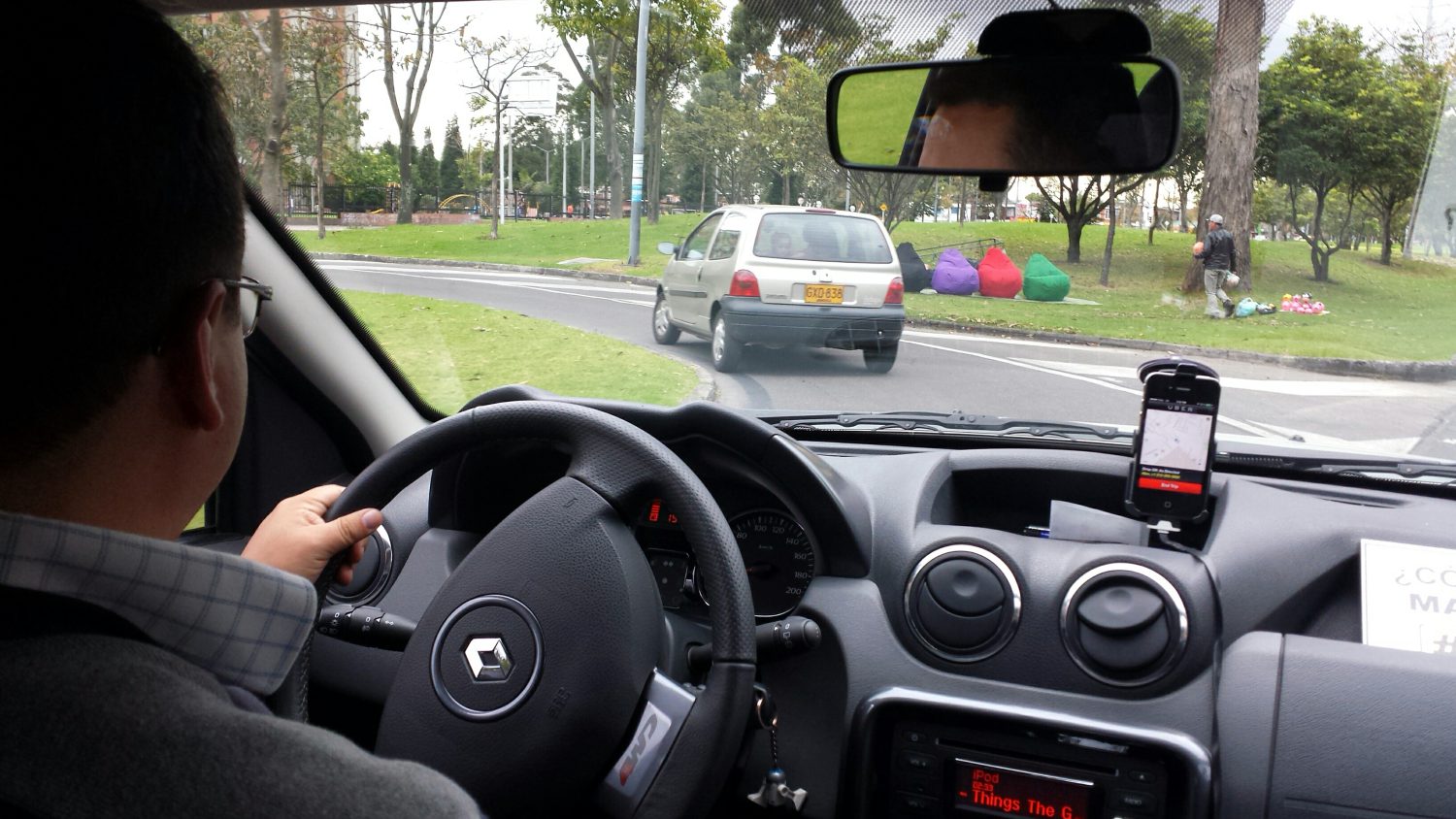
Your teen’s Uber goes quiet for twenty minutes and your brain starts filling in worst-case scenarios. Uber is building a feature around exactly that anxiety. Starting now in nine U.S. markets — with a national rollout coming within weeks — parents linked to a teen’s account can watch their kid’s ride unfold in real time through the driver’s front-facing camera. Teen accounts launched in 2023, and this is their most significant safety expansion since.
What Uber Built Into the Safety Stack
The new live video feature adds real-time parental visibility on top of the GPS tracking and PIN verification Uber already requires for teen trips.
Here’s how it actually works:
- The live stream runs through the driver’s selfie camera during active trips only
- Linked parents or guardians receive a push notification when live video becomes available
- Both the teen and driver are notified the moment a guardian starts watching
- The stream ends automatically when the trip ends; Uber says the video is encrypted and cannot be accessed afterward by anyone — driver, parent, or teen
- Drivers must maintain top ratings and clean safety records to qualify for teen trips at all
This isn’t Uber’s first camera-based safety tool. Record My Ride already lets drivers opt into front-camera recording during trips, with uploads available only for safety reports. Live video for teens extends that same logic — except now it streams directly to a parent’s phone in real time.
The Part Uber Isn’t Leading With
The feature arrives against a backdrop of serious litigation that makes the stakes for teen safety anything but abstract.
This feature rolls out while Uber faces thousands of sexual assault and misconduct lawsuits in state and federal courts, according to Reuters. That context isn’t incidental. It’s the reason Uber is stacking safety layers onto teen accounts faster than at any point in the product’s history.
There’s also a gap nobody has cleanly solved. Other passengers in that car — a friend, a stranger sharing the ride — are on that live feed too. They didn’t consent. There’s no opt-out for them, as TechCrunch has reported. Think of it as the always-on Ring doorbell problem, except the doorbell is pointed at people who had no idea they walked into frame — raising the same concerns seen when a tracking users scandal erupts without warning. Uber hasn’t offered a clear answer on this one.
If adoption holds and privacy complaints stay manageable, expect family-safety and ride-hail apps across the industry to follow. If the backlash grows, Uber will face real pressure to build controls it currently doesn’t have. Either way, the floor for what counts as “safe enough for teens” just moved — and readers evaluating broader monitoring tools may want to consider home security options alongside ride safety features.