You know the feeling. Great conversation, genuine connection, and then the crowd shifts, your friend pulls you away, and that person is gone. No name. No number. Just the specific, haunting knowledge that something real just slipped through your fingers. Craigslist Missed Connections used to be the absurd last resort. Now there’s PinPoint, a location-based reconnection app that turns shared physical moments into structured second chances — without requiring you to broadcast your life to strangers.
How the Pin System Works
PinPoint matches you only with people who were in the same place at the same time — nobody else sees a thing.
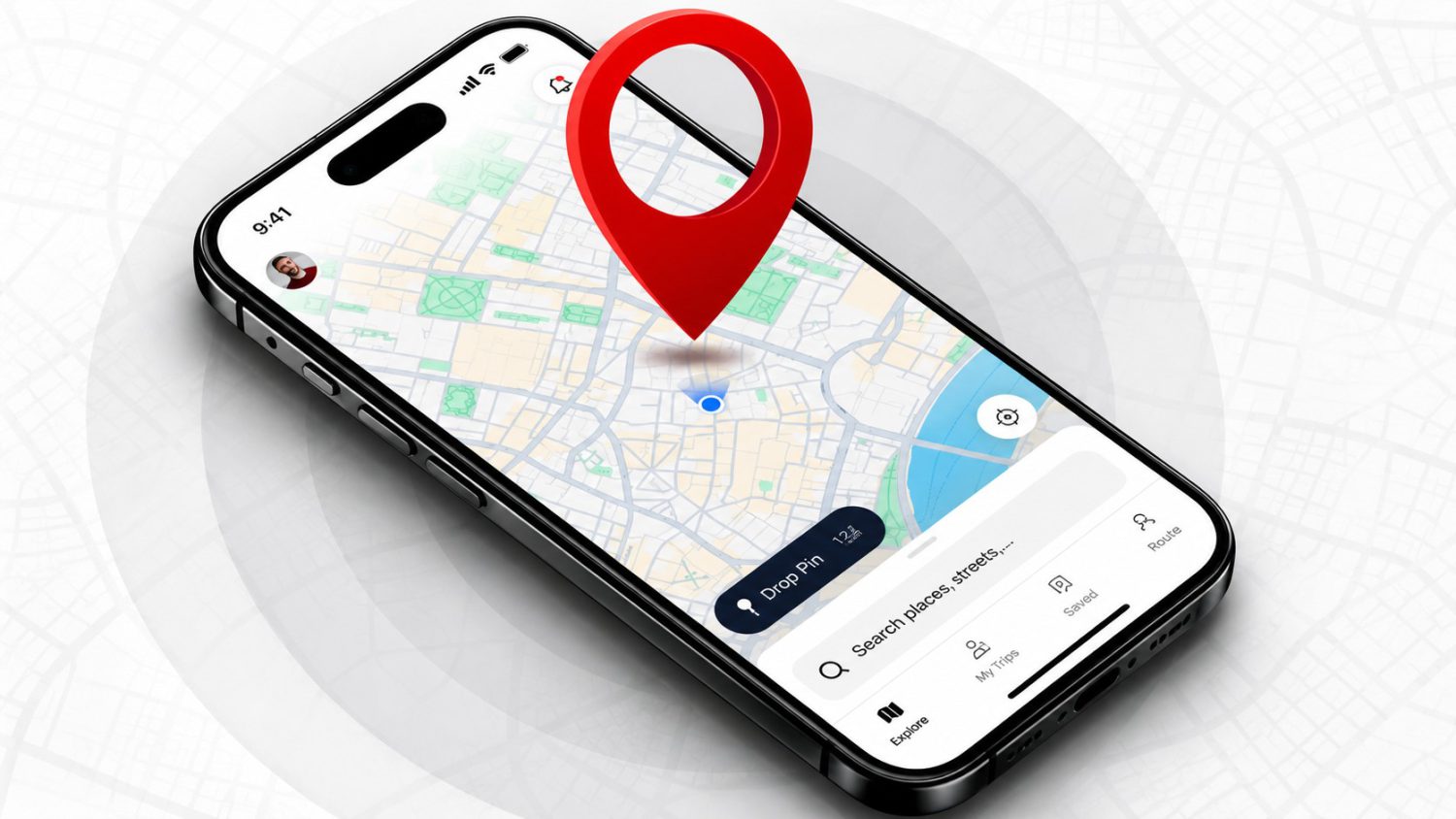
The mechanic is straightforward. Open the app, drop a pin at the exact spot where your moment happened — a bar table, a conference hallway, a festival stage — add an optional description of what you’re looking for, and set your search radius. Tight radius for a specific corner booth; wider for a whole park.
When another user drops a pin that overlaps yours in both location and time window, their profile surfaces. Browse their context, read their description, send a connection request. Contact details only transfer after both parties accept. A few features worth knowing:
- Pins default to 24 hours, with in-app upgrades extending visibility to 48 hours or up to 7 days
- The adjustable radius distinguishes between finding someone at your table versus your entire neighborhood
- An optional description field lets you add context
- Lost-and-found and event media recovery are also legitimate built-in use cases — tracking down whoever filmed that moment at the festival stage is a real option here
“Reconnect Where It Happened” is the app’s own positioning line. The pin-based mechanic, built with a real-time discovery engine and mutual-acceptance match flow, delivers on it in a way most location-sharing tools don’t attempt.
The Honest Limitations
PinPoint’s model succeeds in dense, event-heavy environments and stalls in low-density ones — a cold-start reality the platform hasn’t yet escaped.
Here’s the uncomfortable truth about any location-based social product: it only works where people are already using it.
Drop a pin at a packed festival stage or a crowded rooftop bar, and PinPoint’s model makes real sense. Drop one in a quiet suburb on a Tuesday afternoon, and you’re pinning into a void. The app’s 2,500-plus users and roughly 20,000 social followers are figures the founder — reportedly 22, building this alongside a full-time job — has shared publicly but haven’t been independently verified. That’s not a knock; it’s early days. It’s context you deserve before downloading.
What PinPoint has going for it is genuine design restraint:
- No feed
- No follower counts
- No always-on location tracking that makes you feel surveilled
- Contact details transfer only after mutual acceptance — users control exactly who receives their information, and no data moves until both parties opt in
That’s a meaningful structural difference from anything a surveillance app offers.
The Verdict
PinPoint is free to download on iOS and Android, with in-app purchases for extended pin duration. If your life involves events, networking, or the occasional lost wallet — and you live somewhere with enough users to make the math work — it’s worth a try. The approach is genuinely different, the privacy model is intentionally constrained, and sometimes that’s enough to earn a slot on your home screen.