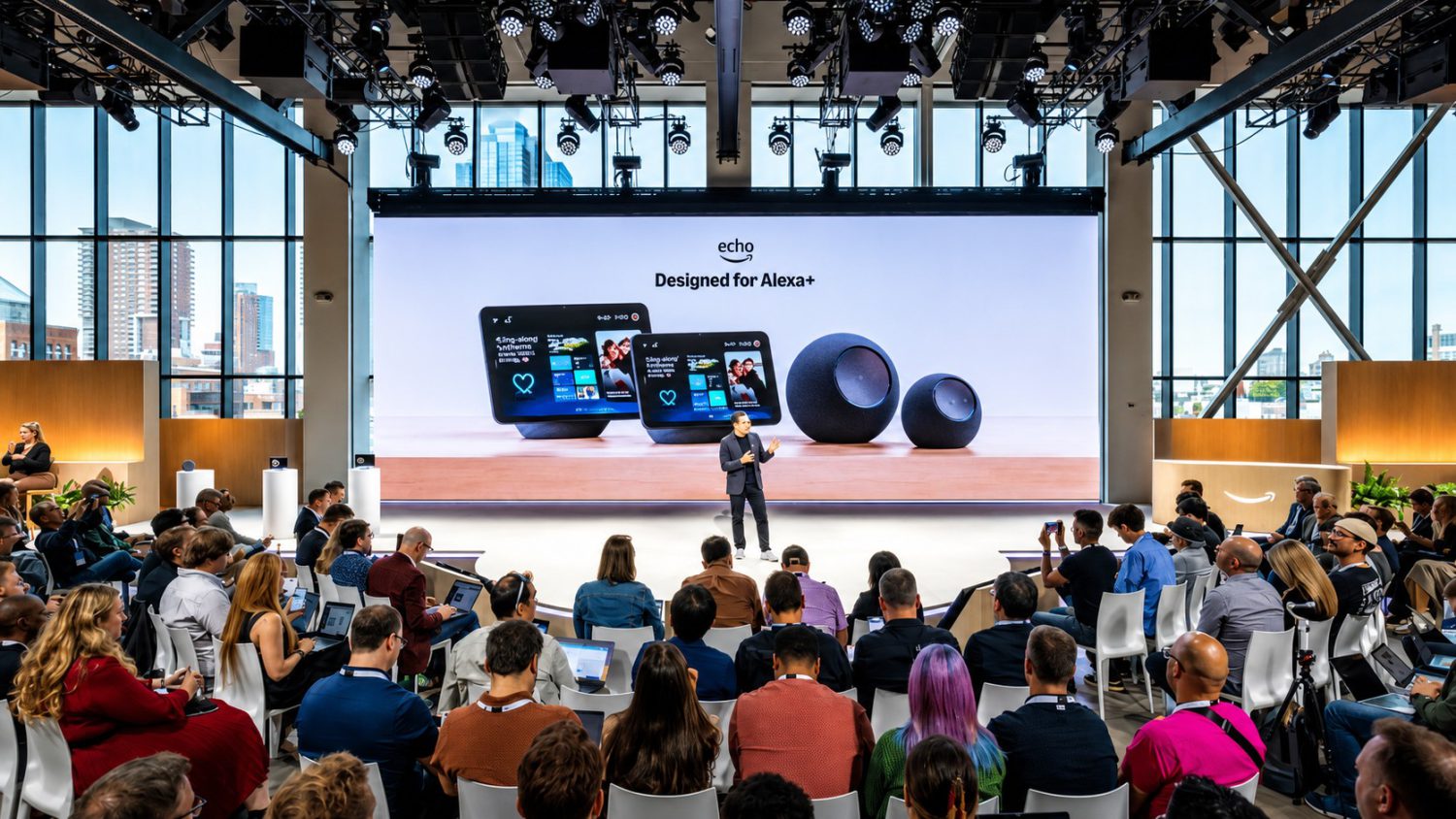
The Echo Dot used to be the checkout-lane gum of consumer tech. Toss it in the cart for $49.99, barely think about it. That era quietly ended. As of August 2026, Amazon has repriced its hardware lineup across Echo, Kindle, Fire TV, and eero product lines — with increases reaching 60% — according to reporting by The Verge and Fortune published August 21–22, 2026.
Everything Changed at Once
This wasn’t one product having a bad quarter — Amazon repriced entry-level devices across multiple lines at the same time.
Amazon told Fortune the culprit is “significant increases in memory and storage component costs,” which the company says it absorbed for as long as it could before adjusting prices. That’s a reasonable explanation. It’s also the same thing every streaming service said right before your $9.99 subscription quietly became $17.99 — and worth noting that Amazon’s claim remains unverified corporate messaging rather than an independently confirmed cost timeline.
Here’s what the numbers actually look like:
- Echo Dot (5th gen): $49.99 → $79.99 (60% increase)
- Fire TV Stick 4K Max: $59.99 → $84.99
- Kindle (16GB): $109.99 → $149.99
- Kindle Paperwhite (16GB): $159.99 → $199.99
- Echo Spot: $79.99 → $109.99
- Echo Show 21: $399.99 → $499.99 (note: model naming varies across some outlets; verify current SKU before purchase)
- eero Pro 7 (3-pack): $699.99 → $799.99
The hardest-hit products are the entry-level devices — the Echo Dot and base Kindle — historically Amazon’s easiest impulse buys. Those are now meaningfully more expensive, which raises a real question about how frictionless ecosystem adoption stays when the on-ramp costs more.
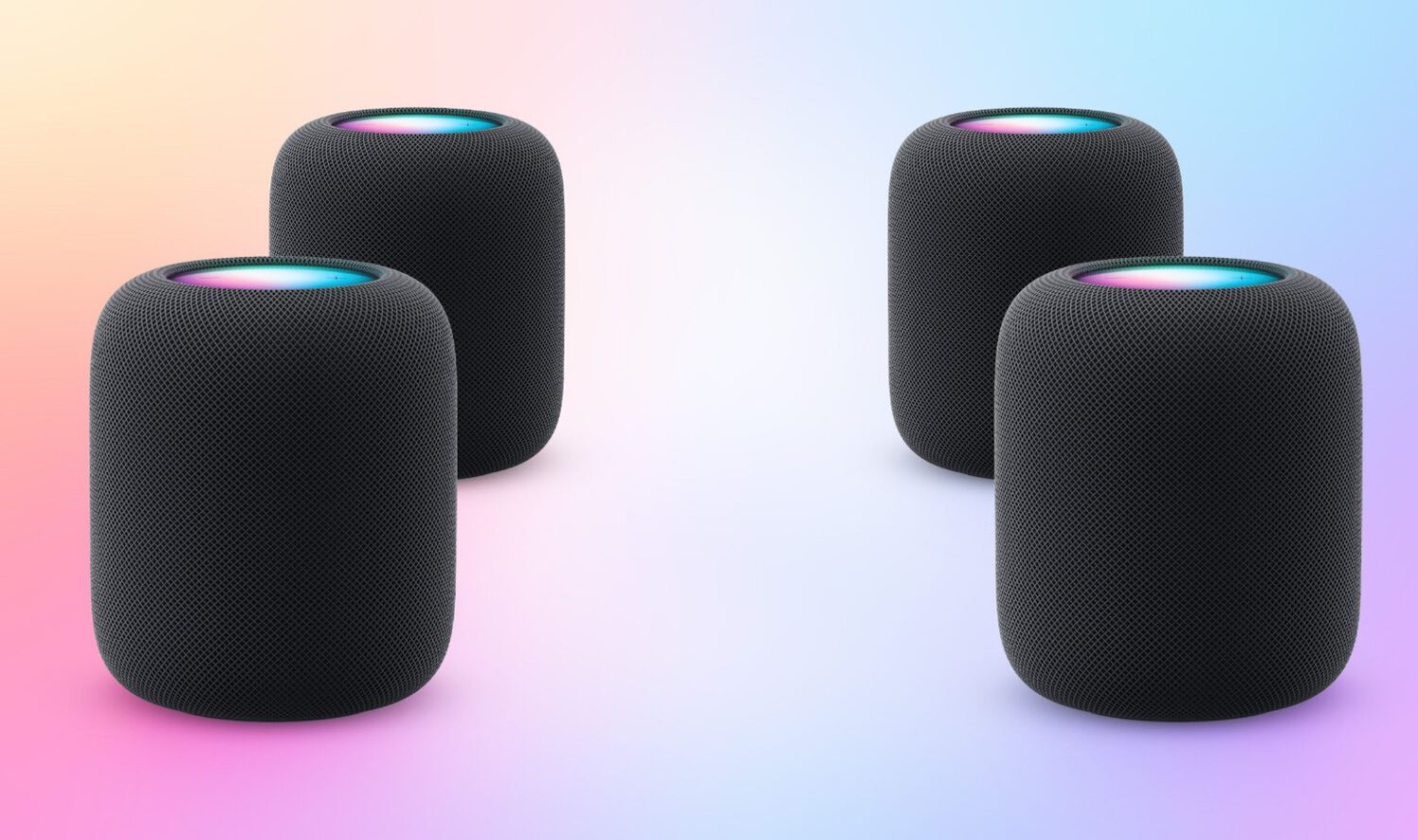
Amazon isn’t alone here. The Verge noted that Apple also raised HomePod mini prices this summer in some markets. But the structural situations are different. Apple sells hardware as the main event. Amazon sells hardware as the invitation — the cheap front door into Prime, Audible, Kindle libraries, and Alexa habits. When the door gets expensive, fewer people walk through it casually.
What Wasn’t Touched – and Why That Matters
Ring cameras, doorbells, and the Echo Studio were spared this round, signaling these hikes were targeted rather than a blanket ecosystem reset.
That selectivity is worth tracking. Amazon apparently still wants frictionless entry into home security, even as it raises the price of your living-room speaker. The deeper question — whether this is a temporary response to component inflation or a longer-term recalibration of Amazon’s hardware pricing strategy — won’t be answered by corporate press releases. It’ll be answered by memory and storage commodity markets, which operate entirely on their own schedule.
If an upgrade has been on your radar, the math just changed. Same devices, steeper entry point. Whether Amazon reverses course depends on whether memory and storage costs come back down — and that timeline belongs to the component market, not to Amazon.