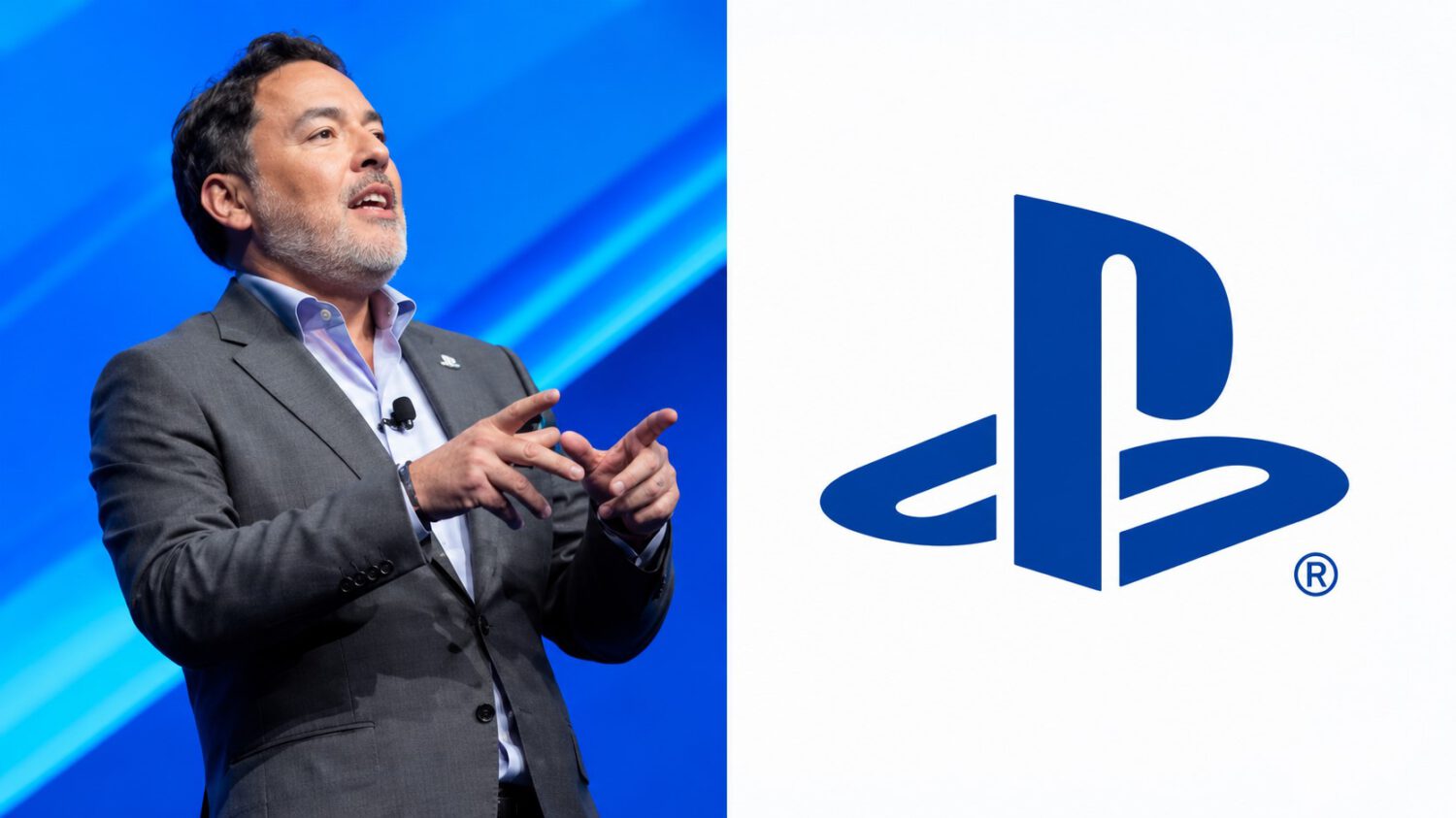
Sony announced in July 2026 that physical disc production for new PlayStation games ends in January 2028. One of the most senior executives in PlayStation’s history has said publicly that the decision is a mistake.
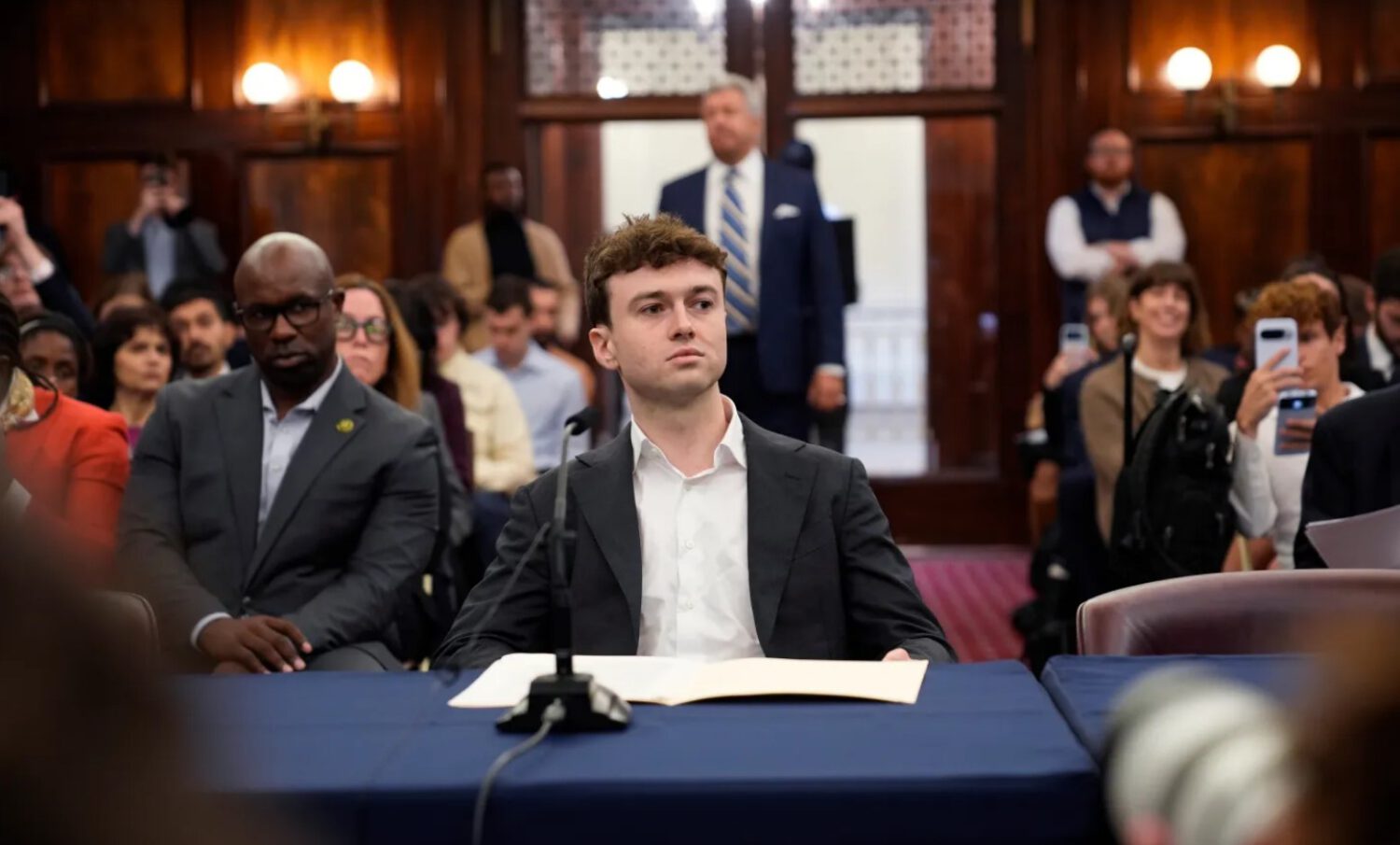
Shawn Layden, former chairman of PlayStation Studios and former CEO of Sony Interactive Entertainment America, said plainly during an appearance on The Expansion Pass podcast: “I don’t agree with that decision.”
Layden Defends the Physical Minority
Layden argues that a shrinking share of physical buyers does not make them less important to PlayStation’s future.
Speaking on The Expansion Pass, Layden used a hypothetical 80% digital, 20% physical split to frame his argument. He presented the ratio as an illustration, not a confirmed Sony statistic; Sony has separately reported that approximately 80% of full-game software sales were digital during its 2025 fiscal year, though the underlying filing was not available to independently confirm that figure.
His point was direct: that remaining 20% is not a rounding error. “But that’s a super important 20%,” he said.
Layden described physical buyers as “the most faithful of the faithful,” the kind of collector who buys one copy to play and another to keep sealed on a shelf. He compared the behavior to comic-book collecting, where the object carries meaning beyond its contents.
The Real Argument Is About Ownership
Layden’s deeper concern centers on what a digital purchase actually gets you, and what it does not.
When you buy a disc, you own a physical object. You can resell it, lend it, or store it independently of any platform account. When you buy a digital video games, you are generally licensing access to it under platform rules that can change.
Layden argued that an all-digital model raises what GamesRadar described as the “insidious discussion of game ownership.” That includes what happens to your library if a storefront closes, an account gets restricted, or a publisher pulls a title.
The distinction is real but not absolute. Many modern physical games still require patches, online services, or additional downloads to function fully. The question Layden raised still stands: if you cannot resell it, lend it, or retain it independent of a corporate account, what exactly did you buy?
“I don’t agree with that decision,” he said, referring to Sony’s disc policy.
Sony’s Rationale and Layden’s Limits
The disc decision reflects consumer trends; Layden’s critique reflects what he believes those trends leave out.
Sony’s PlayStation Blog announcement attributes the change to shifting consumer behavior and a broader entertainment-industry move away from physical media. New releases will remain available digitally through the PlayStation Store, and retailers may sell digital game codes. This is a disc format decision, not the disappearance of new games from retail channels entirely.
Layden acknowledged he has no visibility into Sony’s internal financials. He described the decision as likely the product of detailed cost and profitability analysis, per his comments on The Expansion Pass. His objection is strategic and cultural, not a claim that Sony’s numbers are wrong.
What This Means for You as a Player
Starting in 2028, the nature of buying a new PlayStation game changes in a meaningful way.
Beginning in January 2028, purchasing a new PlayStation game will generally mean accepting a license rather than acquiring a physical object. For most players, that transition may feel seamless. For a committed minority, it changes the terms of the purchase entirely.
Layden’s position, as he expressed it on The Expansion Pass, is that Sony is undervaluing a loyal segment of its audience to follow a distribution trend. Whether that is the right call is Sony’s decision to make, but the ownership question he raised will apply to every new digital storefront purchase you make going forward.