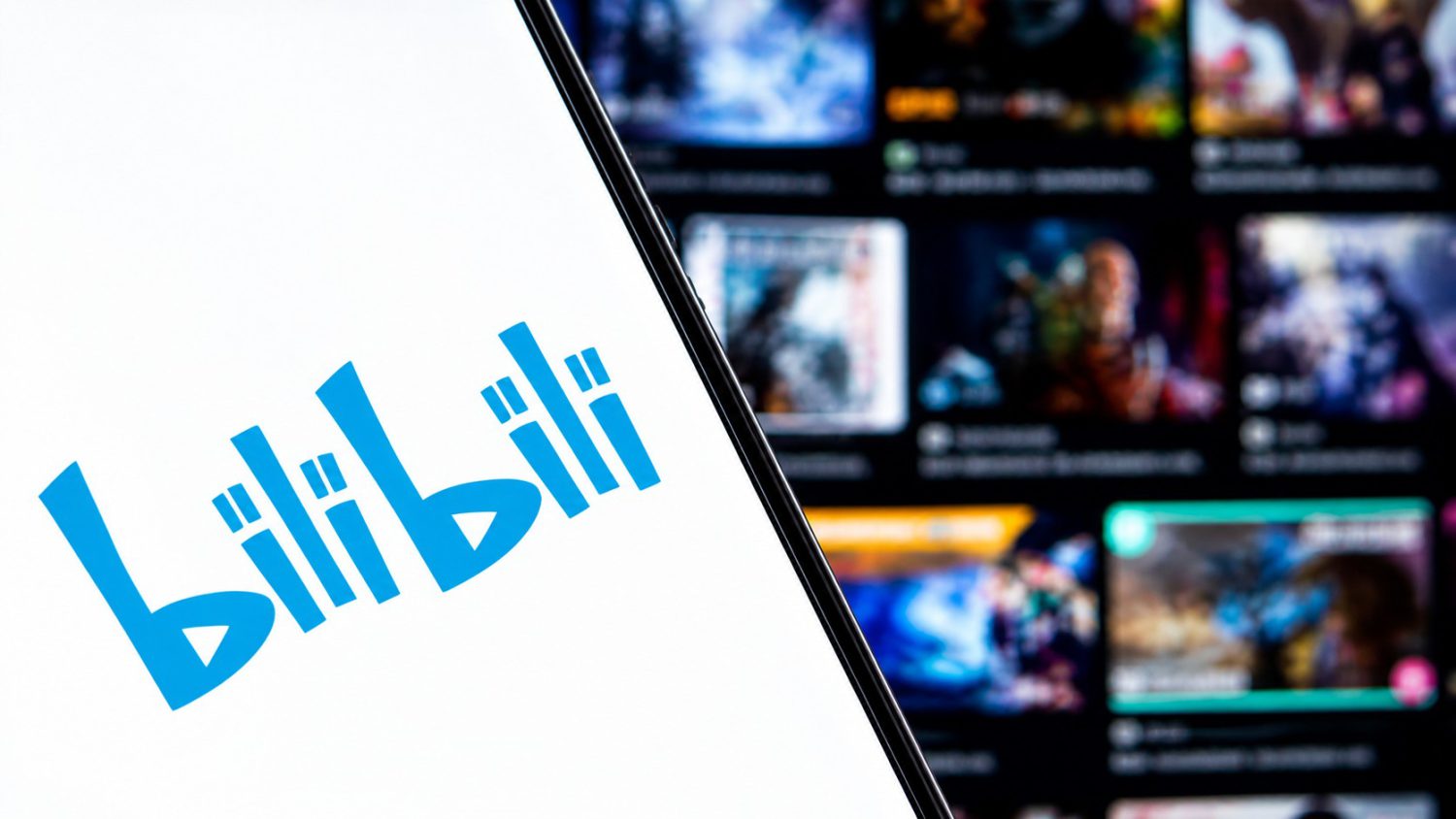
If you create anime recaps, gaming content, or VTuber coverage and feel like YouTube’s algorithm treats you like a footnote, Bilibili just knocked on your door. China’s largest video platform — think YouTube crossed with Twitch, then filtered through a decade of otaku culture — has relaunched its international Android app globally, dropped the passport verification requirement that made overseas sign-ups feel like a customs interrogation, and started hiring community staff in Los Angeles, London, Mexico City, São Paulo, Istanbul, and Tokyo. That’s a real move. It’s also an incomplete one.
What Bilibili Actually Is (and Why It’s Different)
Danmu comments, donghua libraries, and VTuber conventions make this platform genuinely unlike anything Western audiences have used before.
Forget TikTok as your reference point. Bilibili runs long-form video, live streaming, and community features on a single platform — closer to YouTube and Twitch in structure. Its signature trick is danmu: live bullet comments that scroll across the screen as you watch, turning every video into a group viewing experience. It’s chaotic, communal, and oddly addictive. The content library leans hard into anime, gaming, and donghua (Chinese animation), with licensing deals spanning Netflix, Crunchyroll, and regional broadcasters across 190-plus territories, per Bilibili’s own PR materials. Its annual Bilibili World convention draws Ubisoft, CD Projekt Red, and major VTuber agencies. This isn’t a platform built around dance trends.
Here’s what’s actually confirmed right now:
- International Android app is live globally via Google Play; iOS is planned but not yet updated
- Overseas users no longer need to submit a passport or ID to register
- An English-language website is “coming soon” — not live
- Bilibili is hiring community managers in LA, London, Mexico City, São Paulo, Istanbul, and Tokyo
- A creator-brand marketplace for sponsored content is in development, with no launch date disclosed
Bilibili’s creator pitch materials — reported by Memeburn — describe the platform’s audience as “Gen Z coded, affluent and well-educated.” Revenue-sharing, virtual gifting, and a creator marketplace are all promised. None of those monetization structures have been finalized or publicly detailed. Creators considering the platform are being asked to bet on a promissory note.
The Real Obstacles
Even setting aside regulatory pressure, Bilibili inherits a familiar headwind: markets YouTube has owned for nearly two decades.
TikTok — also Chinese in origin — spent years navigating Western regulatory heat over data handling, and that battle isn’t over. Bilibili faces similar scrutiny, and none of the available reporting details its international privacy policy with any specificity. India, one of the world’s largest online video markets, is conspicuously absent from Bilibili’s hiring cities — a quiet acknowledgment of the geopolitical walls Chinese apps face there.
The Android app is real, and the gaps are equally real. If your content lives at the intersection of anime, gaming, and Gen Z fandom, Bilibili is worth monitoring closely. Just don’t restructure your channel around it until the iOS app, the English site, and an actual payment structure exist.