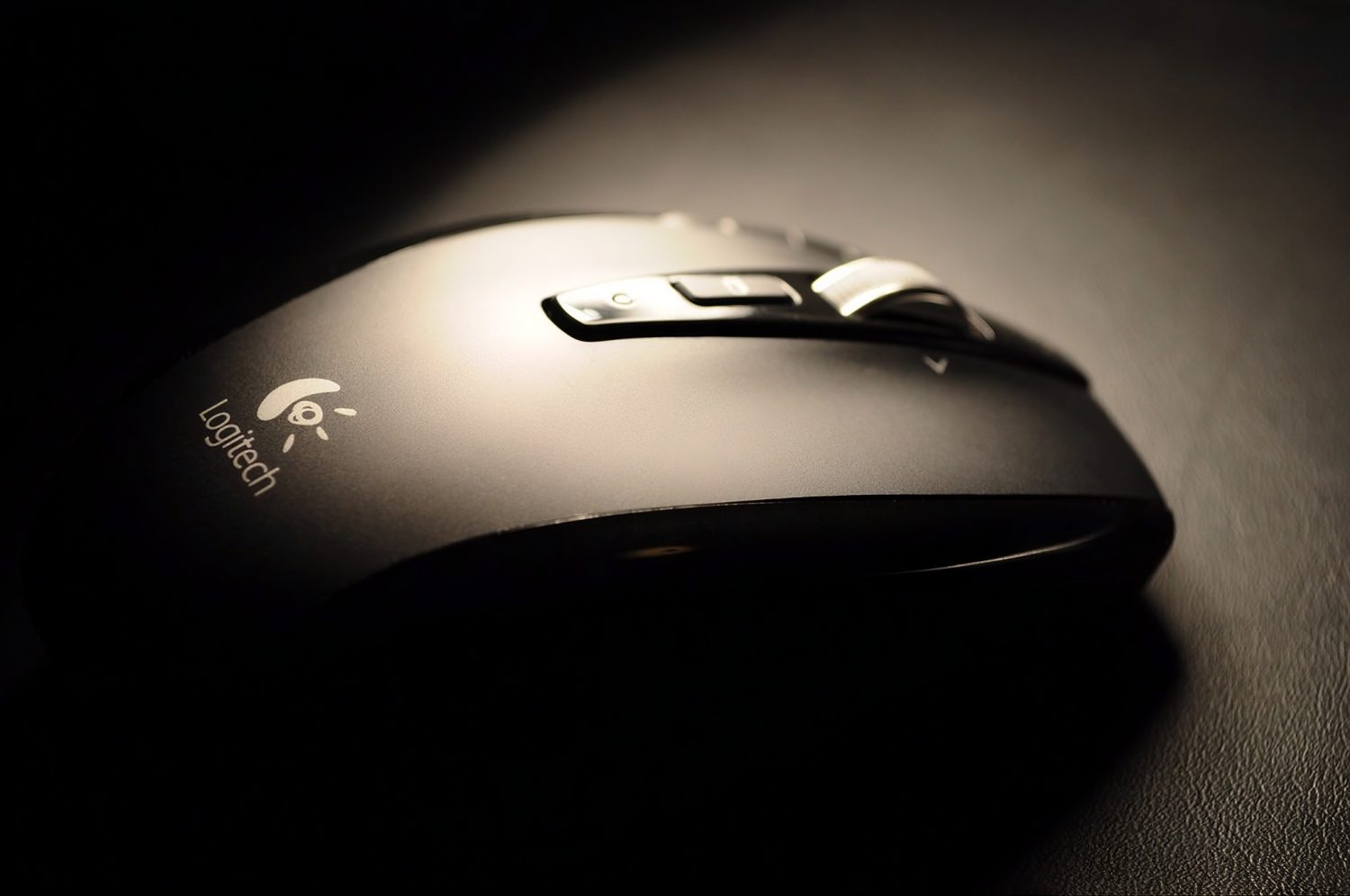
Consumers who bought Logitech webcams or keyboards in spring 2025 faced noticeably higher prices — and the company pointed to tariffs as the reason. Now a proposed class action filed in U.S. District Court for the Northern District of California alleges Logitech raised prices on 51% of its product portfolio — some items by as much as 25% — then quietly received $61 million in government tariff refunds and passed exactly zero of it back to customers.
The Setup – Price Hikes, Investor Calls, and a $61 Million Question
Logitech’s own investor communications may turn out to be its biggest liability in court.
The complaint leans heavily on Logitech’s own words. CFO Matteo Anversa told investors in May 2025 that “the positive impact of the US price actions and favorable foreign exchange more than offset the impact of tariffs and higher promotions.” In plain terms: customers absorbed the tariff hit so thoroughly that Logitech reportedly came out ahead. Then, according to the complaint, the government sent $61 million in government tariff refunds back — $15 million in fiscal Q1 2027, another $46 million after quarter end.
Key case details at a glance:
- Plaintiffs: SJK Development and California resident Ala Awadalla
- Filed in: U.S. District Court, Northern District of California, San Jose Division
- Tariff refund alleged: $61 million total ($15M in fiscal Q1 2027; $46M after quarter end)
- Relief sought: Declaratory judgment requiring Logitech to distribute IEEPA tariff refund proceeds to customers
- Logitech’s response: The company had not responded to press requests for comment at time of reporting
“The positive impact of the US price actions and favorable foreign exchange more than offset the impact of tariffs and higher promotions.” — Logitech CFO Matteo Anversa, May 2025, as cited in the complaint
The Legal Hook – A Supreme Court Ruling Changes Everything
The tariffs were ruled unlawful — but what happens to the money collected is still unresolved.
In February 2026, the Supreme Court ruled that the International Emergency Economic Powers Act (IEEPA) does not authorize the President to impose tariffs, making those duties unlawful. That decision cracked open the refund question across the industry. A Congressional Research Service summary notes, however, that the Court left refund mechanics unresolved — even as Justice Kavanaugh indicated that refunds could ultimately be required. That legal gap is precisely where this lawsuit is staking its claim.
Logitech is not alone in facing this pressure. Microsoft, Nintendo, and Sony face similar suits stemming from the same ruling. Nintendo’s early defense — that customers “received exactly what they paid for,” per Ars Technica’s reporting on a Nintendo court filing — previews the argument Logitech will likely run. There is also the arbitration question. Logitech’s end-user license agreement could force individual customers into arbitration, which is the legal equivalent of divide and conquer. Class actions rarely survive that maneuver intact, and it may prove to be the real battleground here long before any refund question reaches a judge.
What’s Actually at Stake Here
This case could set a precedent for how companies handle tariff refunds across the entire consumer electronics industry.
If the plaintiffs prevail, the ruling could establish that companies cannot publicly blame tariffs to justify price increases, collect government reimbursements, and offer customers nothing in return. The arbitration clause may short-circuit this case before it reaches that question — but the fact that it is being asked at all suggests courts and consumers are scrutinizing corporate tariff arithmetic far more closely than before.