Retailers have been deploying technology to track shoppers and combat theft since 1966. That means your casual stroll down an aisle doubles as a data-gathering expedition, whether you realize it or not. Modern surveillance has evolved past simple tags, transforming every aisle into a data-collection point. What started as basic anti-shoplifting measures has morphed into a sophisticated system of electronic eyes and algorithms, turning your shopping trip into a real-time data stream. For anyone who has ever wondered how that eerily specific targeted ad landed so perfectly, understanding these hidden mechanisms is crucial. The question isn’t whether stores are watching; it’s by what methods, and how much they see.
9. Sensormatic Electronic Article Surveillance (EAS) Tags and Gates
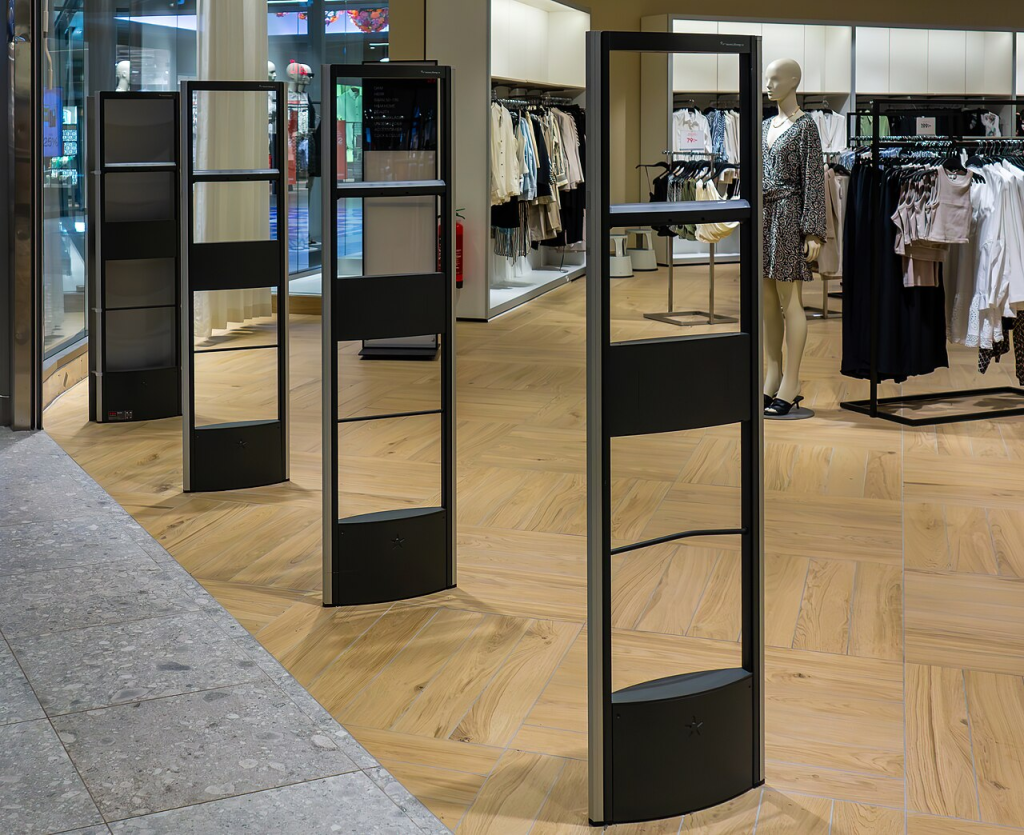
The original retail bouncer that never takes a break.
Sensormatic was founded in 1966 by Jack Welch and Ronald Assaf to combat shoplifting, introducing one of the first commercial Electronic Article Surveillance (EAS) systems. Initial designs featured discreet tags sewn inside apparel, triggering alarms at exit pedestals if not deactivated at checkout. By the 1970s, the strategy shifted to large, visible white plastic hard tags that acted as a clear deterrent rather than hidden detection.
Sensormatic’s technology later expanded into RFID, computer vision, and analytics for comprehensive loss prevention. Walking through their ubiquitous gates at store entrances has become a standard retail experience. That brief, heart-stopping moment when an alarm triggers signals unpaid merchandise leaving. This foundational system transformed modern security, making every store exit an active checkpoint where electronics verify your transaction before you reach the parking lot.
8. Retail Barcodes / Universal Product Code (UPC)
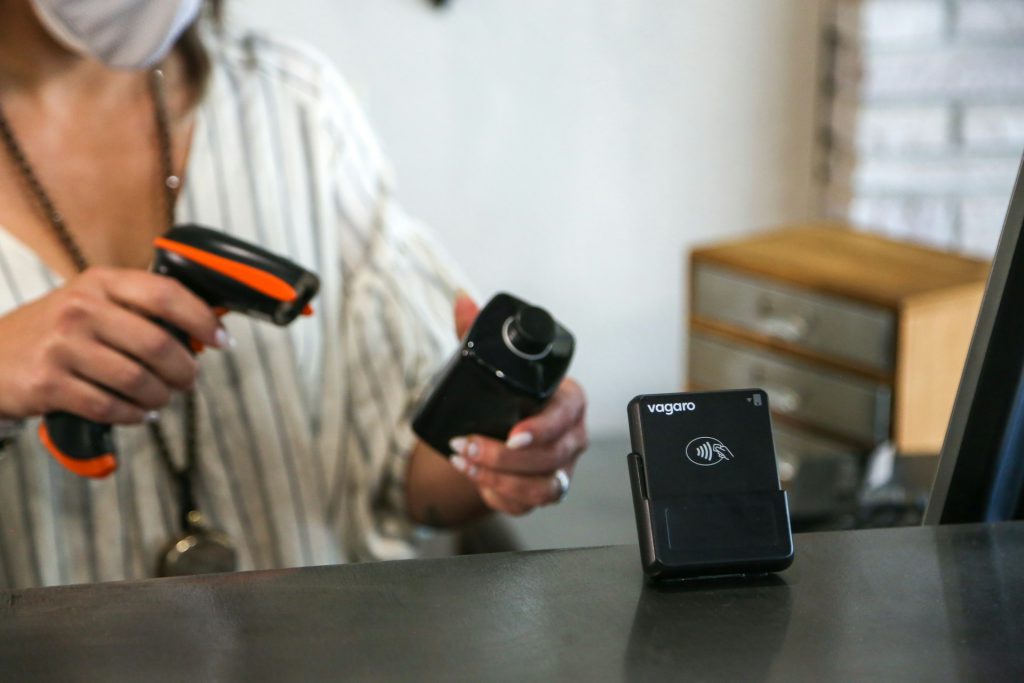
The digital fingerprint that revolutionized checkout lines worldwide.
The first commercial Universal Product Code (UPC) scan occurred on June 26, 1974, fundamentally changing how goods moved through stores. This technology, initially patented in 1952 by Norman Joseph Woodland and Bernard Silver, was standardized into an 11-digit product code by the US grocery industry. IBM’s rectangular linear symbol, designed by George J. Laurer in 1973, became its visual counterpart.
Every product gained a distinct digital fingerprint for rapid machine readability. That familiar beep at checkout started with a 10-pack of Wrigley’s Juicy Fruit chewing gum at a Marsh supermarket in Troy, Ohio. This simple act transformed inventory control, dramatically accelerated checkout speeds, and became the unsung hero of supply-chain automation. Retail logistics began flowing with machine precision, tracking every item from warehouse to shopping bag.
7. Target Pregnancy Prediction Analytics (Andrew Pole’s Model)

When your shopping cart reveals secrets before family gatherings do.
In the early 2000s, Target developed the ability to identify pregnant customers with surprising accuracy. Statistician Andrew Pole and his team reverse-engineered purchasing data from women who registered with Target’s baby registry, looking backward at their pre-registration purchases. They identified about 25 key products—including unscented lotions and specific vitamin purchases like calcium, magnesium, and zinc—whose timing correlated strongly with pregnancy.
This enabled a “pregnancy prediction score” that could estimate likely due dates and trigger stage-specific coupon mailings. Prenatal vitamin purchases might generate diaper coupons arriving before official announcements were made. A widely reported anecdote about Target inadvertently revealing a teen’s pregnancy to her father through targeted mailers became an influential case study in data-privacy ethics, though later analyses suggest the specific story contains partly mythic elements even if the underlying analytics are real.
6. Apple iBeacon (Bluetooth Low-Energy Beacons)
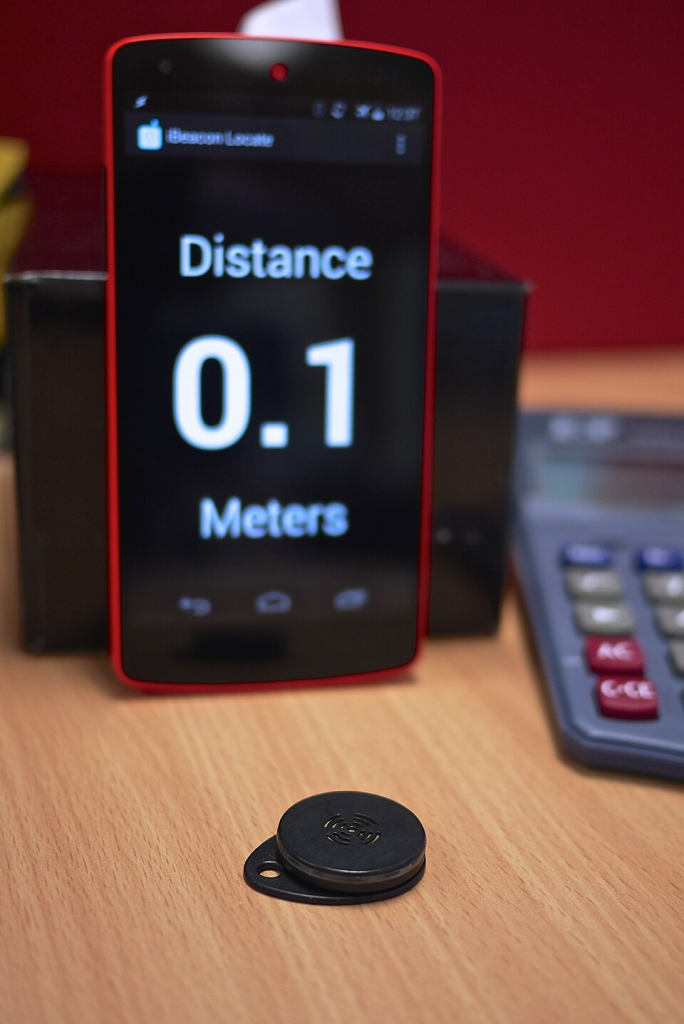
Indoor GPS that knows exactly where your wallet is wandering.
Apple rolled out iBeacon with iOS 7 at WWDC 2013, kickstarting micro-location awareness in retail spaces. These small Bluetooth Low Energy (BLE) transmitters broadcast unique identifiers that compatible smartphone apps can detect. The technology determines proximity—far, near, or immediate—and triggers location-based actions accordingly.
Apple activated iBeacons across its US retail stores in December 2013, delivering in-store messages through the Apple Store app. This system estimates proximity indoors without relying on GPS, proving valuable for retail, museums, and events. Walking down an aisle might trigger a deal notification for the exact product within arm’s reach, enabling granular customer tracking and targeted promotions based on real-time location data.
5. Target Mobile App In-Store Location / Beacon Tracking
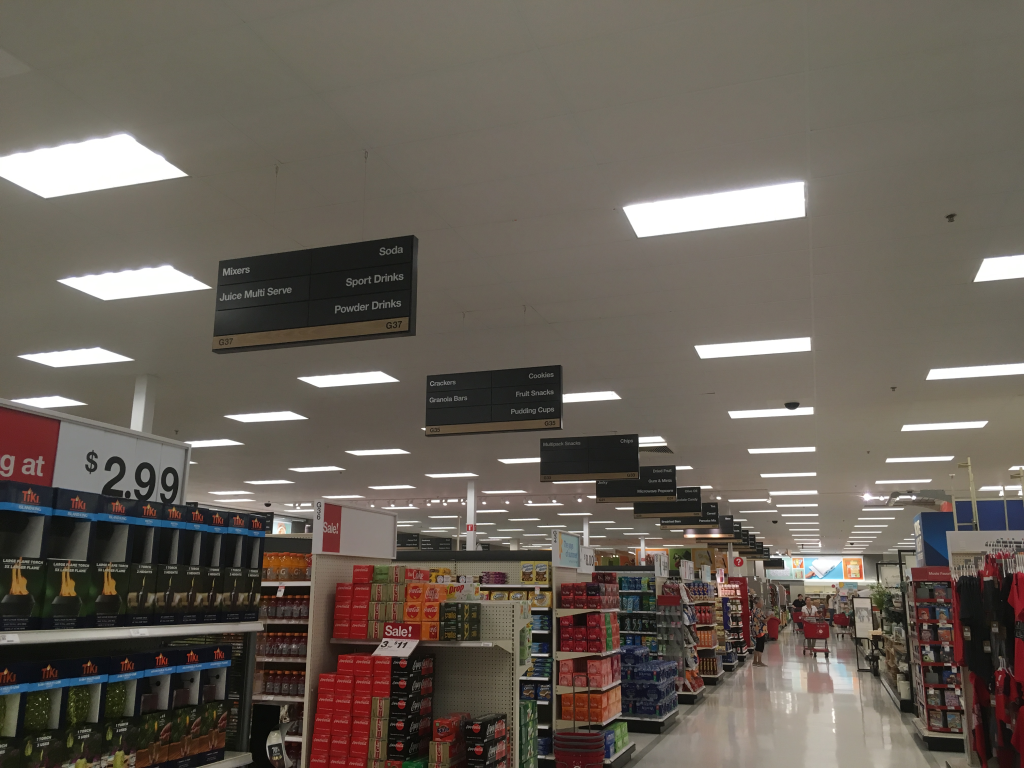
Retail navigation that makes wandering aisles feel less like a scavenger hunt.
Target’s privacy policy explicitly states that precise geo-location can be determined via Bluetooth signals or LED light chips, offering a navigation solution for sprawling retail spaces. Beginning with pilots around 2015, Target installed Bluetooth beacons and Bluetooth-enabled LED smart lighting to show a shopper’s real-time position on a store map within the Target app.
This system provides a real-time blue dot on the in-app store map, described as “GPS for your shopping cart.” Tapping an item on a shopping list directs users to its exact aisle location, plus nearby deals. The feature is opt-in, requiring users to enable location services and allow the app access under applicable privacy laws. The system also supports path optimization for employees and can auto-sort shopping lists based on the area of the store currently being navigated.
4. PortaPack H2 (for HackRF One Software-Defined Radio)
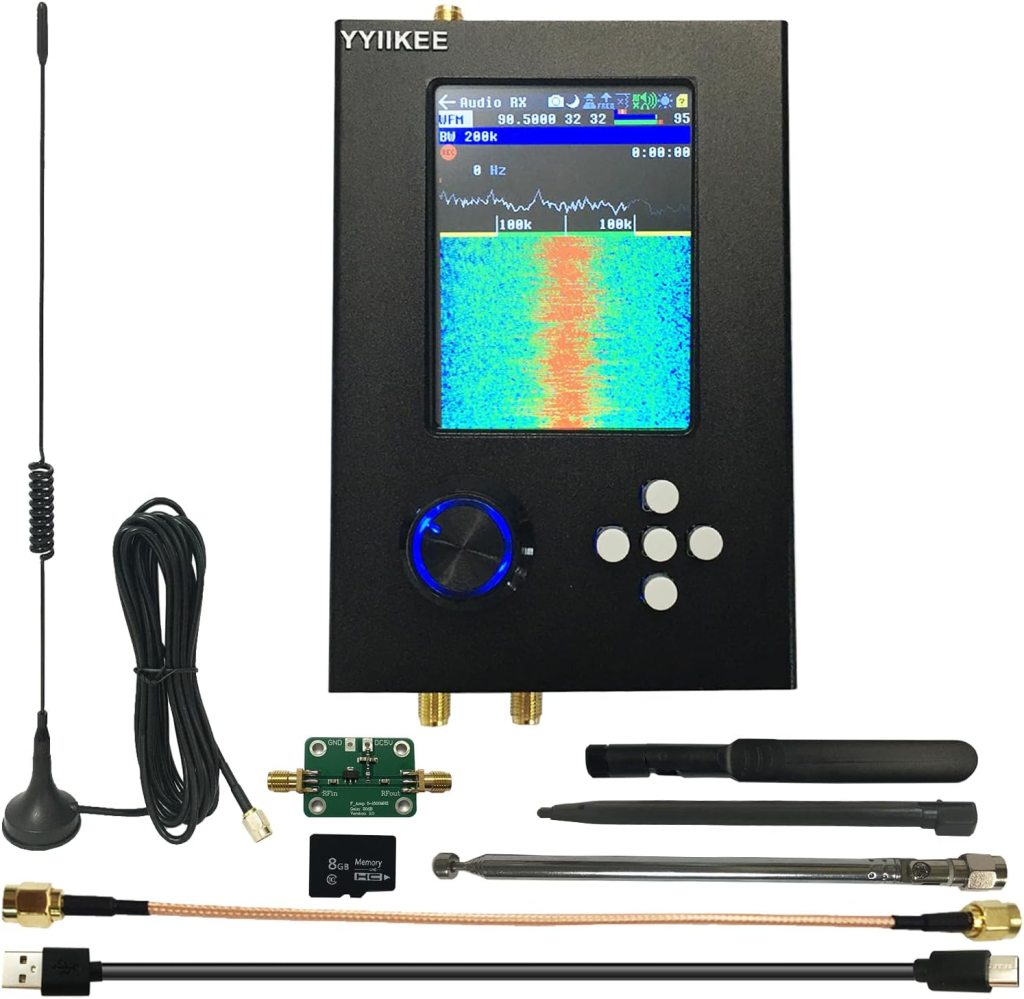
The portable radio toolkit that turns signal hunting into field work.
A PortaPack H2 transforms the HackRF One software-defined radio (SDR) into a portable, standalone transceiver controlled via an onboard screen rather than a computer. It features a 3.2-inch 240×320 TFT LCD with resistive touch, navigation controls, audio input/output, real-time clock, and microSD card slot. Operating half-duplex from about 1 MHz to 6 GHz, it allows monitoring and recording diverse radio frequency signals.
Firmware such as Mayhem provides functions including SSB/AM/FM reception, spectrum analysis, signal capture/replay, and decoding of systems like AIS (ship tracking) and TPMS (car tire sensors). This compact device is popular among RF hobbyists and security researchers for field work like signal sniffing and exploring wireless protocols without needing a laptop. The hardware enables portable analysis of the invisible radio spectrum surrounding retail environments.
3. Flock Safety License Plate Reader (LPR) Cameras
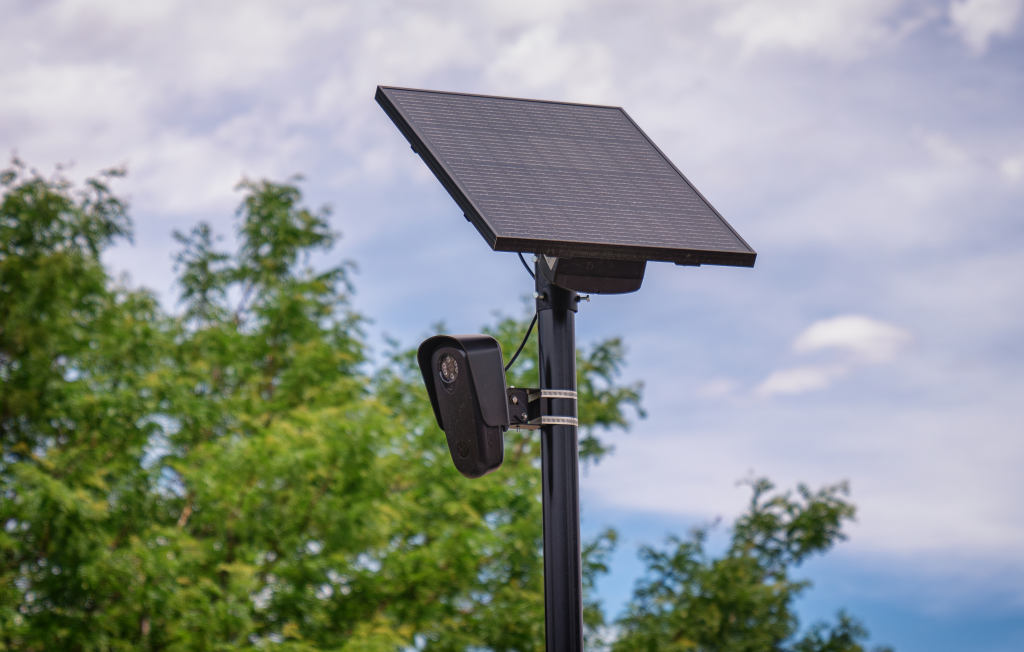
Solar-powered sentinels that never blink, scanning every plate that passes.
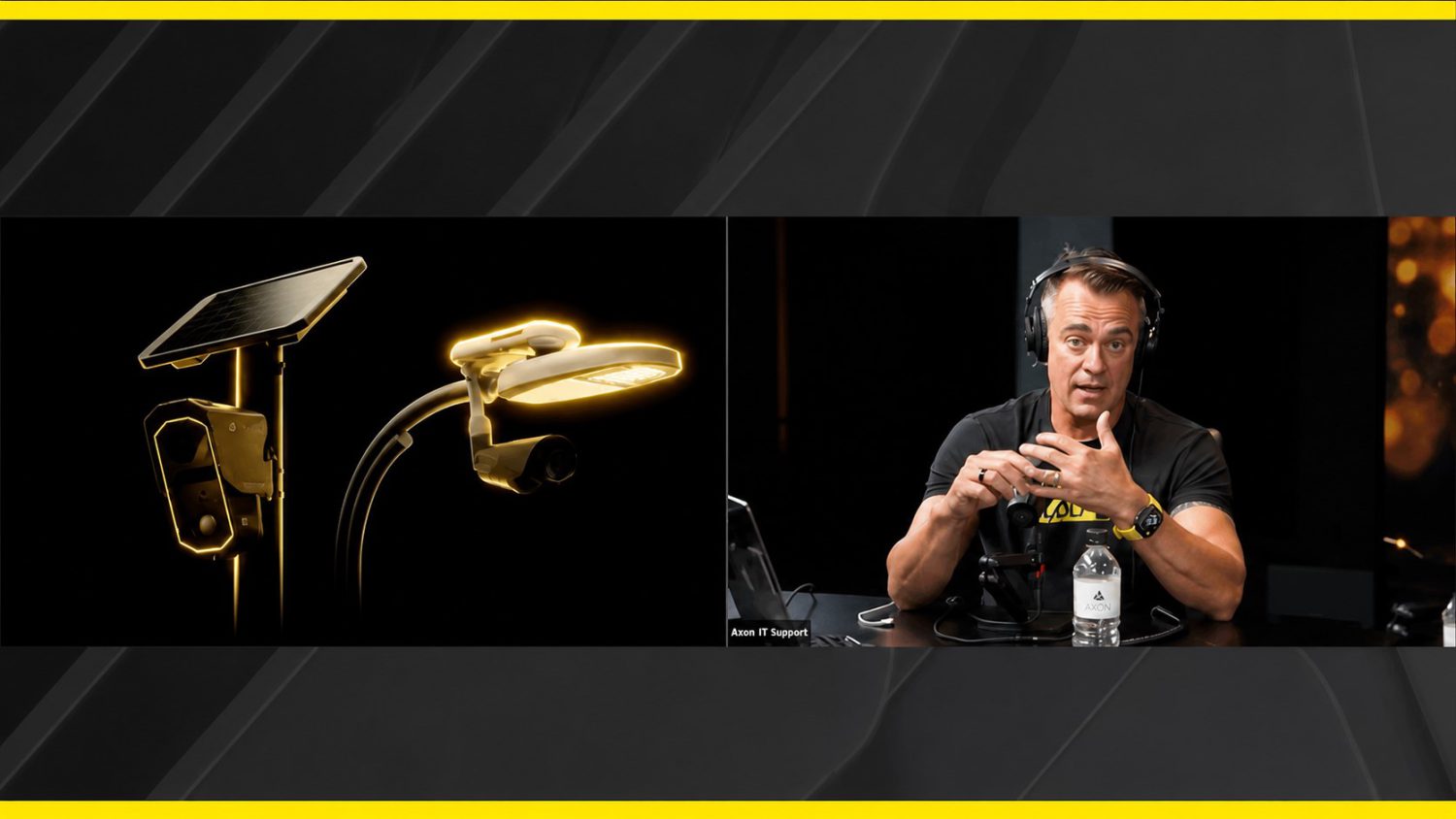
Flock Safety manufactures automated license plate recognition (ALPR) cameras like the Falcon and Falcon LR models that capture still images of passing vehicles. These cameras read license plates and states while classifying attributes such as make, model, color, and body type. Solar-powered and network-connected, these units mount roadside or at entrances to neighborhoods, schools, and business parking lots, uploading images and metadata via cellular to Flock’s cloud platform.
The system allows agencies to create “hot lists” of plates linked to stolen vehicles or wanted persons. When a matching vehicle passes a camera, it generates real-time alerts with location and a photo. Flock states that cameras focus on vehicles rather than faces, and data is generally retained for about 30 days by default before automatic deletion, though retention policies can vary by customer and applicable law.
2. Undercover Shoppers (1920s)

The original analog customer tracking, complete with notepad and discretion.
A century ago, retail surveillance relied entirely on human observation. In the 1920s, department stores hired individuals who blended in as regular customers, tasked with discreetly observing other patrons to understand their behavior and purchasing intent. These plain-clothes store detectives would browse displays while noting how long someone lingered by the jewelry counter or which items caught attention.
This human-led observation served as retail’s original data collection, establishing foundational principles for consumer analysis. Before pixels and personalized ads, understanding customer flow depended entirely on trained eyes and mental notes. The insights gathered laid the groundwork for modern customer tracking methods, though the approach was far more labor-intensive than today’s automated systems.
1. General Retail Security Cameras (1960s onward)
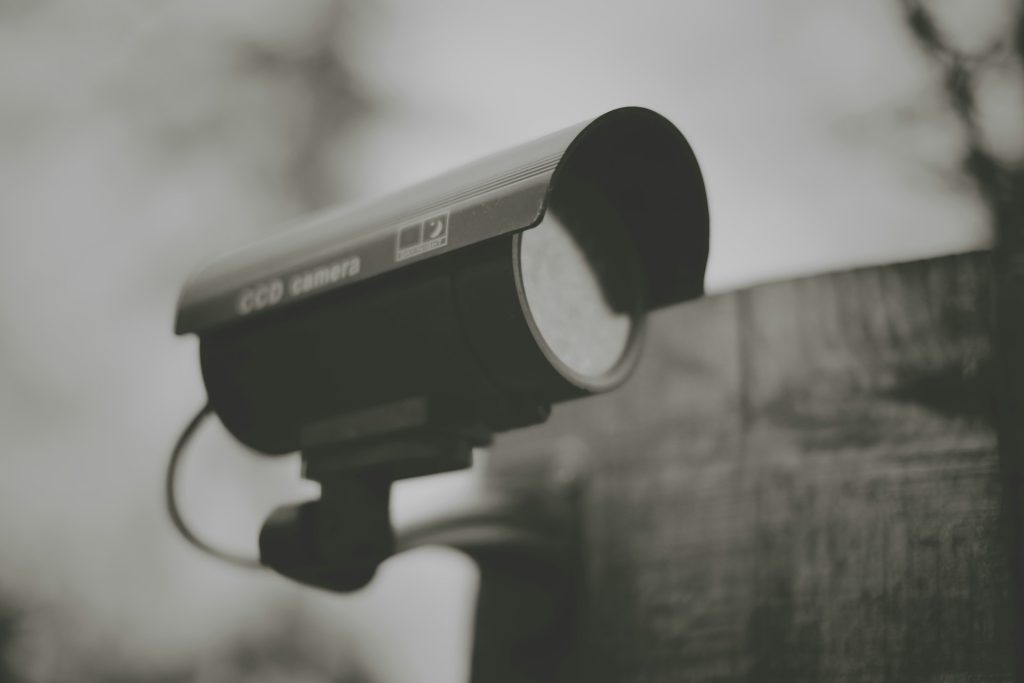
The omnipresent digital eye that starts recording before the shopping cart does.
Overt security cameras became standard in larger stores by the 1960s, marking the initial shift toward widespread retail surveillance. By the 1970s, stores and banks began connecting security cameras to VCRs, enabling playback and post-incident review. What started as a visual deterrent quickly evolved into comprehensive monitoring that extends beyond store interiors.
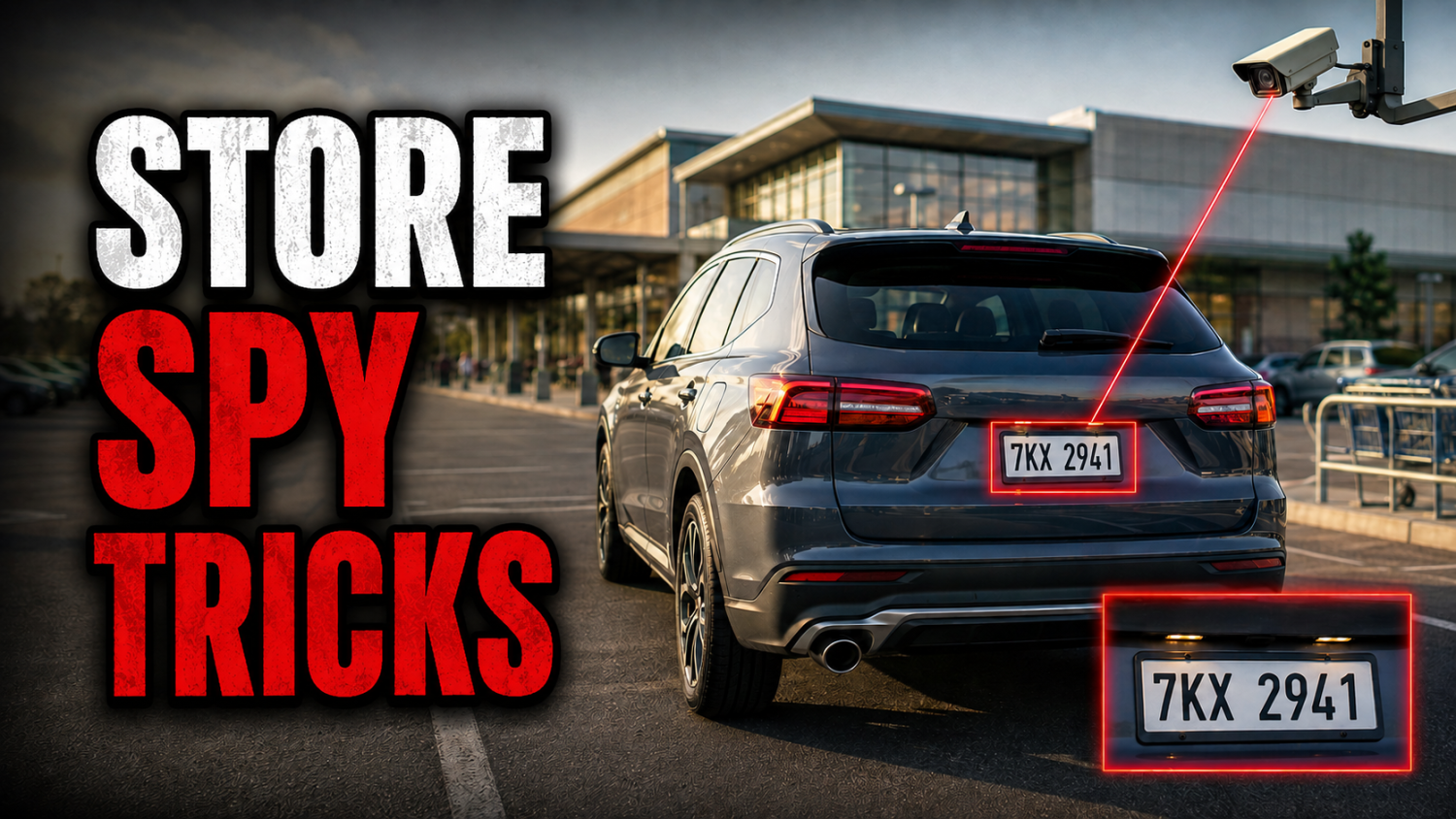
The moment tires cross the threshold of a retail parking lot, cameras begin tracking vehicles and patrons. This observation builds a comprehensive record long before anyone touches a shopping cart. The visible network, now often combined with discreet sensors and advanced analytics, forms a surveillance web that covers the entire shopping experience from arrival to departure. Modern systems can analyze foot traffic patterns, identify repeat visitors, and flag unusual behavior across the property.