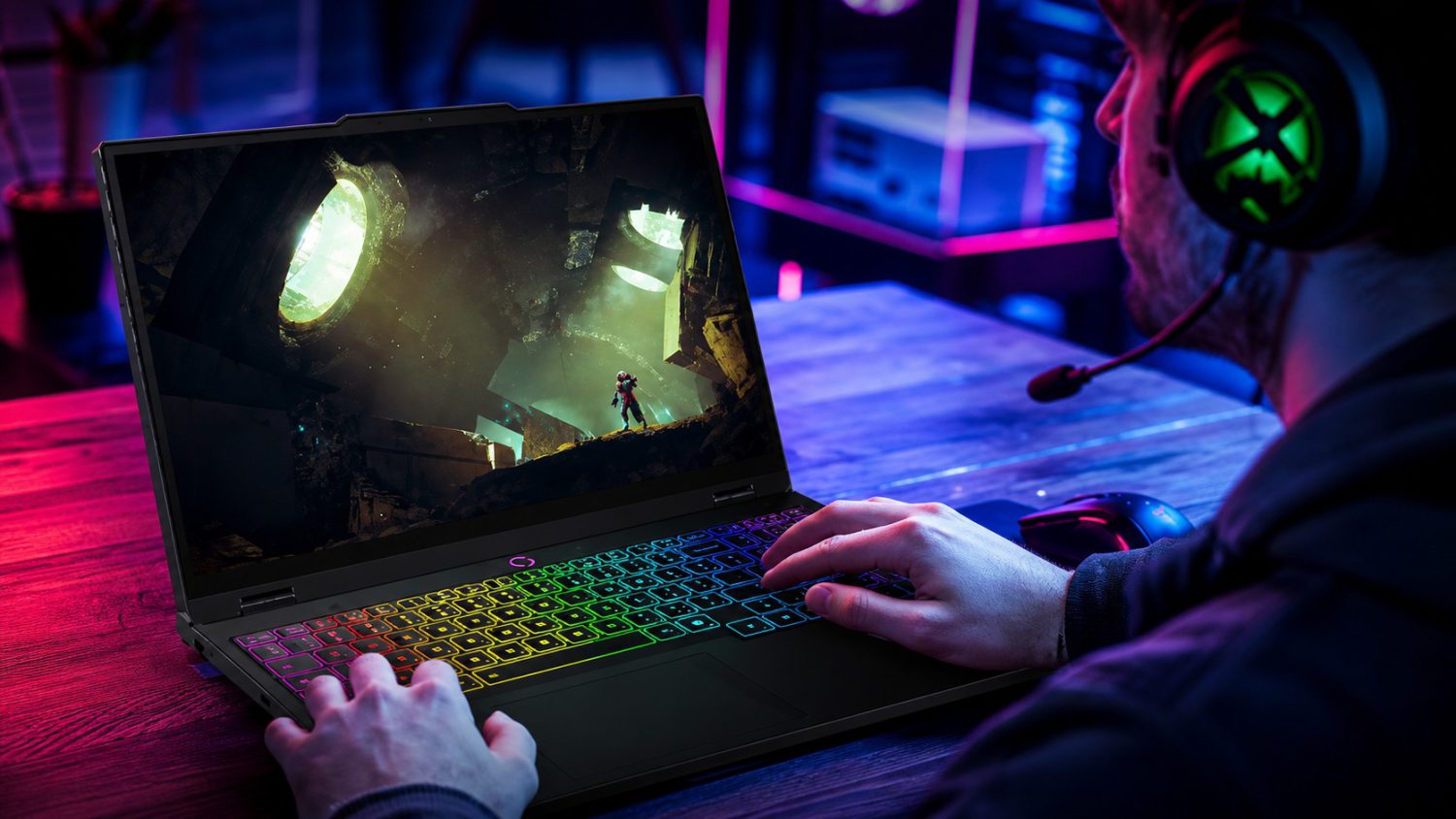
Reddit user GRINZ_DOCTOR bought a Lenovo Legion 5 — Core i9-14900HX, RTX 5070, 64GB DDR5, 2TB SSD — through Best Buy’s marketplace, sold by third-party seller PC Heaven as an “Upgraded” configuration beyond Lenovo’s factory specs. It ran fine for roughly eight months. Then came the BSODs during gaming sessions, then a failed attempt at fixing things via a Windows reinstall, then a warranty submission to Geek Squad. When the laptop came back, it had 32GB installed. The other stick was rolling around loose in the shipping box like a forgotten receipt. If that sounds like a consumer-rights problem dressed in tech specs, that’s because it is.
The Repair That Solved Nothing
Geek Squad’s documentation tells the whole story — and somehow makes things worse.
Per the repair notes, the unit “only accepts 32GB RAM maximum,” one 32GB SODIMM was removed, and the “unit passed all tests.” Case closed, apparently. This is roughly like a mechanic returning your car with the aftermarket turbo in a grocery bag because the base model never shipped with one — never mind that you drove it that way for eight months without incident. Whether 64GB caused the crashes is undiagnosed; what’s confirmed is the machine ran on that configuration for months before anything went wrong.
Here’s what the record shows:
- Laptop purchased last December; BSODs began roughly eight months later during gaming sessions
- Best Buy received the unit July 25; repair completed August 4
- Geek Squad removed one 32GB DDR5 SODIMM, citing Lenovo’s official 32GB maximum for the Legion 5 15IRX10 variant per PSREF documentation
- The removed stick — valued at over $600 as of August 2026, according to Wccftech — was returned loose in the shipment, not retained by the store
- Best Buy, Lenovo, and PC Heaven have not publicly commented as of the latest reporting
“This unit only accepts 32GB RAM maximum.” — Geek Squad repair documentation, as reported by Tom’s Hardware
Who Actually Owns This Problem
Three parties touched this product, and so far, none of them are talking.
PC Heaven upgraded and sold it as a 64GB machine. Best Buy hosted the listing and processed the warranty claim. Lenovo wrote the spec sheet Geek Squad used to justify the downgrade. None of them have issued a public statement.
Manufacturer RAM maximums are frequently conservative — they reflect tested configurations, not absolute hardware limits. Eight months of stable operation with 64GB installed suggests the extra memory was at least practically viable. Commenters in the original Reddit thread speculate, without confirmation, that one stick may have been defective and that Best Buy opted to remove rather than replace it — avoiding a $600-plus parts cost when removal costs nothing. That hypothesis makes financial sense, even if it remains unverified.
If you’re buying an “Upgraded” third-party system through a big-box retailer, photograph everything before it leaves your hands for service:
- the product listing
- the system info screen
- the physical modules
This case exposes a structural problem that goes beyond one bad repair — customized configurations and standardized warranty pipelines were never designed to coexist, and right now, it’s the customer absorbing that gap.