Matt Arnold had done nothing wrong when a staff member approached him at the Sainsbury’s East Dulwich checkout. He had scanned his items, tapped his Nectar card, and was told he couldn’t be served due to “an earlier incident.” He glanced at the CCTV monitor. A red circle was drawn around his own face. He described feeling “humiliated and powerless,” according to The Guardian. This is the second such false-accusation incident at Sainsbury’s this year, The Register reported. The Facewatch facial recognition system operates across 55 stores — and that’s where a surveillance app analogy becomes uncomfortably apt. That number matters.
When the Algorithm Flags the Wrong Person
A 99.98% accuracy rate means nothing to the person inside the 0.02%.
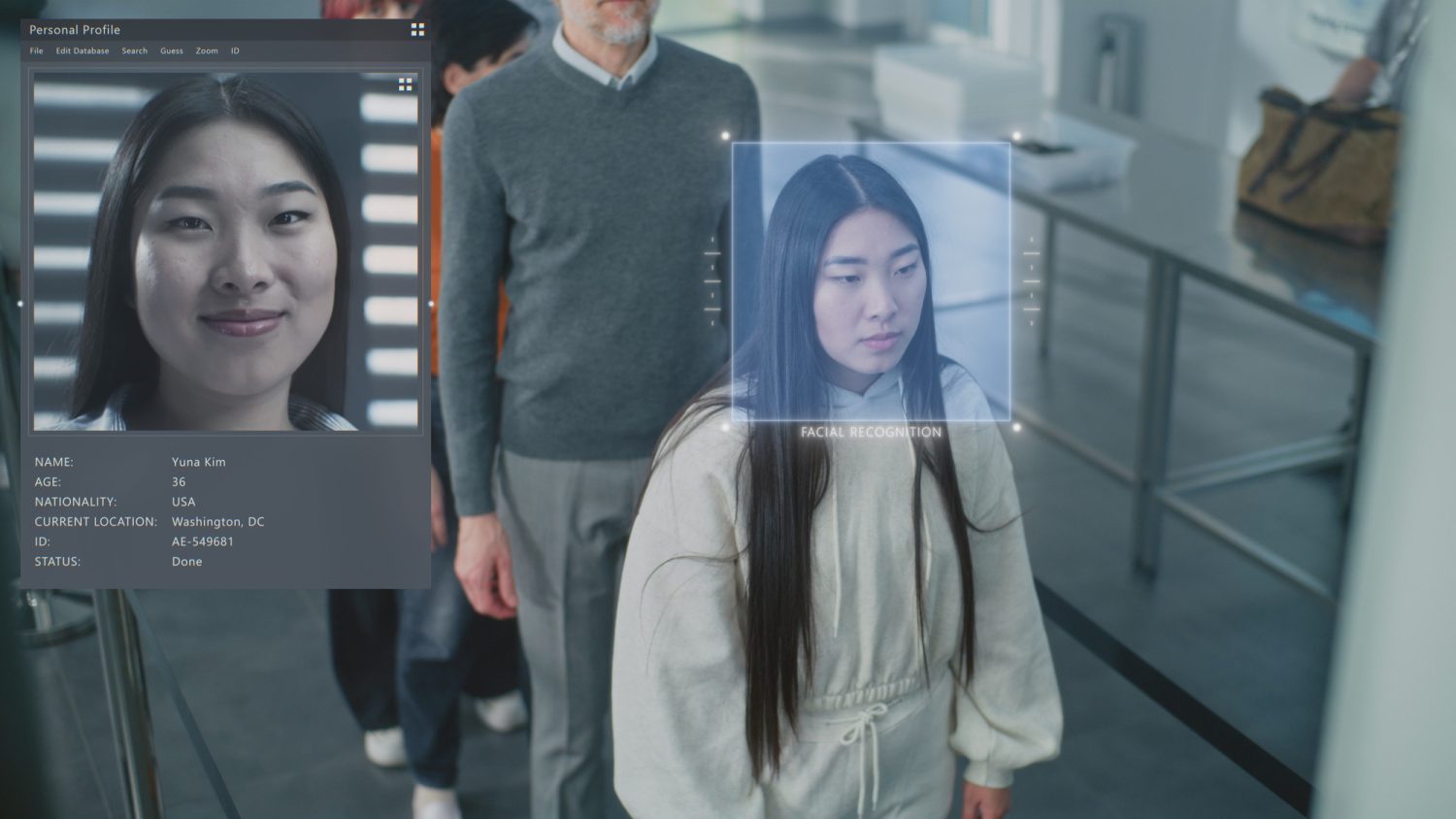
Facewatch runs live facial recognition, pushes alerts to staff devices, and — per Sainsbury’s — requires every match to be reviewed by a trained manager before action is taken. Sainsbury’s claims 99.98% accuracy and calls what happened human error. Facewatch says its alert was correct; the problem was in-store handling. Both companies are technically aligned on where the fault lies. Neither answer helps Arnold.
- Arnold was approached immediately after scanning his items and Nectar loyalty card
- A CCTV monitor reportedly showed a red circle around his face
- Sainsbury’s head office apologized and suspended Facewatch at East Dulwich as a precautionary measure while staff receive additional training
- Alerts reportedly remained visible on staff devices for up to an hour; all misidentifications are logged
Across 55 stores with constant foot traffic, 0.02% is not a rounding error. It’s real people being publicly accused of theft. This is the retail equivalent of landing on a no-fly list — no appeal, no explanation, just a red circle and a staff escort to the door. Arnold argued the system should be paused across all locations, specifically flagging the risk to vulnerable shoppers or younger customers who may lack the confidence to push back. San Jose’s experience with its own Flock problem shows how quickly public resistance can build when automated systems misfire against ordinary people.
Who’s Actually Responsible When AI Gets It Wrong?
Sainsbury’s and Facewatch are pointing at each other, and the shopper is still standing at the door.
Staff training was reportedly the lesson after the first incident this year. Then a second happened anyway, according to The Register. That pattern is worth sitting with. No regulator has stepped in based on available reporting, and no independent expert was quoted in the source material — a gap that says something about how quietly this technology has embedded itself in everyday retail. The broader pattern of systems secretly tracking users without meaningful oversight underscores just how far accountability has lagged behind deployment.
Arnold warned the false-accusation risk is especially serious for vulnerable people — a concern that deserves more than one paused store.
Suspending East Dulwich is a band-aid. The harder question — whether any retailer can responsibly run live facial recognition without airtight escalation protocols and genuine human accountability — remains completely unanswered.