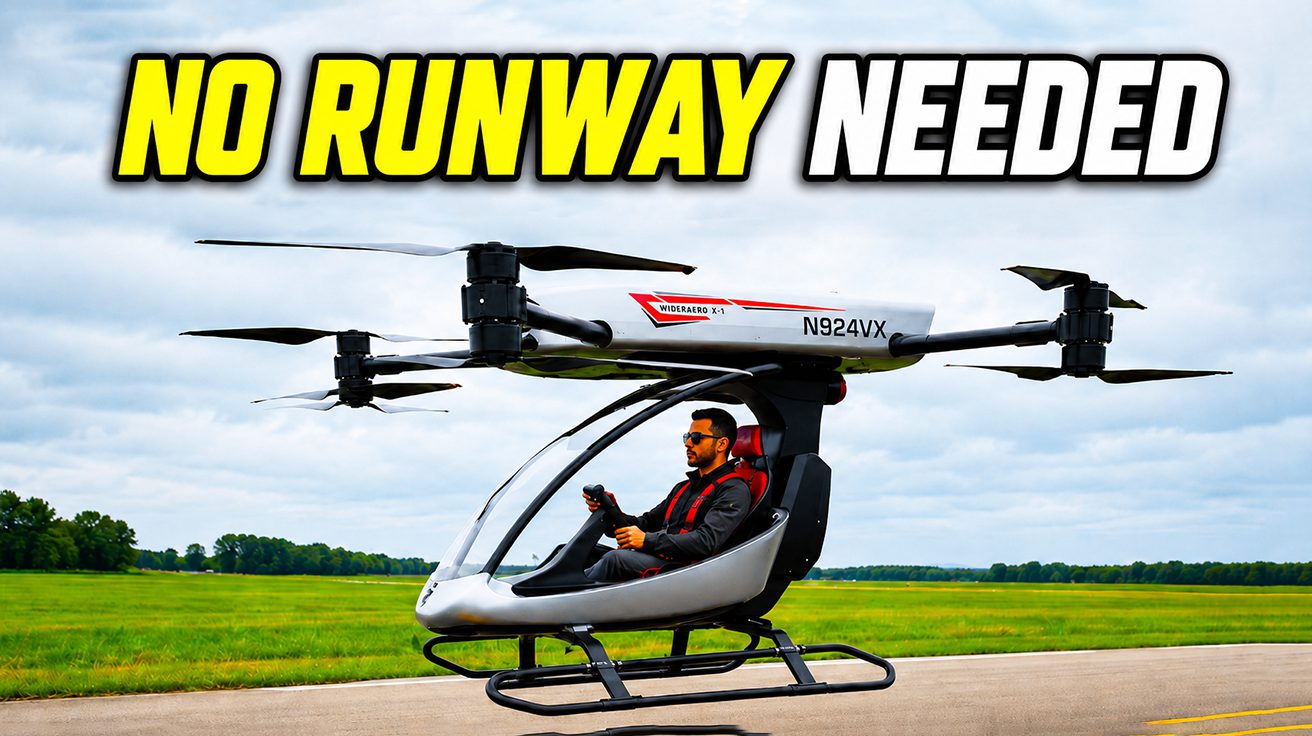
For anyone stuck in gridlock, advanced air mobility offers a tangible escape from the daily crawl. A personal electric vertical takeoff and landing (eVTOL) aircraft can now reach speeds of 102 km/h (63 mph), bringing a scene straight out of a Jetsons episode into your actual driveway. These vehicles fundamentally transform local transport, a welcome change from endless road construction. These chosen aircraft promise actual outcomes, selected for their innovative design and practical potential. Prepare to see the future take flight.
This content may contain affiliate links. If you wish to support us and use these links to buy something, we may earn a commission.
16. Jetson One
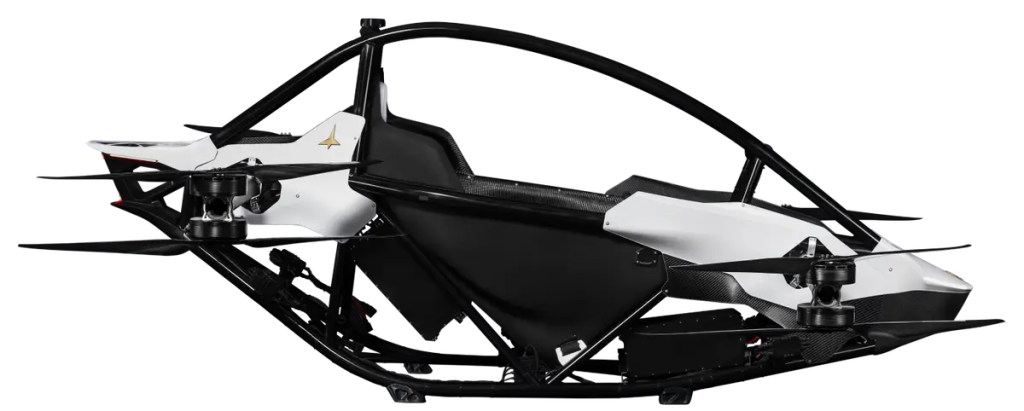
Your traffic-dodging dreams just got a price tag and a delivery date.
This single-seat electric vertical takeoff and landing (eVTOL) aircraft operates under FAA Part 103 ultralight rules, letting you navigate without a full pilot’s license for certain operations. With a top speed of 102 km/h (63 mph) and 20 minutes of flight time from eight electric motors, it redefines personal recreation. Production slots through 2025 are already sold out, signaling strong market interest in personal flight.
Safety features include a ballistic parachute and computer-assisted flight control with automated hover functions, ensuring peace of mind. Anyone who’s dreamed of bypassing traffic will grasp the appeal. This aerial vehicle makes a bold statement about the future of individual transport, available at $128,000.
15. Volocopter VoloConnect
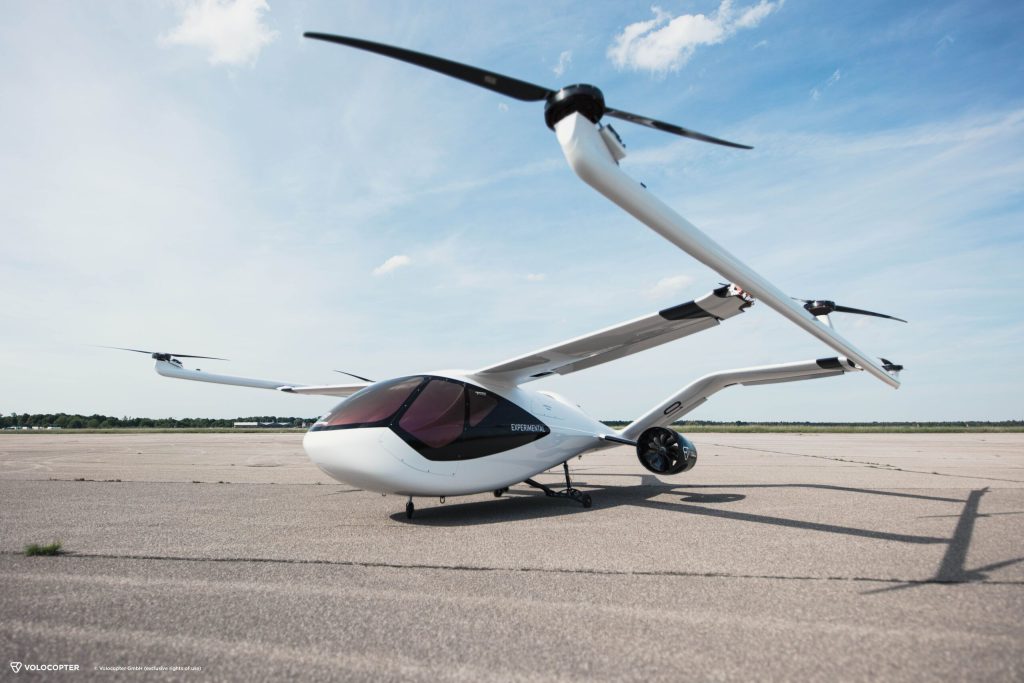
This multi-seat eVTOL aims to make inter-city air travel as routine as ordering takeout.
The Volocopter VoloConnect is designed as a 2-4 seat lift-plus-cruise electric vertical takeoff and landing (eVTOL) aircraft, aiming for longer-range urban and suburban connections. Equipped with multiple electric rotors, it handles the commuter grind with fly-by-wire controls that ensure high redundancy and low noise. This machine makes rush hour traffic feel as quaint as a dial-up modem.
VoloConnect targets market entry around the mid-2020s, promising an emission-free journey across town. The vehicle focuses on integration into future urban air mobility networks, operating from compact vertiports. With anticipated pricing around the cost of a luxury car, this isn’t just about getting from point A to B; it’s about making regional air travel practical without the usual terrestrial drama.
14. GAC Go Vee Air Cab
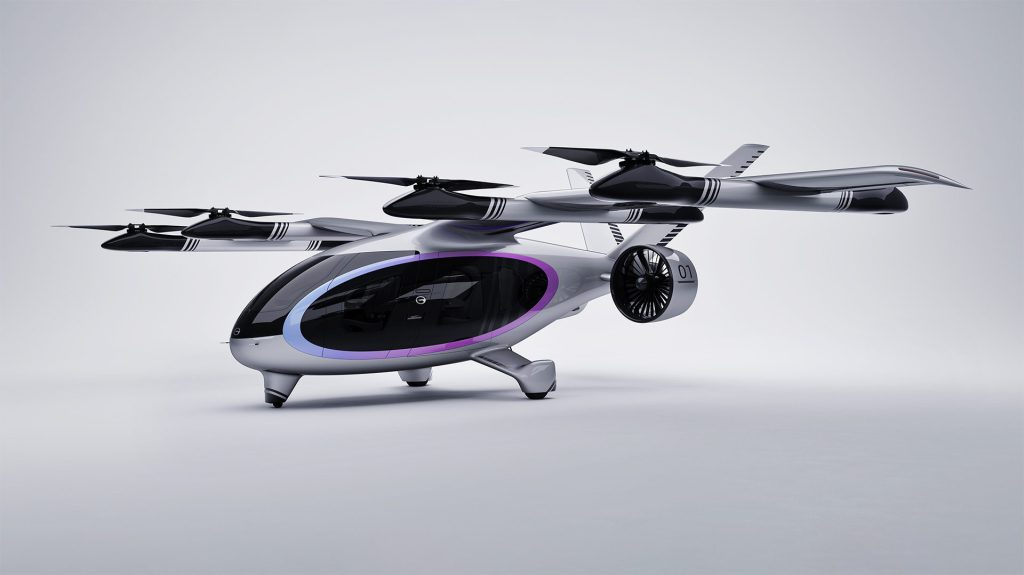
This two-seat air taxi from GAC Group promises to make city traffic jams feel as quaint as dial-up internet.
Anyone who has ever screamed into their steering wheel during rush hour knows the desperate need for escape, and the GAC Go Vee Air Cab offers just that. This two-seat, all-electric eVTOL concept from Chinese automaker GAC Group features a lightweight carbon-fiber body and advanced autonomous flight technology. It’s designed to whisk you away at speeds around 120 km/h (75 mph) with a practical range of 20–30 km for urban hops.
The Go Vee Air Cab ensures quick turnarounds in busy urban environments with its 25-minute fast-charging capability. Its design prioritizes safety, incorporating multiple redundant systems. Consider it your ticket to skipping the airport security line when you’re already running late, minus the Bruce Willis heroics. With a guide price of up to 1.68 million RMB (about $230,000 USD) and expected customer deliveries by 2026, this might be the most direct route to ditching gridlock for good.
13. Velocitor X1
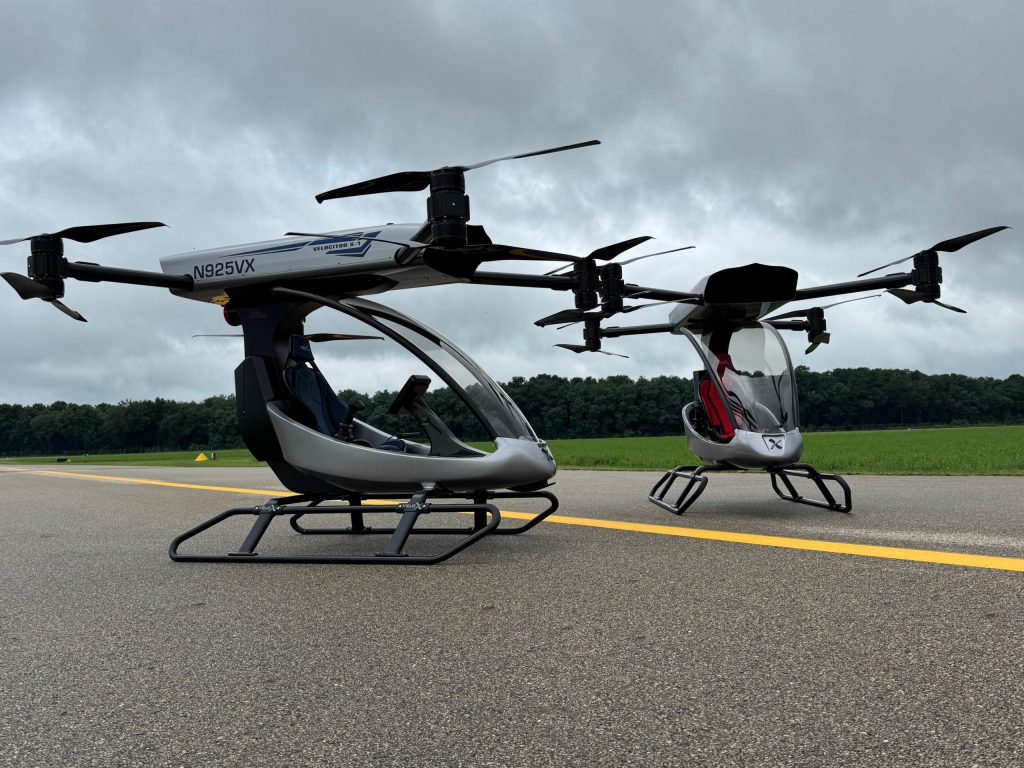
Forty-five minutes of flight time with a 15-minute reserve means no frantic charging hunts at 1%.
Eliminating the dependence on runways, the Velocitor X1 pioneers personal aerial travel with its vertical takeoff and landing (eVTOL) capabilities. This single-seat aircraft reportedly uses eight independent electric motors, providing a redundant system for flight. Target performance figures suggest a cruise speed around 113 km/h (70 mph) and up to 45 minutes of flight time plus a 15-minute reserve.
Safety equipment reportedly includes a ballistic parachute, LiDAR obstacle detection, and redundant propulsion systems. The aircraft is offered at an introductory price around $156,000, with reservations for first production slots and deliveries tentatively planned for 2027. Performance claims for this aircraft remain unverified by primary manufacturer sources.
12. XPENG AeroHT Land Aircraft Carrier
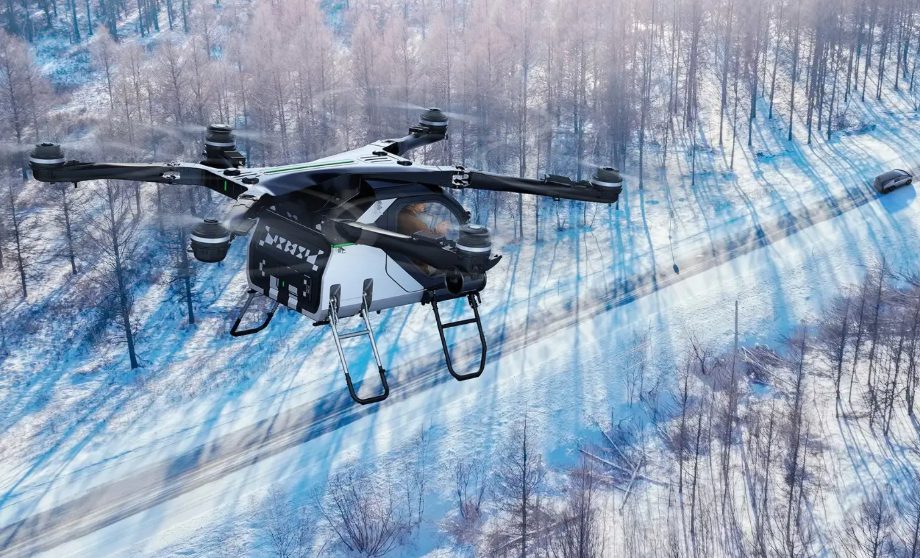
Drive to your launch point, then ditch the ground module and explore from the air.
For a combined system priced below $280,000, the XPENG AeroHT Land Aircraft Carrier offers a modular approach to personal flight. This isn’t a single vehicle trying to do two jobs; instead, it features a 6×6 electric ground vehicle that serves as a mobile hangar and charging station for a detachable two-seat eVTOL air module.
The air module uses foldable rotors for vertical takeoff and landing, engineered for short-range personal and recreational flights. You drive to an optimal launch point, much like pulling up to your favorite hiking trail, before transitioning to the air. This ingenious setup allows you to park your ground module, lift off, and explore, transforming a mundane drive into an aerial adventure. Limited commercial rollout is anticipated in the second half of the 2020s.
11. Ascendance ATEA
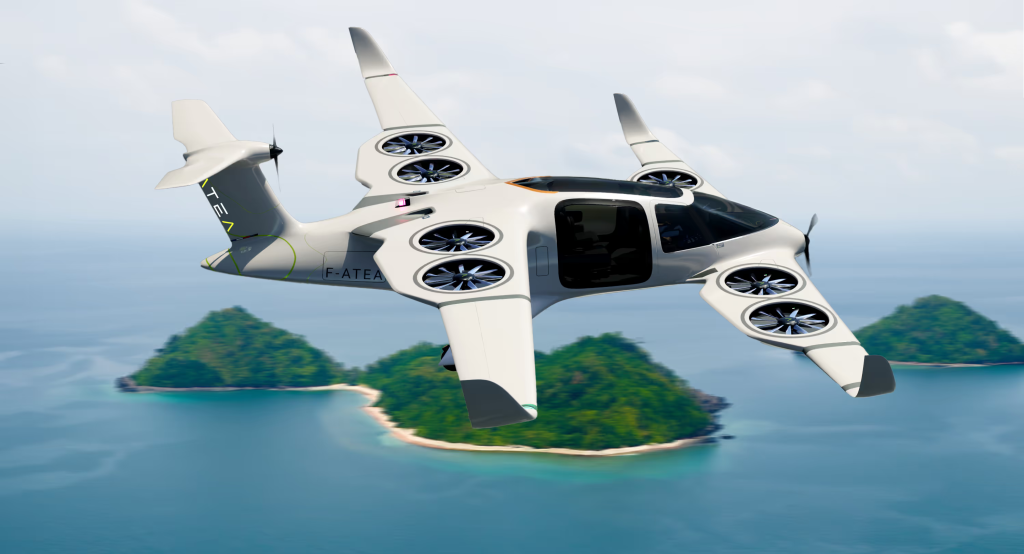
This hybrid-electric VTOL silences the noisy old choppers that used to sound like a disgruntled lawnmower convention.
Industry estimates value the Ascendance ATEA in the multi-million-dollar commercial aircraft range, a clear signal of its advanced capabilities. This hybrid-electric VTOL aircraft, developed by France’s Ascendance Flight Technologies, combines traditional fuel with electric propulsion, drastically cutting emissions and noise compared to classic helicopters. Designed for four passengers plus a pilot, it offers a quieter, more efficient alternative for regional air travel.
This hybrid powertrain enables impressive flight metrics, including ranges up to 400 km (250 mi) and cruise speeds around 200 km/h (125 mph). Medical transport teams could rely on the ATEA for discreet, rapid regional missions, taking off from compact sites. The aircraft is intended for certified commercial operations, positioning it as a pivotal solution for cleaner, more accessible regional air travel.
10. Jetoptera J-2000
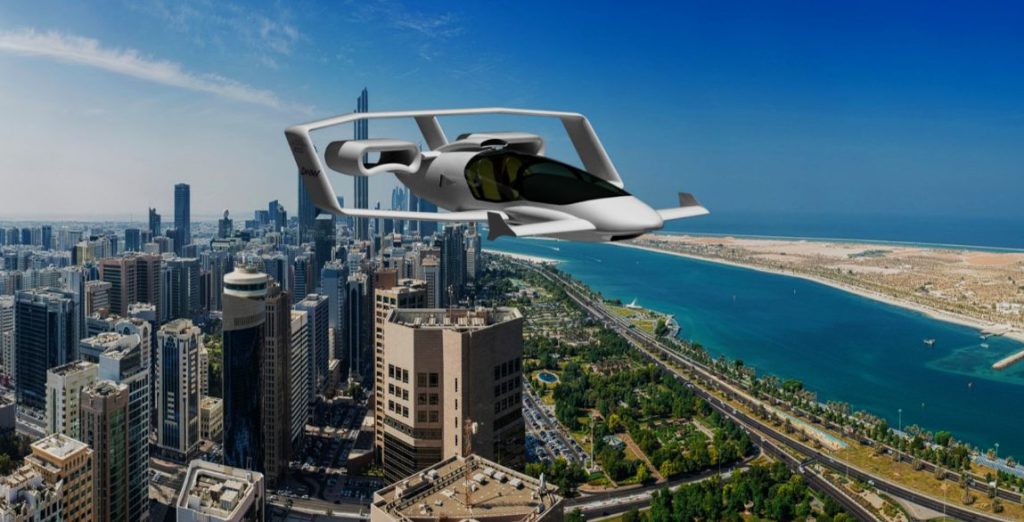
Fluidic propulsion entrains ambient air in high-speed jets, swapping a noisy leaf blower for a silent, powerful vacuum.
Jetoptera, a U.S. company, is developing the J-2000, a VTOL aircraft that uses its proprietary Fluidic Propulsion System (FPS) rather than conventional propellers or fans. This innovative approach entrains ambient air in high-speed jets from a compact power unit, promising lower noise, high efficiency, and simple mechanical layout compared with traditional rotor systems.
The J-2000 is planned as a two-seat VTOL aircraft with target performance around 230 mph (370 km/h) and a range of roughly 400 miles (640 km), depending on payload and configuration. Concept materials reference a turboshaft-based power unit in the 2,000-hp class. Jetoptera positions the platform for urban and regional air mobility, with pricing expected well above $1 million and targeting commercial and governmental users.
9. Samson Sky Switchblade
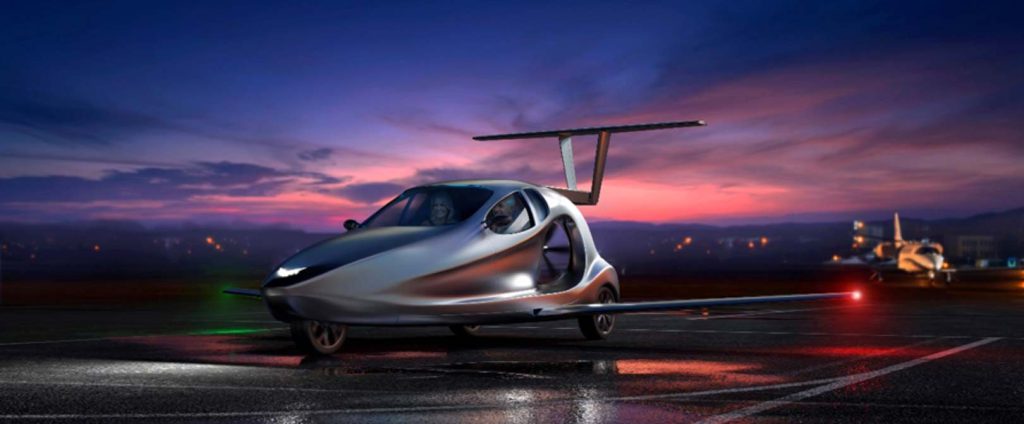
Under three minutes is all it takes for this three-wheeled sports car to become a light aircraft.
The Samson Switchblade transforms from highway cruiser to sky-bound machine, its wings and propeller deploying in about three minutes. Powered by a 260 hp hybrid gasoline-electric system, it hits over 201 km/h (125 mph) on the tarmac and soars at roughly 257 km/h (160 mph) in the air. Its flight range reaches up to 724 km (450 miles).
Owners must build at least 51% of this experimental kit-built aircraft themselves to comply with U.S. experimental rules. This demanding undertaking is like assembling an ultimate, life-sized model kit. With an expected base price between $170,000 and $200,000, the Switchblade puts the flying car within reach for mechanically inclined individuals with a suitable takeoff spot.
8. CoolFly eVTOL S
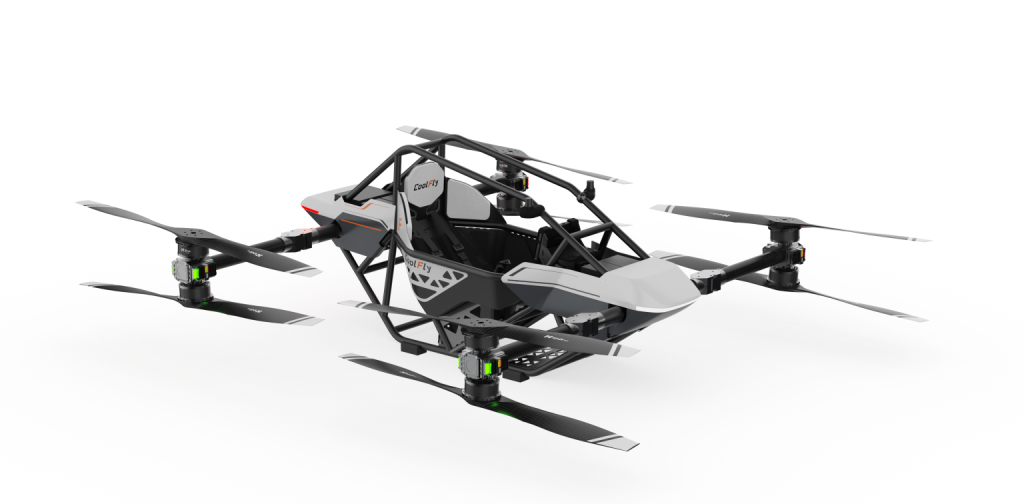
Personal flight at $70,000 makes this more like a high-end motorcycle with wings than a private jet.
Personal flight just became a more accessible prospect, bringing individual air mobility closer to a tangible reality. This single-seat electric aircraft reportedly targets everyday adventurers, not just those with their own private hangar. Stated specifications suggest a top speed of 100 km/h (62 mph) and a practical flight duration of up to 30 minutes, with a 110 kg payload capacity.
Safety systems reportedly include a ballistic parachute, AI-assisted flight control, and redundant motor systems. Pricing is positioned around $70,000, making it considerably cheaper than many other personal eVTOLs. Performance and availability claims for this aircraft remain unverified by primary manufacturer sources.
7. LEO JetBike
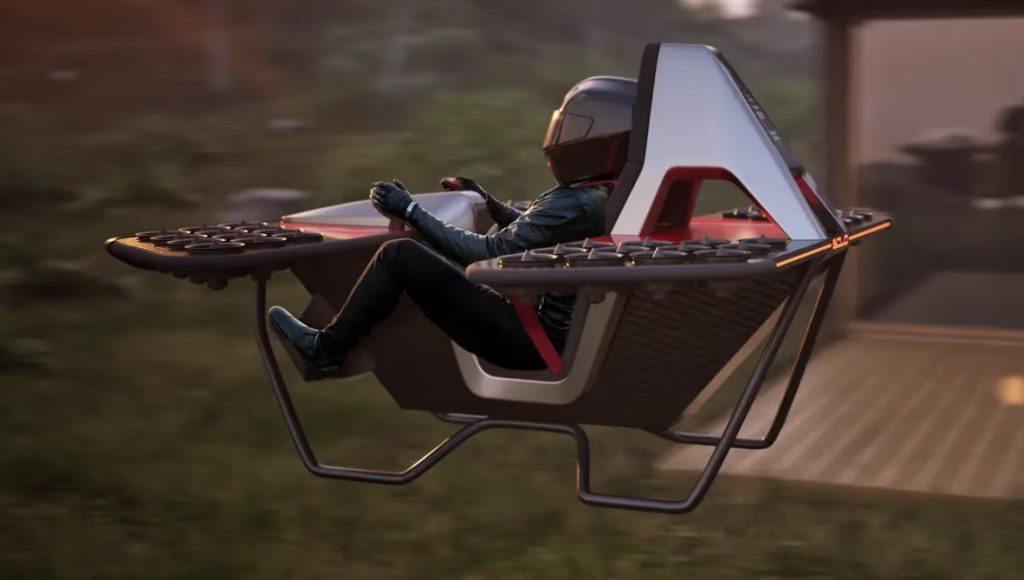
Store and charge it in a standard home garage, making personal flight as convenient as owning an e-bike.
The LEO JetBike is a compact electric jet-propelled VTOL vehicle developed by LEO Flight, designed for a single rider and short-duration flights. Unlike multicopters, it uses electric ducted fans instead of exposed propellers, making the craft more compact and potentially safer around people and infrastructure.
Target performance suggests speeds up to 60 mph (97 km/h) and flight durations of roughly 10-15 minutes, reflecting current battery energy limits for very compact VTOLs. The company intends for it to operate under FAA Part 103 ultralight rules, similar to other single-seat electric ultralights, meaning no pilot license requirement but restrictions on weight, speed, and operations. Indicative pricing is around $99,900, with early deliveries targeted for late 2020s.
6. EHang VT-35
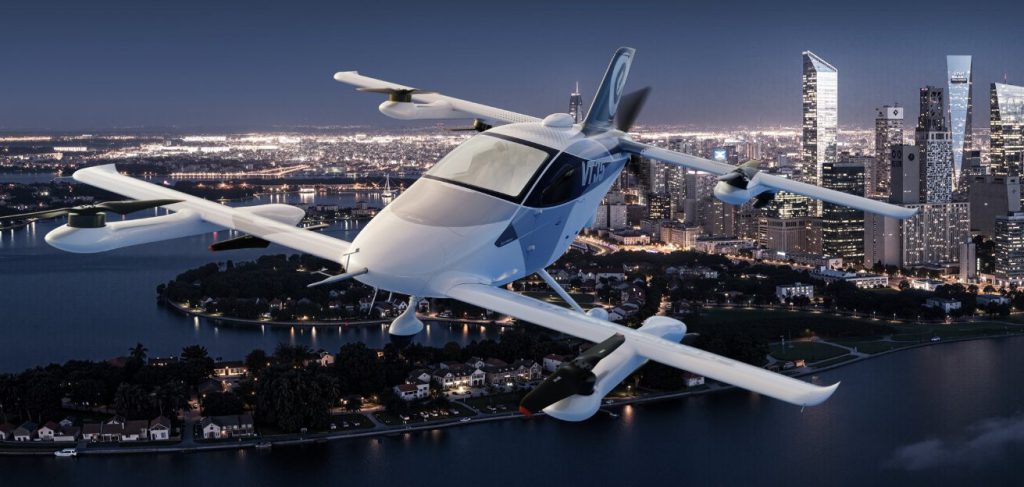
Autonomous flying without a pilot in sight turns the future of air travel into a reality.
EHang, based in China, is a pioneer in autonomous eVTOLs; the VT-35 is a two-seat, pilotless eVTOL with a fixed-wing component, distinct from its better-known EH216 air taxi. The VT-35 combines eight lift propellers for vertical takeoff and landing with a fixed wing for cruise, allowing ranges around 200 km (124 mi) and cruise speeds above 216 km/h (134 mph).
The aircraft is designed for autonomous operation, with passengers using a simple interface while onboard systems handle navigation, obstacle avoidance, and flight management. EHang markets the VT-series as part of intercity and regional air-mobility networks in China, complementing fully urban air taxis already conducting demonstration flights. The VT-35 has been referenced in marketing materials at approximately 6.5 million CNY (roughly $900,000 USD).
5. AutoFlight Prosperity I
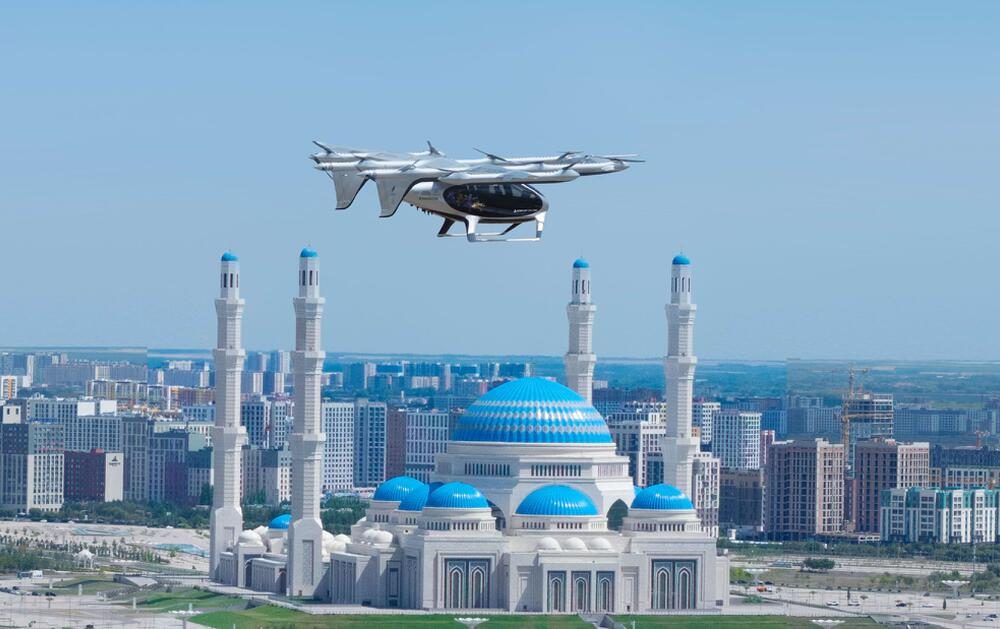
This five-seat shuttle aims to melt away asphalt agony for commercial operators.
Road commutes stretching past an hour are now common, turning daily travel into a grinding test of patience. This issue drives the need for air travel solutions like the AutoFlight Prosperity I. This all-electric eVTOL air taxi is designed to carry one pilot and four passengers and targets commuter missions between cities.
The design uses 10 lift propellers for vertical flight and 3 pusher propellers for cruise, along with a lightweight carbon-fiber structure. AutoFlight is targeting cruise speeds above 200 km/h (124 mph) and ranges over 250 km (155 mi) on a single charge, putting it in the mid-range eVTOL category for regional hops. The company has conducted numerous test flights and is pursuing certification in Europe and China, with indicative pricing around $1.5 million for commercial operators.
4. TCab Tech E20
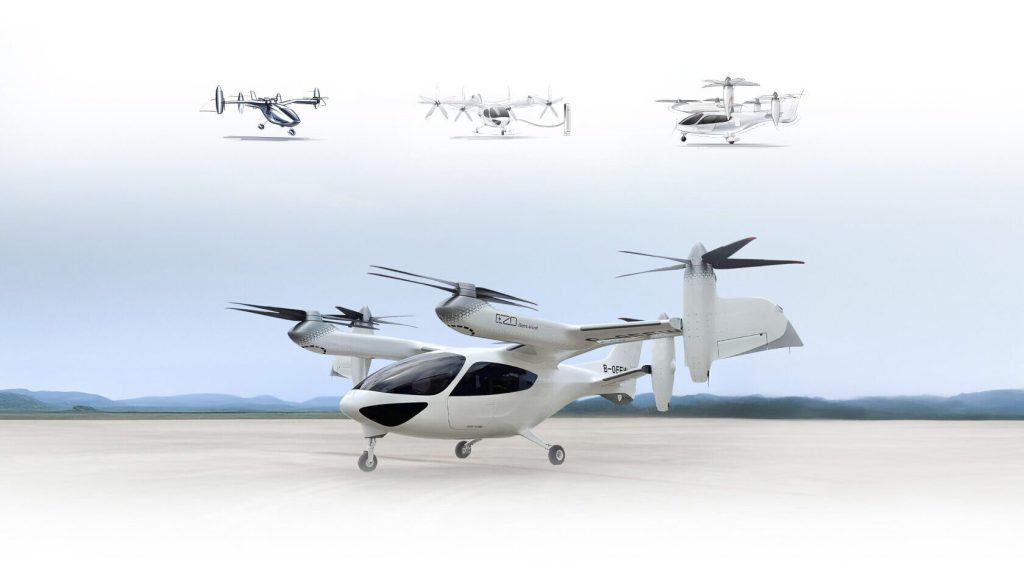
Its 800 V high-voltage battery system enables ultra-fast charging, like hitting warp speed at an EV station.
Carrying one pilot and four passengers, the TCab Tech E20 aims to redefine regional air travel with its advanced tilt-rotor technology. Its rotors pivot upwards for vertical takeoffs and landings, then smoothly transition forward for efficient cruise flight. This system allows the E20 to achieve a target top speed of 320 km/h (199 mph) and cover distances up to about 200 km (124 mi).
The aircraft is described as being built around an 800 V high-voltage battery system to support ultra-fast charging and reduce turnaround times in commercial operations. TCab Tech aims for commercial deliveries around 2027, following certification in China and potentially other markets, pushing towards a cleaner, faster transportation future.
3. Volant VE25-100
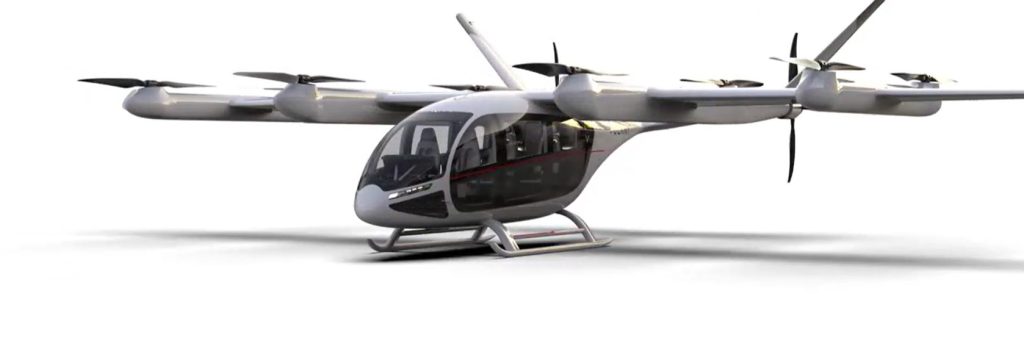
This craft functions like a high-tech subway car for the skies, just without the tracks.
Volant Aerotech, a Chinese eVTOL developer, is working on the VE25-100, an air-taxi style all-electric VTOL aircraft. The VE25-100 is configured to carry one pilot and five passengers (6 seats total) and combines vertical lift rotors with a wing for efficient forward flight.
Stated performance aims include a cruise speed about 235 km/h (146 mph) and range between 200 and 400 km (124–249 mi), depending on payload and conditions. It uses eight electric lift motors and a design optimized for a payload of about 500 kg, positioning it for commercial shuttle operations rather than personal ownership. Volant plans for certification around 2027, aligning with broader expectations that China and other regions will begin commercial eVTOL services late in the decade.
2. Shenzhen Shensi eVTOL
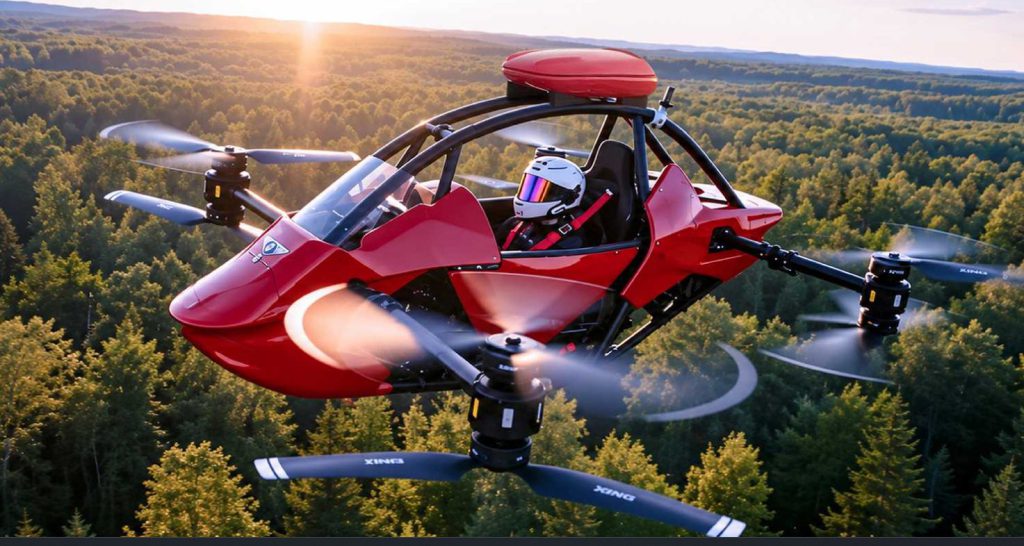
This development-stage project is your future aerial scooter for city hops, not cross-country marathons.
China’s rapidly expanding eVTOL ecosystem includes the Shenzhen Shensi eVTOL, a lightweight electric VTOL aircraft project aimed at personal and short-distance urban travel. This Chinese initiative employs a multi-rotor electric propulsion system similar to other small eVTOL aircraft, with emphasis on redundant motors and flight-control electronics for safety.
The aircraft is designed with advanced flight-control technology and redundancy, reflecting industry-wide efforts to build automated stabilization and “sense and avoid” capabilities into small flying vehicles. Public information positions it for urban mobility and recreational flying, rather than long-range regional transport. Final production specifications and pricing have not yet been announced; it remains a development-stage project within China’s growing eVTOL ecosystem.
1. United Aircraft R6000
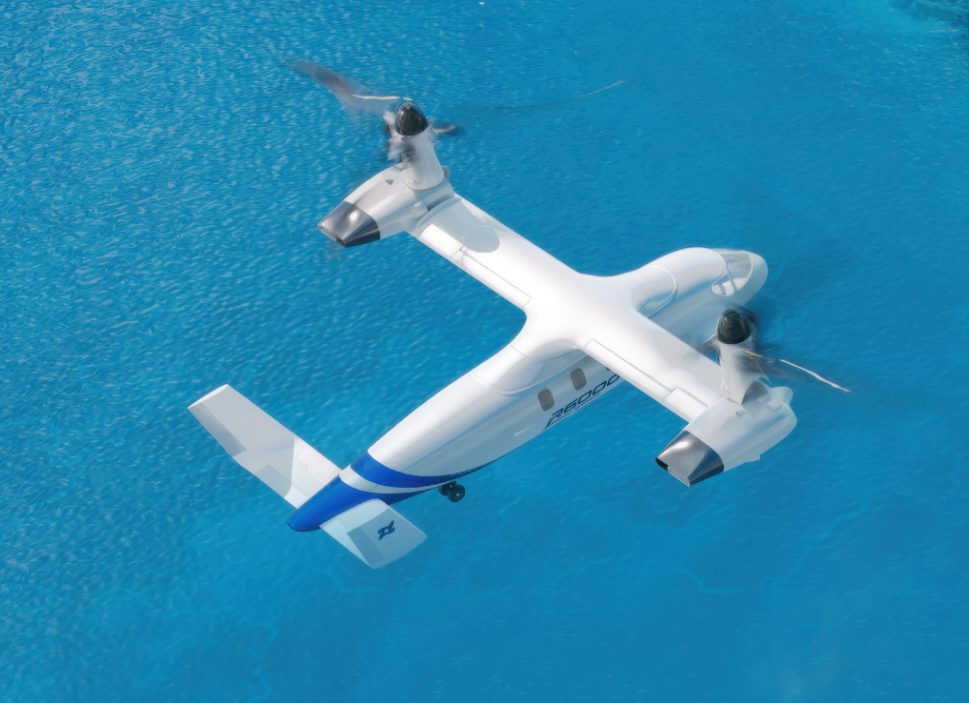
This 6-ton tilt-rotor is less like a souped-up drone and more like a workhorse air mule built for demanding missions.
The United Aircraft R6000 is a conceptual 6-ton tilt-rotor aircraft intended for both cargo and passenger missions, blending helicopter-style VTOL with airplane-like cruise. The aircraft is described with maximum speeds around 550 km/h (342 mph) and ranges up to 4,000 km (2,485 mi), which would place it among the higher-performance VTOL concepts.
Payload capacity is noted at up to 2,000 kg or configurable seating for 6–12 passengers, allowing roles from logistics to regional passenger transport. As a tilt-rotor, its design is comparable in concept to aircraft like the V-22 Osprey, but with a focus on commercial and civil applications rather than purely military. Pricing and certification details have not been publicly finalized; it is aimed at commercial and government operators rather than private owners.