The pitch sounds like a bit. The federal government, staring down a dangerous shortage of air traffic controllers, decided the fix was targeting people who spend their nights optimizing loadouts in Fortnite. Slogans said “level up.” Campaign imagery leaned hard into gaming aesthetics. Then 8,004 people applied in 13 hours.
Turns out the joke was on everyone who laughed. The FAA has been running short for years on active controllers — a staffing gap serious enough to warrant an unusual recruitment pivot. This wasn’t marketing theater. It was workforce triage.
Why Gaming Skills Actually Map to the Job
The FAA had a specific cognitive profile in mind — and it matches what competitive gamers build over thousands of hours of play.
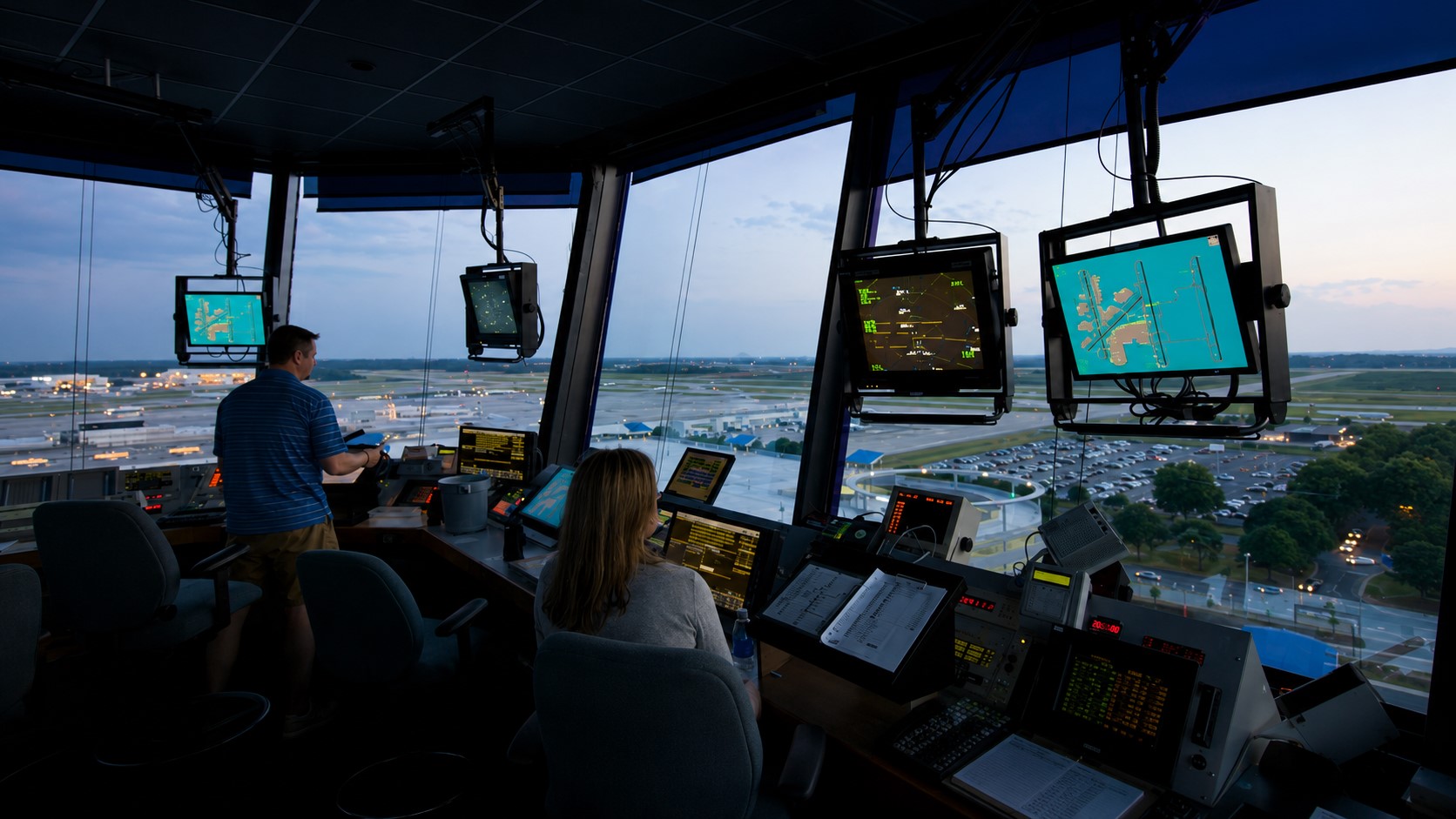
The FAA wasn’t being cute when it listed multitasking, high cognitive function, strategy, and problem-solving as target traits. Those are the cognitive demands of air traffic control, minus the aircraft.
The campaign pulled 12,350 total applications. Of those, 10,779 were qualified — a conversion rate that most corporate recruiters would envy. Here’s what made the pitch land:
- No college degree required
- Trainees receive pay and benefits during full academy training
- Salary can exceed $155,000 after three years of certification
- More than 4,000 trainees were already in the pipeline before the campaign launched
- The Transportation Department reported reaching 94% of its hiring goal
Secretary Sean Duffy and the Department of Transportation confirmed more than 2,000 additional candidates in the pipeline — and the most controllers hired in a single year.
The Reality Check Nobody Puts in the Brochure
The “level up” branding is eye-catching; the actual job is something else entirely.
Here’s what the slogan doesn’t mention: every applicant still faces the FAA’s standard aptitude test, medical and security clearances, and full academy training before touching a radar screen. The distance between a Fortnite lobby and a certified controller seat is measured in years, not matchmaking queues.
Whether gaming experience actually predicts controller performance remains an open question — the FAA isn’t claiming it does. The campaign targeted transferable cognitive skills, not kill-death ratios.
What matters is that the pipeline is filling. Aviation safety depends on controllers who don’t flinch under pressure, with thousands of daily flights and millions of passengers riding on their focus. The FAA found a generation that grew up optimizing under exactly that kind of pressure — and now it just has to train them.