Modern technology often outpaces legal frameworks, creating a murky zone where legitimate tools can enable questionable activities. Devices are readily available online that are perfectly legal to purchase, yet using them improperly can lead to serious trouble. Manufacturers often push operational liability onto the end-user by leveraging policy loopholes. This requires understanding which gadgets are harmless and which could earn a starring role in a future true-crime podcast. This list unpacks those surprisingly legal items, revealing their true capabilities and the regulatory tightropes they walk.
This content may contain affiliate links. If you wish to support us and use these links to buy something, we may earn a commission.
19. Automotive Radar Detectors
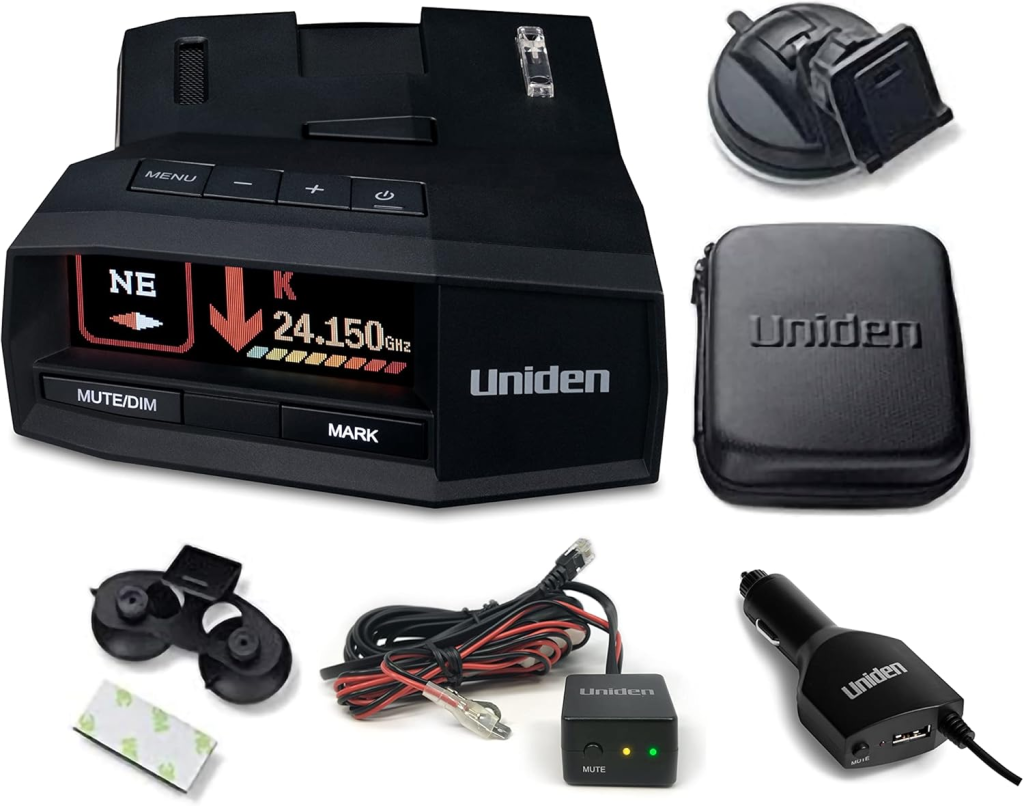
These passive receivers scan law enforcement microwave bands, but legality varies wildly by jurisdiction.
Modern radar detectors operate using ultra-heterodyne receiver architecture, a sophisticated technique that shifts incoming radio frequencies to a lower, fixed intermediate frequency for easier processing. This allows them to scan specific microwave bands used by law enforcement, including:
- X band at 10.525 GHz
- K band at 24.150 GHz
- Ka band, which sweeps from 33.400 to 36.000 GHz
Many models also capture short-pulse infrared signals from lidar systems at a wavelength of 904 nm, effectively acting as an early warning system.
Despite these devices being passive radio receivers that transmit nothing, their legality remains a tightrope walk. Using one is illegal in places like Virginia and Washington D.C. The consequences extend globally, where drivers can face significant international fines or even confiscation. What’s allowed on an Amazon cart isn’t always welcome on the Autobahn, or even in certain U.S. states, proving that some tech freedom comes with geographic strings attached.
18. RF Signal Jammers (Cellular, Wi-Fi, Drone, Security System)
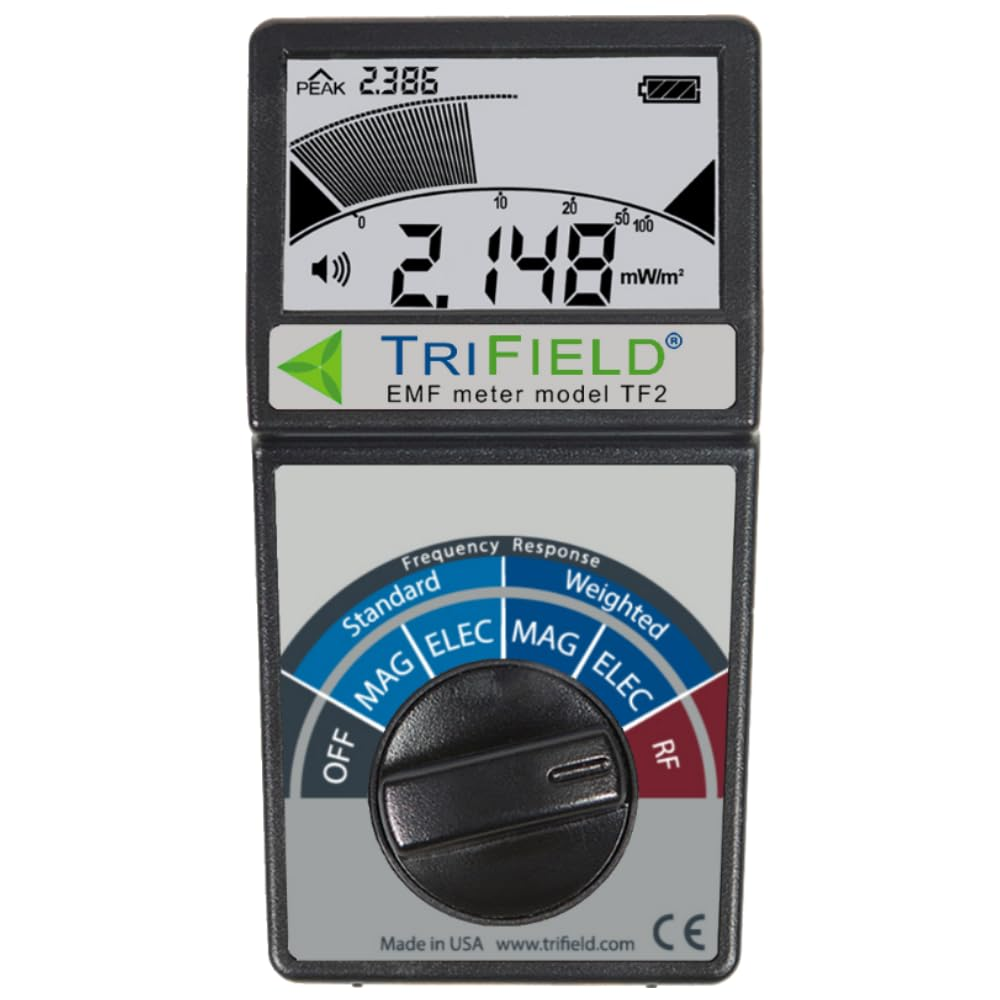
Spectrum interference carries severe global criminal implications by disrupting emergency and aviation communications.
These devices utilize high-power voltage-controlled oscillators to flood localized environments across target communication bands. They establish a digital dead zone, targeting:
- 800-900 MHz cellular
- 2.4/5.8 GHz Wi-Fi frequencies
- GPS at 1575.42 MHz, forcing drones to execute fail-safes
This manipulation elevates the noise floor, silencing critical links. The sale and use of jammers are broadly illegal in the U.S., according to Amazon’s restricted-products guidance.
Security system jammers neutralize alarm signals at sub-gigahertz frequencies like 315/915 MHz, turning a fortress into an open door. Such spectrum interference threatens emergency services and aviation by disrupting critical communications. Despite prohibitions, these disruptors still surface in grey markets, where digital silence becomes the ultimate illicit weapon.
17. Wi-Fi Deauthenticator
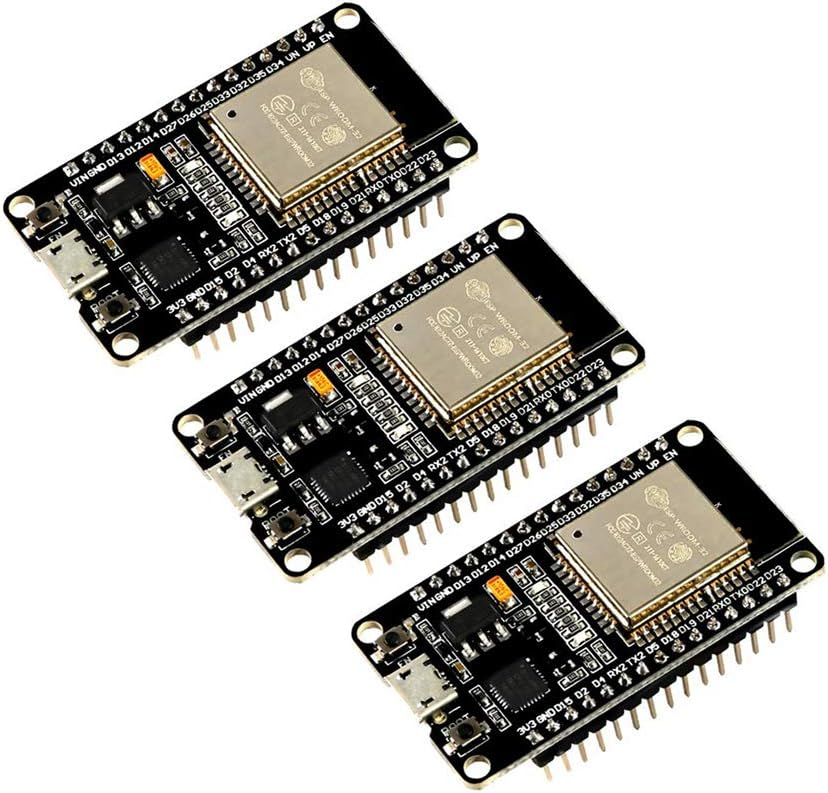
The offense comes from unauthorized, malicious application rather than the hardware itself.
Network access can be instantly severed for anyone within range, using readily available components. These devices, often built around inexpensive ESP8266 or ESP32 micro development boards, run open-source firmware that continuously scans the IEEE 802.11 wireless spectrum. They craft and transmit forged deauthentication packets, mimicking a legitimate access point to force connected client devices to drop their Wi-Fi connection. Mid-TikTok scroll or finishing a crucial online transaction, and suddenly, silence.
Such intentional disruption crosses a line, violating computer abuse laws faster than a trending sound byte. The dilemma lies with open-source hardware itself, which is neutral. Possessing these tiny boards is perfectly legal, much like owning a chef’s knife. The issue is never the tool itself, but rather the intent of the wielder.
16. Faraday Bags
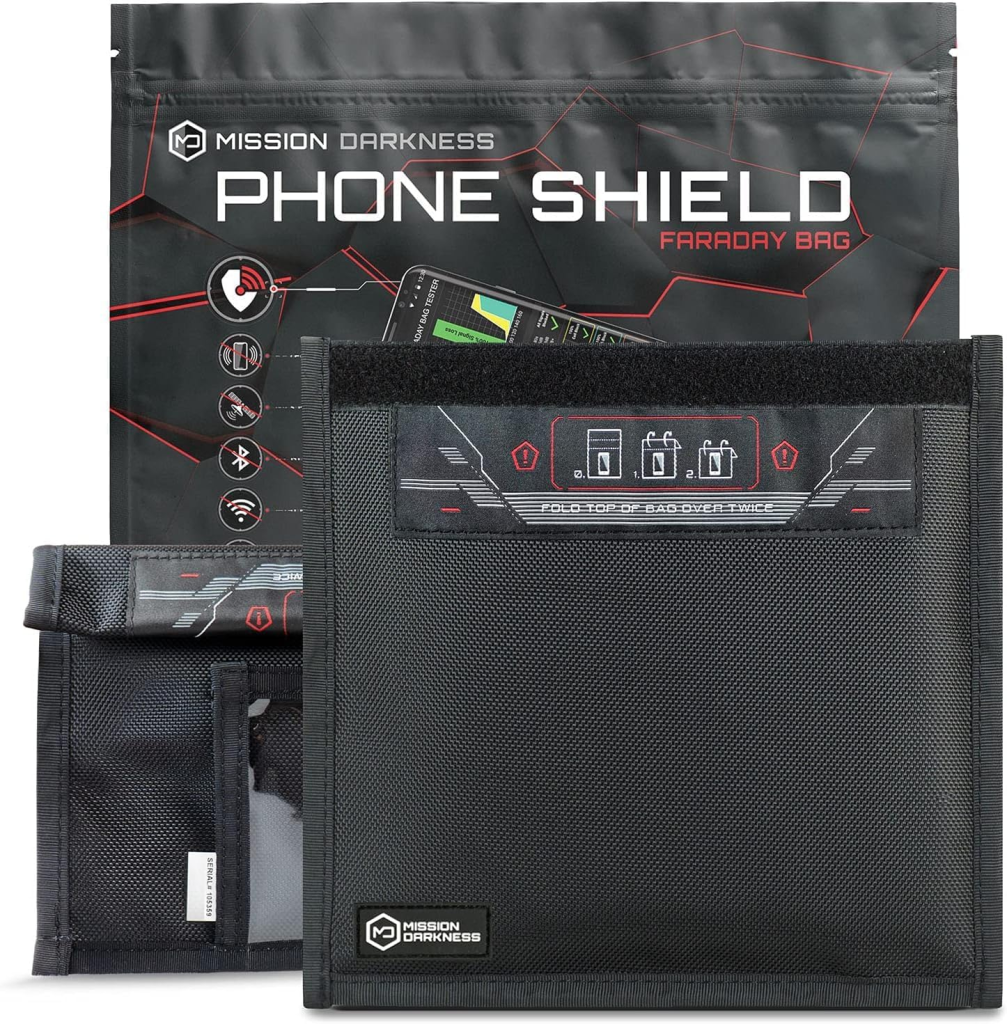
These passive shielding pouches are completely legal for personal privacy but serve dual purposes.
Faraday bags routinely block radio frequencies across a massive range, from 10 MHz to over 40 GHz. These pouches, constructed from multi-layered metallized fabrics like nickel, copper, and silver, create an electromagnetic shield. Seal a smartphone inside, and cellular, Wi-Fi, Bluetooth, RFID, and GPS signals instantly neutralize, turning a device into a digital paperweight. They are passive, non-electronic safety accessories, completely legal for personal privacy.
This passive shielding utility is why digital forensics experts rely on them, using a Faraday bag to preserve crucial evidence from remote wipes. Their neutrality, however, makes them dual-use tools. Criminals also employ them to isolate stolen vehicles from GPS tracking, turning a hot car into a ghost, or to bypass security by isolating RFID-enabled items during illicit activities.
15. Pinhole Spy Cameras
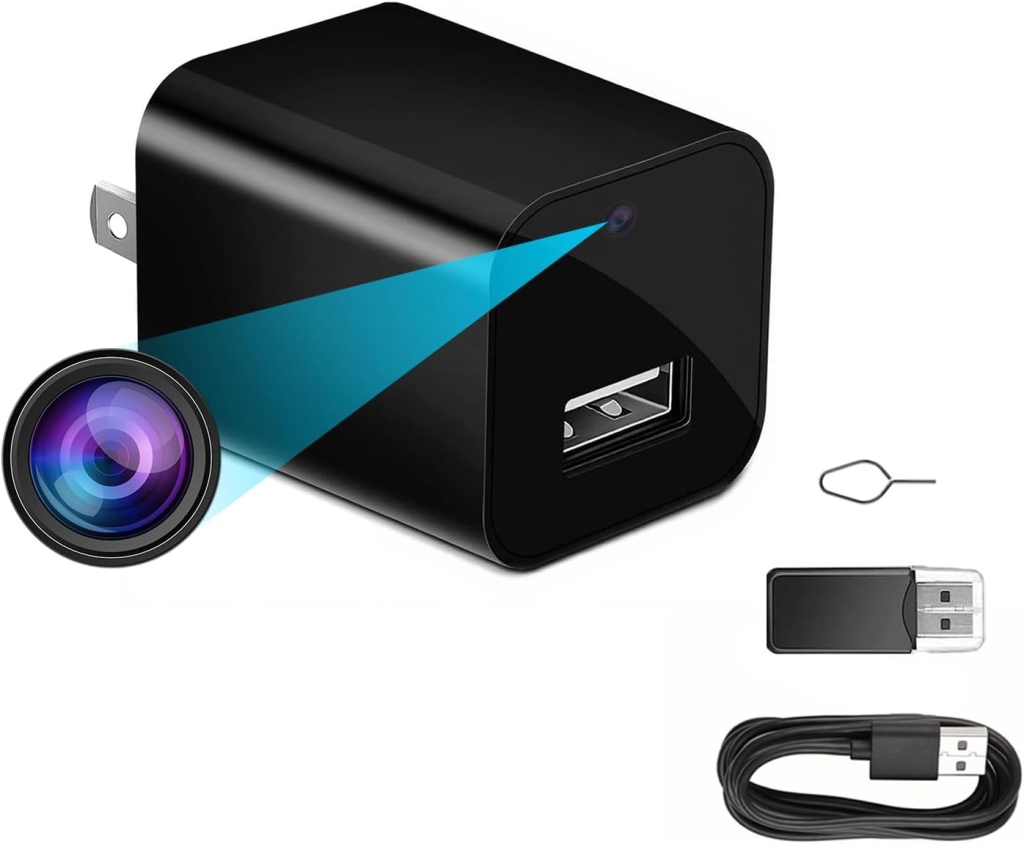
When deployed in private environments, these cameras lead to severe legal violations including video voyeurism.
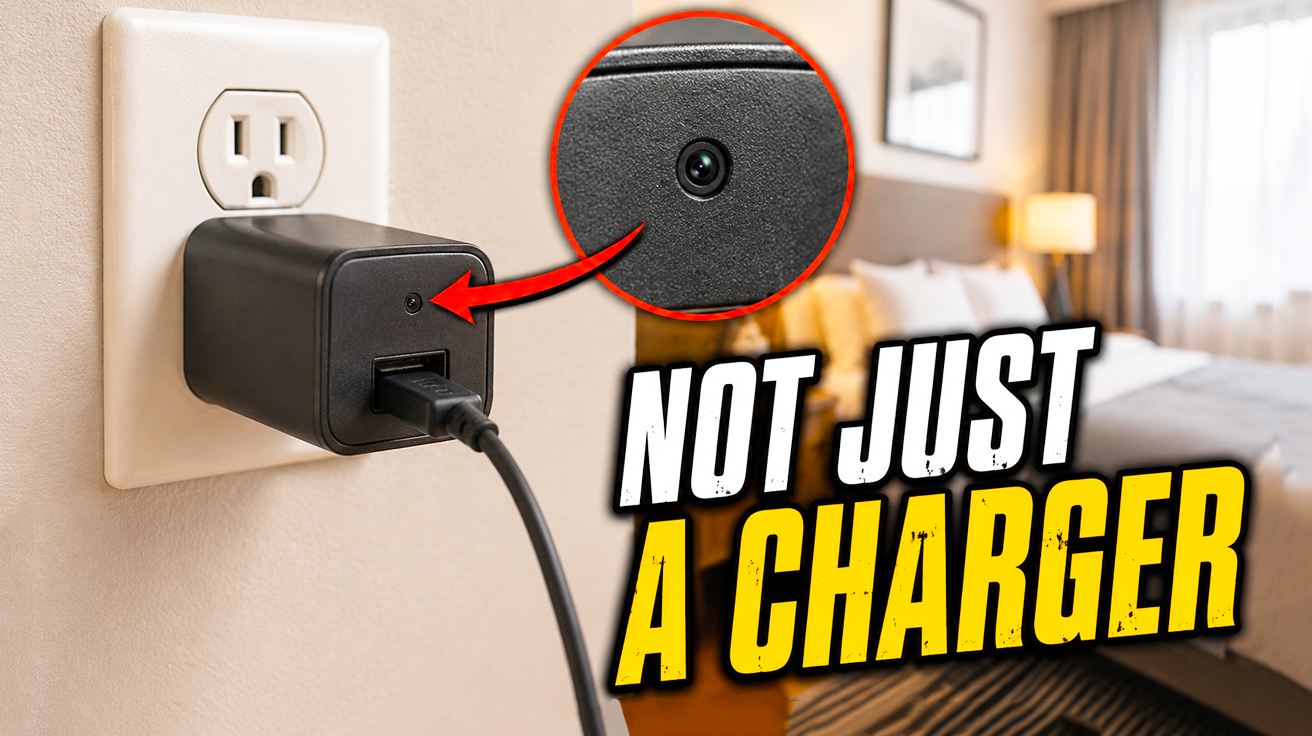
A pinhole aperture measuring less than 1 mm in diameter is all it takes to transform an innocuous USB wall charger into a surveillance device. These units integrate ultra-miniaturized CMOS image sensors, turning everyday objects like smoke detectors or digital clocks into digital ghosts, silently capturing space. They often feature internal micro SD storage for footage and a low voltage wireless transceiver, optimizing motion-activated recording for minimal power consumption.
Viral clips of people finding tiny cameras in Airbnbs highlight exactly the kind of privacy nightmare these devices enable. When deployed in private environments, these cameras can lead to severe legal violations, including video voyeurism and wiretapping statutes. Discovering an unexpected lens peering out from a seemingly ordinary household item, like a bedroom alarm clock, shifts reality faster than a TikTok trend.
14. Magnetic GPS Trackers
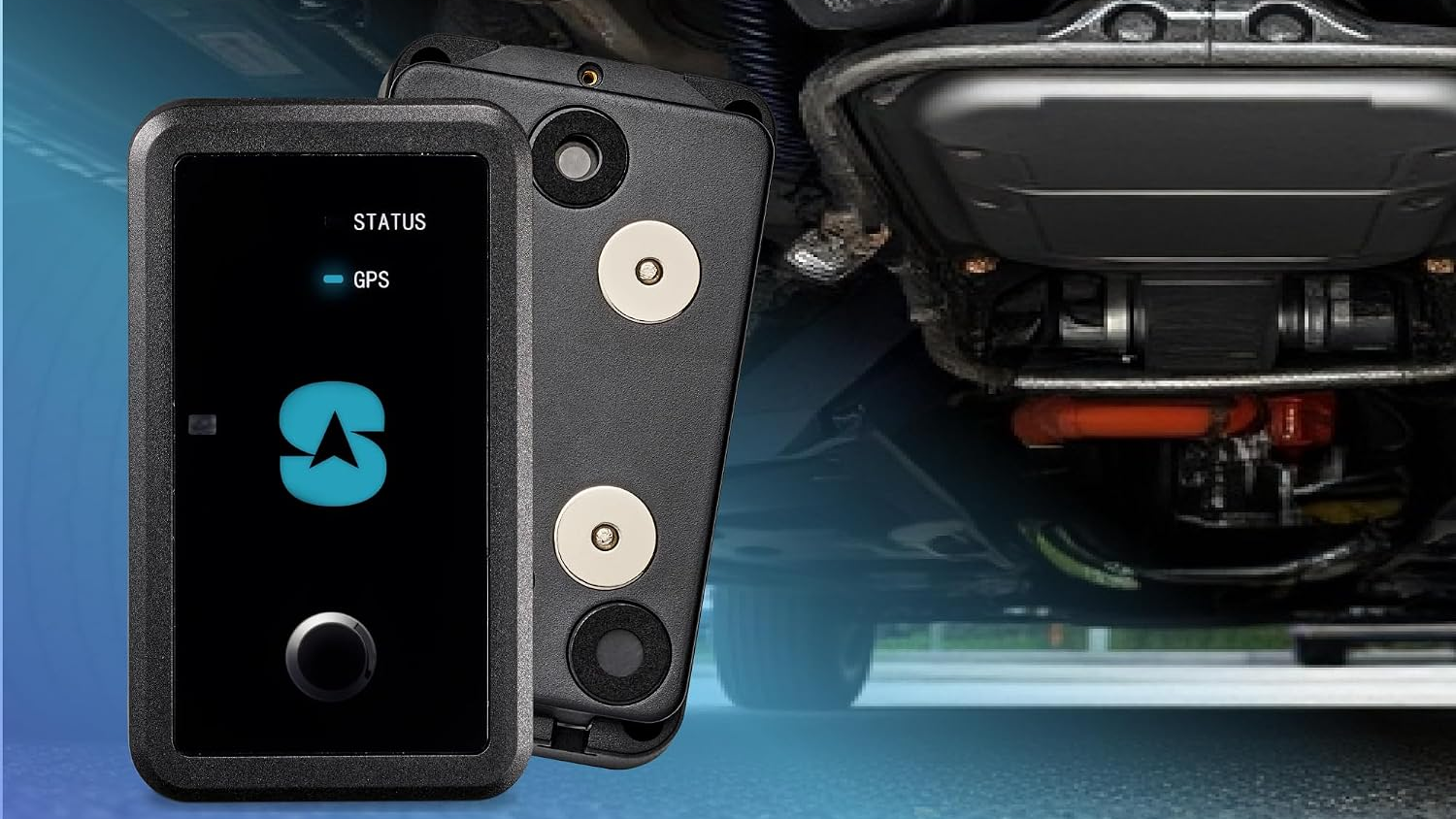
Covert placement often steps directly into a minefield of legal liabilities involving stalking laws.
The illusion of anonymous travel quickly shatters when a magnetic GPS tracker is involved. These devices pair an integrated multi-constellation GNSS receiver with an internal LTE cellular modem, capturing real-time time-of-flight data from orbiting GPS satellites. This information then gets packetized for transmission over cellular networks, providing continuous location telemetry. Strong neodymium magnets allow for discreet, firm attachment to metallic vehicle surfaces, turning any car into a moving target for surveillance.
Such covert placement often steps directly into a minefield of legal liabilities. While fleet managers legitimately employ these trackers for asset recovery and logistical oversight, using one to follow an individual without consent violates stalking, harassment, and unauthorized surveillance laws. The difference between managing company property and becoming the villain in a bad spy movie hinges entirely on consent.
13. USB Hardware Keyloggers
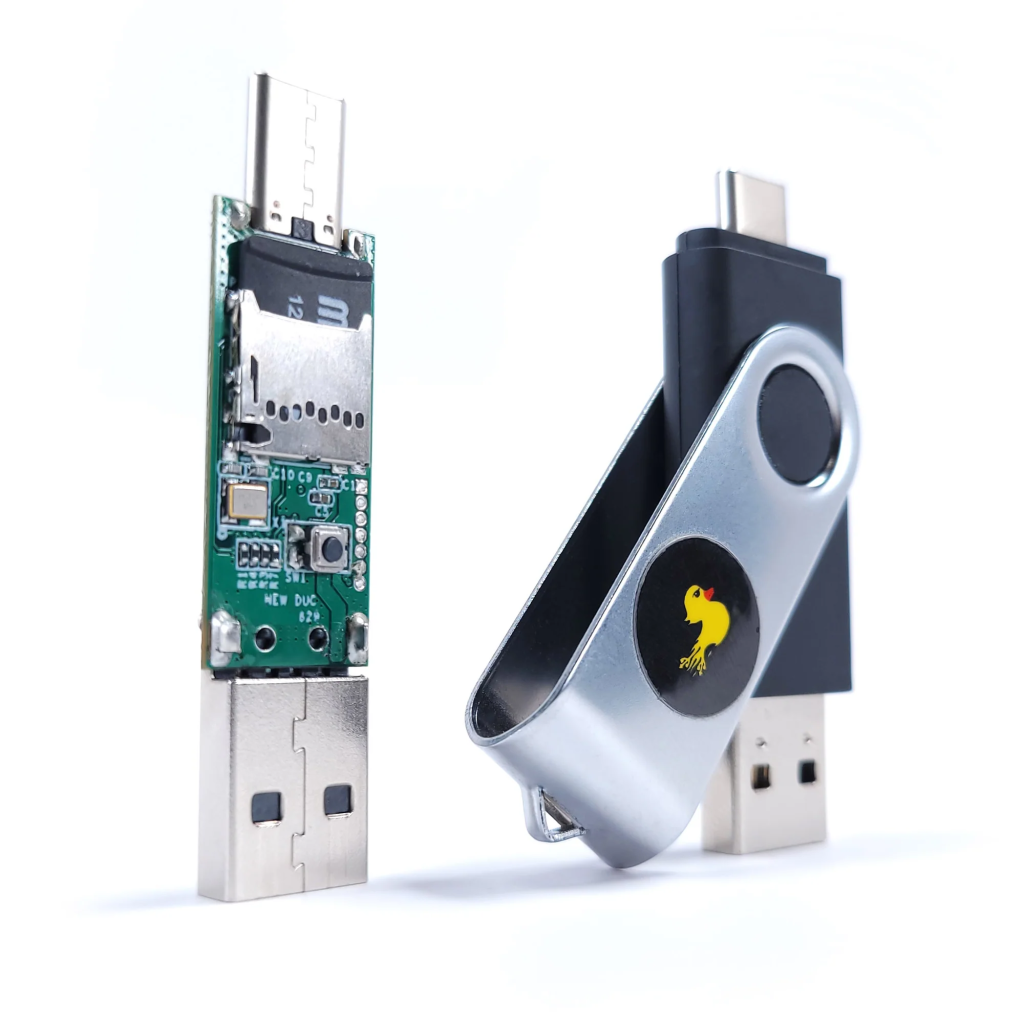
Unauthorized deployment violates serious wiretapping and computer trespass laws.
Disguised as standard USB adapters or cable extensions, these devices contain an internal flash memory controller and a high-speed micro opto-isolator system. These devices intercept raw Human Interface Device data packets, decoding keystrokes in real time and writing them to an encrypted plain text file, often storing tens of thousands of key presses. They’re undetectable eavesdroppers for keyboards, making them a significant threat for credential theft within security environments.
Unauthorized deployment violates serious wiretapping and computer trespass laws. A system administrator might use one for complex enterprise data recovery, but for everyone else, it’s a quick trip to legal trouble. The stealth capability that makes them useful for legitimate IT work also makes them dangerous in unauthorized hands.
12. Through-Wall Listening Devices
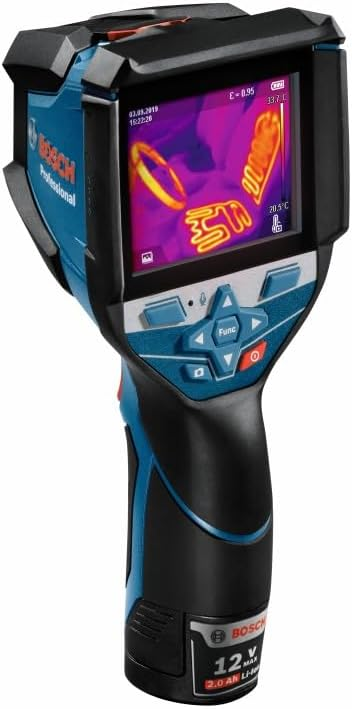
Deploying such a device for covert recording of private oral communications constitutes illegal electronic wiretapping.
Microscopic vibrations can reveal conversations in adjacent rooms, a fact these specialized acoustic tools leverage. These units rely on contact microphone technology, featuring a high-sensitivity ceramic piezoelectric transducer. Pressed against a partition, the transducer converts microscopic kinetic acoustic vibrations into low-voltage analog electrical signals. A low-noise operational amplifier then processes signals with adjustable gain filters to output clear audio, transforming wall vibrations into clear sound.
While a building engineer might use one to pinpoint a hidden pipe failure, deploying such a device for covert recording of private oral communications constitutes illegal electronic wiretapping. The same tool that helps diagnose structural issues becomes criminal evidence when aimed at private conversations, a move about as smart as posting a social security number online.
11. Parabolic Long-Distance Microphones
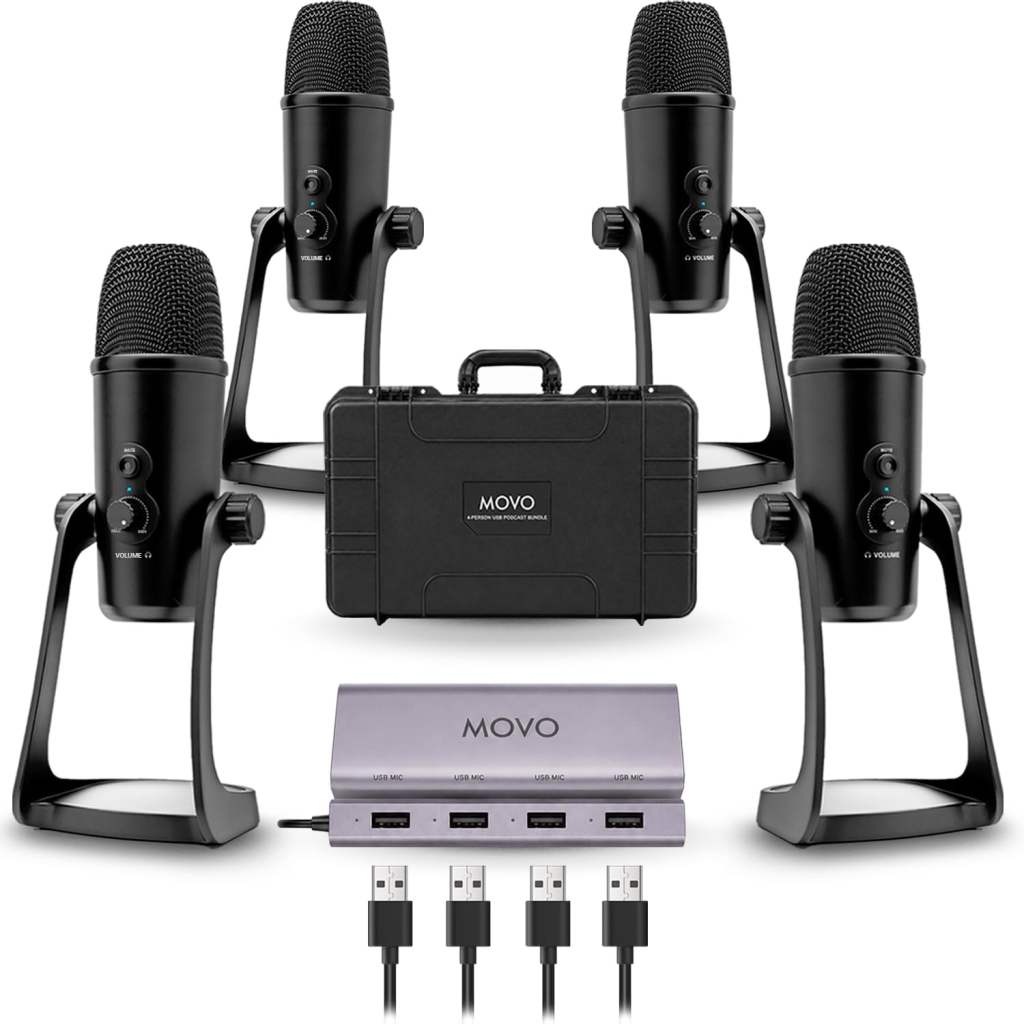
Wildlife researchers use these tools legitimately, but intercepting conversations raises serious legal questions.
Parabolic long-distance microphones operate with a mathematically precise dish, featuring true parabolic curvature. This design focuses acoustic energy from a distant source. Sound waves strike the wide surface, reflecting precisely to a central focal point where a highly sensitive omnidirectional condenser microphone captures them. Faint sounds can be pinpointed even from impressive distances with this setup.
The raw audio signal then routes through a preamplifier circuit with band-pass filtering, isolating frequencies between 300 Hz and 3400 Hz for clear speech. Wildlife researchers use these tools for tasks like documenting bird calls from afar. However, deploying such amplified audio capture systems to intercept conversations raises serious legal questions, especially when individuals expect locational confidentiality.
10. Lock Picking Devices (Lock Pick Kits, Electric Pick Guns, Bump Keys, Padlock Shims)
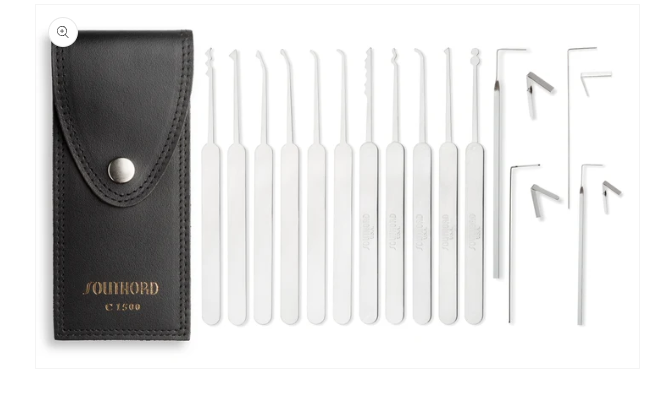
Amazon’s restricted-products guidance explicitly mentions lock picking devices as prohibited in some regional policies.
Physical security bypass methods reveal that no lock is truly impenetrable. Traditional lock pick kits demand a delicate touch, using tension wrenches and rakes to precisely manipulate internal pins. Electric pick guns offer a less finessed approach, rapidly vibrating a needle to throw driver pins above the shear line in a blur. Then there are bump keys, which leverage kinetic energy to defeat pin-tumbler locks. Padlock shims are thin metal tools that can release some spring-latch padlocks without the key.
A legitimate emergency locksmith might deploy an electric pick gun to help someone locked out of a car. However, for others, possession gets sticky. Merely owning such devices without clear professional intent can be treated as prima facie evidence of possessing burglary tools, turning a curious hobby into a legal minefield.
9. Automotive Lockout Tools
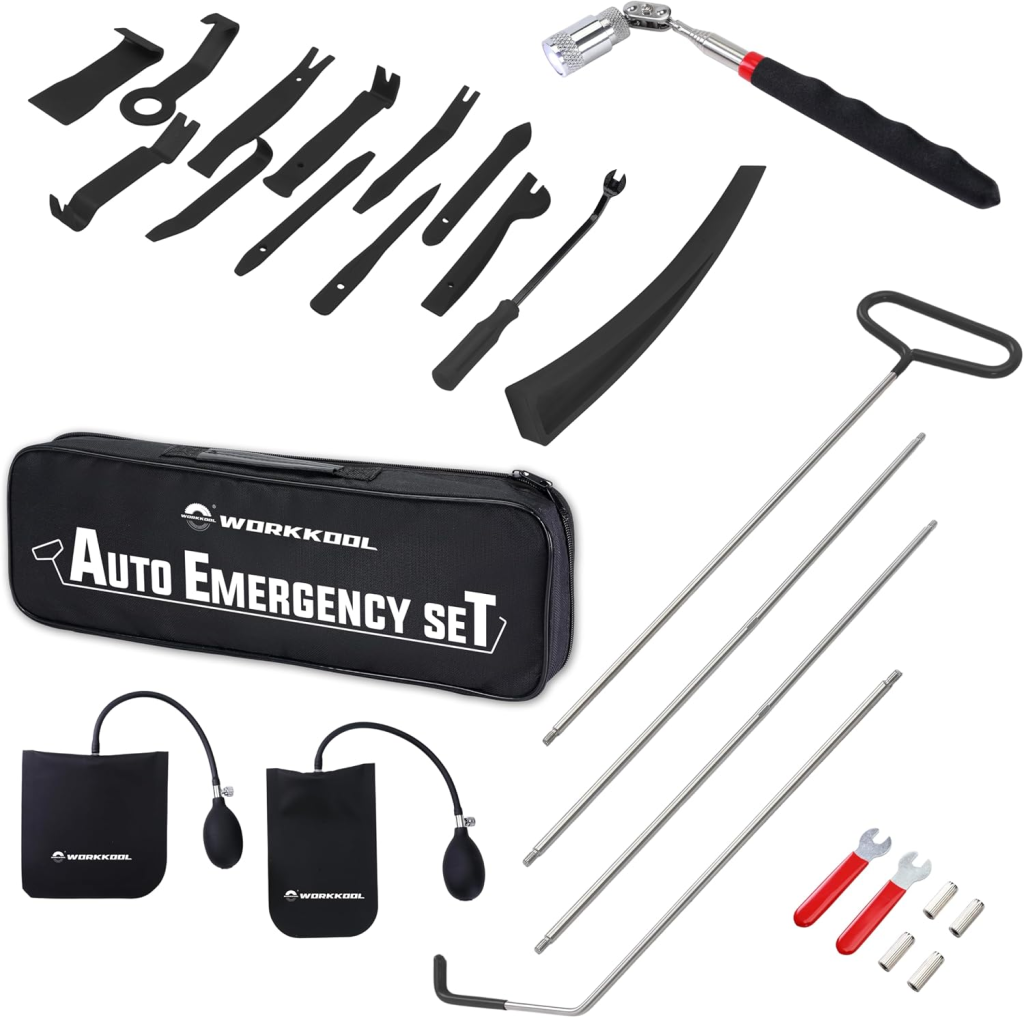
Carrying professional-grade automotive bypass tools without proper documentation can result in criminal charges.
The moment keys are dangling from the ignition inside a locked car hits harder than most Monday mornings. Professional automotive lockout tools make rapid vehicle entry possible, often without a scratch. An operator inserts a deflated inflatable polyurethane air bladder between the door’s weather stripping and the B-pillar frame. Pumping a manual inflation bulb expands the bladder, safely flexing the door frame outward by a few inches, creating a narrow gap.
Through this carefully crafted gap, a flexible long-reach spring steel rod can then be inserted. This rod allows the operator to manually depress the electronic unlock button or pull the physical door handle. Carrying professional-grade automotive bypass tools in a vehicle’s trunk, however, without proper documentation proving an active professional trade, can result in immediate criminal charges for possession of burglary instruments. A roadside assistance professional using these tools to help a stranded motorist highlights their legitimate purpose, proving their necessity when used correctly.
8. Hidden Handcuff Keys

Concealing one on your person during lawful arrest or detention is a severe felony for possession of escape implements.
These miniature implements, often made from carbon fiber composites or non-magnetic alloys, are engineered to match standard key dimensions. They can be found disguised as zipper pulls or discreet belt buckle inserts. While possessing such a key is legal, concealing one on your person during lawful arrest or detention is a severe felony for possession of escape implements. That quickly turns a bad day into a much worse one.
A survivalist might integrate one into their emergency kit, seeing it as a contingency. The distinction between preparedness and criminal intent hinges entirely on context and timing.
7. High-Power Magnetic Security Tag Detachers
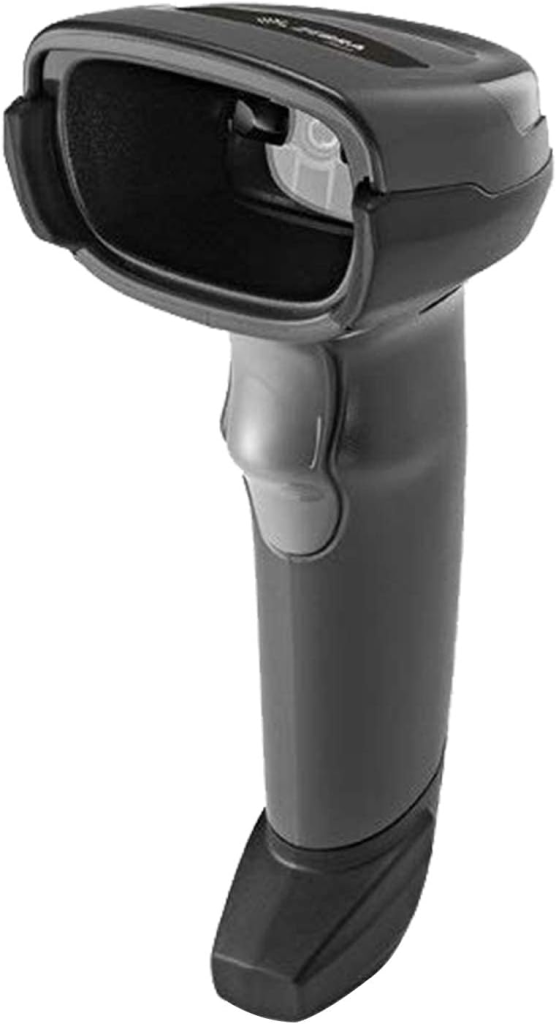
Possessing such a detacher inside a commercial establishment classifies it as an active shoplifting bypass tool.
These devices are engineered with high-density sintered neodymium iron boron rare earth elements, forming a dense magnetic core. This core focuses an extraordinarily strong, directional magnetic field. This intense magnetic flux instantly compresses the internal spring-loaded steel ball bearing locking mechanisms inside common retail security tags, releasing the locking pin.
Possessing such a detacher inside a commercial establishment classifies it as an active shoplifting bypass tool. Misuse carries severe criminal penalties, a consequence far more impactful than a viral online critique. For a legitimate retail employee, however, it remains essential for efficient inventory management. This tool transforms from a mundane utility into a serious legal liability when deployed with criminal intent.
6. High-Power Energy Lasers
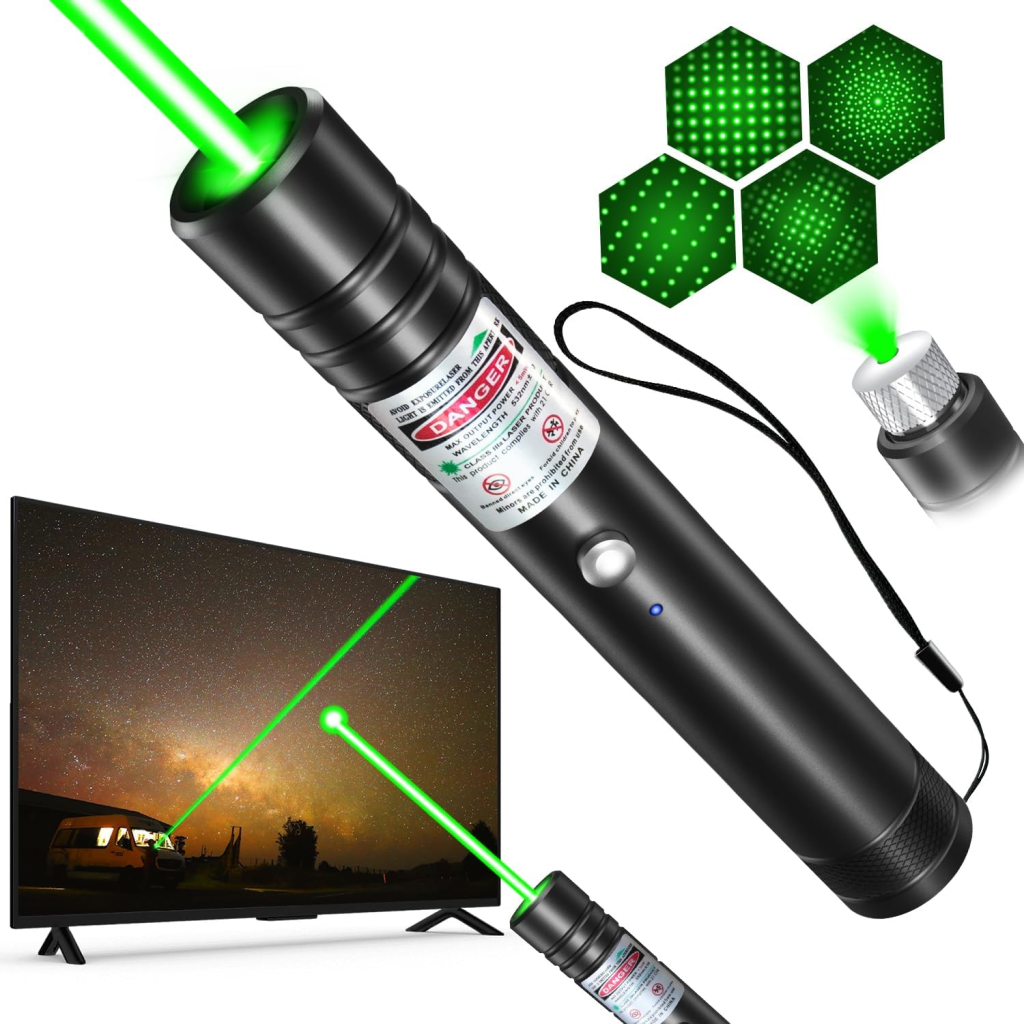
Consumer laser pointers above 5 mW are heavily regulated in the U.S.
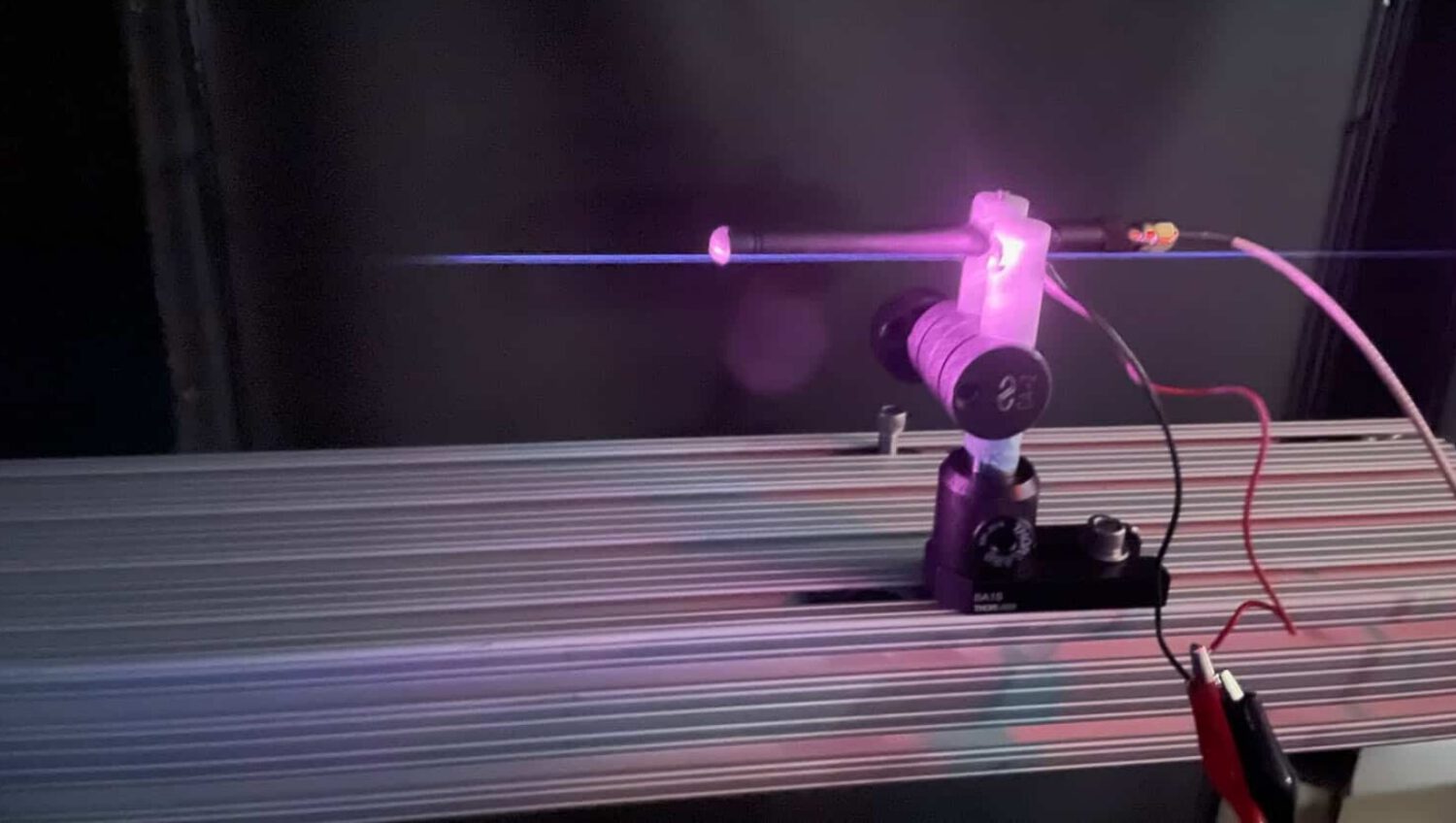
High-power energy lasers unleash an incredibly high power density, capable of igniting materials instantly. These tactical units, frequently producing blue 450 nm or green 532 nm light, are modified to output 1,000 to 5,000 mW (or 1 to 5 W). This vastly exceeds the 5 mW limit for standard presentation pointers. This power burns through plastics and causes immediate, irreversible thermal damage to the human retina.
Consumer laser pointers above 5 mW are heavily regulated in the U.S. The FDA maintains strict regulatory frameworks. It is illegal to market or sell lasers exceeding 5 mW as pointers or consumer novelties. Pointing a high-power laser beam into any aircraft’s flight path is a federal crime, ensuring a very bad day. While a research scientist uses these for legitimate laboratory testing, casual ownership and misuse carry severe consequences.
5. Proxmark3 RFID Tool
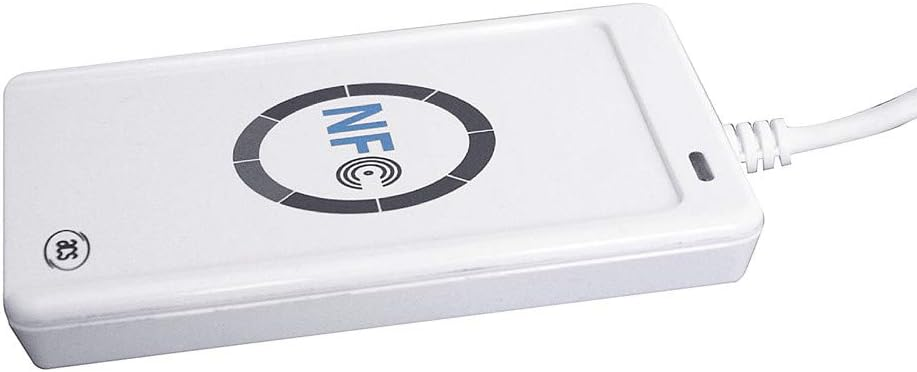
Unauthorized capture carries severe legal implications under the Computer Fraud and Abuse Act and local criminal trespass laws.
An access card, tapped without a second thought, might be less secure than assumed. The Proxmark3 RFID tool is a definitive instrument for diagnostics, used by security researchers. This open-source device features dual independent radio frequency analog processing chains, operating at low frequencies from 125 to 134 kHz and high frequency at 13.56 MHz.
Its onboard microcontroller executes automated hardware-level cryptographic attacks. It sniffs, decodes, demultiplexes, and clones physical access cards, corporate badges, and contactless key fobs in seconds. A researcher might use this to expose system vulnerabilities. Unauthorized capture, however, carries severe legal implications under the Computer Fraud and Abuse Act and local criminal trespass laws.
4. Software-Defined Radio (SDR) Platforms (HackRF One, BladeRF)
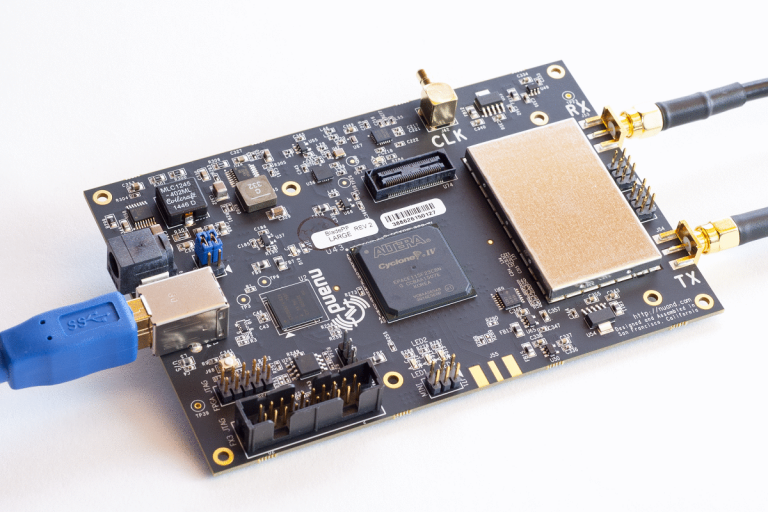
These platforms transform the invisible airwaves into a programmable canvas for wireless engineers.
Software-Defined Radio (SDR) platforms offer unprecedented access to the radio frequency spectrum. Devices like the HackRF One or BladeRF are versatile transceivers, covering frequencies from 1 MHz to 6 GHz. This allows wireless engineers to analyze signals, perform spectrum scanning, and test new protocols, effectively turning a laptop into a universal radio.
This utility, however, opens doors to illicit activities. Open-source software reconfigures these transceivers into DIY IMSI catchers or rogue cell site simulators. They trick nearby phones into connecting, allowing interception of unencrypted traffic, location data capture, or forcing devices to vulnerable 2G modes. Without explicit licensing, such use can implicate serious federal communications violations.
3. Smartphone Thermal Imaging Cameras
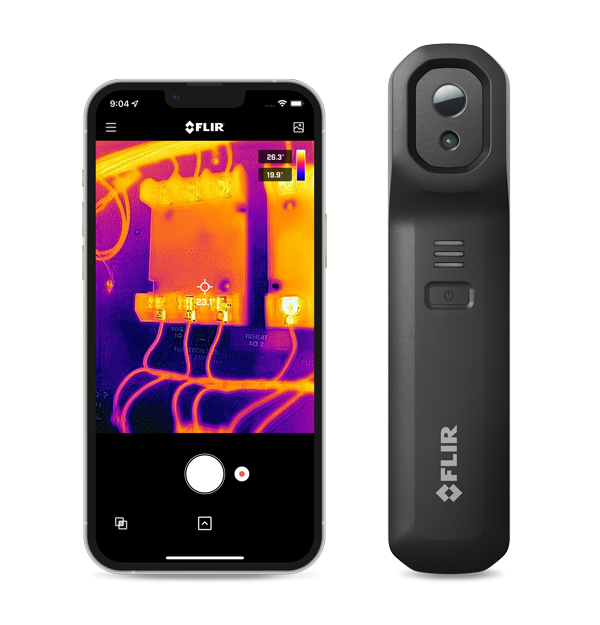
While valuable for industrial diagnostics, this tech also enables concerning privacy applications.
Smartphone thermal imaging cameras employ a highly sensitive microbolometer sensor array, effectively turning a device into a heat-mapping tool. These sensors detect long-wave infrared radiation across 8 to 14 micrometer wavelengths. This translates thermal patterns into detailed temperature maps. An HVAC technician uses this to pinpoint insulation gaps or electrical faults with precision.
While valuable for industrial diagnostics, this tech also enables concerning applications. It lets users detect heat signatures through thin materials or total darkness. This capability assists tracking patrols or monitoring human movement inside private properties. Powerful tools, once widely accessible, rarely stay confined to their intended ethical uses.
2. Drug Test Reagent Kits & Synthetic Urine
Using adulterants or synthetic compounds to falsify legally mandated drug screenings constitutes actionable fraud.
Precise identification of biochemical materials demands an immediate chemical reaction, contrasting sharply with efforts aimed at deception. Laboratory technicians use concentrated liquid colorimetric reagents, such as Marquis, Mecke, or Ehrlich solutions, for legitimate chemical verification. These solutions undergo rapid color changes based on molecular bonds, revealing chemical composition.
Alongside these tools are complex chemical masking agents and concentrated synthetic urine solutions. These products meticulously mimic standard biological parameters like specific gravity, creatinine, and temperature ranges. Using such chemical adulterants or synthetic compounds to intentionally falsify legally mandated workplace, athletic, or probation drug screenings constitutes actionable fraud. This act also violates laws regarding evidence tampering.
1. Police Strobe Simulator Light Bars
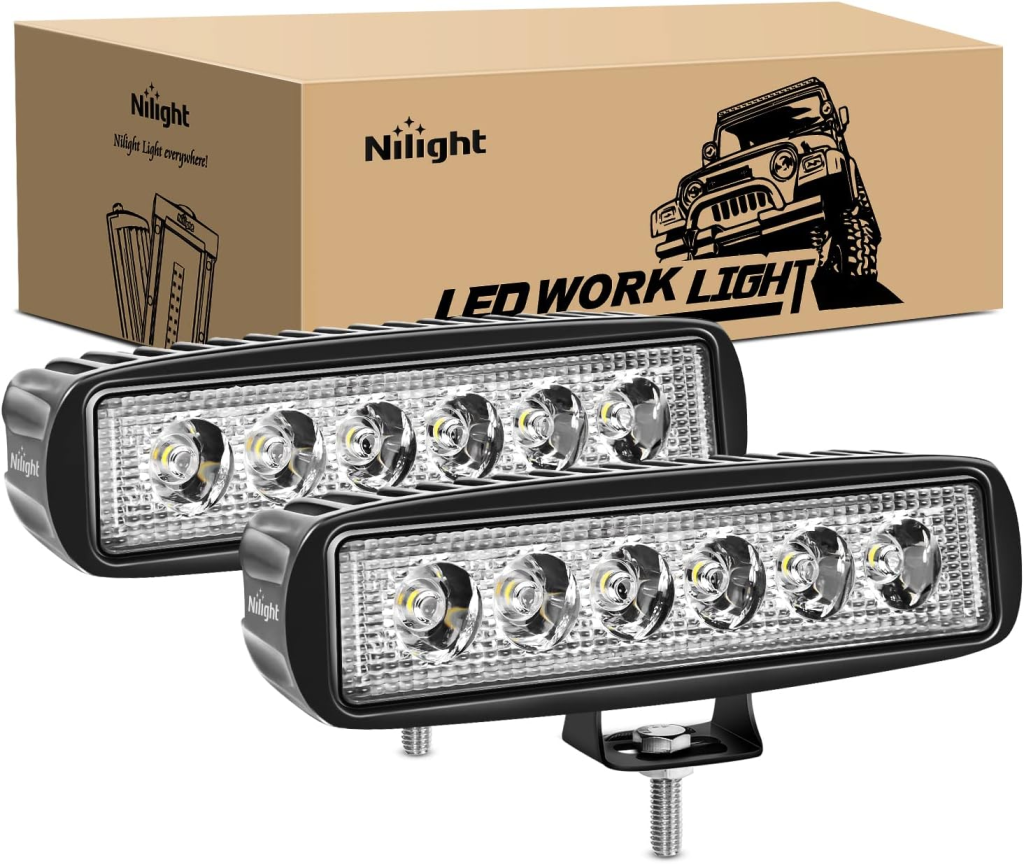
Operating a civilian vehicle equipped with alternating red and blue strobe lights on public roads is highly illegal.
Civilian vehicles can, with surprisingly little effort, replicate the unmistakable flash of emergency lights. These light bars, often marketed coyly as “off-road show car accent lighting,” use high-intensity LED matrices paired with specialized optical lenses designed to maximize long-range light dispersion. An internal electronic control module comes pre-programmed with sequential flashing patterns to perfectly mimic the signature pulse rates and color bands. Specifically, red and blue are utilized exclusively by emergency vehicles and law enforcement agencies.
Operating a civilian vehicle equipped with alternating red and blue strobe lights on public roads is highly illegal. This constitutes a severe misdemeanor or even a felony charge for criminal impersonation of a law enforcement officer, transforming a quick thrill into a legal nightmare faster than a viral TikTok challenge. The law recognizes the inherent authority these specific lights project, taking a dim view of such unauthorized performances.