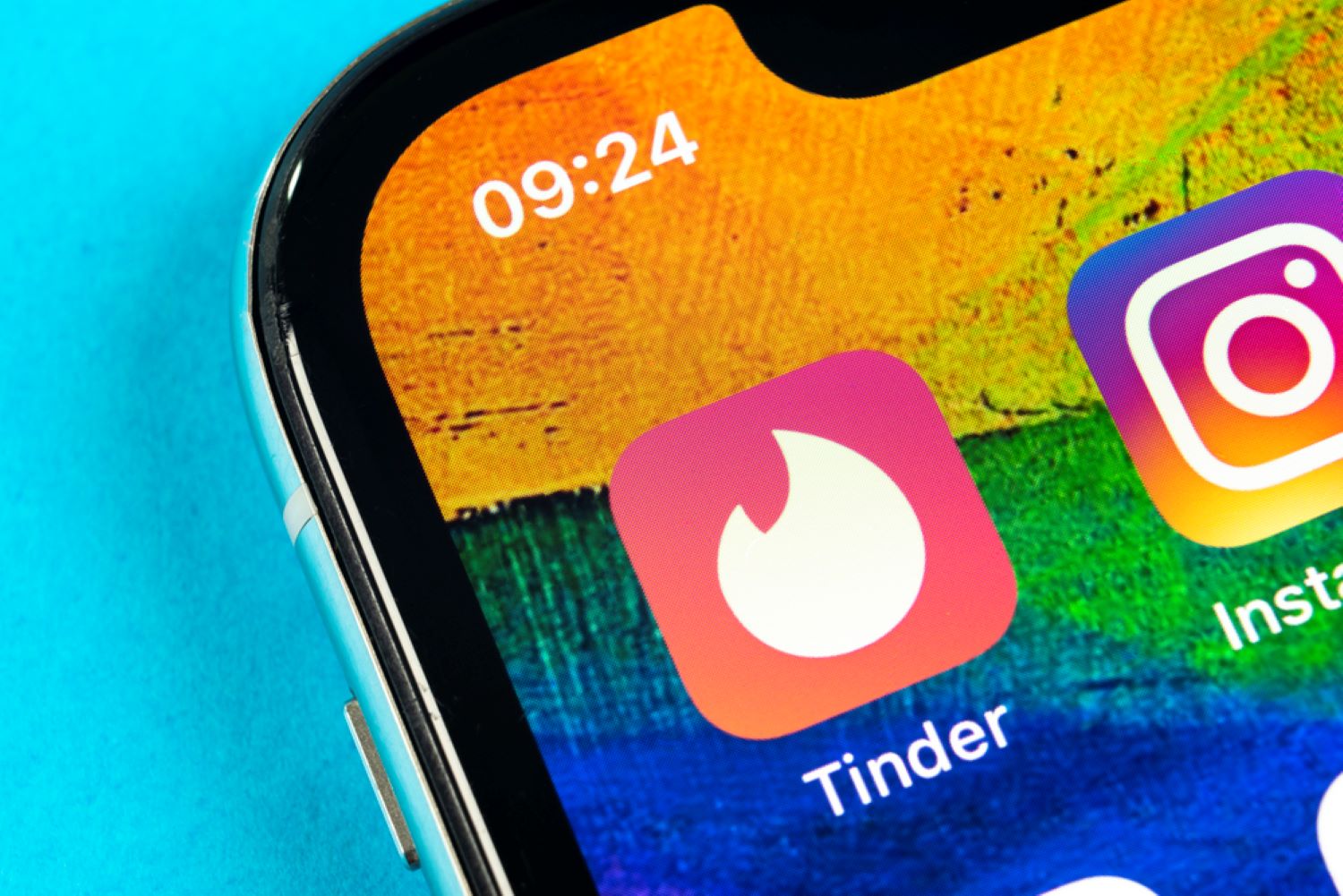
Jenny Rubin opened Tinder to find a notification: her profile photo had been “enhanced.” The woman staring back had a wide, toothy grin Rubin had never made. Her closed-mouth smile had been swapped for someone else’s teeth. She told NBC News the experience felt “extremely violating.” She had not asked for the edit and had received no prior warning — the app applied the change, then sent a notification after the fact. This is what optimization-first, permission-later looks like when it touches your face on a dating profile.
What Tinder Says It Did
The feature was designed as a technical fix — not a makeover — but the results told a different story for some users.
Photo Enhance was supposed to be mundane. Tinder’s policy page describes it as a tool that sharpens blurry images, adjusts brightness, and improves clarity. The company explicitly states the feature does not alter facial features or skin tone. It was automatically applied to first profile photos in 13 U.S. states when Tinder’s system detected a “technical issue” with image quality. Users received a notification afterward and could revert to the original.
According to statements Tinder gave to Mashable:
- The feature was in a limited test phase, not a full rollout
- Users could accept the enhanced version or keep the original
- More than 90% of users who received an enhanced photo kept it
- Less than 0.5% of enhanced photos were flagged as not resembling the user
- Tinder paused the rollout to investigate and “strengthen safeguards”
“Those are not my teeth. That’s not what my mouth looks like.” — Jenny Rubin, former Tinder user, NBC News
The Consent Problem Nobody Asked About
Tinder is fighting AI fakes on one front while quietly running AI edits on real faces on another.
The irony here is thick enough to swipe left on. Tinder is simultaneously partnering with Sam Altman’s Worldcoin for eye-scan “Real Human” verification and rolling out Face Check video selfies — all to combat AI fakes and catfishing. Meanwhile, it was running AI edits on real users’ actual faces without explicit opt-in. At least one user reported their skin tone was lightened, directly contradicting the company’s stated rules. That is not a technical hiccup. That is a trust fracture.
The EFF has warned that dating apps “need to learn how consent works.” Photo Enhance fits a familiar pattern: features ship as quiet experiments, users discover changes after the fact, and companies cite low complaint rates as proof the problem is contained. Tinder’s 0.5% figure sounds reassuring until you remember this app has tens of millions of users.
Small percentages, big faces.
Dating apps are racing to embed AI everywhere while promising authenticity with the other hand. If Tinder wants you to trust its face-verification tools, it probably should not be editing the very faces those tools are supposed to verify — without asking you first.