Federal data shows roughly 95% of new vehicles sold in the U.S. carry Event Data Recorders—essentially crash-resistant “black boxes” that log seconds of critical incident data. Beyond those EDRs, dozens of electronic control units track everything from speed and braking habits to voice commands and seatbelt clicks. Modern cars function as rolling data centers, and the information they gather doesn’t stay locked inside. That “Accept” button on your infotainment screen? It might be the digital handshake that lets your vehicle whisper your driving life straight to the cloud.
1. Event Data Recorder (EDR)
The digital flight recorder installed in nearly every new U.S. light vehicle
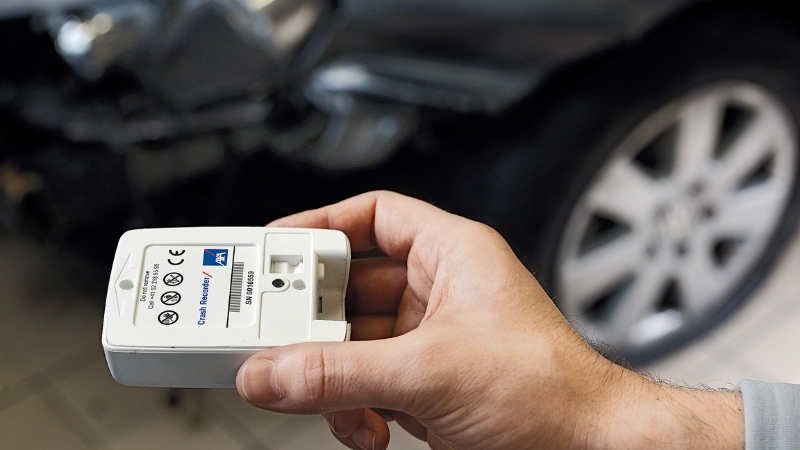
Roughly 95% of new U.S. light vehicles come equipped with an Event Data Recorder, integrated into the airbag control module and built to survive severe impacts. This device captures seconds—not minutes—of data surrounding a crash: pre-impact vehicle dynamics, driver inputs such as braking and steering, crash forces, seatbelt use, airbag deployment timing, and impact severity. Federal regulations mandate specific minimum datasets for EDRs, ensuring consistent post-collision reporting. The device acts as an unblinking witness, delivering objective facts when reconstruction teams need to know exactly what happened in those final moments before impact.
2. Journey Data Recorders (JDRs) and Accident Data Recorders (ADRs)
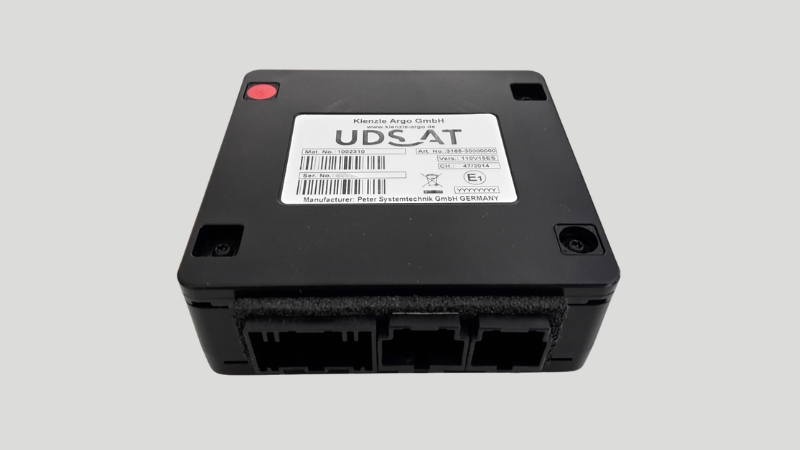
Continuous loggers that track driving behavior throughout entire trips
Standard Event Data Recorders capture only crash-adjacent moments. Journey Data Recorders and Accident Data Recorders operate differently, continuously logging vehicle status and driving behavior before, during, and after accidents—much like an aircraft’s flight recorder. These systems track speed, direction of travel, longitudinal and lateral acceleration, light and turn signal status, braking, and GPS position. Data cycles through on a loop, overwriting older information to keep the record fresh. Commercial fleets and safety researchers use JDRs to monitor driver behavior, validate new technologies, and establish human tolerance limits, providing granular records crucial for dispute resolution and liability assessment.
3. Electronic Control Units (ECUs) in Modern Vehicles
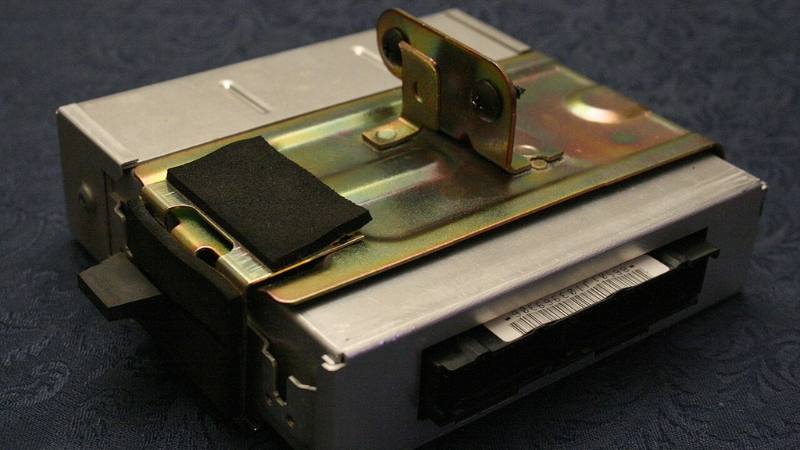
The network of small computers managing everything from engine control to infotainment
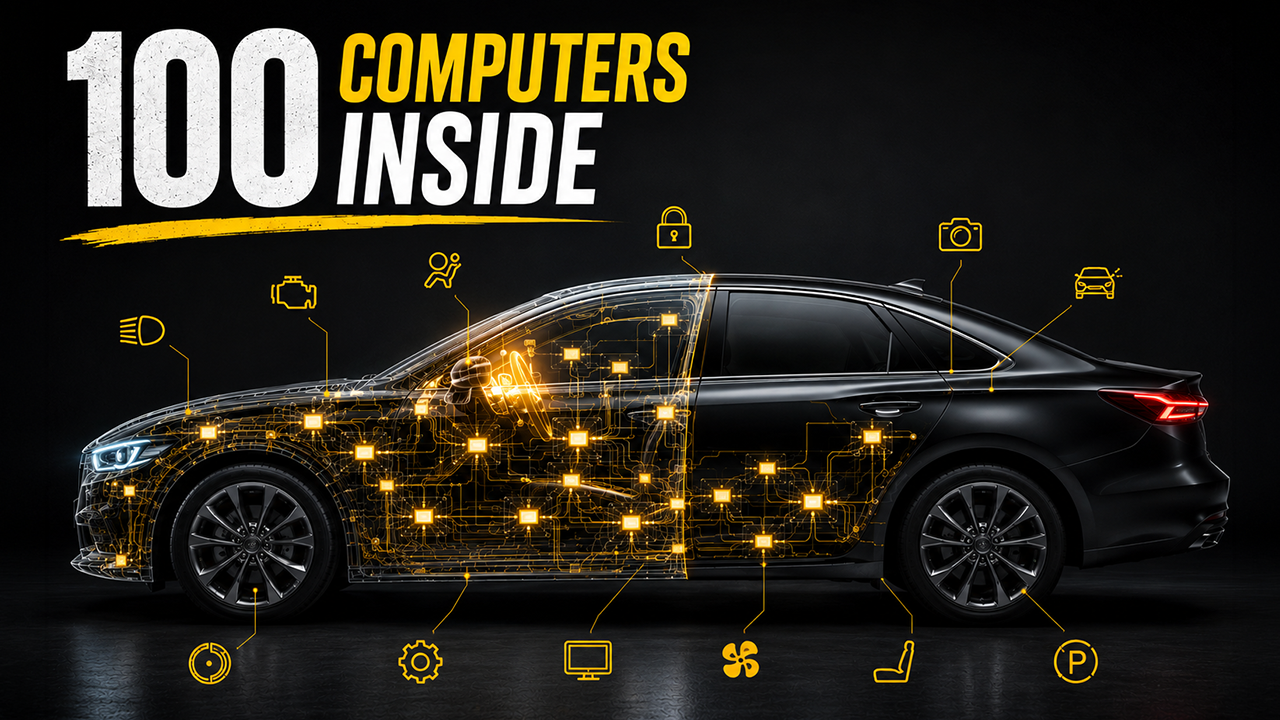
Modern cars can contain over 100 electronic control units—dedicated mini-computers overseeing engine performance, transmission shifts, airbag deployment, infotainment, and advanced driver-assistance systems. These ECUs communicate via internal vehicle bus systems such as CAN, LIN, and Ethernet, creating a constant digital conversation. The collective chatter generates massive amounts of information from hundreds of data points, making a contemporary vehicle less “car” and more “computer on wheels.” Each ECU handles its specialized domain, but together they form an intricate web that captures nearly every mechanical action and driver input throughout a journey.
4. Automotive Telematics Systems
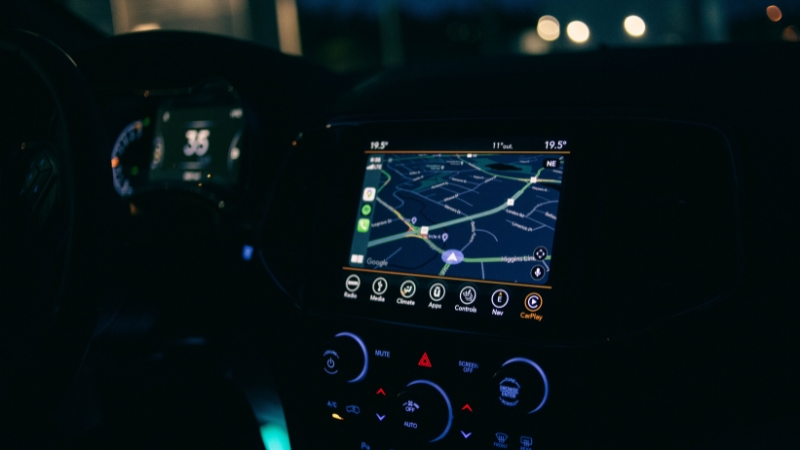
Built-in cellular modules that transmit data between vehicles and remote servers
Telematics merges telecommunications and informatics, using a built-in cellular SIM module to relay data between a vehicle and backend servers. This connection enables remote diagnostics, crash notification, navigation, and app connectivity. Systems such as OnStar (used by GM and Chevy vehicles) actively collect driving behavior—speed, braking, location—and feed that information into risk scoring models for usage-based insurance. Removing the embedded SIM is difficult, but drivers can manage data by disabling unused services or opting out through manufacturer privacy portals. Balancing the convenience of connected services with control over outbound data requires active attention to settings and consent agreements.
5. Vehicle-Integrated Biometric Access and Driver Recognition

Fingerprint scanners and facial recognition cameras enabling keyless entry and personalized settings
A glance or fingerprint touch unlocks doors and starts engines in vehicles equipped with biometric systems. These technologies—found in brands such as BMW, Hyundai, and Tesla—enable keyless entry, engine start, and driver profile personalization, adjusting seat position, mirrors, and climate controls to individual preferences. Convenience comes with privacy costs. The systems capture and store unique biometric identifiers, linking them directly to driver accounts. This highly sensitive data can reside locally within vehicle ECUs or transmit to backend servers via telematics, raising concerns about unauthorized access, data breaches, and the permanence of biometric records in corporate databases.
6. In-car Voice Assistants and Voice Recording Systems
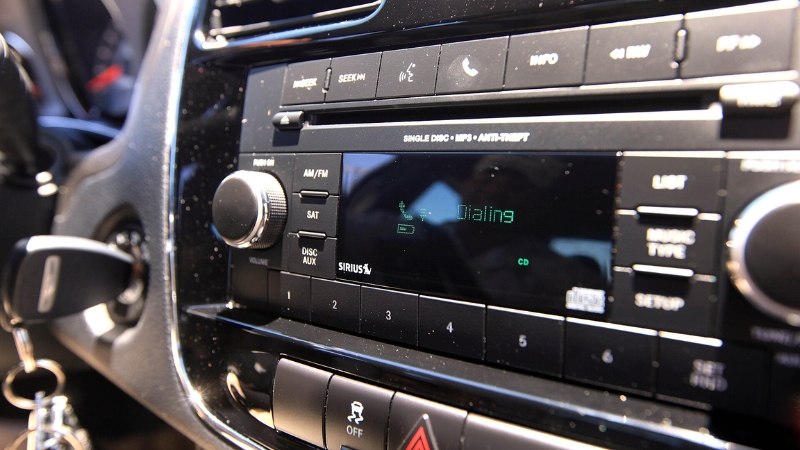
Microphones that monitor cabin audio for wake words and process spoken commands
Voice recognition systems constantly monitor cabin audio for wake words—specific phrases designed to trigger responses. Microphones feed audio into infotainment ECUs, where processing occurs locally or via cloud speech-processing services. Problems arise when road noise, music, or passenger speech causes false activations, leading to unintended recordings of normal conversations. Once captured, this audio can be stored for quality improvement or analytics, depending on the manufacturer’s implementation. Turning off voice features when not actively using them limits unintentional data collection, but understanding when the system is truly listening remains the best defense against cabin surveillance.
7. In-car Cameras and Cabin Monitoring
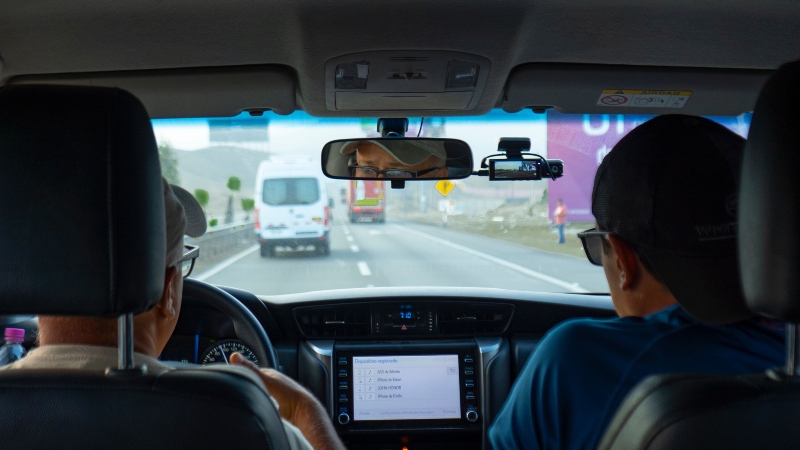
External and internal cameras for driver-assistance systems and attention monitoring
External cameras power advanced driver-assistance features: lane-keeping, collision avoidance, parking assist. Internal cabin cameras monitor driver eye gaze, head position, and distraction levels, issuing alerts when attention drifts from the road. A Reuters report confirmed that between 2019 and 2022, Tesla employees shared private customer footage, exposing serious privacy vulnerabilities in these systems. Drivers can often limit cabin monitoring and disable camera sharing through vehicle infotainment settings or manufacturer apps, but the mere presence of recording hardware creates a digital footprint many owners don’t realize exists. China’s government has restricted Tesla vehicles from military and government spaces based on these camera concerns.
8. Dashcams and Video Event Data Recorders (VEDRs)
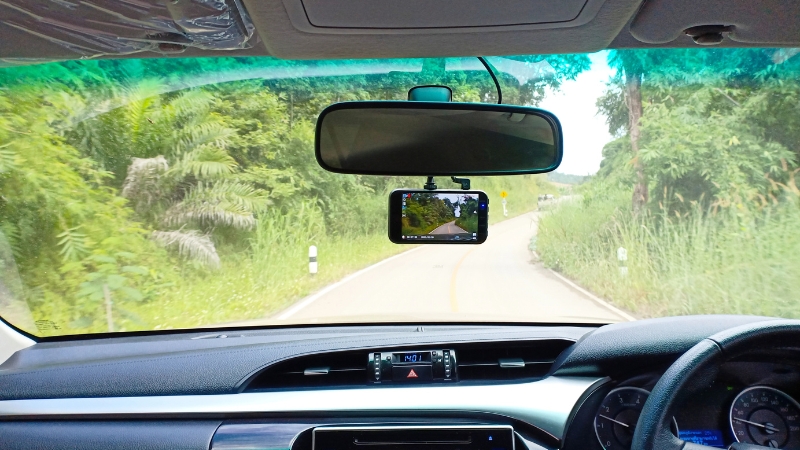
Onboard cameras that continuously record windscreen views and telemetry data
Dashcams continuously record the view through a vehicle’s front windscreen, capturing traffic disputes and unexpected events for evidentiary or security purposes. Some models function as Video Event Data Recorders, combining high-definition video with telemetry such as vehicle speed, acceleration/deceleration g-forces, GPS location, steering angle, and electrical system voltage. Advanced dashcams incorporate mobile connectivity, automatically uploading footage to cloud storage for fleet monitoring and incident documentation. These systems eliminate the need to manually pull memory cards and provide an independent, objective record of roadside events—useful for insurance claims, collision reconstruction, and resolving disputes with irrefutable visual and sensor data.
9. Vehicle Data Monetization Market
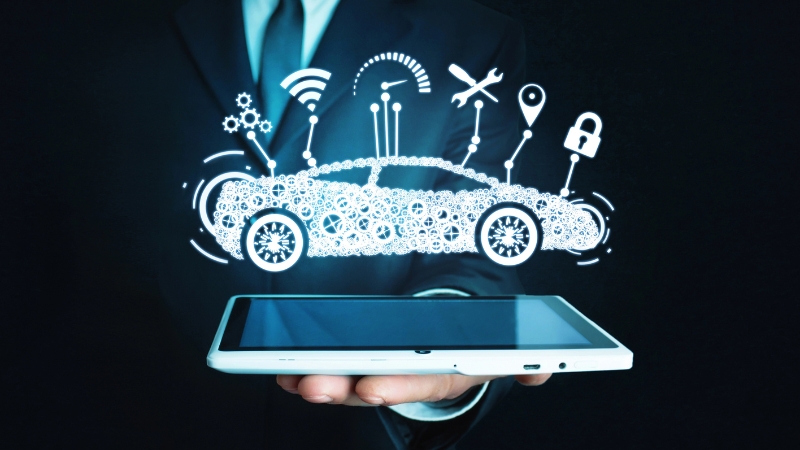
Aggregated driving data sold to insurers, data brokers, and third-party service providers
Vehicle data—from EDRs, telematics, infotainment systems, and connected services—is aggregated and sold to insurers, data brokers, and third-party providers for risk assessment, marketing, and analytics. Major consultancies project a rapidly growing vehicle data monetization market, with estimates reaching hundreds of billions of dollars globally as connected-car penetration increases. Typical monetized datasets include location history, driving style, trip frequency, and in-car service usage. This information flows from vehicles into corporate hands, turning every trip into actionable intelligence. Law enforcement can also access these records, and drivers rarely receive clear disclosure about which entities purchase their data or how it’s ultimately used.
10. Mozilla’s “Privacy Not Included” Research
A study finding all 25 reviewed car brands failed basic privacy tests
Mozilla’s “Privacy Not Included” project reported that all 25 car brands reviewed failed its privacy tests, largely due to extensive data collection and sharing practices. Most automakers share car and driver data with third parties, and 84% sell this data outright, often under broad consent language buried in privacy policies. Mozilla highlighted issues including opaque policies, vague consent mechanisms, and wide data-sharing networks, concluding that cars rank among the worst consumer products for privacy—more invasive than many internet-connected home devices. The research underscores a systemic problem: personal driving and behavioral data are routinely collected, aggregated, and monetized, with minimal transparency or user control over downstream usage.
11. Usage-Based and Telematics-Based Car Insurance

Insurance products that price premiums according to actual driving behavior
Usage-based insurance relies on data from vehicle sensors, EDRs, or telematics devices to price premiums according to actual driving behavior: mileage, speed, braking intensity, and time of day. Insurers obtain data directly from manufacturer telematics programs such as OnStar or from aftermarket devices and apps, using it to calculate risk scores that raise or lower premiums. Journey Data Recorders and Accident Data Recorders provide the granular details needed for behavior-based pricing, linking specific incidents and patterns to individual policyholders. Consistent hard braking, speeding, or late-night driving can trigger higher rates, turning every trip into a factor in insurance calculations and making driving habits financially consequential.
12. Connected-Car Privacy Controls and Factory Reset
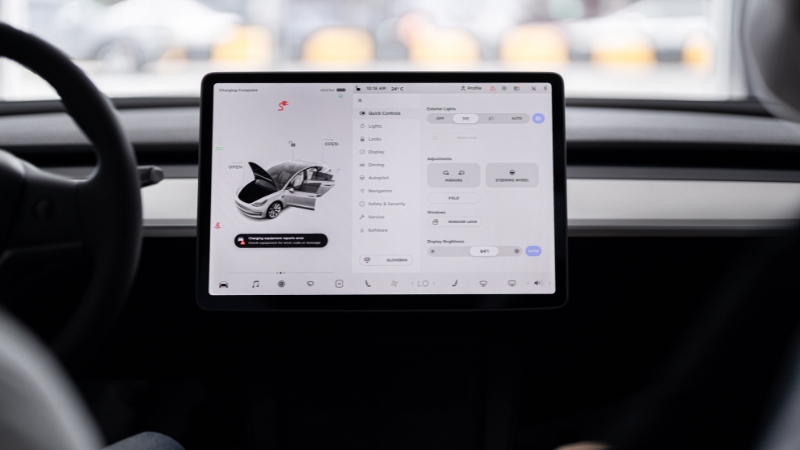
In-vehicle settings and manufacturer portals that manage data sharing and consent
Many vehicles and connected-car apps provide privacy and data-sharing settings, often labeled as data sharing, analytics, diagnostics, connected services, personalization, location services, or driver monitoring. Disabling certain features reduces outbound data—turning off location sharing limits real-time tracking but can impair navigation and connected services; disabling telematics affects remote unlock, emergency calls, and software updates. Performing a factory reset on the infotainment system before selling or returning a vehicle removes paired devices, contact lists, call logs, messages, navigation history, and connected account credentials. Some privacy and opt-out controls exist in manufacturer online account portals, not just in-car menus, so managing consent requires checking both interfaces to limit data collection and sharing with insurers or third parties.