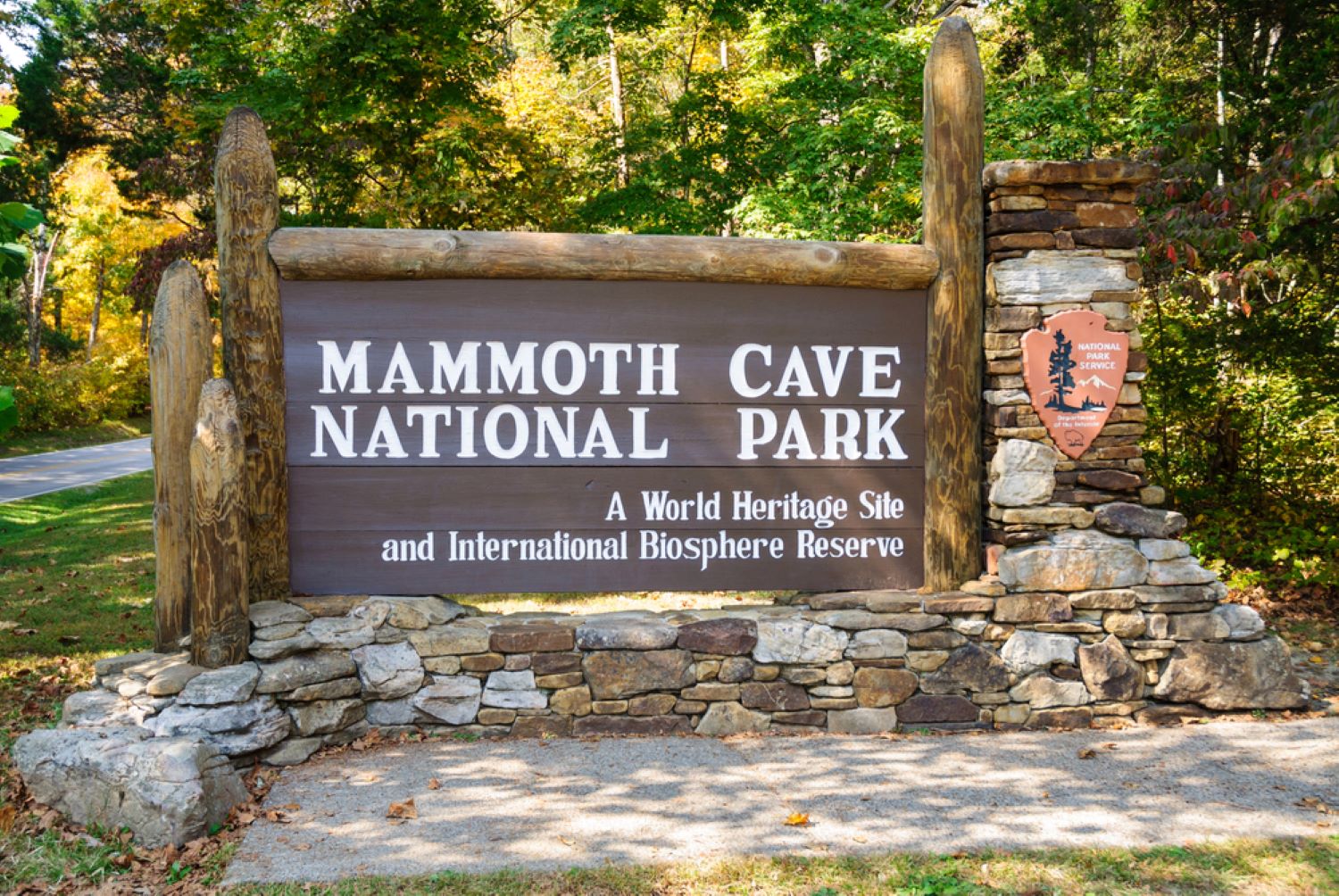
Cave City, Kentucky — population roughly 2,500 — did something unremarkable last May. The city council passed a 12-month moratorium to study the potential impacts of a proposed data center near the entrance to Mammoth Cave National Park, home to the world’s largest known cave system. Kentucky Industrial Alliance, LLC responded by filing a lawsuit, claiming the pause is illegal and violates the company’s due process rights. This isn’t a local quirk. Lawsuits targeting municipal moratoriums have become a recognizable strategy — the same playbook running in zip codes across America. An estimated $64 billion in U.S. AI data centers projects have been blocked or delayed due to local opposition, per DataCenterWatch.
Mammoth Cave, Meet Big Tech
A $4.8 billion proposal promises closed-loop cooling, but Mammoth Cave’s geology doesn’t negotiate with press releases.
The proposed Cave Point Commerce Center would span ten buildings at roughly 200,000 square feet each. The developer’s draft economic analysis claims a closed-loop water system would cap daily usage at around 300,000 gallons — comparable to a single office building. Critics aren’t convinced. Mammoth Cave’s karst geology connects surface and groundwater through porous limestone, making any industrial neighbor a potential threat to ecosystems that took millions of years to form. Councilwoman Leticia Cline put it plainly: she is “100% against a data center being the identity of the entrance to Mammoth Cave.”
For context on the scale involved: some AI data centers consume up to 5 million gallons of water per day — equivalent to the daily use of a town of 10,000 to 50,000 people, according to the Environmental and Energy Study Institute. Meanwhile, the Kentucky Industrial Alliance lawsuit doesn’t challenge environmental concerns at all. It targets the moratorium itself as unlawful due process violation — a narrow but aggressive legal move.
“The rapid and unchecked pursuit of new technologies must not come at the expense of our national parks,” said Kyle Hart of the National Parks Conservation Association.
The Cave City case is not an outlier. Similar conflicts have emerged across the country:
- In Imperial Valley, California, a developer sued for access to 287 million gallons of Colorado River water after two cities rejected a $10 billion AI facility.
- In New Jersey, Hexa Builders filed a $300 million suit against Monroe Township for blocking its project.
- In Ohio, a developer sued a small town after officials approved a 12-month moratorium.
An estimated $64 billion in U.S. data center projects have been blocked or delayed due to local opposition, per DataCenterWatch — and 70% of Americans now oppose AI data centers in their area, with 48% strongly opposed, according to Gallup.
Not every fight ends with the developer holding the gavel, though. Virginia’s Prince William Digital Gateway — 37 proposed data centers beside Manassas National Battlefield Park — collapsed after courts voided key rezoning decisions and developer QTS withdrew its final appeal. The NPCA called it “a clear message to developers everywhere that our national parks are no place for data centers.”
What Comes Next
Federal buffer zones and mandatory disclosure rules are on the table, but neither exists as law yet.
If you live near a national park, historic battlefield, or strained water source, Cave City’s fight is a preview of your own. The NPCA is pushing for a federal one-mile no-build buffer around park boundaries. The proposed Artificial Intelligence Environmental Impacts Act would require data centers to publicly disclose:
- total energy use
- water consumption
- renewable energy share
— basic transparency that currently no federal rule mandates.
Cave City asked for 12 months to think it through. They got a lawsuit instead. The question was never really whether more data centers are coming — it’s whether the communities that have to live alongside them get any voice at all.