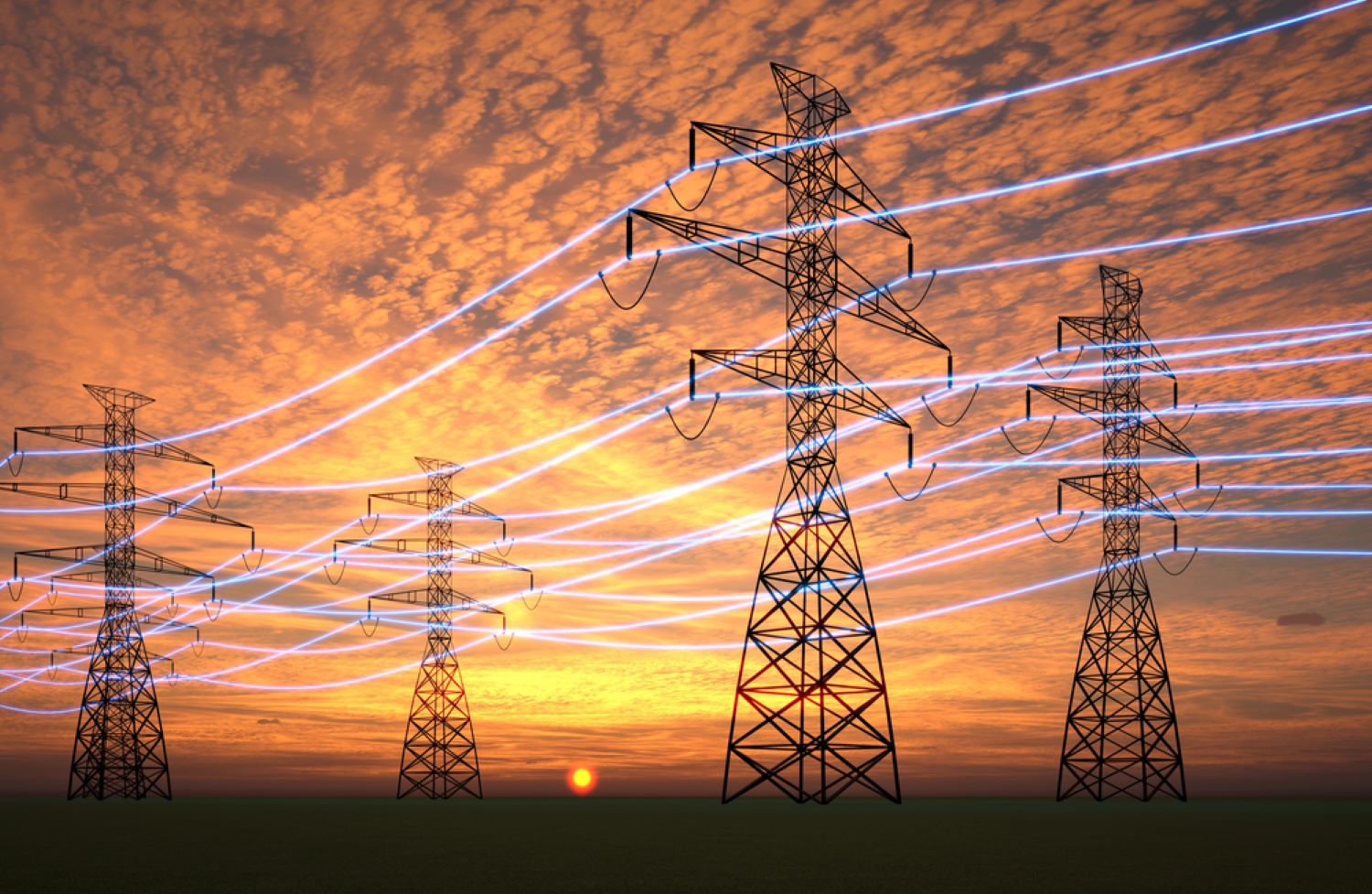
On a record-heat afternoon in Northern Virginia, the question facing PJM Interconnection is blunt: whose power gets protected first? PJM — the grid operator serving 67 million customers from Virginia to Illinois — has begun formalizing emergency rules to temporarily cut power to data centers drawing 50 megawatts or more. The trigger: a recent capacity auction that missed its supply goal, wholesale prices that nearly doubled in one year, and a grid built when disco was culturally relevant now buckling under AI-era demand.
The Grid Math That Doesn’t Add Up
A single hyperscale campus consumes as much power as a small city, and the numbers are getting worse fast.
A single hyperscale data center draws roughly 100 MW continuously — comparable to an entire small city’s load. In July 2024, a voltage fluctuation in Northern Virginia caused 60 data centers to disconnect simultaneously, creating a 1,500 MW surplus that forced emergency grid adjustments to prevent cascading failures, according to a Belfer Center analysis. PJM’s capacity market — the forward auction utilities use to reserve future generation — hit the price cap of $325 per megawatt-day, a scarcity alarm that ultimately flows into your electricity bill. NERC, the federal reliability watchdog, has labeled large AI and crypto data centers among “the greatest near-term risks to grid reliability.” More than three-quarters of severely distorted power readings across the U.S. occur within 50 miles of major data center clusters, raising risks of appliance damage for nearby households, according to Bloomberg reporting using Whisker Labs data.
Curtailment sounds dramatic. The reality is more structured. Data centers with backup generation — diesel or natural gas — switch to those sources while grid stress passes, receiving financial compensation for participating. Think of it as demand response: contracted load reductions that have kept steel mills and auto plants offline during emergencies for decades. The Department of Energy has already authorized this framework under emergency orders. The vaunted “five nines” uptime promise is meeting its first real stress test — turns out the cloud doesn’t float above physics.
The diesel trade-off hits hardest at ground level. When backup generators spin up near Northern Virginia campuses, surrounding communities breathe the consequences. One report estimated a 96 MW campus’s diesel fleet could cause tens of millions of dollars per year in health damages for nearby residents. Federal rules cap diesel operation at:
- 50 hours annually for demand-response events
- 100 hours for emergencies and maintenance
Cold comfort when the exhaust drifts into your neighborhood.
Who Actually Pays for the AI Power Grab
The debate splits between blaming data centers and blaming the infrastructure that was never built to keep up with them.
If you work in cloud infrastructure, the assumption of unlimited grid power just expired. Some analysts argue data centers are a symptom — that outdated transmission policy and regulatory bottlenecks are the real culprit, per Reuters commentary. Others, including NERC, maintain the sheer speed and scale of AI infrastructure build-out is a distinct threat requiring mandatory flexibility commitments. Dan Diorio of the Data Center Coalition has advocated structured demand-response programs with financial rewards over ad hoc cuts, according to Economic Times Telecom reporting — a middle path between punishing tech campuses and leaving households exposed.
The next chapter is already being written. Future developments include:
- FERC has ordered the six largest U.S. grid operators to revise interconnection rules for large loads, ensuring ordinary consumers don’t absorb costs for grid upgrades tied to AI data centers that may stall.
- Future data centers may need to demonstrate fast load-shedding capability before they can connect at all.
- AI workloads could increasingly shift geographically based on real-time grid pricing — energy-aware computing as a practical necessity, not a green talking point.
None of this is elegant. But curtailment is the circuit breaker standing between your block and a rolling blackout.