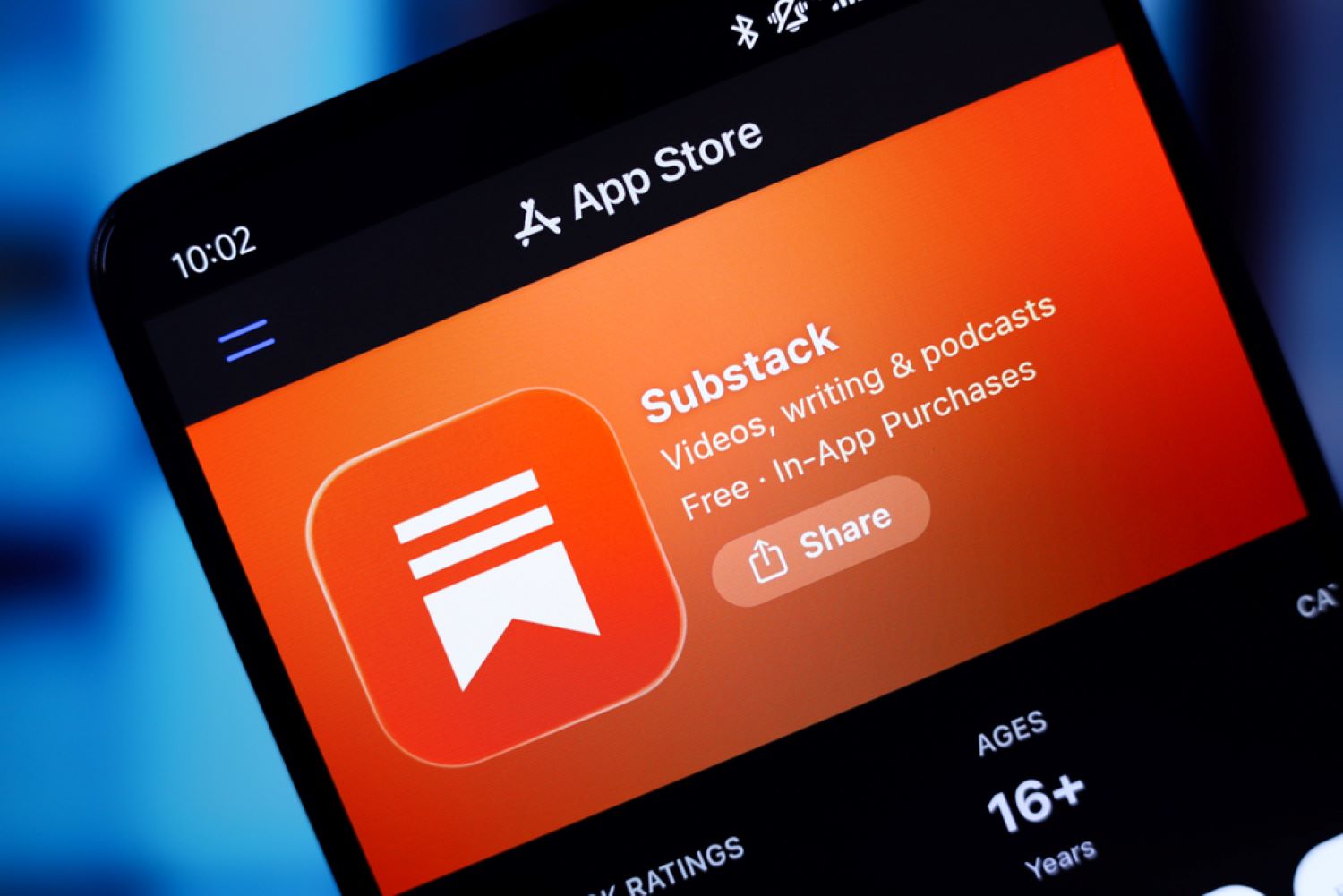
A subscriber paying $10 a month for a trusted newsletter — sharp writing, personal analysis, a voice that sounds like someone who genuinely cares — taps three dots next to a post and discovers 78% of it was generated by AI. That gut-punch scenario is now possible on Substack, which has integrated Pangram, a third-party AI-detection tool, directly into its platform. Available on web and iOS (Android is reportedly coming), the feature scans posts, notes, replies, and comments published from late July 2026 onward, returning a percentage breakdown of AI-generated, AI-assisted, or human-written content. Minimum text length: roughly 100 characters.
How the Scan Works Under the Hood
Pangram’s detection lives behind a familiar menu, but its implications are anything but subtle.
The mechanics are straightforward. Tap the three-dot menu on any qualifying piece of content and Pangram runs its analysis. A few things worth knowing:
- Results are private — only the reader who requests the scan sees them
- Publishers can pre-scan their own drafts before hitting publish
- Writers can report and contest results they believe are wrong
- Legacy content is excluded; only new posts qualify
- Short posts below the character minimum won’t generate reliable reads
Transparency, Not Punishment
Substack CEO Chris Best frames AI detection as protecting what readers actually pay for — a human point of view.
“Good use of AI” is how Best described the integration to TechCrunch. His argument: software should handle everything except the “hard part” — the ideas and judgment worth reading. As generic AI analysis floods the internet, Best contends that a specific person’s perspective becomes the premium product. Substack isn’t banning AI writing or mandating disclosure. Instead, it offers an optional “AI author’s note” where writers can explain their process. The platform is betting on transparency as a market force rather than a rule.
The Uncomfortable Part
Detection tools are useful signals, but treating them as gospel invites its own set of problems.
Some newsletters readers have trusted — and paid for — will score heavily AI-generated. That means potential subscription cancellations and real reputation damage, short-term friction for Substack’s ecosystem. Pangram also isn’t infallible. Think of it like a polygraph: suggestive, not definitive. Writers with precise, clinical styles may trigger false positives. The contest mechanism exists for exactly that reason, but the anxiety those misreadings create is legitimate and worth flagging.
This move mirrors how platforms already label AI-generated images and music. The emerging norm is clear: AI content is allowed, but it needs a tag. For writers, drafting an explicit AI policy just became urgent. For readers, knowing who actually wrote something is now part of what the subscription price covers.