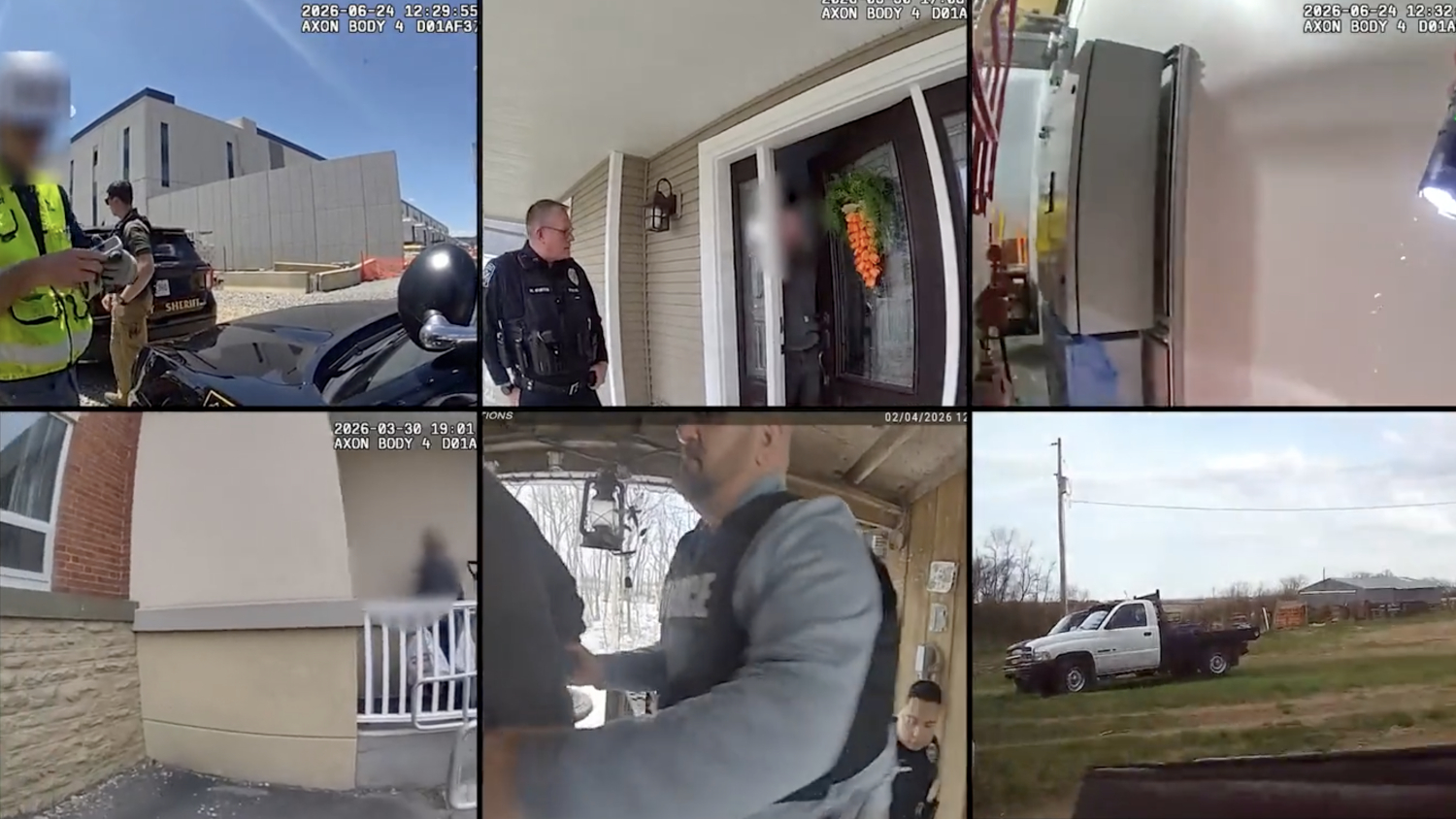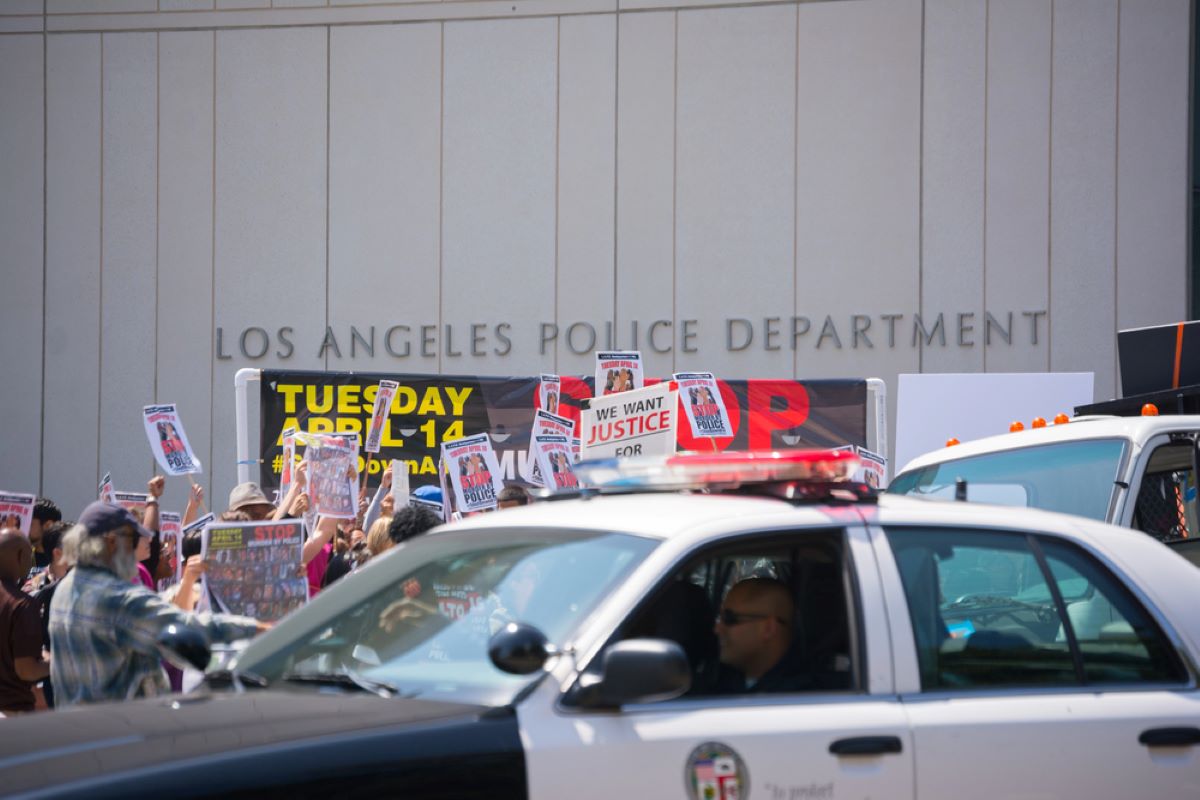
Every time your car passed one of 138 pole-mounted Flock Safety cameras scattered across Los Angeles, your license plate, vehicle details, timestamp, and location were captured and uploaded to a surveillance app-style cloud database searchable by police departments nationwide. That system just went dark. LAPD let its three-year Flock contract expire on July 11, 2026, and won’t renew it under current terms. Dean Gialamas, LAPD’s chief information officer, cited “serious concerns around civil liberties and civil rights issues, particularly around privacy and the data that is being collected from these cameras,” according to TechCrunch.
Flock Wants Back In — and Blames “Misconceptions”
The company frames a documented civil-liberties dispute as a misunderstanding — a characterization LAPD has not validated.
Flock told Gizmodo it was “surprised” and called the move a “disappointing pause,” adding: “We are confident that through ongoing discussions with LAPD, we can clear up the current misconceptions that led to Friday’s disappointing pause.” The company claimed it had already been working with LAPD to ensure “strong privacy protections, strict auditability, clear accountability, and appropriate limits around data access.”
If those protections were already robust, the obvious question becomes: why did LAPD’s own CIO cite privacy as the reason to walk? LAPD did not respond to Gizmodo’s request for comment, leaving Flock’s framing uncontested in that outlet.
Here’s what sits beneath the surface:
- Flock operates in over 5,000 communities and processes more than 20 billion plate reads monthly
- LAPD’s core concern centers on federal data access — Flock’s cloud architecture can allow immigration enforcement agencies to query local plate data
- Flock says federal data-sharing is now off by default but acknowledges it cannot fully control how local agencies share data downstream
- A Washington state court ruled in 2025 that data captured by Flock cameras qualifies as public records
- LAPD still uses other vendors’ ALPR cameras — this is a Flock-specific rejection, not a blanket technology ban
A National Backlash With Real Teeth
LAPD’s decision lands inside a widening revolt against Flock’s surveillance infrastructure that stretches well beyond Los Angeles.
LAPD’s move arrives amid a growing resistance. Public records obtained by the outlet Inadvertent and activist group Oakland Privacy show California police accessed Orange County Sheriff’s Flock data at least 140 times in a single year — a stark illustration of how one jurisdiction’s cameras become everyone’s surveillance tool, much like apps caught secretly tracking users without meaningful consent.
Some activists have physically destroyed Flock cameras (illegal, to be clear), while the Deflock project maintains nationwide maps of known deployments. The EFF characterizes the system as one that “enables and amplifies racist policing, threatens reproductive rights, and chills constitutionally protected speech.” The ACLU separately labels the network “a dangerous nationwide mass-surveillance infrastructure.”
Flock counters with its standard defense: no facial recognition, 30-day auto-deletion, and logged search reasons for every query. Both positions are on the record. The gap between those positions is the exact space where surveillance policy gets decided — usually without public input.
LAPD says it is drafting stronger contract terms before any future deal. If those terms hold — explicit federal access bans, tighter retention windows, mandatory public reporting — other cities may treat them as a blueprint. For residents seeking privacy-respecting alternatives, exploring home security systems that keep data local offers a meaningful contrast to mass-network approaches. Sometimes the pause matters more than the contract ever did.