Research spending on advanced technology continues accelerating, pushing robotics, augmented reality, and next-generation 3D printing from university labs into businesses, construction sites, and living rooms. Each breakthrough tackles a real-world bottleneck: moving 75-ton industrial loads without crane crews, printing house walls in hours instead of weeks, or enabling someone with complete lower-body paralysis to climb stairs independently. The items ahead were selected for tangible impact, proven engineering, and availability beyond press releases. Keep reading to discover which inventions are already delivering results that sound like science fiction but work like Monday morning reality.
This content may contain affiliate links. If you wish to support us and use these links to buy something, we may earn a commission.
14. Galaxea A1Z
Desktop precision robotics finally escapes the industrial price moat.
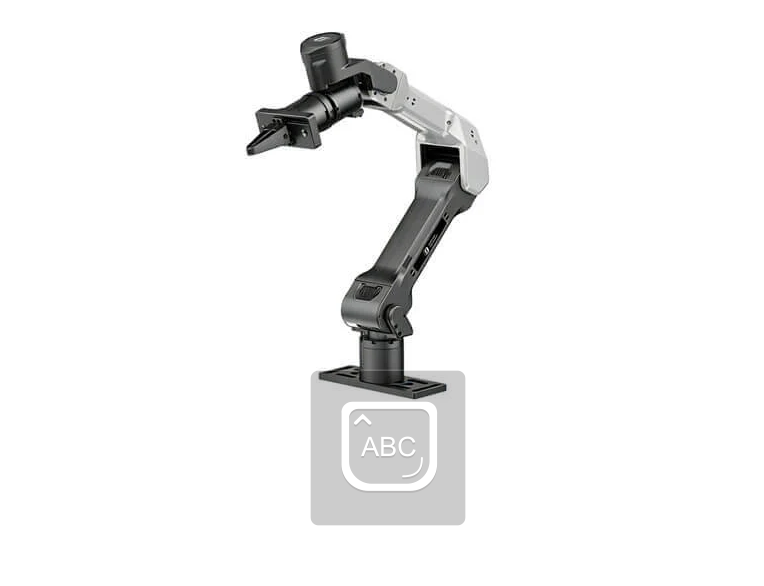
Force-controlled robotic arms once demanded six-figure budgets and entire lab benches. The Galaxea A1Z collapses that barrier into 5 kg of desktop-ready precision. This 6-degree-of-freedom manipulator hits ±0.1 mm repeatability across a reach envelope of R: 90–626.5 mm / H: 722 mm, turning delicate biological sampling and microassembly from specialist rituals into reproducible workflows. Researchers threading pipettes or positioning optical probes no longer wrestle with rigid automation; the A1Z’s force-sensing joints adapt mid-task, preventing sample damage the way steady hands avoid crushing fruit.
Modular end-effector mounts support swappable grippers, cameras, or sensors, while CAN bus communication keeps latency low for real-time adjustments. Its rated payload of 3 kg (peaking at 5 kg) handles everything from petri dishes to small circuit boards. The 24V / 15A power spec means standard lab outlets suffice. By stripping away the price moat and floorspace demands of traditional industrial robots, the A1Z hands developers and grad students a platform that actually fits on a desk and in a grant budget.
13. ICON Titan
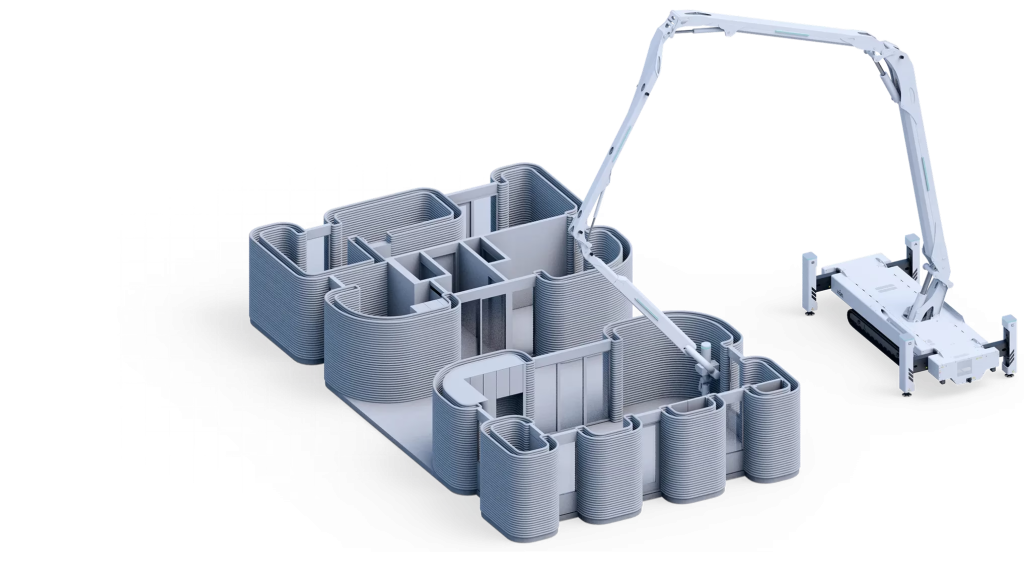
Layer-by-layer construction printing that builds multi-story structures faster than traditional framing crews.
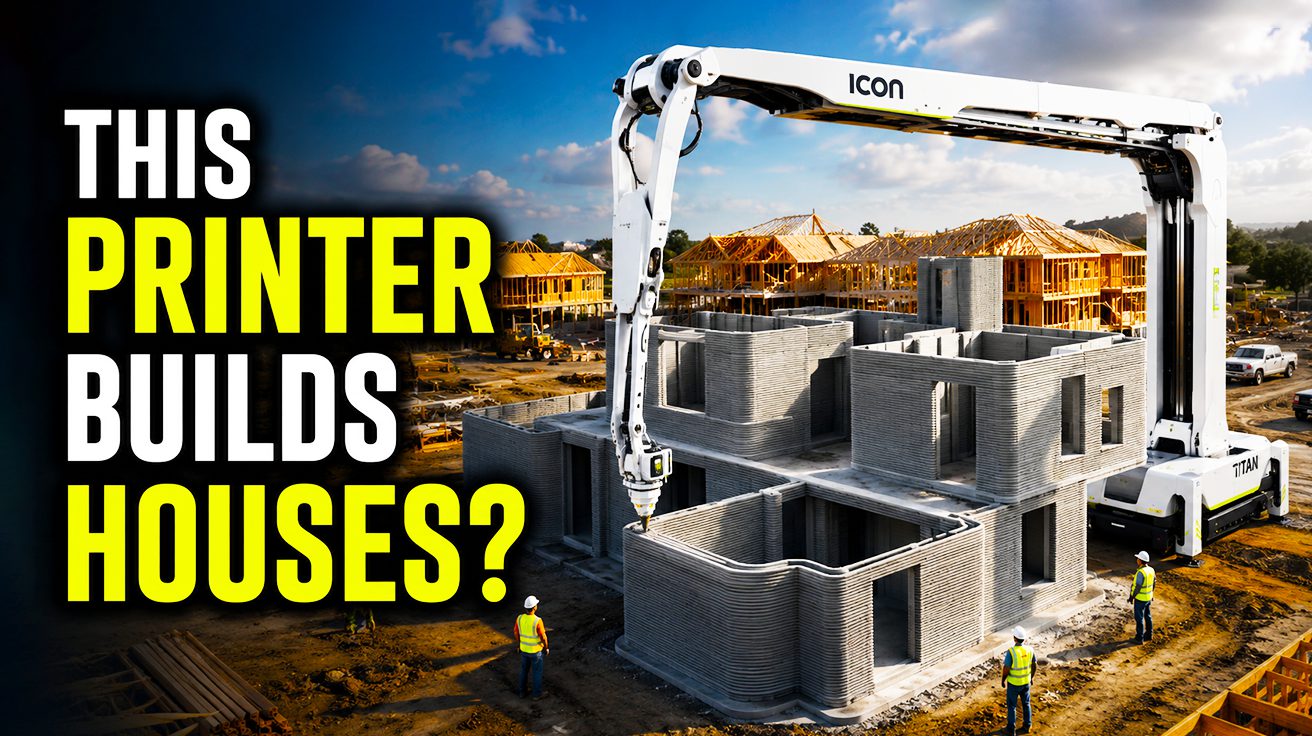
Large-scale construction printers can now extrude walls faster than most framers measure lumber. The ICON Titan uses specialized cementitious materials to build structures up to approximately 27 ft tall by depositing layer upon layer through a robotic gantry system. Integrated software controls the print head’s path while sensors monitor material consistency, ensuring each wall section cures properly before the next pass begins.
This approach cuts labor requirements dramatically and produces almost zero scrap, since the system dispenses only what the design requires. A conventional crew might frame a modest home in weeks; the Titan can print structural walls for an entire neighborhood block in a fraction of that time. Urban planners eyeing rapid housing deployment or disaster relief scenarios find this particularly compelling. The system’s precision also opens doors for complex geometries that would be prohibitively expensive with traditional methods.
12. Walk On Suit F1
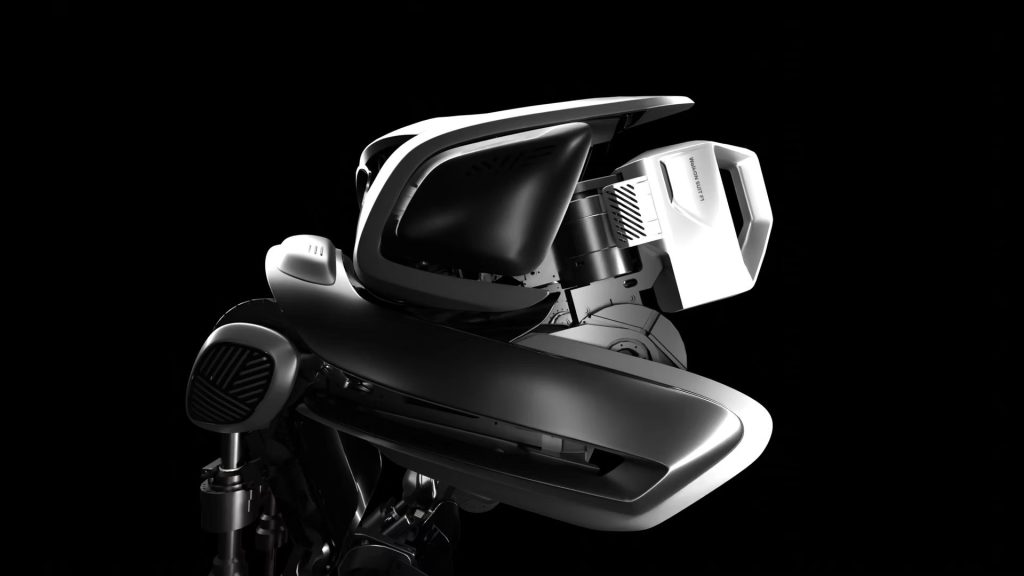
Autonomous docking exoskeleton that restores independent walking and stair climbing for paraplegic users.
Around 50 kg of aluminum and titanium might not sound light, but for a robotic exoskeleton that restores independent walking to someone with complete lower-body paralysis, it’s remarkable engineering. KAIST’s Walk On Suit F1 rolls up to a wheelchair autonomously, docks without assistance, and transforms the user into a standing, stair-climbing human again. Multiple motors and high-precision sensors replicate natural gait patterns, adjusting on the fly for uneven sidewalks or ramps.
Morning coffee no longer requires navigating a seated world; users stand at the counter, walk to the table, and move through their day with independence most people take for granted. The suit’s ability to handle varied terrain turns public spaces from obstacle courses into accessible reality, delivering mobility that reshapes daily routines and personal dignity in equal measure.
11. Hypervsn 3D Holo Truck

Mobile volumetric display platform that projects glasses-free 3D visuals for outdoor advertising.
Spinning LED arrays mounted on a moving truck now project 3D holograms into thin air without requiring glasses. The Hypervsn 3D Holo Truck turns city streets into volumetric billboards using technology that generates floating visuals remaining sharp even under direct sunlight. Roll this through downtown during a festival and your energy drink can hovers at eye level above the crowd, rotating mid-air like something out of Blade Runner.
The truck supports real-time content updates, so brands can swap messaging on the fly to match crowd reactions or breaking news. This mobile holographic advertising platform is designed for product launches at crowded outdoor events, delivering attention-grabbing moving visuals where traditional signage gets lost in the noise.
10. BigRep One
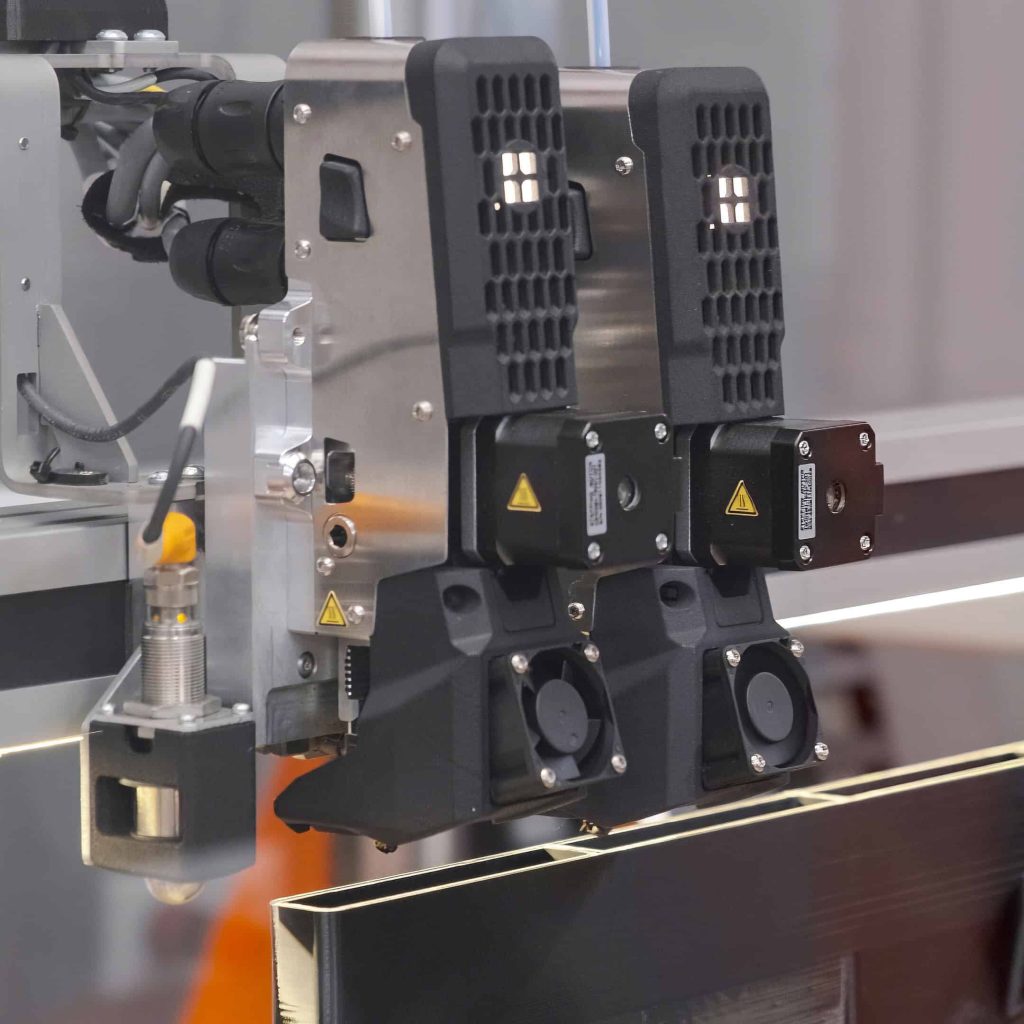
Cubic-meter build volume brings industrial-scale prototyping to single-piece fabrication.
Industrial 3D printing finally escaped the desktop trap with the BigRep ONE’s 1 cubic meter build volume, large enough to print an entire chair without sectioning it into frustrating puzzle pieces. The system uses fused filament fabrication to handle engineering-grade materials like carbon fiber composites and reinforced nylon, giving designers the structural integrity they need for real-world prototypes.
Dual extrusion heads run dissolvable support structures alongside primary builds, so complex geometries don’t require hours of manual cleanup. The heated print bed keeps large surfaces from warping mid-job, maintaining dimensional accuracy across prints that can take 30-plus hours to complete. Production runs of custom furniture, architectural mockups, and functional machine parts now skip the manufacturing middleman entirely. This machine shifts additive manufacturing from novelty miniatures to actual production-scale objects, turning prototyping timelines from months into days.
9. DJI Power 1000 Mini
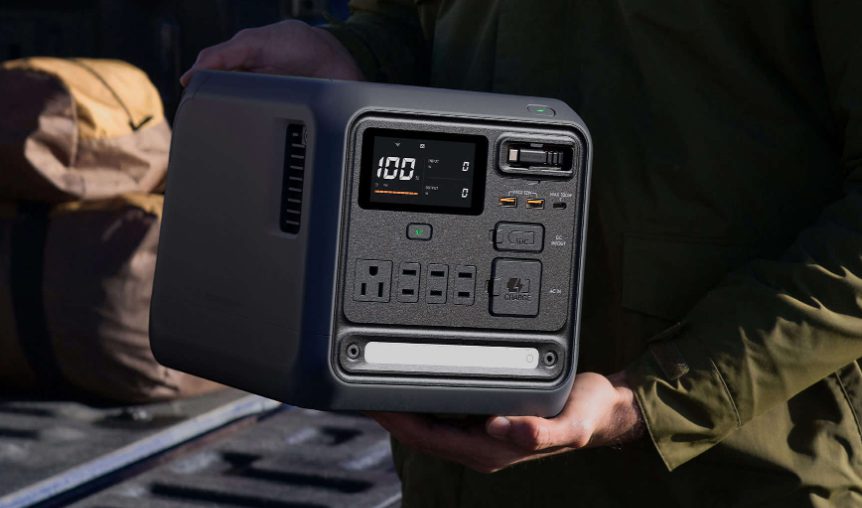
Compact 1000 Wh portable power station with fast charging and UPS-style backup switching.
Photographers who’ve watched gear die mid-shoot know the sinking dread of losing the moment. The DJI Power 1000 Mini eliminates that anxiety with a 1,008 Wh lithium iron phosphate battery delivering 1,000 W of continuous output—enough to keep cameras, drones, and laptops running through extended sessions. Multiple input options (AC, car, solar) mean recharging anywhere, turning this compact unit into a portable studio power grid that actually fits in a backpack.
The built-in UPS functionality switches power sources seamlessly when wall current fails, protecting sensitive electronics from sudden shutdowns. For content creators juggling equipment in remote locations, this power station delivers reliable backup without the weight and bulk of traditional generator setups.
8. Figure 03
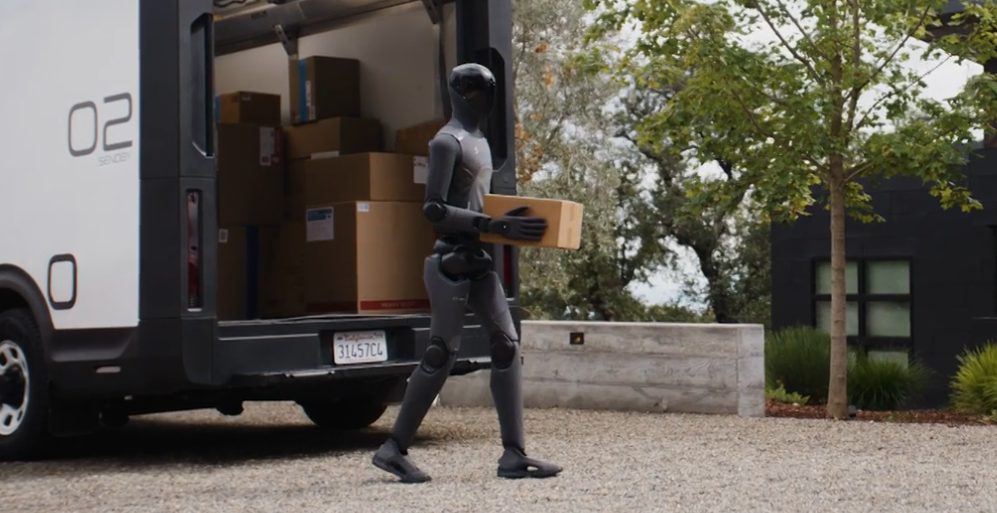
Third-generation humanoid robot with vision-language AI that learns from voice commands and human demonstrations.
Figure AI’s third-generation humanoid processes voice commands and learns from human demonstrations through its Helix vision-language-action model, bridging the gap between static automation and adaptive robotics. A warehouse worker can ask the bot to sort fragile items, and the machine refines its grip pressure after each successful attempt. The system’s upgraded cameras and advanced tactile hands handle everything from cardboard boxes to delicate glass containers, while wireless inductive charging lets it dock autonomously when power runs low.
For anyone who’s watched a factory robot freeze mid-task because its script didn’t account for a tilted pallet, Figure 03’s ability to perceive, adapt, and recharge without supervision feels less like science fiction and more like Monday morning relief. The hardware improvements—softer materials, better sensors, smarter power management—translate into a machine that won’t freak out when the environment changes mid-shift.
7. Movers Apollo
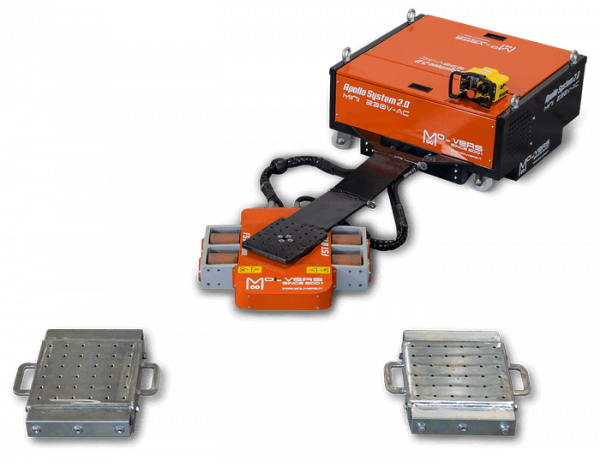
Modular hydraulic skate system for precision transport of 75-ton industrial loads with single-operator control.
Industrial engineers rarely get excited about moving equipment, but hauling 75 tons without calling in a specialized crew changes everything. The Movers Apollo uses modular powered skates arranged in a triangular configuration to distribute weight evenly across its hydraulic drive units, letting a single operator control the entire process remotely. Factory managers relocating massive press machines no longer need to coordinate teams of riggers or shut down production lines for days.
The system handles uneven floors, tight corners, and narrow doorways with precision that would make a Formula 1 pit crew jealous. Its reconfigurable components adapt to different load shapes and dimensions on the fly, turning what used to be a multi-day logistics nightmare into a controlled, safe operation. Heavy industry logistics just got leaner, faster, and dramatically less risky.
6. Dyson Pure Cool Jet Mini

Compact personal cooling device with engineered airflow nozzle and rechargeable battery.
Personal cooling devices often sound like miniature jet engines, but the Dyson Pure Cool Jet Mini delivers steady airflow without the noise. Dyson’s engineered airflow nozzle produces a smooth, high-velocity stream that works whether gripping it on a stuffy train, clipping it to a collar, or propping it on a desk. The rechargeable battery runs for several hours on a single charge, and USB-C fast charging means topping off between meetings.
For travelers who’ve endured stale airplane cabins or crowded commuter cars, having dedicated airflow in your pocket feels less like luxury and more like survival. This device blends portability with the kind of precision usually reserved for full-size units, turning personal comfort into something you can carry anywhere.
5. Leonidas AGV
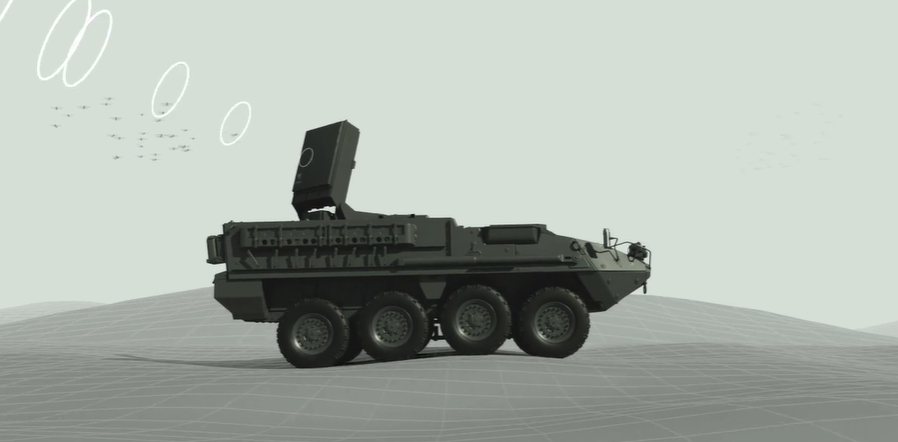
AI-driven autonomous ground vehicle mounting high-power microwave weapon for counter-drone defense.
Drone swarms pose escalating threats to military bases and critical infrastructure, with coordinated attacks capable of overwhelming traditional defenses within 90 seconds of first detection. The Leonidas AGV transforms defensive calculus by mounting a high-power microwave weapon onto an AI-driven autonomous ground vehicle—a collaboration among Epirus, General Dynamics Land Systems, and Kodiak AI merging robotics with directed energy.
Its microwave system emits electromagnetic pulses that disable drone electronics mid-flight, neutralizing entire swarms without firing kinetic rounds. The platform’s AI autonomous driving stack handles navigation across complex terrain, positioning strategically to cover vulnerable zones while operators monitor from a safe distance. Leonidas rolls independently or accepts remote commands, adapting to threats faster than human reaction times allow.
4. Magic Leap 2 with Argyle
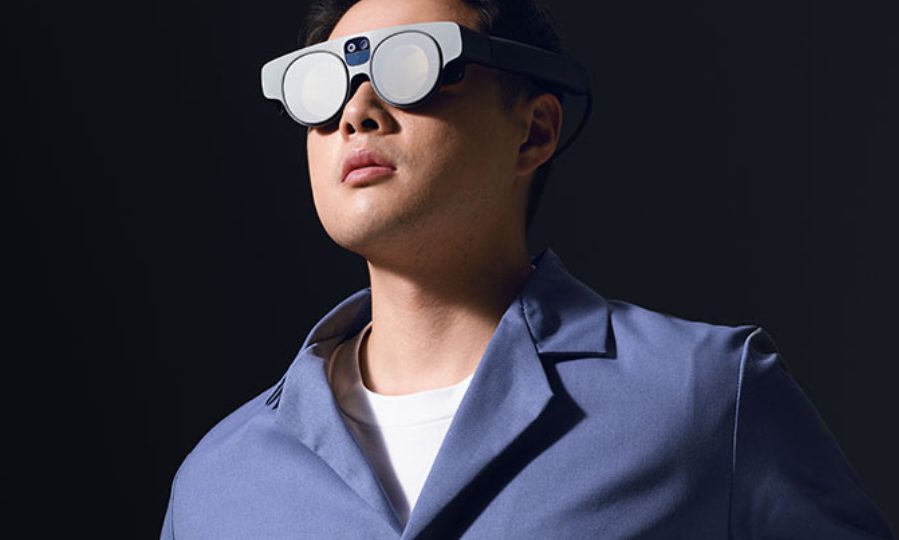
Enterprise AR headset with construction-focused software for full-scale spatial design review on site.
Traditional construction design reviews involve staring at flat 2D blueprints, rotating cardboard models, and hoping everyone understands the same spatial relationships. The Magic Leap 2 headset with Argyle software replaces that guesswork with see-through waveguide optics overlaying full-scale digital building models directly onto physical construction sites. An architect can walk through a skyscraper design before the foundation is poured, spotting clashes between ductwork and structural beams that would cost six figures to fix after concrete sets.
Argyle’s specialized AR platform syncs with BIM workflows, enabling spatially aligned reviews that catch design conflicts early—when moving a column in software beats jackhammering one out of the ground. This combination turns construction coordination from a game of telephone into shared reality where engineers, contractors, and designers literally stand inside the same vision, pointing at the same invisible walls and agreeing on changes that save time, money, and sanity
3. Nanoleaf Therapy Panel
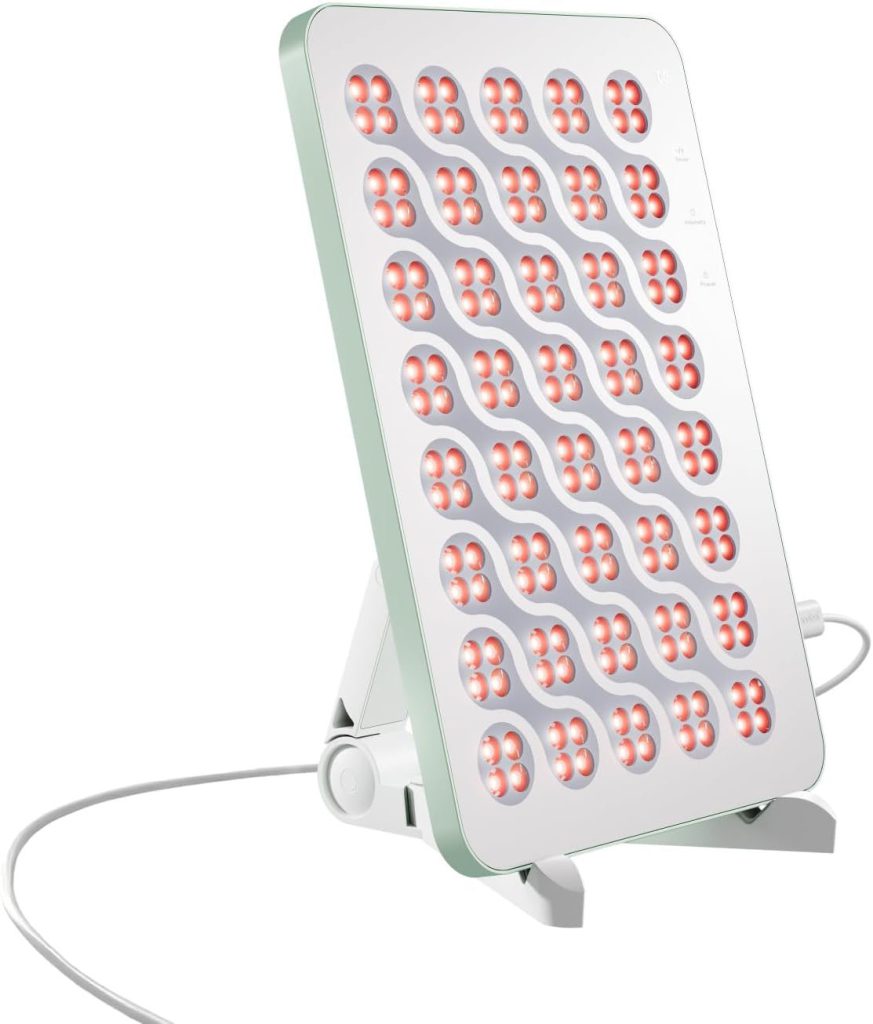
Compact red and near-infrared LED panel delivering targeted wavelengths for home wellness routines.
Red light therapy used to mean booking spa slots or hauling around heavy panels that looked more sci-fi than wellness. This compact device delivers targeted wavelengths at 630 nm (red light) and 850 nm (near-infrared) through 160 LEDs—the same spectrum backed by research for muscle recovery and skin health. The panel offers four intensity levels and built-in timers spanning 10 to 30 minutes, so users can dial in exactly what their body needs after brutal gym sessions or days hunched over spreadsheets.
Setup takes seconds; prop it on a desk, lean it against a wall, or mount it wherever relaxation happens. No subscriptions, no apps demanding permissions—just straightforward light-based therapy that slots into routines as easily as brushing teeth. The slim profile stores in a closet when not in use, and simple controls mean anyone can operate it without decoding a manual.
2. Eight Sleep Pod Pillow Cover
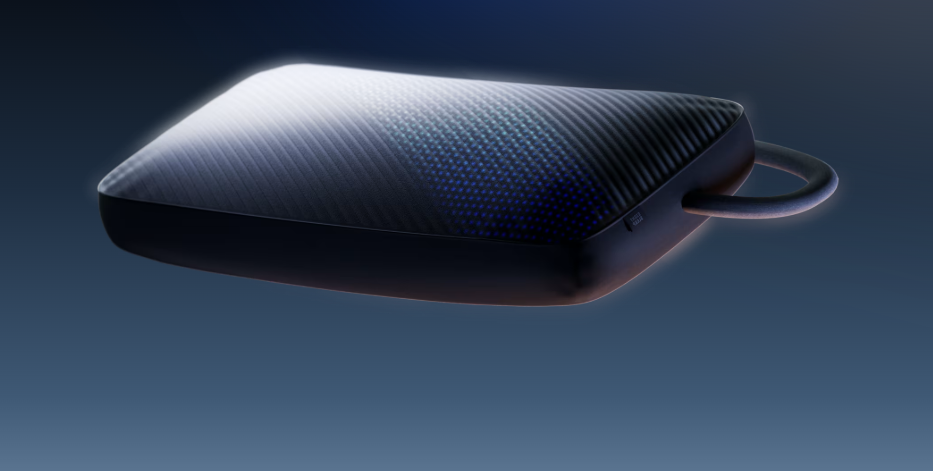
Water-based thermal regulation system integrating with Pod ecosystem for automated temperature control.
Night sweats sabotage sleep for roughly 30% of adults. The Eight Sleep Pod Pillow Cover tackles that problem by circulating water through a hidden thermal grid, adjusting pillow surface temperature based on real-time body signals. The system integrates seamlessly with the broader Eight Sleep Pod ecosystem, automatically shifting between cooling and warming modes as users move through sleep stages.
The pump operates at library-quiet levels, tucked discreetly under standard pillowcases. For anyone who’s spent half the night flipping their pillow searching for relief, this water-based solution finally delivers consistent, automated comfort without guesswork. Temperature control becomes set-it-and-forget-it, letting sleep quality improve while users stay blissfully unaware of the work happening beneath their heads.
1. Unitree R1
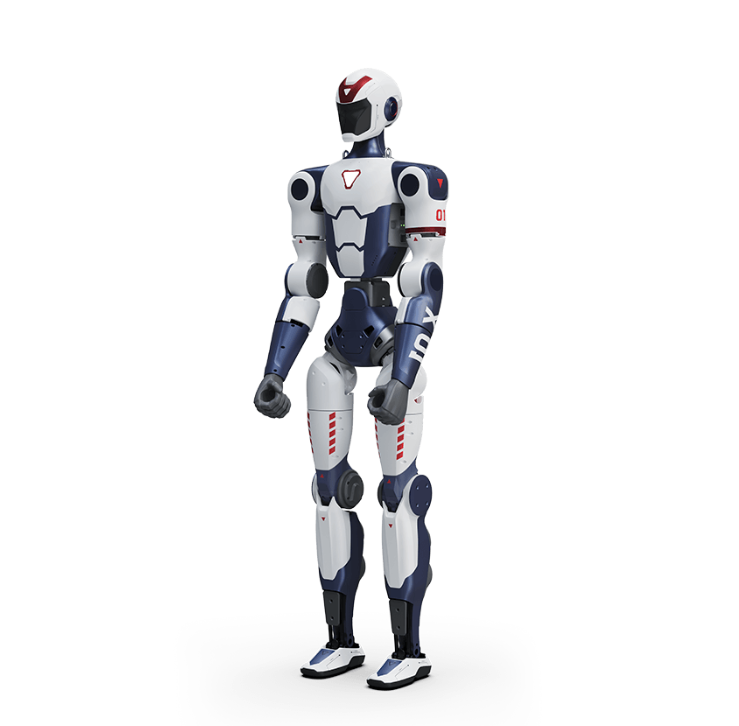
Compact 1.2-meter humanoid robot with 26 degrees of freedom, dynamic locomotion, and multimodal AI integration.
Compact humanoids typically weigh 25–29 kg and stand around 1.2 m tall—a dramatic shift from hulking industrial robots that once dominated factory floors. The Unitree R1 delivers that agility in a frame you could conceivably fit through a standard doorway, making it a developer’s dream for testing dynamic locomotion without renting warehouses. Traditional systems require forklift-rated floors and safety cages; this one recovers from falls, balances on uneven terrain, and even runs short distances, all while offering up to 26 degrees of freedom for nuanced movement.
Its integrated multimodal AI handles voice commands and visual inputs, so researchers can iterate on human-robot interaction without writing mountains of custom code. For teams exploring bipedal robotics, the R1 slashes both spatial and financial barriers, turning what used to be a six-figure industrial endeavor into a relatively accessible entry point. The machine learns from stumbles instead of shutting down, and that flexibility matters when real-world environments rarely cooperate with rigid lab settings.