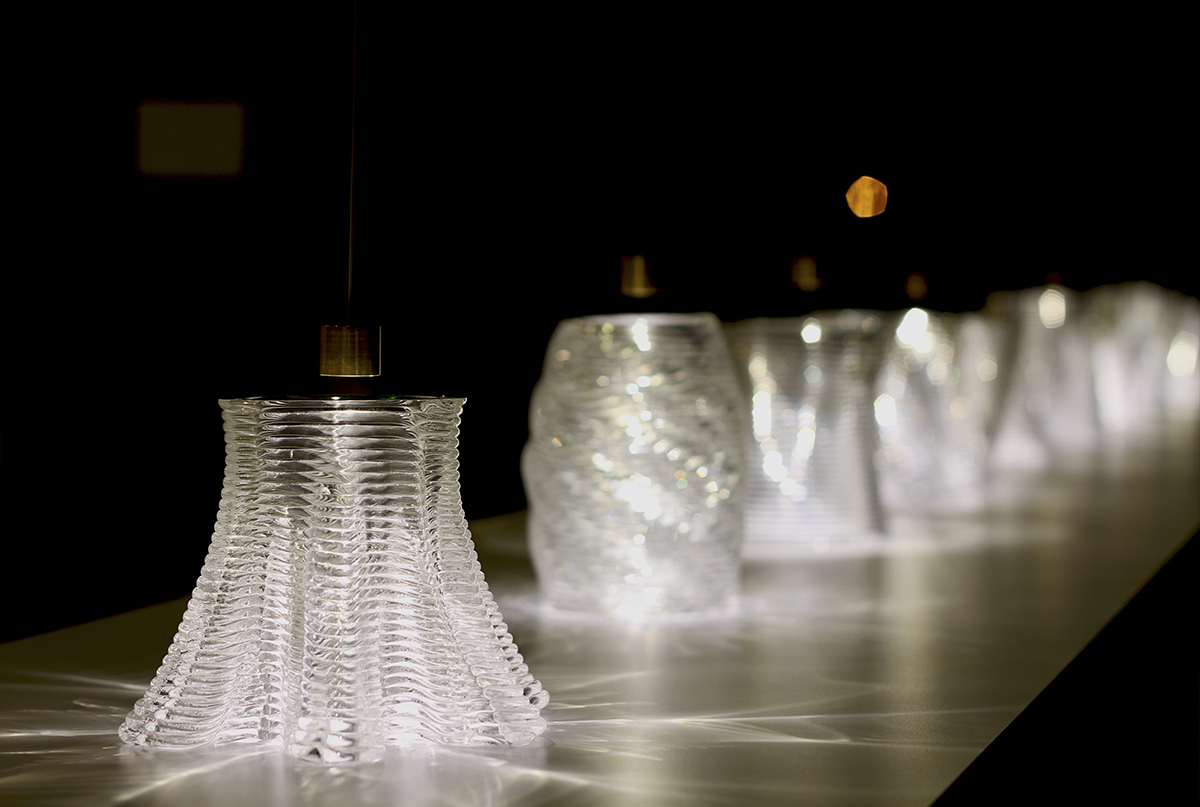
Those hypnotic glass 3D printing videos flooding your Reddit feed aren’t just lab experiments anymore. While r/Damnthatsinteresting users share clips of molten glass flowing into impossible shapes, companies like Nobula are quietly solving the engineering problems that kept this technology locked in research labs. Custom eyeglasses printed from face scans and DIY optical components are becoming reality, not just viral content.
The cultural moment feels familiar—remember when those satisfying soap-cutting videos dominated TikTok? Glass printing videos tap into that same mesmerizing appeal, but with tangible applications emerging behind the spectacle.
The Temperature Revolution Changes Everything
Traditional glass manufacturing requires furnace temperatures that could melt copper pennies. Recent breakthroughs from Hebrew University and MIT have cracked the code with sol-gel processes operating at just 250°C—hot enough to bake a pizza, not hot enough to require industrial infrastructure.
Meanwhile, Nobula’s Direct Glass Laser Deposition technology uses targeted laser heating up to 2200°C, but only at the precise point where glass filaments fuse, eliminating the need for massive furnaces. This targeted approach transforms glass printing from an industrial process into something approaching desktop accessibility.
Your Next Glasses Might Be 3D Printed
Custom eyewear represents the sweet spot where glass printing makes immediate sense. Horizons Optical and Youmawo scan your face geometry and print frames with internal channels and complex curves impossible to injection mold. The lightweight results challenge everything you thought you knew about heavy glass accessories.
“If we can shape glass on a microstructural level, we can gain new levels of control over light,” explains Rajesh Menon from the University of Utah, hinting at optical innovations beyond simple frames. Your prescription lenses could soon integrate directly with frame optics for enhanced vision correction.
Maker Communities Eye DIY Possibilities
The maker excitement is justified but premature. Current glass printing still requires specialized filaments and precise temperature control that puts it beyond most garage workshops. However, the trajectory mirrors early 3D printing—what cost $100,000 in labs eventually became desktop accessible.
MIT’s work with recycled glass materials suggests sustainable, cheaper feedstock could democratize the technology sooner than expected. Timeline expectations remain unclear for consumer availability, but the viral momentum indicates demand already exists, turning those mesmerizing videos into potential weekend projects.