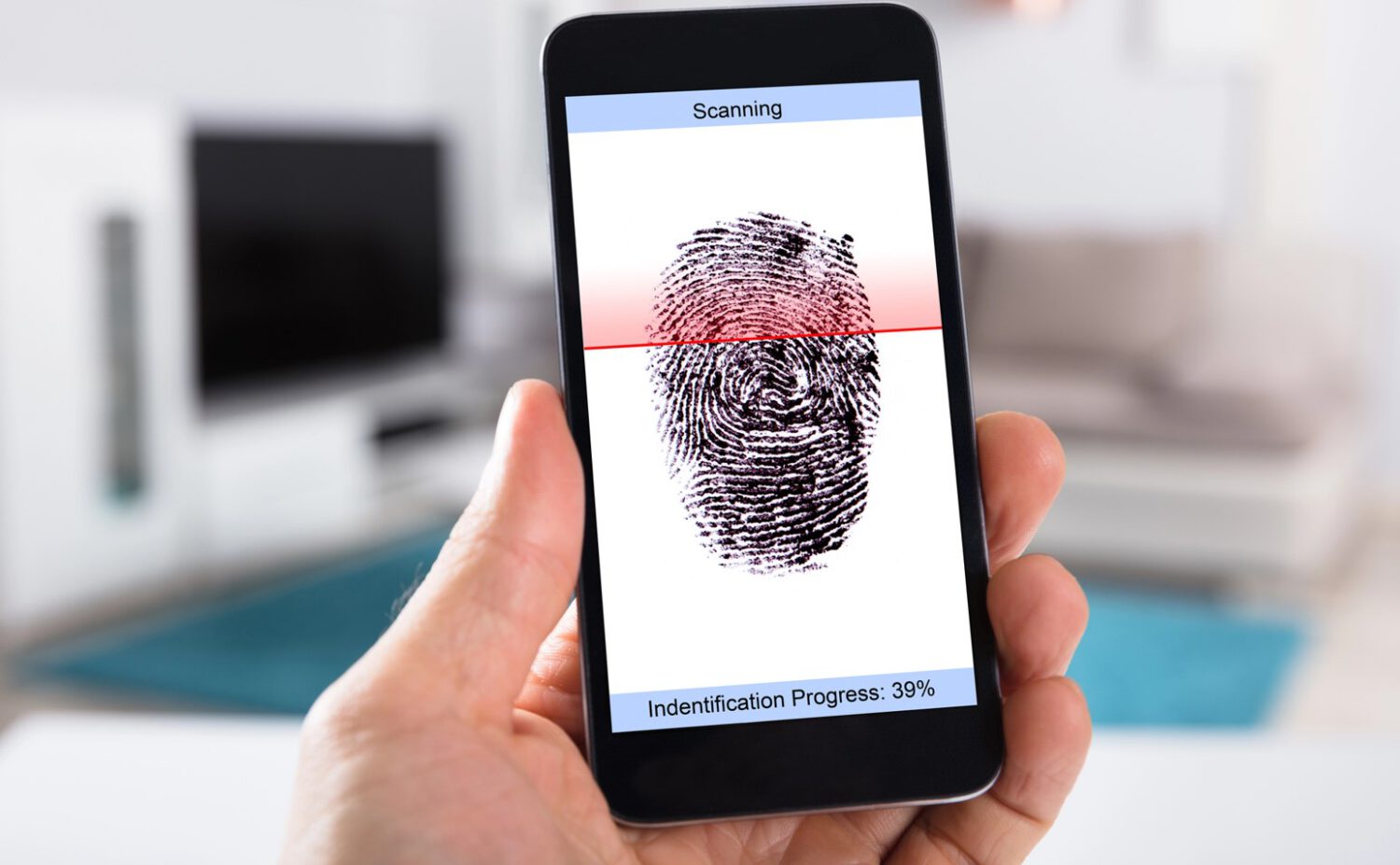
A woman drives with both hands on the wheel. Her phone sits face-down on her lap. No officer pulls her over. No lights flash. Weeks later, a $1,251 ticket arrives in the mail. The evidence: a single frame from a Camera surveillance app. The charge: phone use while driving.
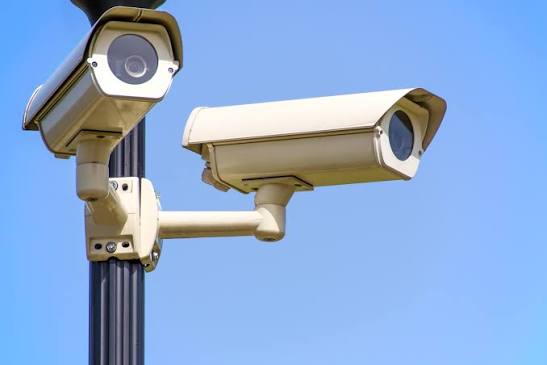
Automated camera companies market their devices as automated license plate readers — tools for catching stolen cars, flagging warrants, and aiding serious investigations.
Sold as a Crime Tool. Used as a Fine Machine.
What these companies promised and what police departments actually do with the cameras are two very different things.
In December 2025, Georgia State Patrol issued a motorcyclist a citation that read, in part, “CAPTURED ON FLOCK CAMERA 31 MM 1 HOLDING PHONE IN LEFT HAND,” according to 404 Media. Not a stolen vehicle alert. Not a warrant hit. A phone ticket — from a plate reader.
The pattern keeps sharpening:
- Georgia law (OCGA 17-4-23) generally requires a traffic offense occur in the presence of an officer for a citation to be valid — raising direct legal questions about mail-in AI camera tickets.
- Washington State caps automated camera fines at $145 under RCW 46.63.220 — far below what you might be paying too much when the viral ticket hits $1,251.
- Five Albany, Georgia officers were criminally charged for misusing Flock plate-reader data for personal reasons, according to USA Today.
The Electronic Frontier Foundation characterizes these phone-ticket cases as textbook “license plate reader mission creep,” stressing that “people were repeatedly told ALPRs were only for serious crimes and car theft, not minor traffic violations or everyday driving behavior.”
Then there’s the Florida woman cited for holding a phone in a hand she was born without. That citation was eventually dismissed, according to NBC Miami. The fact it was issued at all says plenty about how much human judgment remains in the loop. Flock Safety did not respond to a request for comment.
The Supreme Court Already Drew a Line – AI Cameras May Be Next
A recent ruling on cell-phone location data raises pointed questions about whether mass plate-reader surveillance faces the same constitutional scrutiny.
The Supreme Court recently restricted law enforcement’s use of broad cell-phone location warrants, ruling that scooping up data on uninvolved citizens constitutes unreasonable search and seizure. Legal commentators are now asking whether this mass-collection model faces the same constitutional reckoning — including whether secretly tracking users through automated systems carries the same Fourth Amendment weight — according to Ohio Capital Journal reporting.
Washington’s SB 6002 already offers a sharper model: ALPR use restricted to serious investigations, warrant requirements for private-entity data, and an explicit ban on tracking constitutionally protected activity. That’s a long way from a $1,251 mailed citation for a phone resting quietly on your seat — captured in a single frame, processed by a machine, with no officer and no context anywhere in the equation.
Correction – July 10, 2026:
Flock Safety reached out to us to clarify that our information was wrong. Flock cameras were not involved with the woman driving with her phone story. Alexandra Parade, where the incident took place, is a well traveled coastal highway with systems operated by state revenue programs. We have corrected that and removed any mention of Flock being involved with that story.