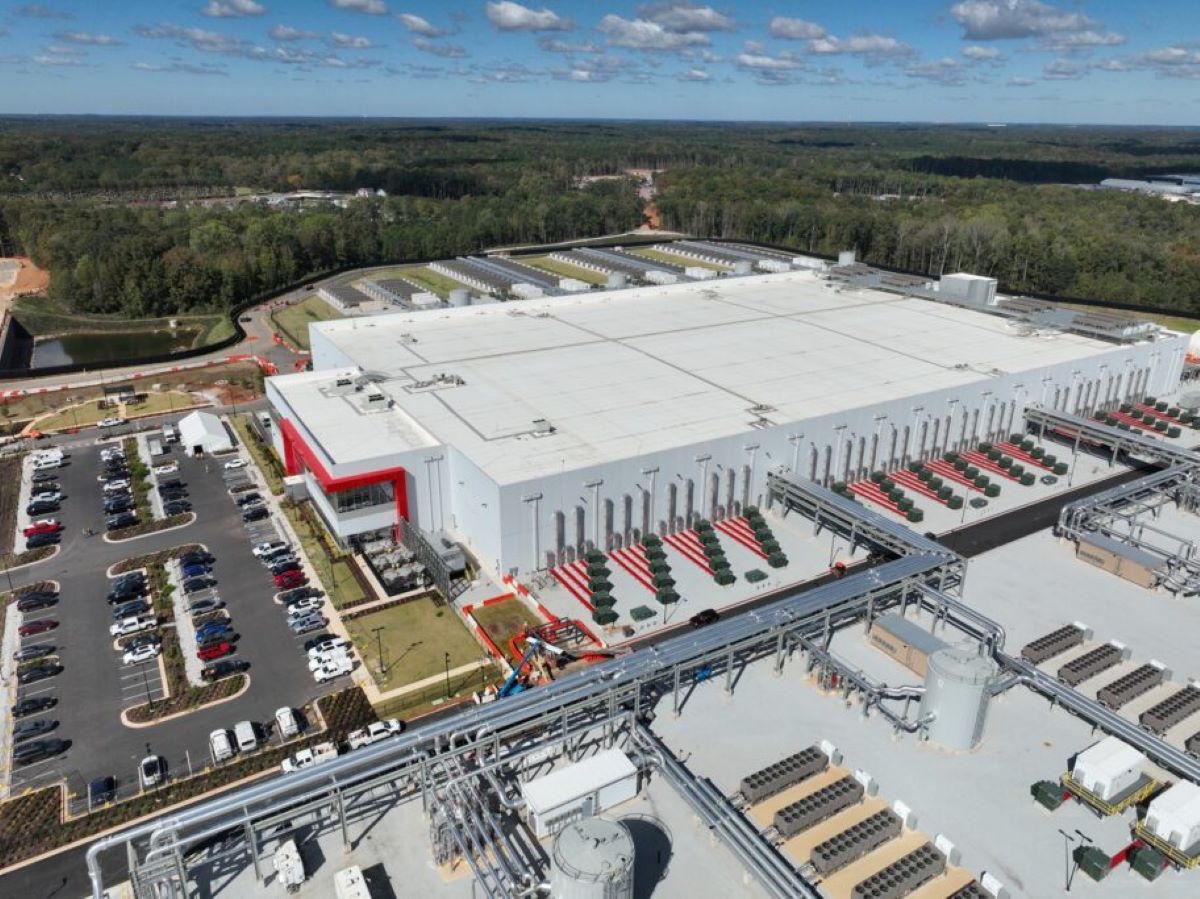
Living near Microsoft’s Fairwater data center campus sounds like parking next to a freight train that never leaves the station. Resident Amy Cimbalnik described the constant mechanical drone exactly that way to the Milwaukee Journal Sentinel — a 24-hour whirring hum that neighbors eventually traced back to Microsoft’s $7.3 billion AI infrastructure facility in Mount Pleasant, Wisconsin. The company branded Fairwater the “world’s most powerful AI data center” and posted a blog update on June 18 declaring the noise issue “fully resolved.” Two weeks later, three residents filed a class-action lawsuit in federal court. That timeline tells its own story.
The Servers Aren’t the Problem – Everything Around Them Is
Most data-center noise originates from outdoor cooling infrastructure, not the quiet chip clusters humming inside sealed halls.
The actual servers sit in climate-controlled rooms, barely whispering. The racket comes from the mechanical systems keeping them alive — cooling towers, chillers, condenser fans, air-handling units, and diesel generators, all mounted outdoors or on rooftops, pushing heat and sound outward, according to Tom’s Hardware. Residents within 1.5 miles of the facility report persistent humming. One neighbor reportedly changed work shifts just to get adequate sleep.
The lawsuit describes the noise as “consistent and pervasive,” including low-frequency infrasound that standard decibel measurements don’t fully capture. Microsoft, per Wisconsin Public Radio, is alleged to have “emitted, and continues to emit, unreasonable and excessive noise onto Plaintiffs’ properties, thereby causing property damages through private nuisance and negligence.”
The core allegations:
- Microsoft failed to install adequate acoustic barriers or shields.
- The three Sturtevant plaintiffs cite negligence, private nuisance, and property value damage for households within roughly 1.5 miles of the campus.
Microsoft’s April 15 community blog acknowledged a “tonal humming sound,” attributed it to cooling fans running at high speeds, and noted that overall facility noise met local ordinance requirements. The June 18 “fully resolved” update arrived two weeks before the lawsuit — a gap that makes the company’s own blog post feel like a terms-of-service update nobody got to read. Mount Pleasant’s communications director told the Journal Sentinel that no formal complaints had arrived since the April adjustments. Then July 1 happened. Microsoft now says it remains “committed to being a good neighbor,” per the Independent.
One Neighborhood Fight With National Implications
Mount Pleasant already lived through the Foxconn saga — and its residents know the distance between big corporate promises and complicated local reality.
This dispute extends well beyond one Wisconsin village. Backlash against data-center siting near residential communities — over noise, water consumption, light pollution, and construction impacts — is bipartisan and intensifying. tech scandals involving corporate negligence and community impact are nothing new, and Microsoft plans up to 15 facilities on this campus alone. If the lawsuit forces stricter acoustic design standards, every hyperscale AI build-out in the country feels the ripple. Municipalities may update noise codes; future project approvals may require detailed acoustic impact assessments. Microsoft admitted it “did not expect the tonal quality of the sound to travel as far as it has.” That’s not a reassuring benchmark for the 14 campuses still to come.
The servers powering AI’s most ambitious promises sit in sealed, silent halls. The cooling systems keeping them alive do not. For Fairwater’s neighbors, the cost of artificial intelligence turns out to be a very real, very loud drone — and it doesn’t stop at midnight.