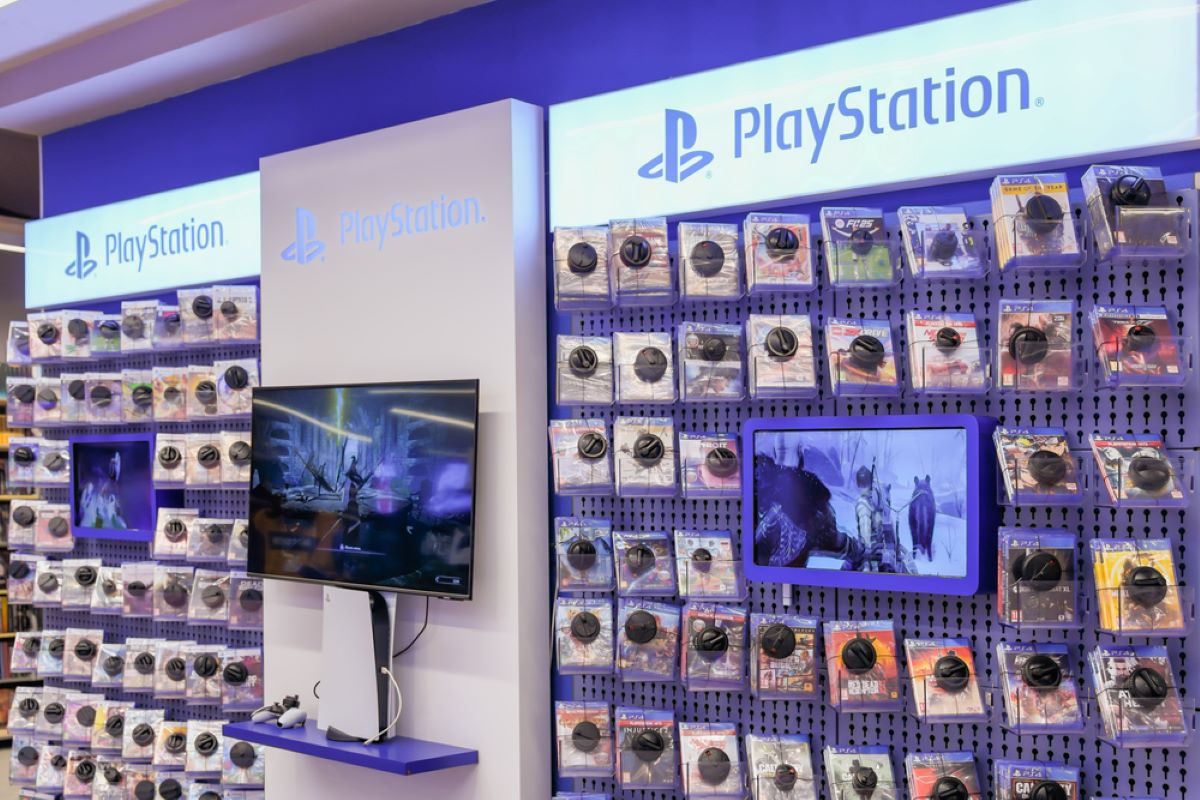
Sony’s announcement that physical disc production ends for all new PlayStation games starting January 2028 hit the internet hard. Then a second, quieter message arrived. According to Game File, Sony privately told international talent publishers and developers that reorders for pre-2028 disc titles remain available after the deadline. The company’s own words: “This transition has no impact on games that already released, or will be releasing, prior to January 2028 in disc format.” Your existing library isn’t orphaned. Everything releasing after that date, though? Entirely different story.
What Actually Changes in January 2028
The policy split sounds simple — the consequences for publishers, collectors, and your wallet are anything but.
From January 2028 forward, no new PlayStation game receives a physical disc. Several shifts follow from this:
- Pre-2028 disc titles can still be reprinted on publisher request, so catalog staples aren’t necessarily gone.
- At retail, boxed products shift to download codes — no trade-in value, no resale, just a card in a box.
- For smaller publishers, new reorder minimums and changed logistics may quietly kill niche physical runs before anyone notices.
- According to Digital Foundry and TechCrunch, the strong industry read is that PS6 launches as an all-digital console. If no new discs exist from 2028 onward, a disc drive on next-gen hardware is redundant by design.
The Spreadsheet Wins
Former PlayStation Worldwide Studios boss Shawn Layden says the math has always been waiting to win this argument.
Shawn Layden called the move “a fairly dramatic decision” and “a straight spreadsheet decision,” according to CNBC. During his tenure, ending discs came up annually. Broadband limitations — particularly in regions where downloading a 100GB title remains genuinely painful — kept physical media commercially viable. Sony cited “shifting trends in consumer preference” as its public justification, and the numbers reportedly support that framing. What the numbers don’t capture is the player in a rural area or a bandwidth-capped market who still depends on a disc for basic access.
Ownership Gets Blurrier
When your game library lives on someone else’s server, “ownership” starts to need quotation marks.
Sony has previously removed purchased movies from customers’ digital libraries due to licensing changes — a quiet reminder that digital collections can shrink without warning. The Video Game History Foundation has argued that piracy effectively becomes the only viable long-term preservation method once official storefronts close or delist video games. A disc collection sits on your shelf regardless of server status. A digital library exists at the pleasure of an active account and a functioning storefront — closer to the experience of watching a favorite show vanish from a streaming service overnight, except you paid full retail price to access it.
The clarification from Sony softened the immediate panic. It did not change the trajectory. As the Video Game History Foundation’s framing makes clear, what you “own” on PlayStation increasingly depends on Sony’s servers staying on, licensing agreements holding, and your account remaining active — conditions that sit entirely outside your control.