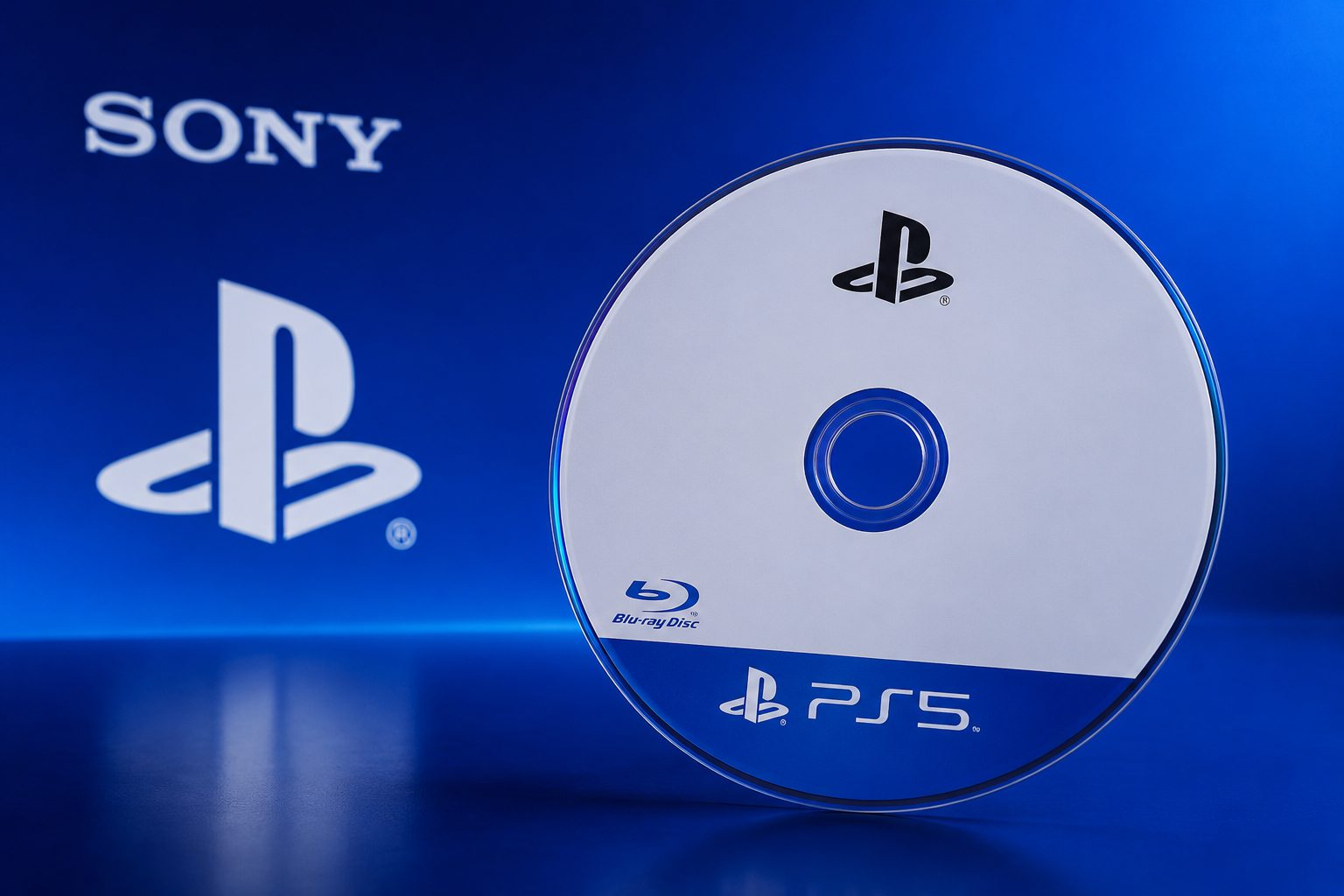
If you’ve built a game collection on physical media, Sony just scheduled its expiration date. The company announced via the PlayStation Blog on July 1, 2026, that physical disc production for all new PlayStation games ends in January 2028. Every new title after that date — first-party and third-party alike — goes digital-only. Existing discs still work, and games already scheduled for physical release before the cutoff ship as planned. But the message is unmistakable: the era of cracking open a new PlayStation case is winding down. The backlash arrived before the blog post cooled.
Who’s Fighting Back
The pushback came fast, from physical publishers to rental services to preservation advocates.
The responses landed from multiple directions within hours.
- iam8bit, the collectibles publisher behind physical editions for Blizzard, Capcom, and Annapurna Interactive, called the decision “profoundly disappointing,” stating that “physical games are vital to games preservation, ownership, and consumer choice.” The company has championed physical releases since 2016. It signed off with three words: “Long live physical media.”
- GameFly, the disc-rental service, said it was “disappointed” and reminded everyone it’s “run by people who believe physical products still matter.” Then, in a move equal parts grief and hustle, the company offered lapsed subscribers a $2.50 renewal — savvy marketing dressed in a mourning suit.
- Aeternum Game Studios pledged “to work urgently to bring every game we create — and those already on the way — tangibly to your shelves before that fateful early 2028 deadline.”
- Frank Cifaldi, director of the Video Game History Foundation, called it “unfortunate news” for consumer rights but noted that for professional preservationists, “this doesn’t have as much of an impact as you might expect,” per GameSpot reporting.
Sony frames all of this as “natural evolution” driven by shifting consumer preferences. The subtext is louder. If no new discs ship after January 2028, the PS6 is almost certainly a digital-only machine — or close to it. Microsoft’s rumored Project Helix reportedly heads the same direction, per GameSpot. Sony is also closing PS3 and PS Vita stores by 2027, per GameFile. That’s not a single trend — it’s a pattern. Buying a digital game license increasingly resembles streaming a song: yours to access until the platform decides otherwise.
What Ownership Actually Means Now
The real question isn’t format — it’s who controls your library.
A disc works without servers. A digital license exists only as long as the storefront does. Think of how your Netflix queue can shed titles overnight without warning. That’s the template for an all-digital game library at a platform holder’s discretion. Cifaldi’s nuanced point matters here: professional preservationists already adapt to digital fragility through publisher cooperation and emulation strategies. Casual players generally don’t have that safety net.
“The industry may try to change its course but we will not let go of your hand. Your shelves will keep being filled with stories.” — Aeternum Game Studios
Worth noting: Sony still sells millions of physical games annually. This isn’t mercy-killing something already dead — it’s a deliberate pivot with real consequences for collectors, retailers, and anyone who assumed “bought” meant “owned.” Your window for new physical PlayStation releases is roughly eighteen months and closing. The disc isn’t gone yet. But Sony just set the date.