College graduates booed AI cheerleaders at multiple commencements, creating an unprecedented challenge for tech companies. You’re at your college graduation, ready to celebrate four years of grinding through assignments and student debt. Then, some tech executive takes the podium and starts gushing about how AI will revolutionize your future career. The crowd erupts—not in applause, but in jeers and boos that echo across the ceremony.
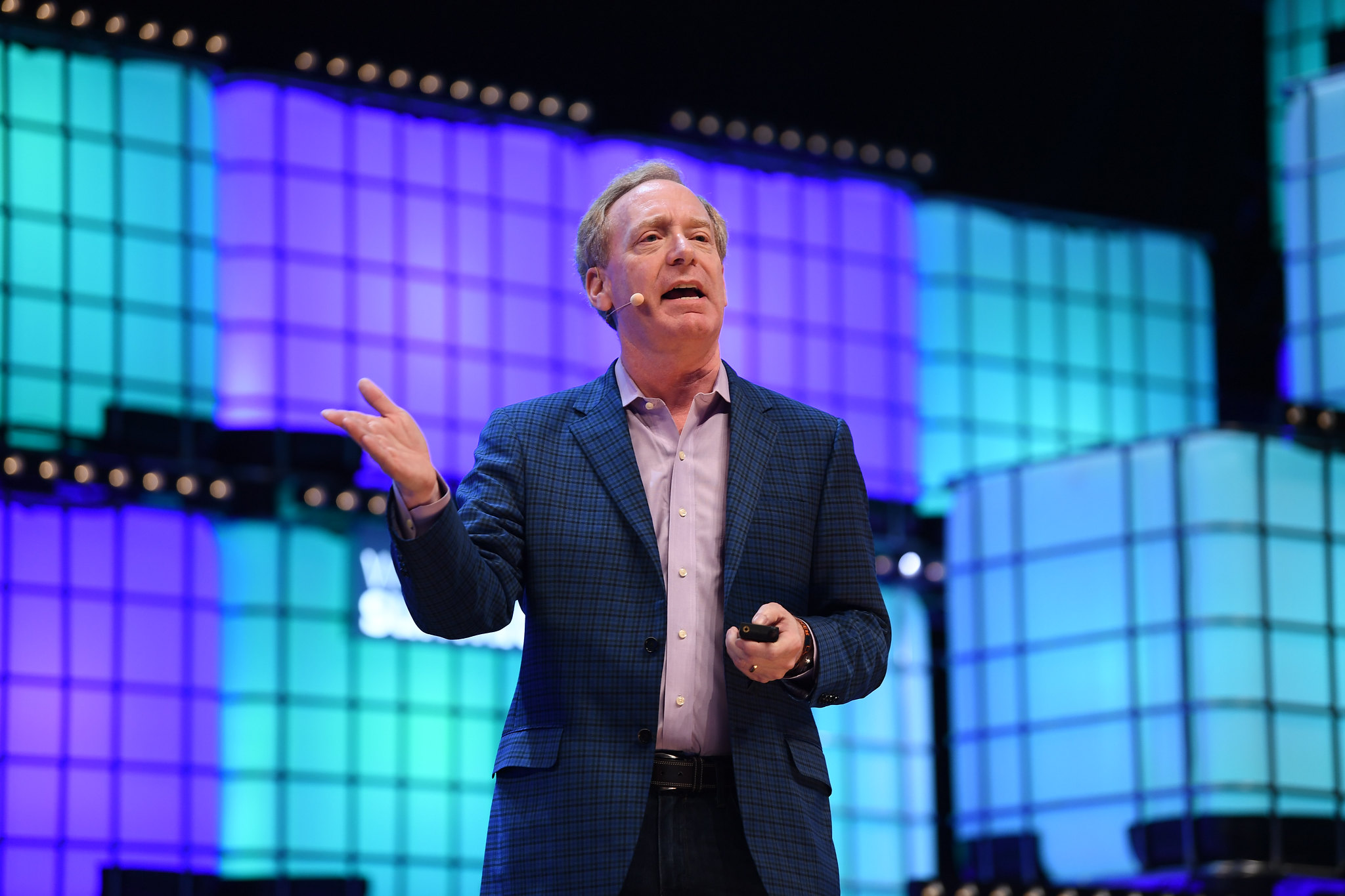
This exact scene played out at multiple U.S. graduations this spring, with students openly rejecting AI cheerleading from speakers across the country. The backlash got loud enough that Microsoft president Brad Smith felt compelled to publish a lengthy essay calling it “a powerful wake-up call for the tech sector.”
Corporate America Finally Hears the Room
Smith acknowledges what graduates already know—AI poses real threats to entry-level positions they’re competing for.
Unlike the usual Silicon Valley spin about inevitable progress, Smith actually validated students’ concerns. He admitted graduates have legitimate reasons to worry about AI’s impact, especially on entry-level positions where tasks are easily automated by current tools. This represents a stunning departure from tech’s typical “adapt or die” messaging.
Smith wrote that today’s graduates face a brutal double hit:
- Automation of tasks in current entry-level positions
- Companies are simultaneously cutting headcount to fund massive AI infrastructure investments
Translation: you’re competing for fewer jobs against machines that work for free.
The Doom vs. Productivity Messaging Wars
Smith’s measured response contrasts sharply with other executives’ dire predictions about AI eliminating entire job categories.
Smith’s cautious optimism looks almost quaint compared to warnings from other tech leaders. Some executives have predicted that AI could eliminate significant portions of entry-level jobs, particularly white-collar roles. Others have claimed that computer work would be fully automated within months.
That’s like watching someone demolish your future while telling you it’s for your own good.
Smith positions AI as a “general purpose technology” comparable to electricity or email—tools that reshaped work rather than ending it. His framework treats jobs as “bundles of tasks,” with some automated, others augmented by AI, and uniquely human skills remaining protected.
All Talk, No Action?
Critics argue that Smith’s empathetic response lacks concrete commitments to job protections or retraining programs.
Here’s where Smith’s essay hits its limits. Despite acknowledging legitimate fears, he offers limited policy commitments on:
- Job guarantees
- Retraining funding
- Limits on AI-driven layoffs
Critics argue this amounts to diplomatic rhetoric that tells graduates to adapt without providing structural protections.
The timing raises questions, too—this messaging shift toward “productivity gains” over “job losses” coincides with AI companies preparing for public market activity. When you need investor confidence and public support, suddenly automation becomes “augmentation.”
Students aren’t booing because they hate technology. They’re demanding honest conversations about who actually benefits from automation and whether the economic gains will extend beyond Silicon Valley’s executive suites. Smith’s response suggests Microsoft heard the message—whether they act on it remains the crucial question.