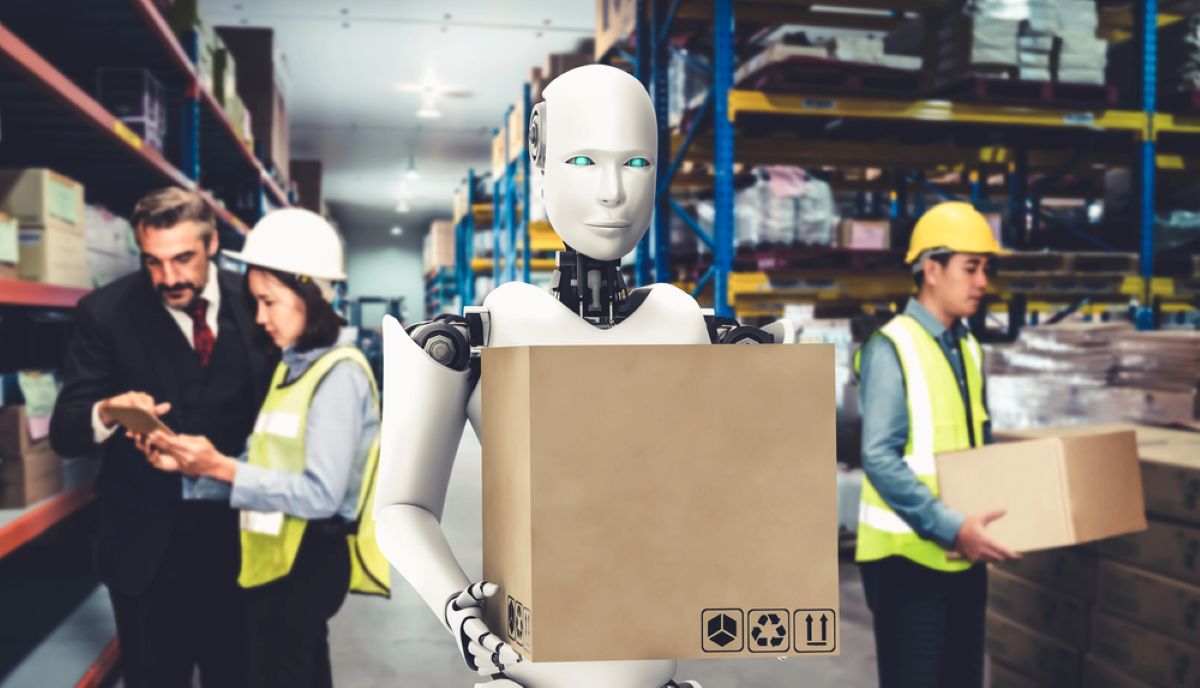
The grand AI automation revolution just hit a speed bump. Two-thirds of companies that laid off workers for artificial intelligence are now rehiring some of those same employees, according to new research from outplacement firm Careerminds.
Turns out, replacing humans with chatbots is harder than the press releases suggested.
The Scale of AI Layoff Reversals
About 55,000 job cuts were directly attributed to AI in 2025, representing 4.5% of all U.S. layoffs that year, according to Challenger, Gray & Christmas. But here’s the plot twist: Forrester Research finds that 55% of employers now regret those AI-driven cuts.
The consulting giant predicts half of all AI layoffs will be reversed “in some form” by the end of 2026. Gartner echoes this forecast, projecting that 50% of companies citing AI for headcount reductions will rehire staff for similar functions by 2027.
Often under different job titles, naturally—corporate face-saving requires some creativity.
Why the AI Revolution Stalled
When researchers ask companies if they actually have functioning AI to replace laid-off workers, “9 out of 10 times, the answer is no—and they haven’t even started,” according to industry analysts quoted in HR Executive.
Companies overestimated AI’s capabilities while underestimating integration costs, data preparation requirements, and the need for human oversight. Like buying a Tesla for the self-driving feature, then discovering you still need to keep your hands on the wheel.
Only 20% of customer service organizations have actually reduced agent staffing despite deploying chatbots and automation, Gartner reports. The rest maintained or grew headcount while using AI to handle increased volume.
Who Really Benefits from the Boomerang
Companies are primarily rehiring experienced employees in customer service, HR, and tech operations. But there’s a catch—many positions reappear offshore or at lower salaries. Forrester warns that laid-off domestic workers may not be the ones getting rehired.
Entry-level positions face particular risk. Firms use AI to absorb simpler tasks while quietly refilling mid-career roles elsewhere, potentially shrinking traditional pathways into white-collar careers.
One-third of employers actually spent more on restaffing than they saved through AI layoffs, according to the Careerminds survey.
The AI job apocalypse was greatly exaggerated, but the boomerang effect reveals something equally important: your job’s future depends less on whether AI can do your work, and more on whether companies can actually implement AI systems that work reliably at scale. For now, that remains surprisingly difficult.