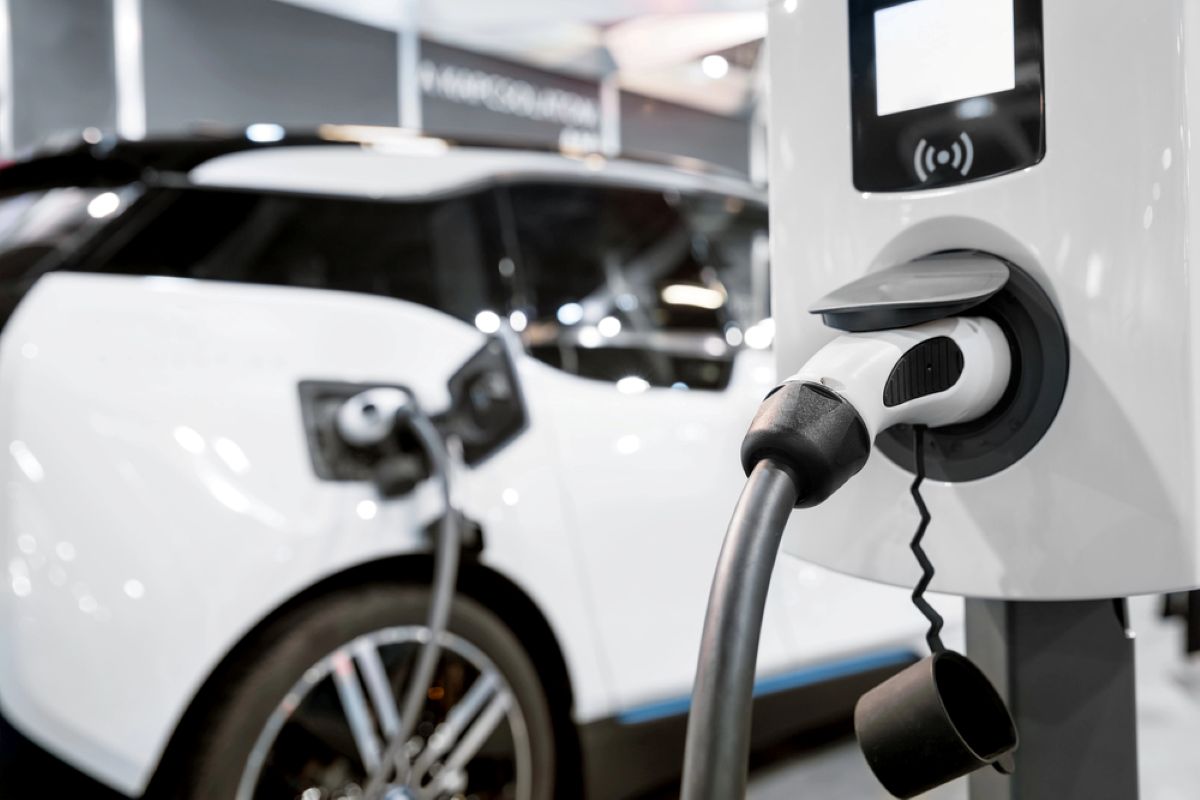
Racing to make an important meeting with 15% battery left, you pull into what your navigation promised was a reliable fast charger. Instead, you find a locked dealership gate and a security guard shaking his head. Welcome to the EV charging shell game, where “public” doesn’t always mean accessible.
Consumer Reports found that drivers experience problems in roughly one out of every five public charging sessions. Those aren’t just technical glitches—they’re locked facilities, blocked chargers, and bills that make your jaw drop faster than a TikTok algorithm.
The Dealership Hosting Problem
Many chargers live on private property with their own rules and priorities.
Here’s what the apps don’t tell you: countless “public” chargers sit on dealership lots, subject to business hours, inventory vehicle priority, and whatever pricing the property owner feels like charging. While typical public DC fast charging runs $0.35-$0.60 per kilowatt-hour, some locations spike above $1.00—more than triple what you’d pay at home.
The software plumbing connecting charging networks, site hosts, and mapping apps frequently falls out of sync. Your route planner might show last month’s pricing while the actual station operates under completely different rules. It’s like Google Maps promising a 24-hour diner that’s actually only open for Sunday brunch.
Why This Isn’t Like Gas Stations
Decades of regulation ensure pump price transparency that EV charging still lacks.
Gas stations must display per-gallon prices prominently under strict weights-and-measures enforcement. EV charging operates under a patchwork of rules where pricing varies by region, time of day, membership status, and property owner whims.
Unlike the standardized pump experience you’ve known your entire driving life, charging networks can change pricing models, access policies, and billing structures with little advance notice to drivers. This regulatory gap becomes especially problematic when public subsidies fund these installations. Taxpayer money helps deploy chargers that then operate more like private club amenities than genuine public infrastructure.
The Trust Problem
First bad experiences threaten mainstream EV adoption beyond early adopters.
For new EV owners expecting gas-station-like reliability, arriving at a locked charger or receiving a shocking bill represents more than inconvenience—it’s a first-touch trust problem with the entire technology ecosystem. The disconnect between polished marketing promises and messy ground-truth reality risks reinforcing the narrative that EVs remain toys for tech enthusiasts rather than mainstream transportation.
Until the industry aligns software promises with physical accessibility—and regulators demand the same transparency standards they require from gas stations—”public” charging will remain frustratingly unpredictable.