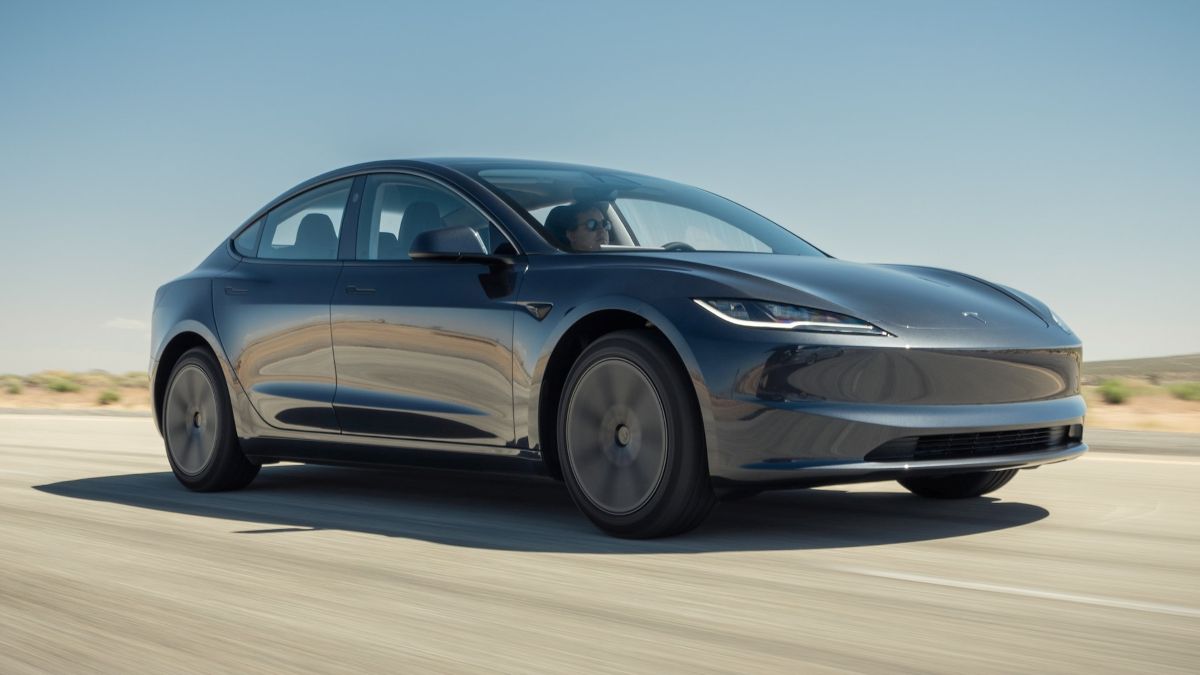
Dead car batteries aren’t your biggest EV worry anymore—annual government fees might be. Rep. Sam Graves (R-MO) just announced plans for federal EV and hybrid fees to fund crumbling highways, potentially adding $250-550 to your yearly ownership costs.
The Bill Coming Due
Graves, who chairs the House Transportation and Infrastructure Committee, dropped this bombshell at a U.S. Chamber of Commerce event on March 17. His proposed highway funding bill targets $500-550 billion in total infrastructure spending, with EV owners helping foot the bill through annual fees.
Previous House GOP proposals floated $250 yearly for EVs and $100 for hybrids—amounts that could significantly impact your total ownership costs. That Tesla Model 3 lease suddenly looks pricier when you’re calculating an extra $21 monthly government fee on top of everything else.
Why Your Wallet’s in the Crosshairs
Here’s the math that has lawmakers targeting your garage: your EV contributes exactly zero dollars to federal gas and diesel taxes that fund highways. Meanwhile, gas vehicle owners chip in roughly $88 annually just by filling up. Since 2008, Congress has shifted over $275 billion from general funds to cover the shortfall.
The weight issue makes it worse. “EVs can weigh up to three times as much as gas-powered cars, creating more wear and tear,” according to Sen. Deb Fischer (R-NE). Your electric truck hammers pavement harder than a Honda Civic, yet pays nothing for repairs.
The Fairness Fight
EV advocates aren’t buying the equity argument. The Electrification Coalition calls a $250 fee unfair compared to that $88 gas tax average. Some states like California and Oregon already impose EV fees, creating a patchwork that could soon go federal.
The political calendar creates urgency. The current transportation law expires September 30, 2026, with November elections looming. Getting a deal before politicians start campaigning will be like threading a needle while riding a mechanical bull.
Your next car purchase might hinge on whether this passes. Factor potential annual fees into those EV vs. gas calculations—the government’s about to make that math more complicated.