Cycling upgrades fall into two camps: those that genuinely transform your ride and those that merely transform your bank balance. Some components deliver tangible performance boosts, while others prove about as impactful as racing stripes on a minivan. This breakdown separates the noise-canceling headphones from the novelty singing fish, focusing on tangible improvements you’ll actually feel on the road rather than marginal gains requiring lab coats and PhDs.
This content may contain affiliate links. If you wish to support us and use these links to buy something, we may earn a commission.
21. Supple / Race Tires
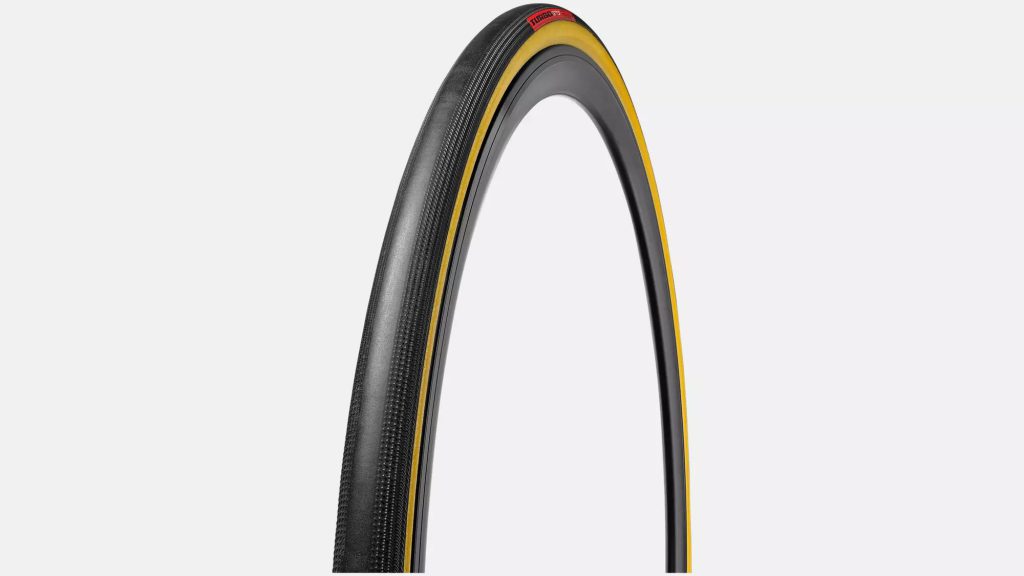
High-TPI tires offer the biggest bang for your upgrade buck, delivering comfort and speed that aluminum components can’t match.
High-TPI (threads per inch) clincher tires, like the Specialized Turbo Cotton, feature casings with 120 TPI or more, meaning they’re incredibly supple. This flexibility dramatically improves comfort, boosts grip, and cuts rolling resistance compared to stiff, cheaper alternatives. Race tires may skimp on tread thickness, making them more prone to punctures—like walking through a minefield in flip-flops. Modern thinking also ditches the old “max pressure is best” mantra. Dropping tire pressure significantly cuts vibration losses and improves comfort, especially when pavement looks like it lost a fight with gravel.
20. Bar Tape
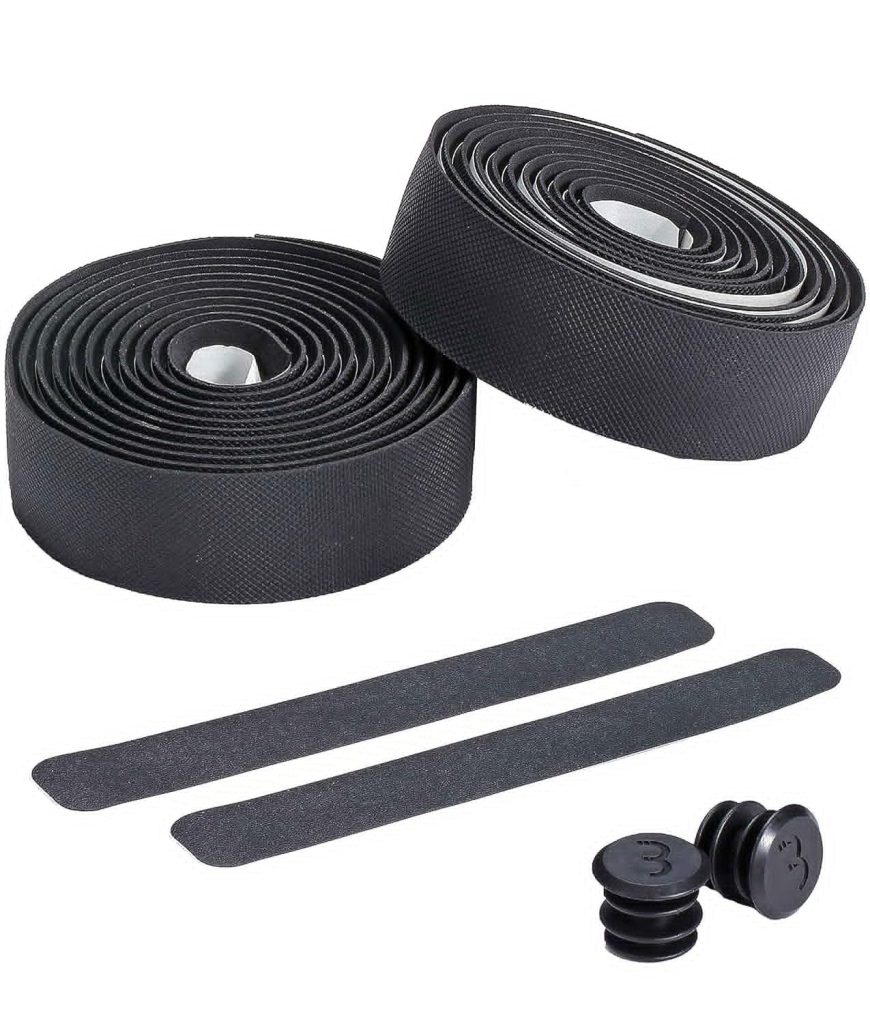
Even budget-friendly tape transforms your cockpit into a premium-feeling control center.
Upgrading bar tape is like giving your bike a personalized handshake, instantly improving comfort and grip without emptying your wallet. Even budget options, like BBB’s FlexRibbon, pack multi-density foam layers that absorb road chatter effectively. The difference shows on longer rides, reducing hand fatigue and making rough patches feel less punishing. Fresh tape also provides one of the easiest aesthetic upgrades, making your bike look more expensive than it actually is.
19. Latex Inner Tubes
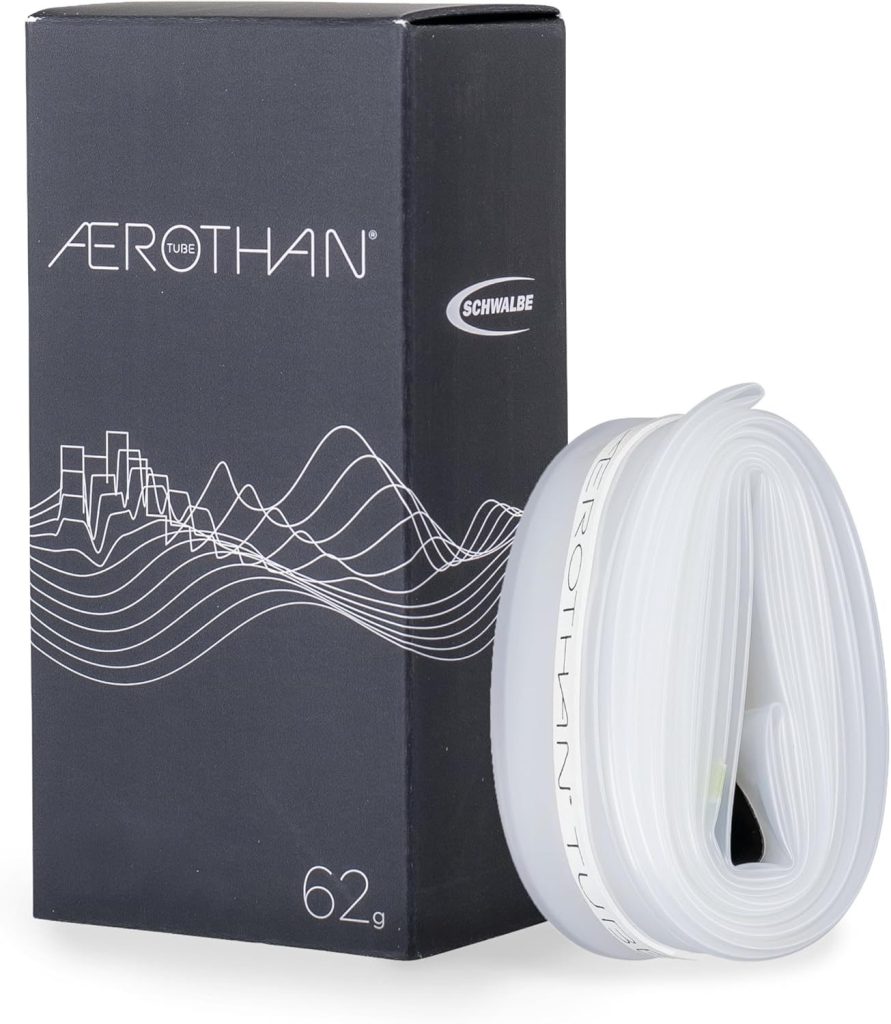
Superior suppleness comes with daily maintenance requirements that many riders find inconvenient.
Compared to standard butyl tubes, latex offers measurably lower rolling resistance and superior suppleness, translating to a smoother, faster ride. However, latex is significantly more air-permeable, often requiring inflation before every ride—a commitment many find inconvenient. While more heat-tolerant than butyl, making them suitable for demanding rim braking scenarios, latex tubes are more delicate during installation, increasing pinch-flat risk. Racers seeking every advantage often embrace them, but the daily maintenance burden remains a key consideration.
18. Clipless Cycling Shoes and Pedals
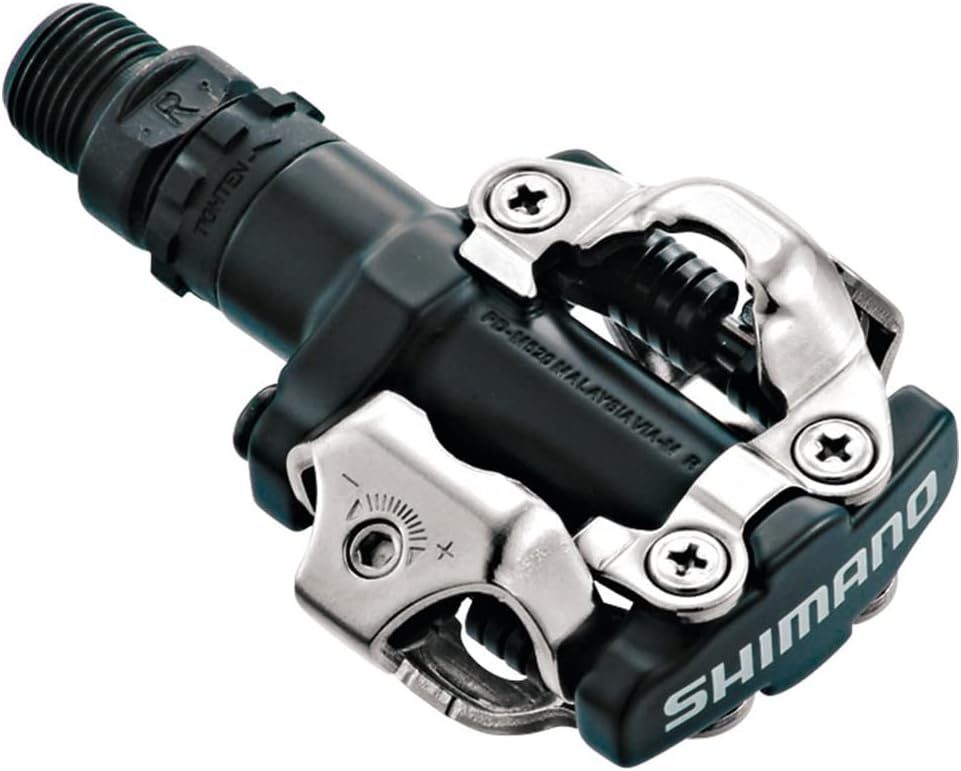
Locking into clipless pedals transforms your pedal stroke from a mere push into full-power efficiency.
This setup ensures perfect foot positioning, crucial for both explosive sprints and endurance efforts. Rigid soles prevent energy leaks, while the cleat system maintains optimal positioning for miles, preventing knee aches. While mastering entry and exit takes practice, the payoff delivers improved control, efficiency, and genuine bike-rider connection. For many cyclists, this upgrade offers more performance benefit than multiple other components combined.
17. Disc Brakes
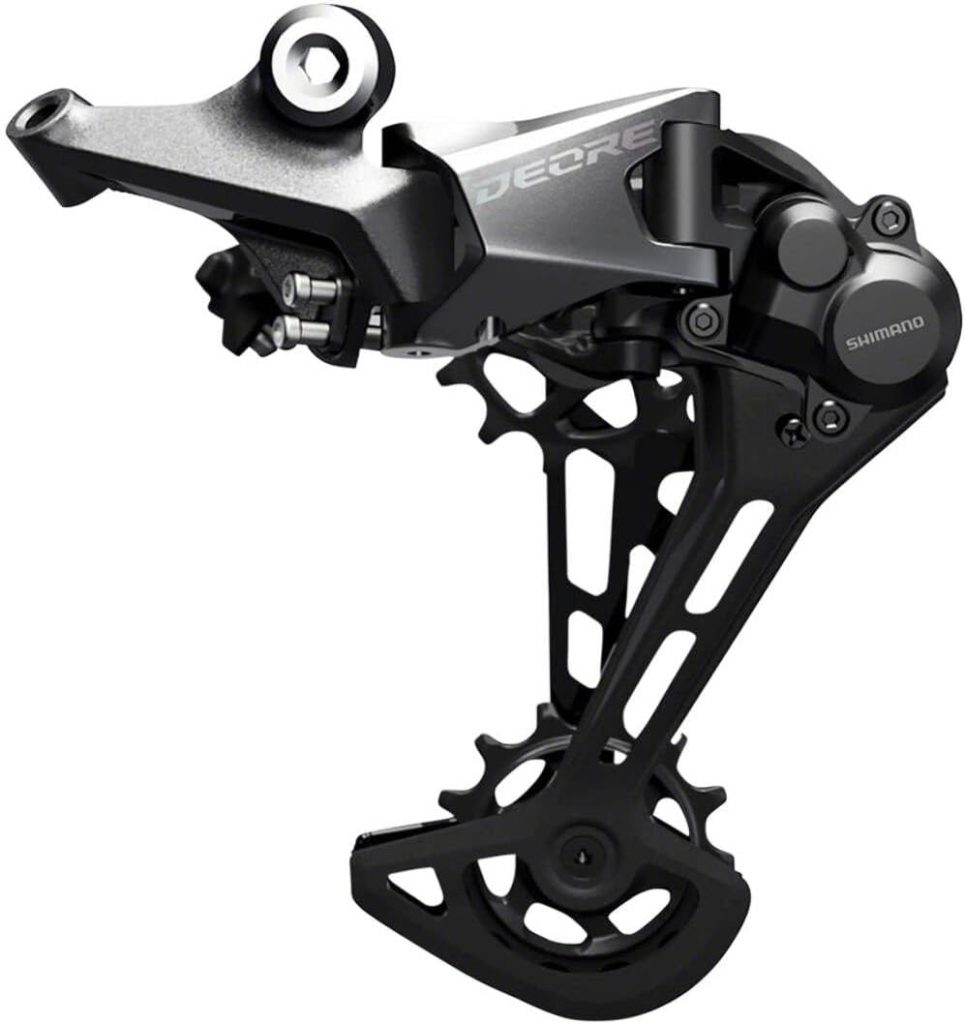
Hydraulic disc brakes provide dramatically improved confidence and control, especially in variable conditions.
They clamp rotors mounted at the hub, performing significantly better when conditions get wet or muddy. Rim brakes struggle like trying to grab a wet frisbee, while disc brakes grip with industrial-strength reliability. Hydraulic systems offer self-adjusting pads and superior modulation compared to cable-actuated versions, making them essential for anyone prioritizing control, especially on steep descents or in unpredictable weather.
16. Power Meter
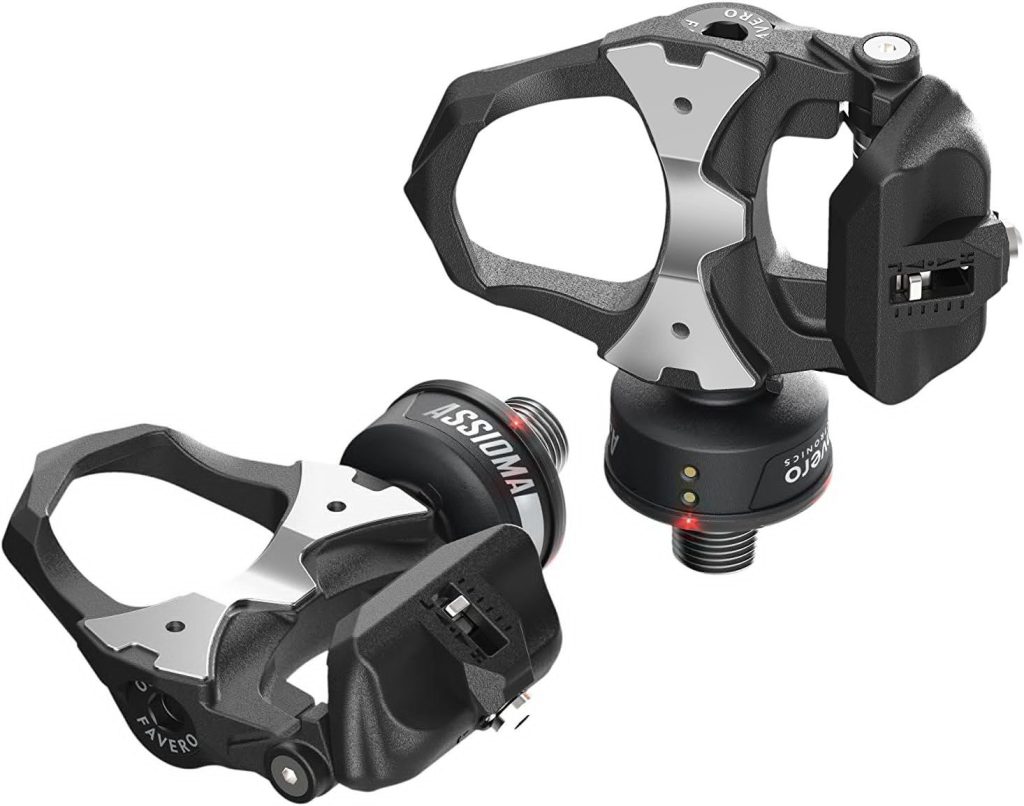
Training with power data provides GPS-like guidance for cycling fitness, revealing precise mechanical output.
This device measures watts with typical accuracy within ±1–2%, helping dial in intervals and pace efforts better than gut feel alone. While new wheels might look appealing, consistent power data usage can deliver more substantial performance gains than most shiny components. Understanding and utilizing power metrics transforms raw output into actionable training insights for serious improvement.
15. Clip-On Aero Bars
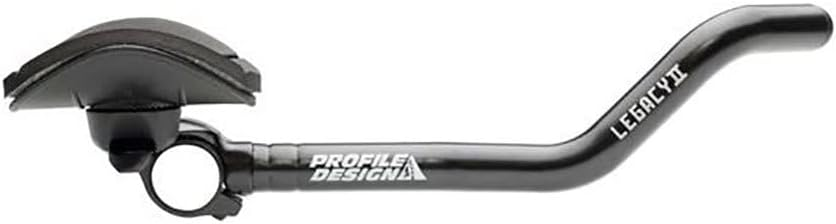
Aerobars dramatically reduce frontal area, often providing 1-2 mph speed gains for many riders at the same power output.
This setup positions riders like time trialists, significantly cutting aerodynamic drag. While benefits can be substantial depending on baseline position and rider characteristics, their use in group races faces safety restrictions. Building core strength and flexibility for this new position is essential, or discomfort will make you regret the investment.
14. Suspension Stems
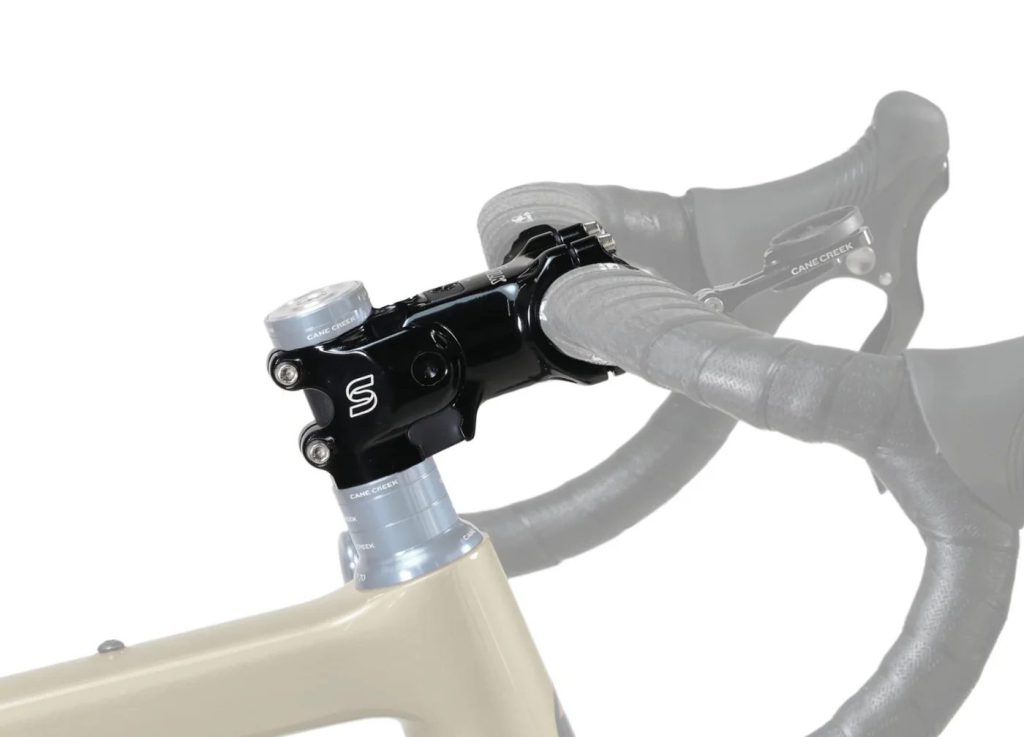
Quality suspension stems meaningfully reduce upper-body fatigue on rough surfaces without full suspension complexity.
These stems allow controlled handlebar movement to absorb jarring impacts, particularly valuable for gravel riding and long endurance efforts. High-quality models make noticeable differences in hand and wrist comfort. However, choosing reputable brands is crucial, as stem failure poses serious safety risks. This upgrade offers comfort benefits at lower cost and complexity than full suspension systems.
13. Handlebar Width / Properly Sized Handlebars
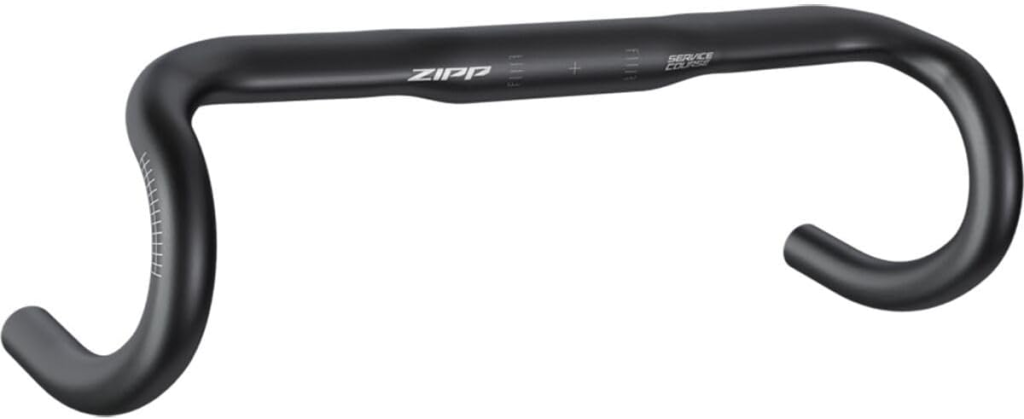
Most stock bikes ship with generic handlebar widths that don’t suit individual riders.
Proper sizing starts with measuring shoulder width from the acromion process. Too narrow compromises breathing; too wide creates wrestling-match control issues. Narrower bars can provide aerodynamic benefits for smaller riders, while wider bars offer more leverage for off-road terrain. Features like short-reach or compact-drop bars allow fine-tuning cockpit reach without changing frames, making significant comfort improvements through small adjustments.
12. Suspension Seatposts
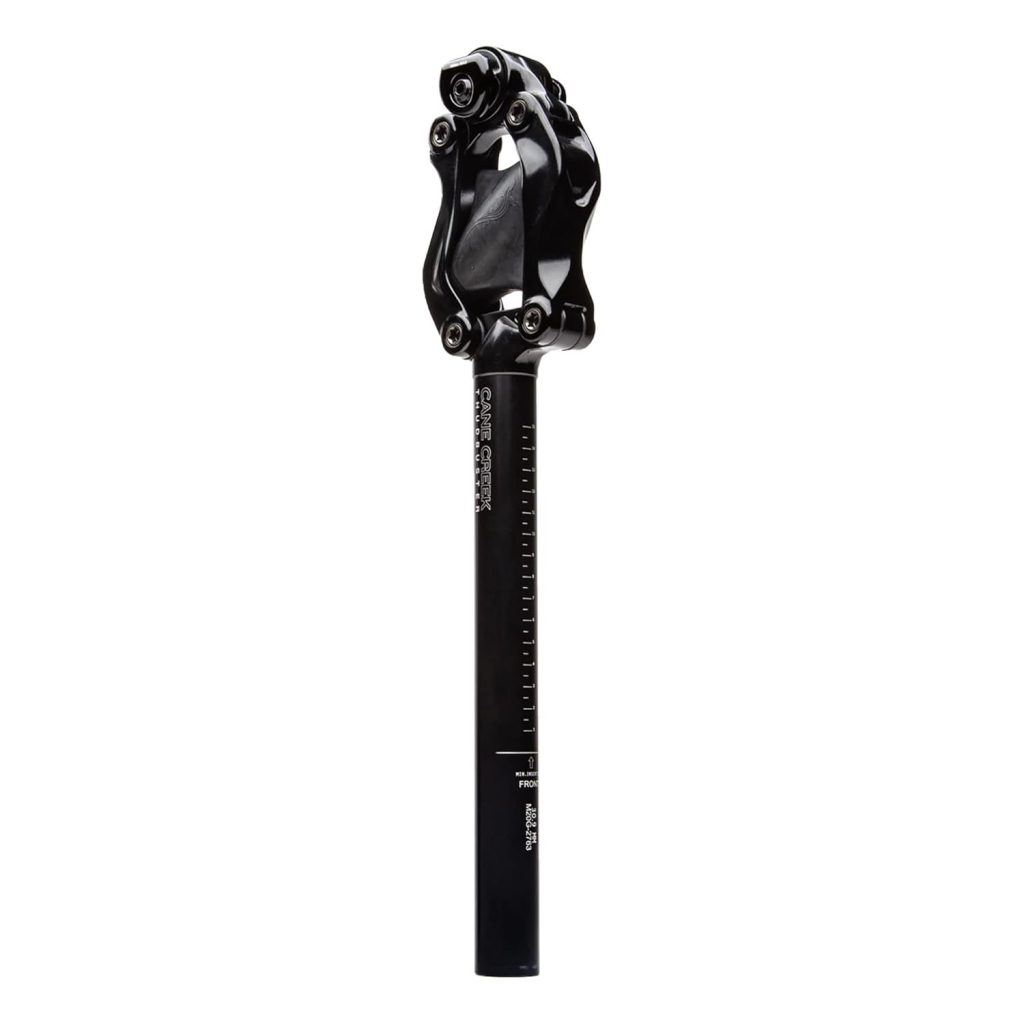
The Cane Creek Thudbuster’s parallelogram linkage provides 20-35mm of tunable travel for back-saving comfort.
These posts act as targeted shock absorbers for your spine, smoothing washboard gravel roads without full rear suspension complexity. For commuters and gravel riders, this means reduced fatigue and increased comfort, often without hefty price tags. Proper sizing for diameter, setback, and travel is crucial, and choosing reputable brands like Cane Creek ensures safety and reliability.
11. Tubeless Tire Systems
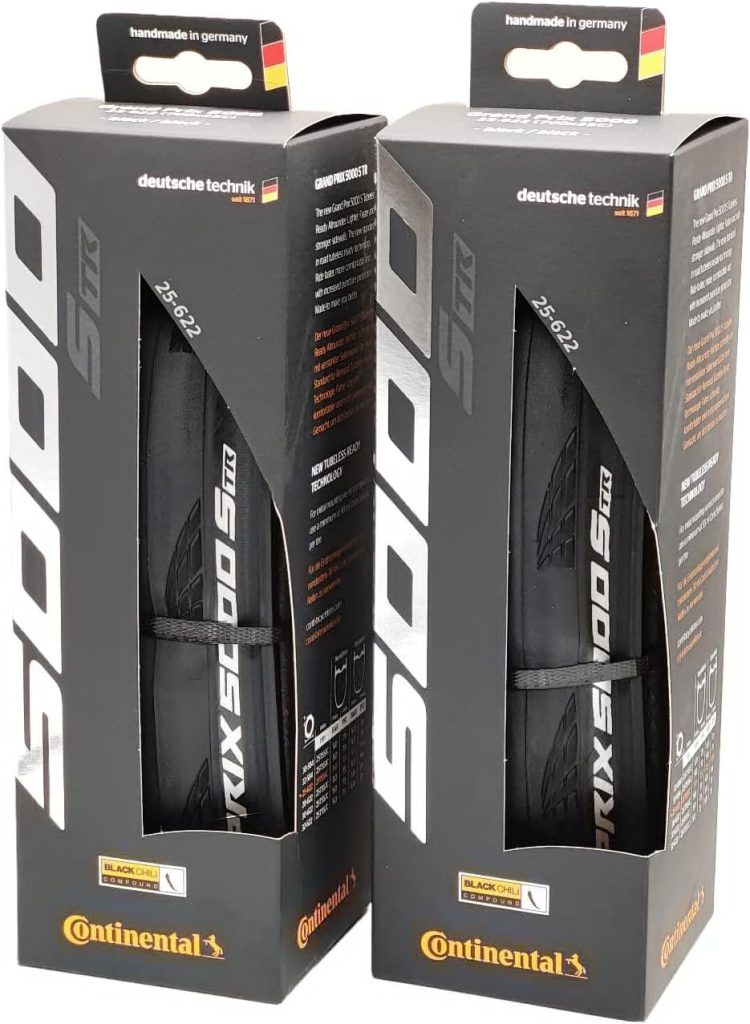
Eliminating inner tubes reduces flats while enabling lower pressures for improved grip and comfort.
This setup uses airtight rims, special tires, and liquid sealant. Off-road applications allow significantly lower pressures, dramatically improving grip while eliminating pinch flats. Small punctures self-seal thanks to the sealant. Road tubeless offers reduced rolling resistance, though setup can be more sensitive to tire and rim compatibility. Regular sealant maintenance is required, but comfort and flat-resistance gains justify the effort.
10. Electronic Shifting
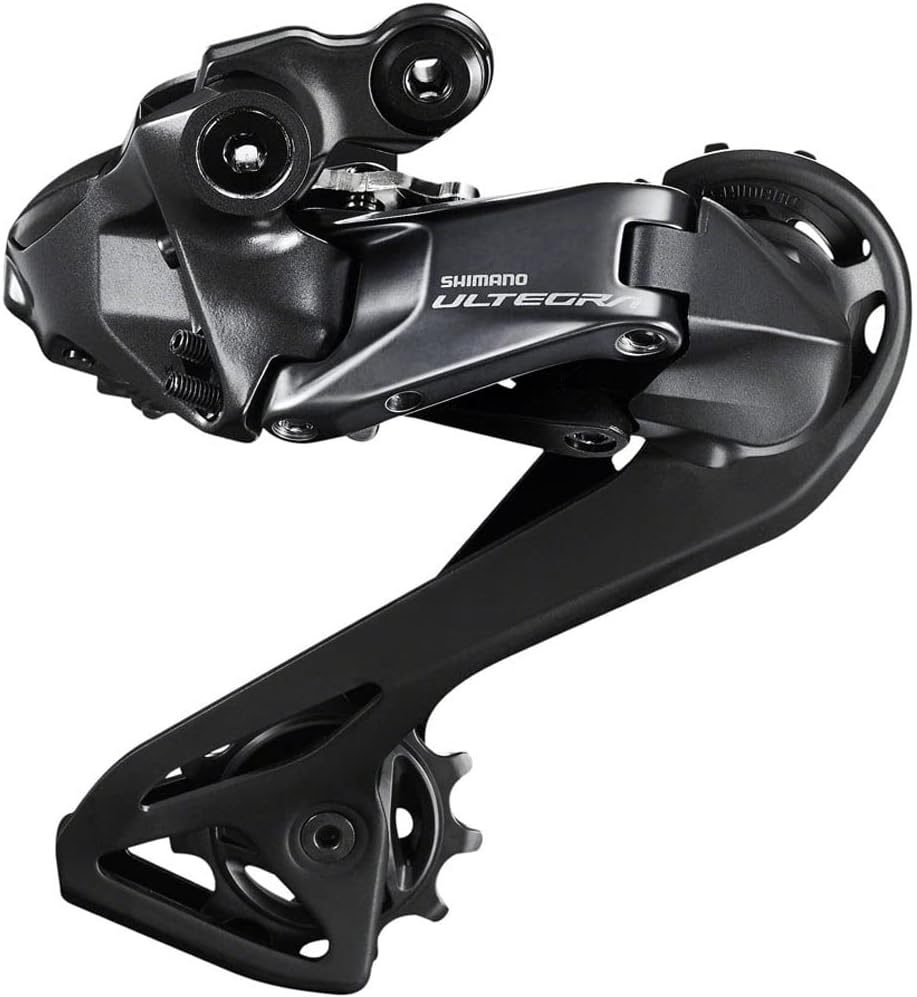
Modern systems like Shimano Di2 and SRAM eTap deliver precise, effortless gear changes in all conditions.
These systems replace mechanical cables with electronic signals controlling servo-driven derailleurs. Benefits include consistent performance regardless of weather, minimal lever force (helpful for hand limitations), and programmable shifting logic. While initial costs are substantial and battery charging is required, the improvement in shifting precision and reliability makes cycling more accessible and enjoyable.
9. Carbon Finishing Kit
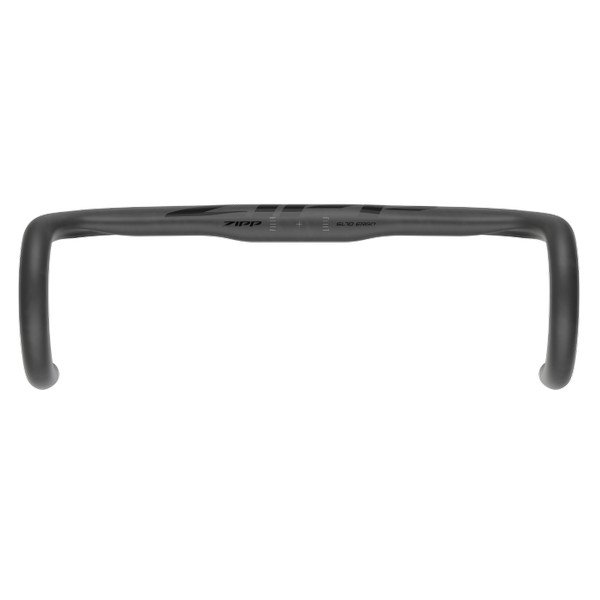
Swapping aluminum for carbon handlebars, stem, and seatpost can save hundreds of grams while improving comfort.
Carbon components can be engineered to flex directionally, potentially smoothing high-frequency road vibrations. However, this upgrade often represents paying premiums for incremental improvements rather than transformative changes. Proper installation with torque wrenches and carbon assembly paste is mandatory to prevent catastrophic failure. Weight savings are real but rarely justify costs unless deep into competitive racing.
8. High-End Chains
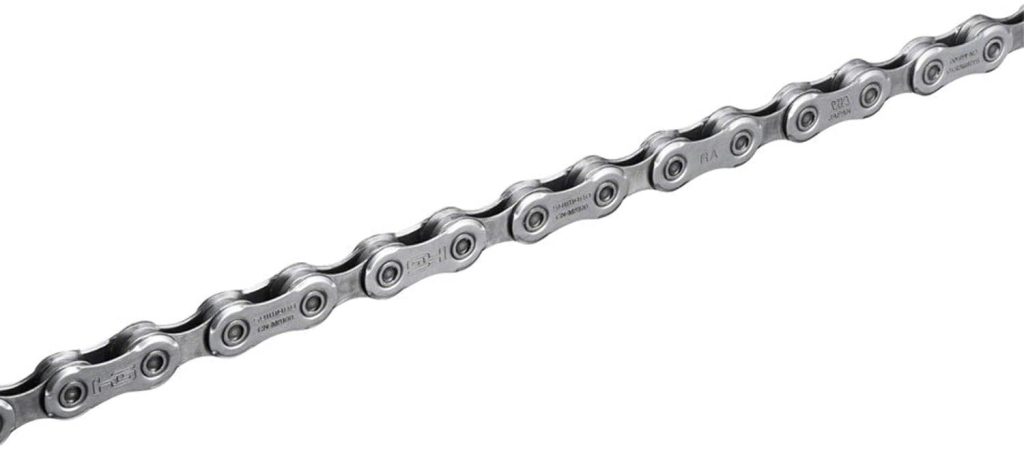
Boutique low-friction chains might save 1–3 watts under perfect lab conditions but lose advantages quickly with dirt or wear.
These fancy chains, often pre-treated or coated, perform like racehorses that refuse to run in mud. Their supposed advantages evaporate with dirt, wear, or less-than-perfect maintenance. For most riders, keeping quality mid-range chains clean and replacing them every 2,000–5,000 km delivers comparable real-world benefits without the premium cost.
7. Ceramic Bottom Brackets
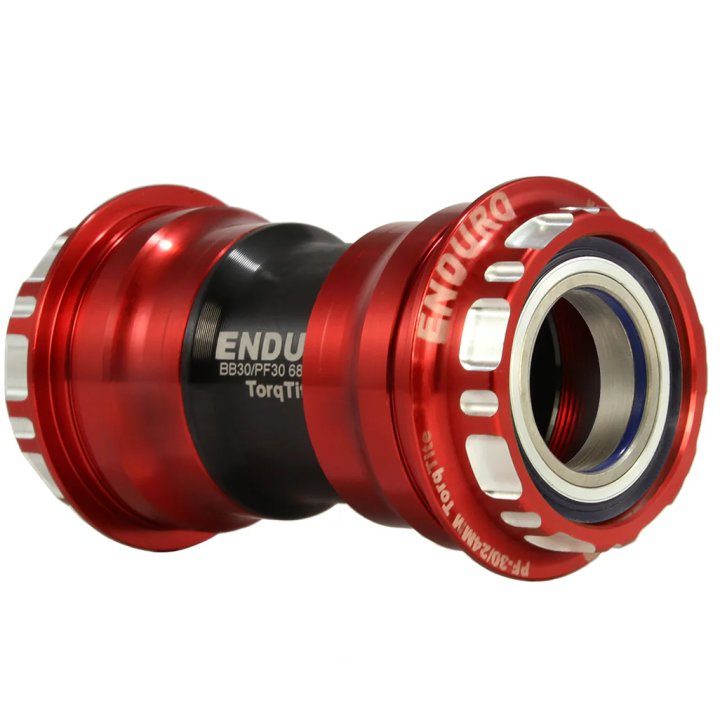
Laboratory tests typically show ceramic bottom brackets save less than 1–2 watts compared to well-maintained steel options.
Most still use steel bearing races, which are softer than ceramic balls, meaning grooves wear into races over time. The Enduro XD-15 uses nitrogen-infused steel races designed for extreme hardness, but these command premium prices around £250 and demand precise installation for any meaningful benefit.
6. Deep Carbon Wheels
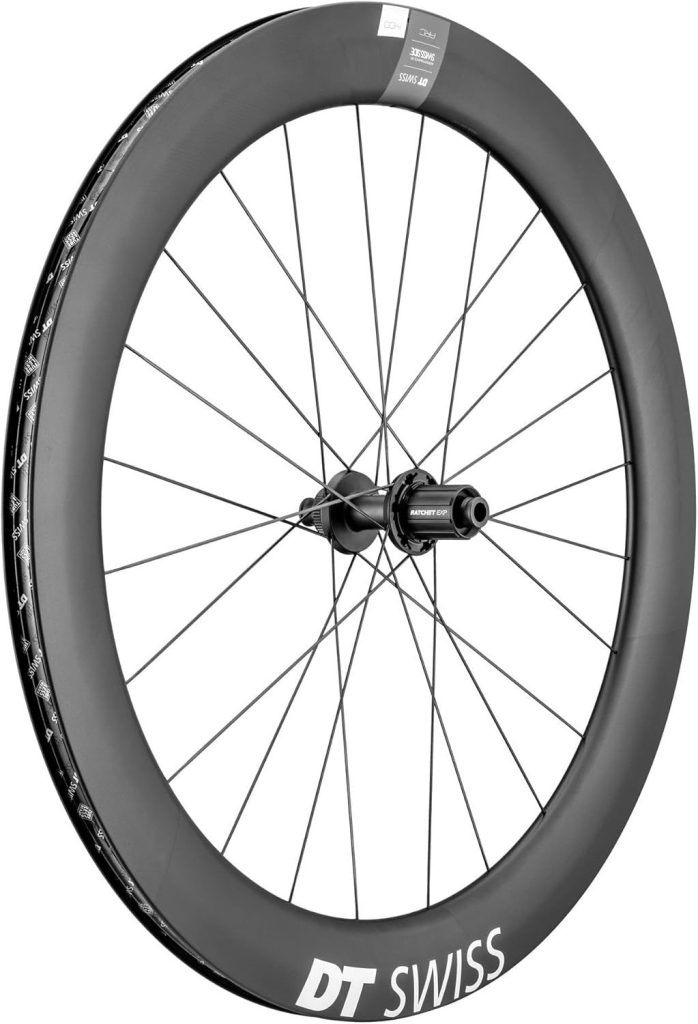
Rims of 40–80mm depth provide measurable speed boosts above 30 km/h through improved aerodynamics.
Deeper rims offer greater aero benefits but increase crosswind sensitivity, particularly affecting lighter riders. Carbon construction allows wider profiles and significant weight savings over aluminum, though at steeper prices. Disc brake versions eliminate rim heating concerns while providing superior aerodynamic performance.
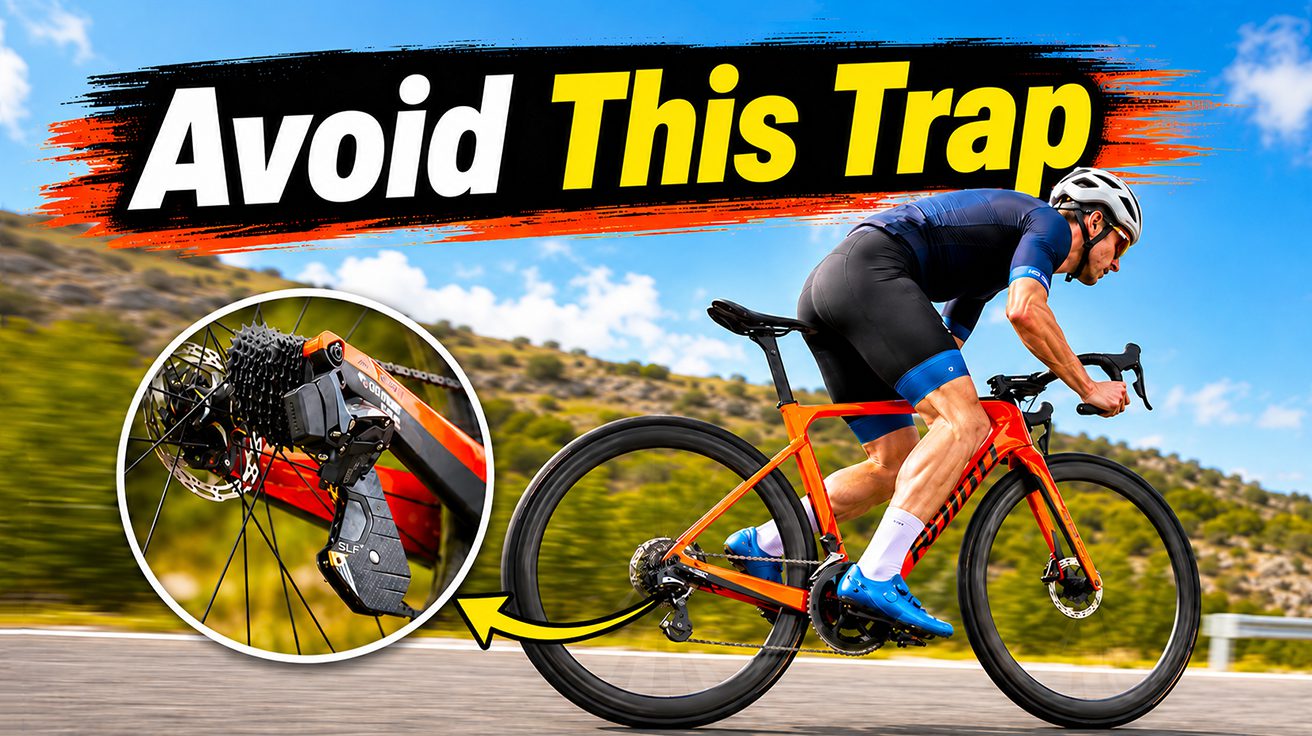
5. Oversized Pulley Wheels
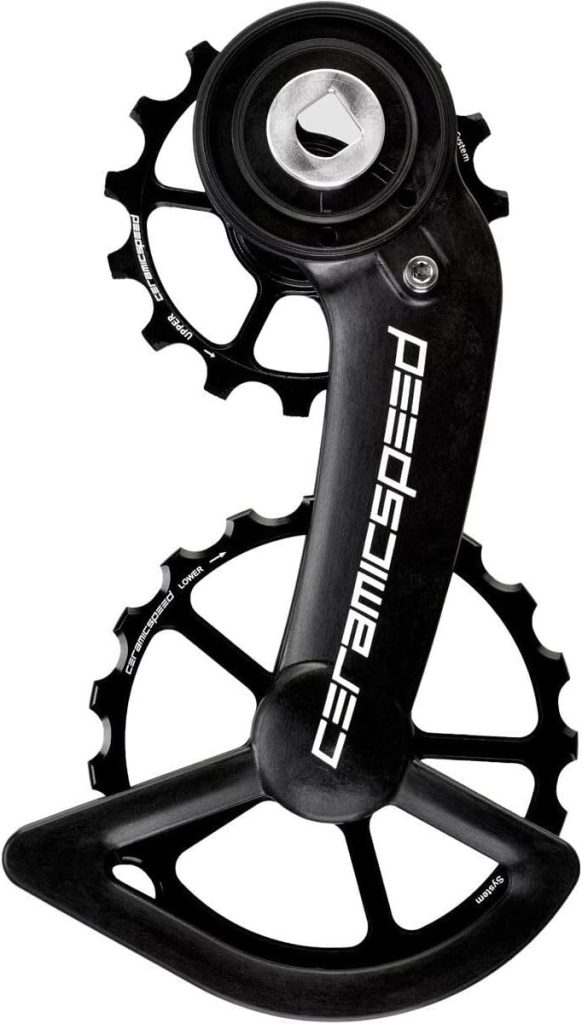
*Independent tests consistently show these systems deliver gains under 1 watt—practically invisible improvements for substantial costs.*
While they might look impressive, oversized pulley systems with ceramic bearings essentially charge premiums for bragging rights rather than speed. Poorly designed systems can compromise shifting precision. Some high-end factory derailleurs now incorporate larger pulleys, but aftermarket systems remain firmly in marginal gains territory.
4. TPU Inner Tubes
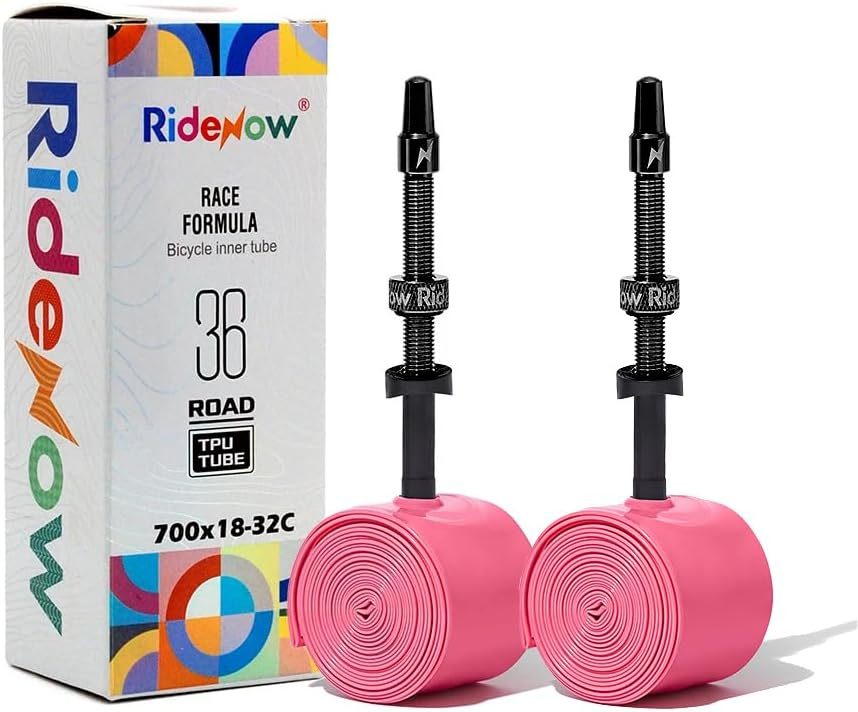
These ultra-light tubes at 30–50g each offer serious rotational weight savings but come with premium pricing and sensitivity.
TPU tubes pack smaller than travel gum and provide low rolling resistance, making wheels spin up faster. However, at over $25 each, they’re significantly more expensive than butyl alternatives. Their sensitivity to sharp edges and installation errors makes them best suited as lightweight spares for tubeless setups.
3. Puncture-Protected Tires
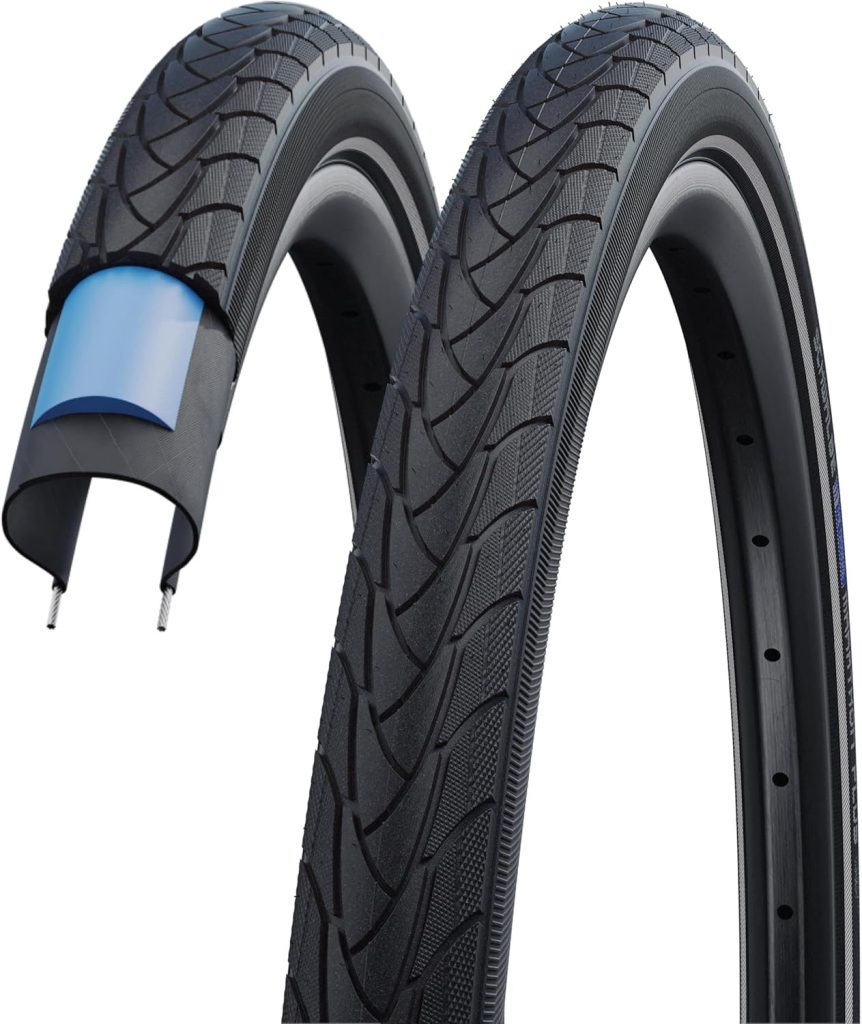
The Schwalbe Marathon Plus with SmartGuard layer provides near-bulletproof protection for commuters and touring cyclists.
These tires feature robust protective belts made from Kevlar or proprietary compounds under the tread, deflecting glass and thorns effectively. They trade some rolling efficiency and weight for serious durability, making them ideal for daily commuting, e-bikes, cargo hauling, and wheelchair applications where reliable uptime matters more than outright speed.
2. Solid / Airless Tires
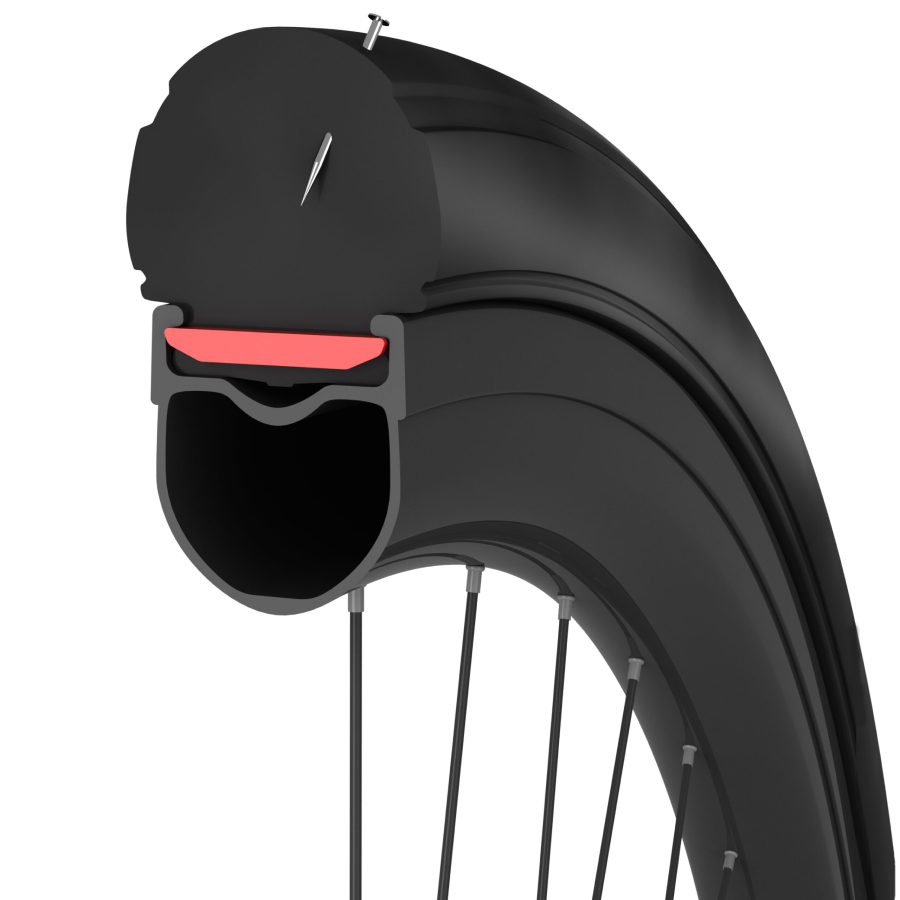
Zero puncture risk comes with massive rolling resistance increases and bone-rattling harshness.
These tires eliminate inner tubes entirely, using solid foam or rubber. While they eliminate traditional punctures completely, they create massive rolling resistance, significant weight penalties, and rides so harsh they’ll rattle teeth loose. They appear on utility bikes and rental fleets where durability trumps everything, but most riders prefer dealing with occasional flats over this punishing compromise.
1. Aero Socks
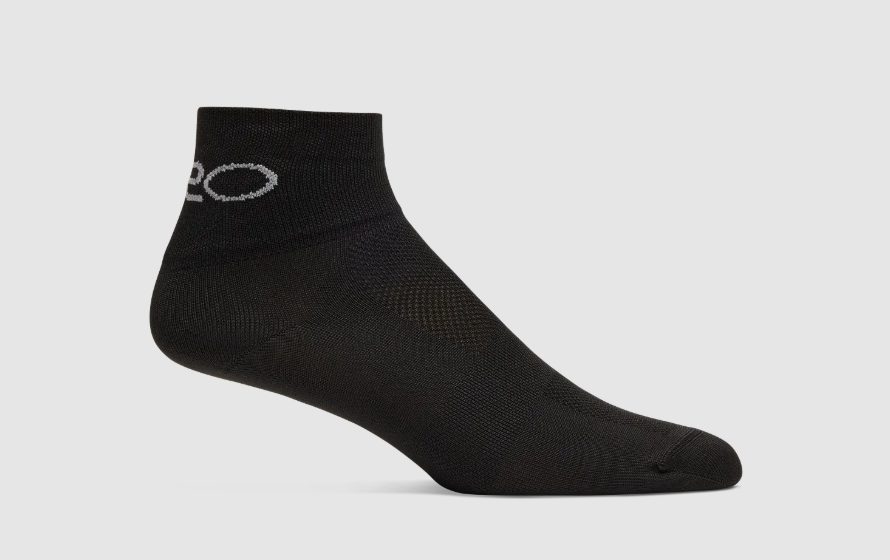
Wind tunnel tests show tall, smooth socks can save seconds over 40km time trials at relatively low cost.
These specialized socks streamline airflow around lower legs, offering focused aerodynamic improvements. Many cycling events regulate sock height to mid-calf to prevent excessive aerodynamic advantages. They represent relatively inexpensive upgrades compared to carbon wheelsets while providing measurable time savings in solo efforts and time trials.
This landscape of upgrades separates genuine performance enhancers from expensive placebos. Smart choices focus on contact points, aerodynamics, and systems that provide measurable benefits rather than marginal gains requiring perfect conditions. Your wallet and ride quality will thank you for choosing wisely.