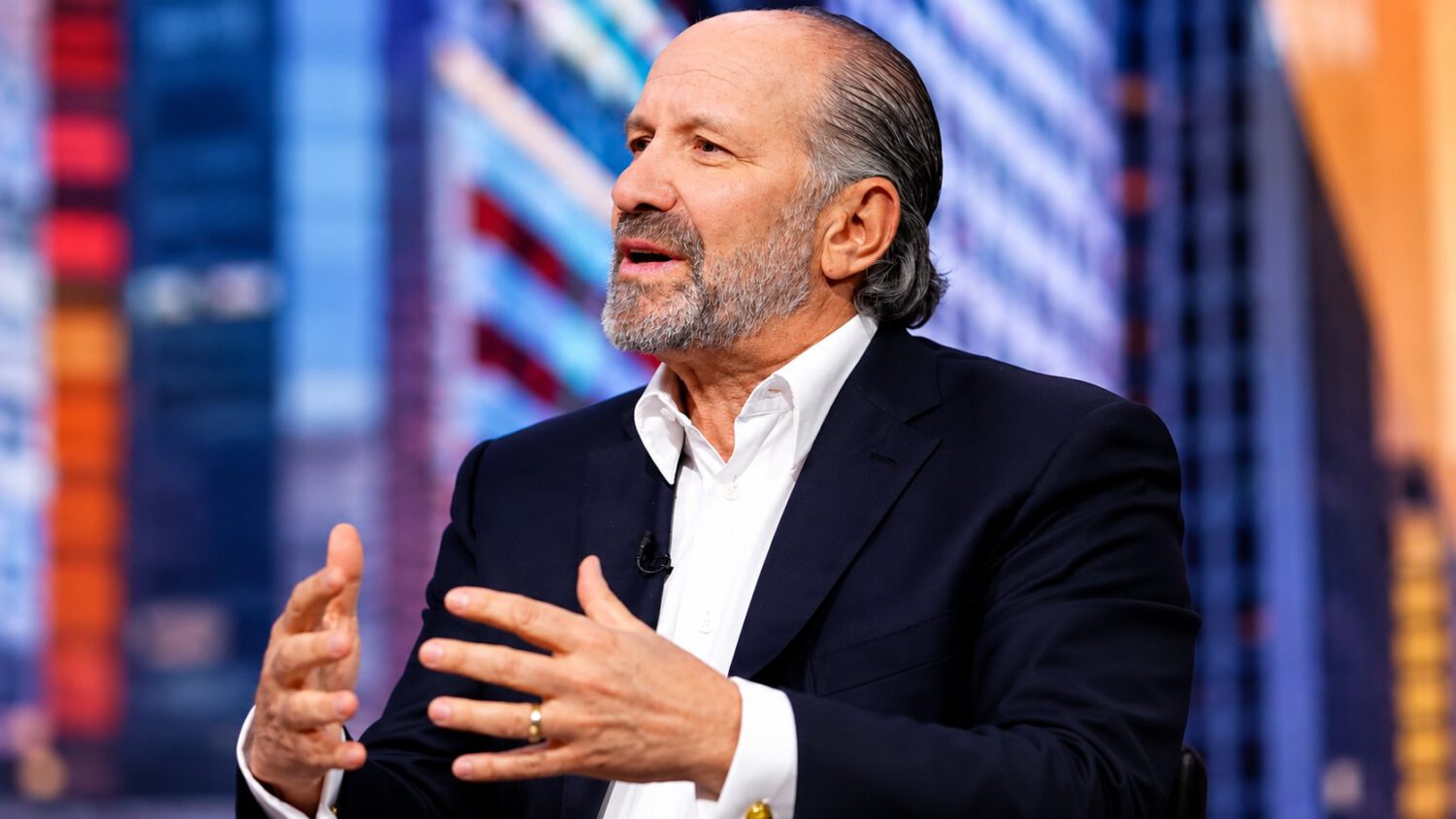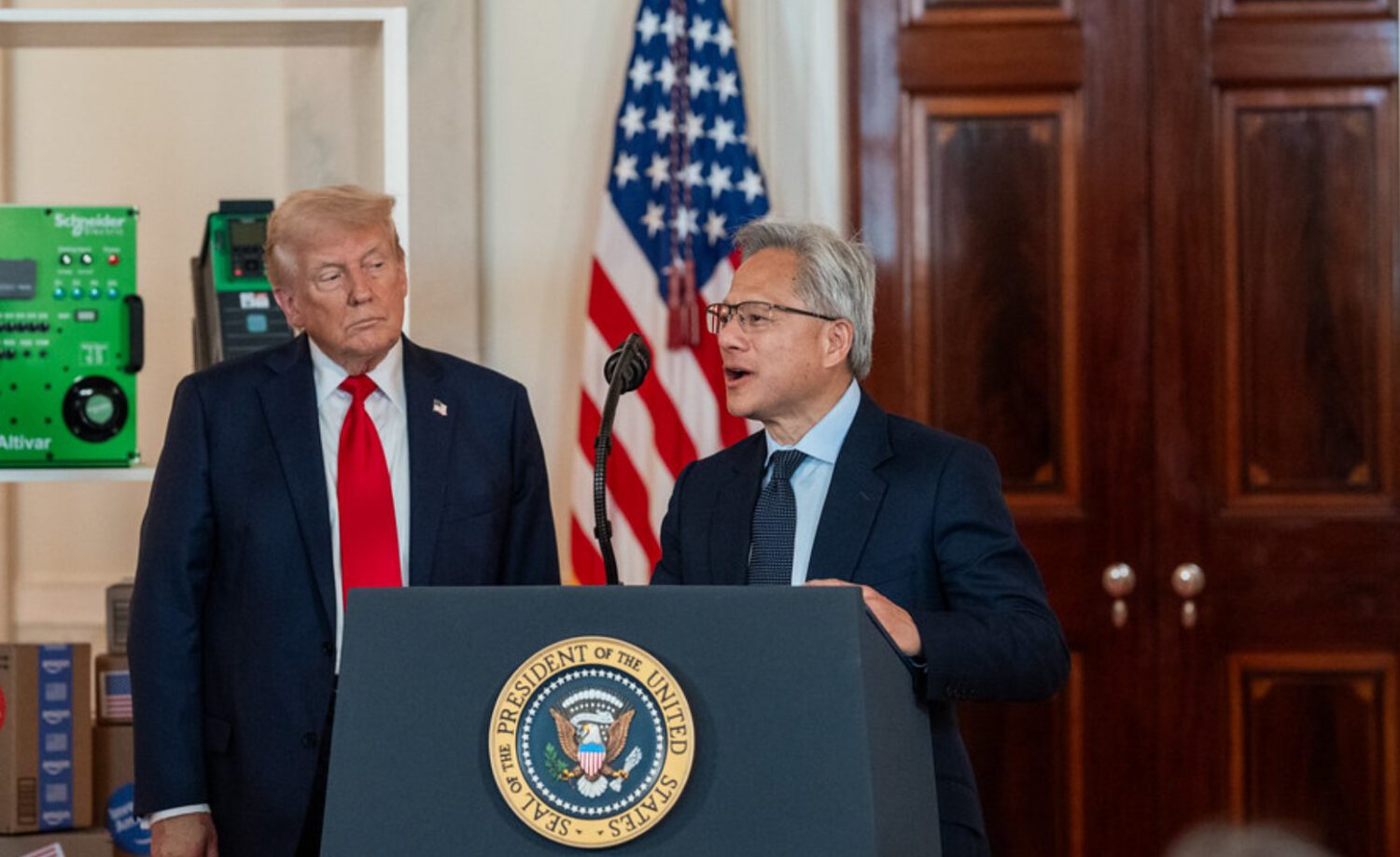
Senate Democratic Leader Chuck Schumer accused President Trump of sitting on intelligence about Nvidia CEO Jensen Huang‘s alleged relationship with a suspected Chinese spy for more than a year before taking any action. “Trump has been busy trying to defend Jensen Huang when he ought to be defending our national security,” Schumer said in Senate floor remarks, calling the reported inaction a “dereliction of duty.”
Trump Pushes Back
The president disputes the timeline and says he believes Huang’s denial.
According to reports, Trump contested Schumer’s characterization, saying he only recently learned of the allegations. He added that he believed Huang’s claim that the Nvidia CEO did not know Alice Huang, an executive at a company called Megaspeed, was allegedly working for Chinese intelligence.
Why Nvidia Is at the Center
Advanced AI chips place the company squarely in the U.S.-China technology competition.
Nvidia produces the high-performance processors that support powerful AI systems, making the company central to U.S. export controls designed to limit China’s access to sensitive computing technology. Allegations that its chief executive was targeted by a foreign-intelligence effort carry consequences well beyond corporate governance.
Schumer’s Specific Claims
The senator outlined three alleged points of access and influence.
Schumer alleged that Trump invited Huang to join a trip to Beijing, took Huang’s advice on policy governing advanced AI chip access for China, and received a $25 million Nvidia donation for a White House ballroom project. These remain Schumer’s political allegations; available reporting does not establish that the donation influenced any national-security decision.
Bipartisan Congressional Pressure
Scrutiny of the matter crosses party lines in both chambers.
Rep. John Moolenaar, the Republican chair of the House Select Committee on China, joined Reps. Brian Mast and Rick Crawford in requesting a closed-door briefing with Huang. Their letter, as reported by NBC News, stated that “recent reports raise significant national security concerns regarding the PRC’s access to sensitive U.S. technology and information.” House Democratic Leader Hakeem Jeffries separately said lawmakers would need a full briefing on the matter.
The Legislative Response
Schumer wants new laws to close the gaps this episode exposed.
Schumer called on Congress to pass the AI Overwatch Act, the Match Act, and the Chip Security Act. According to Schumer’s floor remarks, the bills are intended to strengthen oversight of advanced-chip exports, encourage allied nations to restrict chipmaking equipment supplied to China, and improve tracking systems to combat chip diversion.
Nvidia’s Position
The board opened an internal investigation while insisting no secrets were compromised.
Nvidia’s board announced an independent investigation after reports surfaced that Huang had been targeted by a foreign-intelligence effort. The board said it had no reason to believe Nvidia’s proprietary information or U.S. national security had been compromised, though it acknowledged the investigation was ongoing.
What Remains Unanswered
The core questions are still subjects of scrutiny, not settled conclusions.
Congressional committees and Nvidia’s independent investigators have yet to establish what information, if any, passed between Jensen Huang and Alice Huang, or whether the alleged relationship shaped Nvidia’s lobbying positions on export controls. When Trump received any initial intelligence briefing, and whether administration policy decisions reflected Huang’s communications with officials, also remain unresolved. No confirmed answers have emerged from any of these inquiries.